
6 min walk
Niujie Mosque
- Must see · Heritage site
- Place of worship
Language · 11 published
Place of worship · Beijing
法源寺
Reviewed by Elena Voss · Roavina Travel Editor
| Monday | 09:00 – 17:00 |
|---|---|
| Tuesday | 09:00 – 17:00 |
| Wednesday | 09:00 – 17:00 |
| Thursday | 09:00 – 17:00 |
| Friday | 09:00 – 17:00 |
| Saturday | 09:00 – 17:00 |
| Sunday | 09:00 – 17:00 |
Checked 2026-08-31 · Source
This place is a Place of worship. It carries the Major Historical and Cultural Site Protected at the National Level heritage designation.
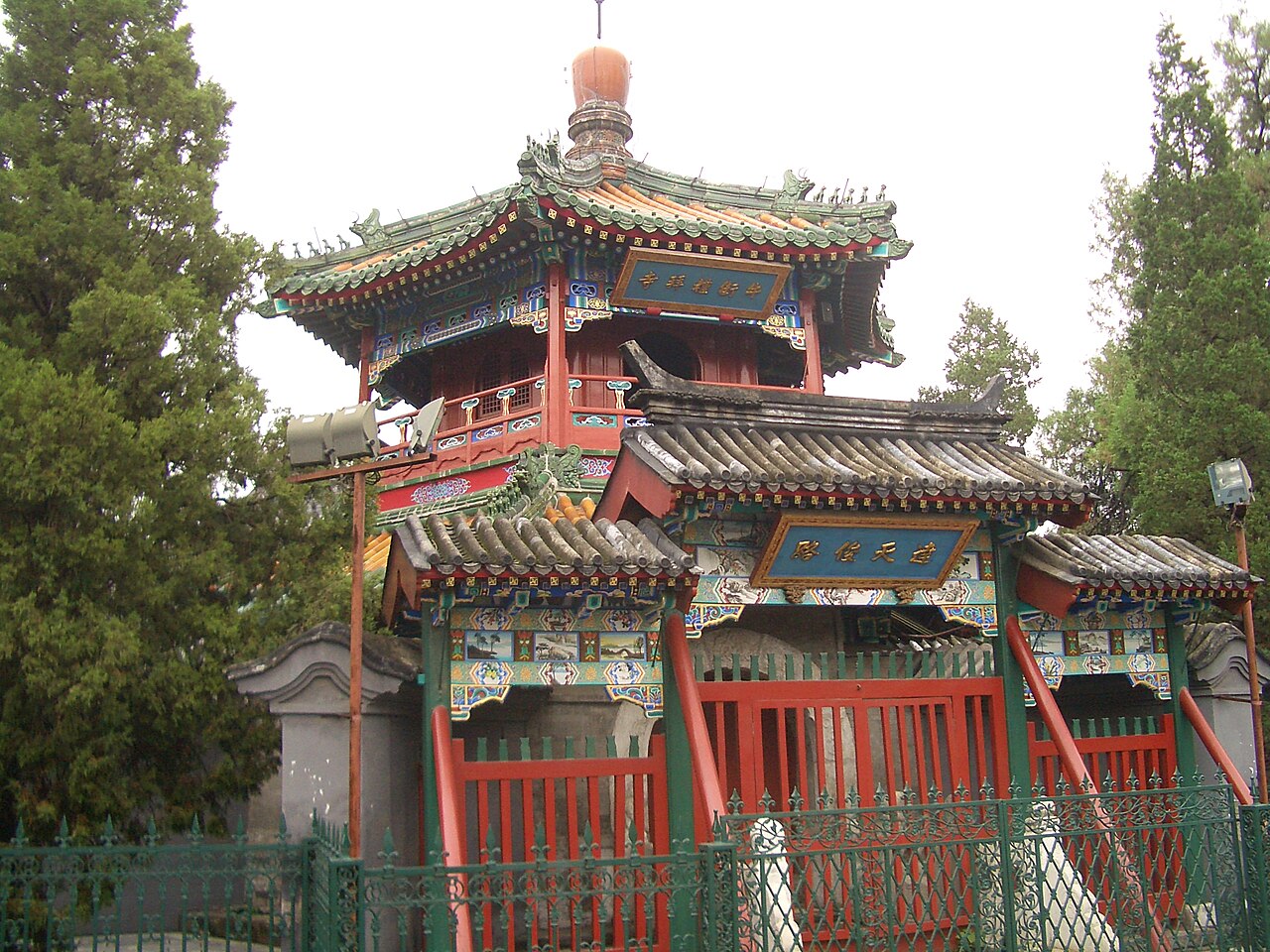
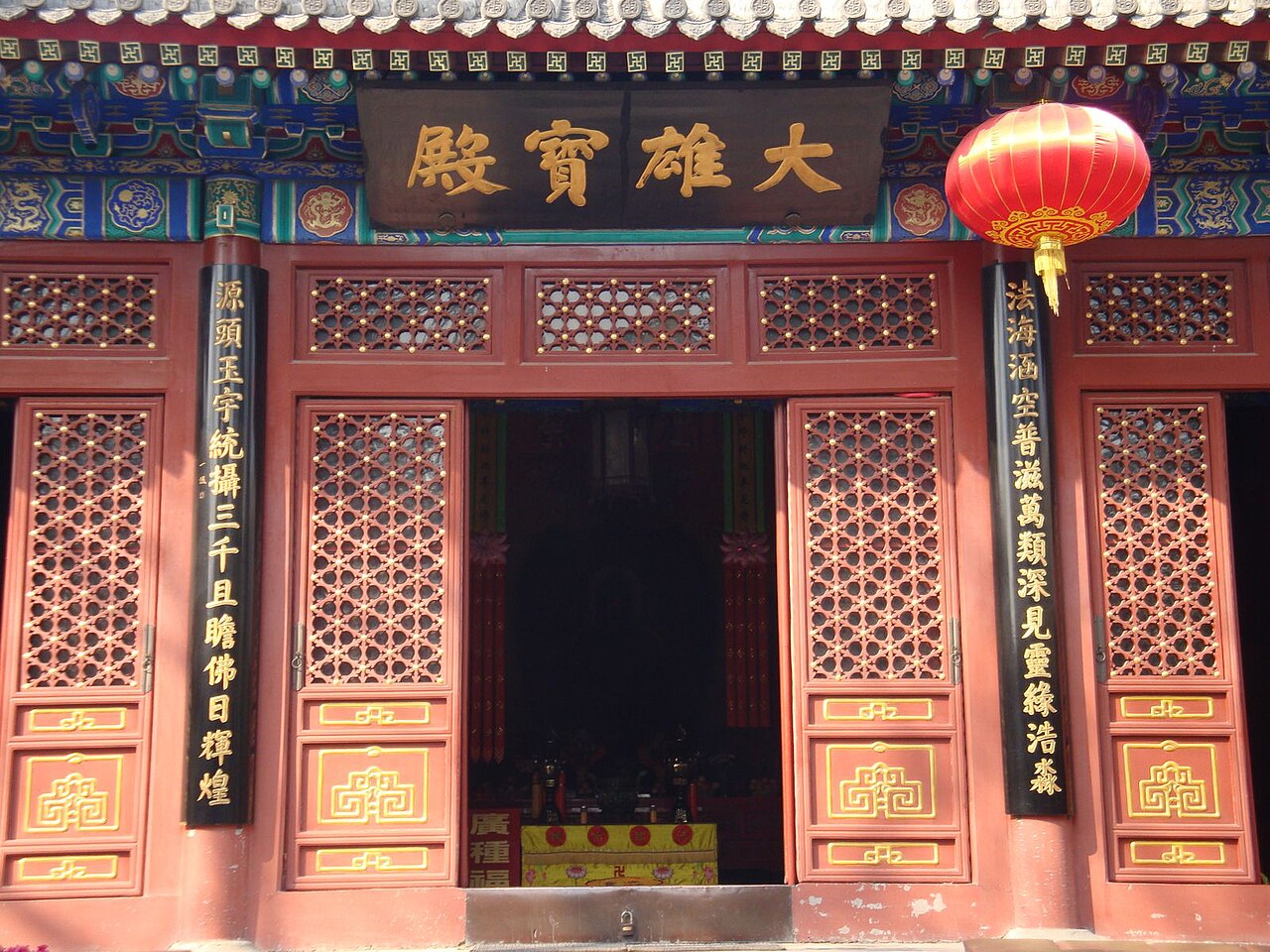
Fayuan Temple is one of Beijing's oldest Buddhist establishments, founded in the Tang period and rebuilt repeatedly under later dynasties. The present compound on Fayuansi Back Street consists of four principal courtyards and remains an active place of worship. It also houses the China Buddhist Academy, so the site functions as a religious and educational institution rather than a static monument. Its long history is visible in the sequence of halls, bronze and stone sculpture, Buddhist texts and mature lilacs. General visitors enter for CNY 5 during the published daily 09:00-17:00 visitor period. The setting remains distinctly contemplative.
Checked 2026-08-31 · Source
The south-to-north route begins with the gate and the Bell and Drum Towers, then passes the Hall of Heavenly Kings and Mahavira Hall. Farther courtyards contain the Hall of Great Compassion and collections of Buddhist sculpture, inscriptions and texts. The temple's lilacs are an established spring feature, complementing old pines and the enclosed courtyard architecture. Because the China Buddhist Academy uses the complex, some rooms serve study or religious purposes and are not visitor exhibits. The accessible outdoor line is mostly level, but stone thresholds and raised timber halls prevent a continuous step-free route through every interior.
Checked 2026-08-31 · Source
Allow 60-90 minutes for Fayuan Temple. One hour is enough to follow the four courtyards, see the major halls and pause at the sculpture and inscription displays. Spring visitors may spend longer around the flowering lilacs, while a ceremony or academy activity can narrow the route and slow circulation. The temple is about 700 metres from Caishikou Station, so include the hutong walk in the schedule. A visitor using a wheelchair should allow additional time for thresholds and should treat the visit as partial courtyard access without expecting entry to every raised hall.
Checked 2026-08-31 · Source
Fayuan Temple is open daily 09:00-17:00. Morning is quieter and leaves flexibility if a hall closes temporarily for religious or academy use. April is the characteristic season for its historic lilacs, when the courtyards attract additional visitors. Summer afternoons are hot in the exposed spaces, and winter halls are not uniformly heated. As an active temple, Buddhist observances can change how a courtyard is used without closing the entire compound. Arrive outside the final hour for a measured route and avoid interrupting chanting, instruction or offerings.
Checked 2026-08-31 · Source
General admission to Fayuan Temple is CNY 5. The price covers the public temple route; it does not turn academy rooms, active worship areas or closed halls into visitor spaces. Buy admission at the temple and carry a small renminbi payment option. Donations, incense or religious items are voluntary and separate from the entrance ticket. There is no reason to buy a marked-up third-party product for this low-cost site. The published 09:00-17:00 schedule and CNY 5 price come from Beijing's tourism authority listing for the temple.
Checked 2026-08-31 · Source
Fayuan Temple is on Fayuansi Back Street in Xicheng District. Take Subway Line 4 or Line 7 to Caishikou Station, then walk about 700 metres through the surrounding hutong streets. A taxi or ride-hailing driver should be given the Chinese temple name 法源寺 because the final lane is less prominent than the main roads. The approach is urban and mostly level, but the temple itself contains traditional thresholds. The site is also identified with the China Buddhist Academy, a useful landmark when confirming the entrance.
Checked 2026-08-31 · Source
Fayuan Temple is an active religious and teaching site. Keep voices low, do not enter rooms used by monks or students, and give ceremonies priority over sightseeing. Dress modestly and do not touch statues, texts, offerings or old trees. Stone thresholds and raised halls make access partial; the level courtyards do not guarantee wheelchair entry to every building. Incense smoke can affect sensitive visitors. The CNY 5 ticket covers the public route only. Follow staff directions if a hall or courtyard is temporarily reserved for worship or academy activity.
Checked 2026-08-31 · Source
The layered gates, Bell and Drum Towers, old pines and spring lilacs are the clearest exterior subjects. Personal courtyard photography should remain quiet and handheld. Ask before photographing inside a hall, during chanting or when monks and worshippers are identifiable; a functioning temple is not an unrestricted portrait location. Avoid flash near statues, texts and painted surfaces, and keep tripods out of narrow thresholds and circulation routes. Spring morning light works particularly well with the pale lilac flowers and dark timber halls. Commercial or staged shoots require prior permission.
Checked 2026-08-31 · Source
Daily 09:00-17:00.
General admission is CNY 5.
Partially. Courtyards are mostly level, but stone thresholds and raised halls interrupt the route.
Caishikou Station on Lines 4 and 7, followed by a walk of about 700 metres.
Yes. It is an active Buddhist temple and also houses the China Buddhist Academy.
The historic temple lilacs flower in spring, generally around April, and draw extra visitors.
Loading the interactive map…
The interactive map could not be loaded.
Last updated:
Source: OpenStreetMap contributors, Wikidata ·