202 min walk
Zhoukoudian site
- Must see · Heritage site
- Historic monument
Language · 11 published
Place of worship · Beijing
云居寺
Reviewed by Elena Voss · Roavina Travel Editor
| Monday | 09:00 – 16:00 |
|---|---|
| Tuesday | 09:00 – 16:00 |
| Wednesday | 09:00 – 16:00 |
| Thursday | 09:00 – 16:00 |
| Friday | 09:00 – 16:00 |
| Saturday | 09:00 – 16:00 |
| Sunday | 09:00 – 16:00 |
Checked 2026-08-31 · Source
Read from the OpenStreetMap access tags; anything not listed has no tag recorded.
Set the group type to family in the planner and the day window contracts to about three quarters of a solo day.
This place is a Place of worship.
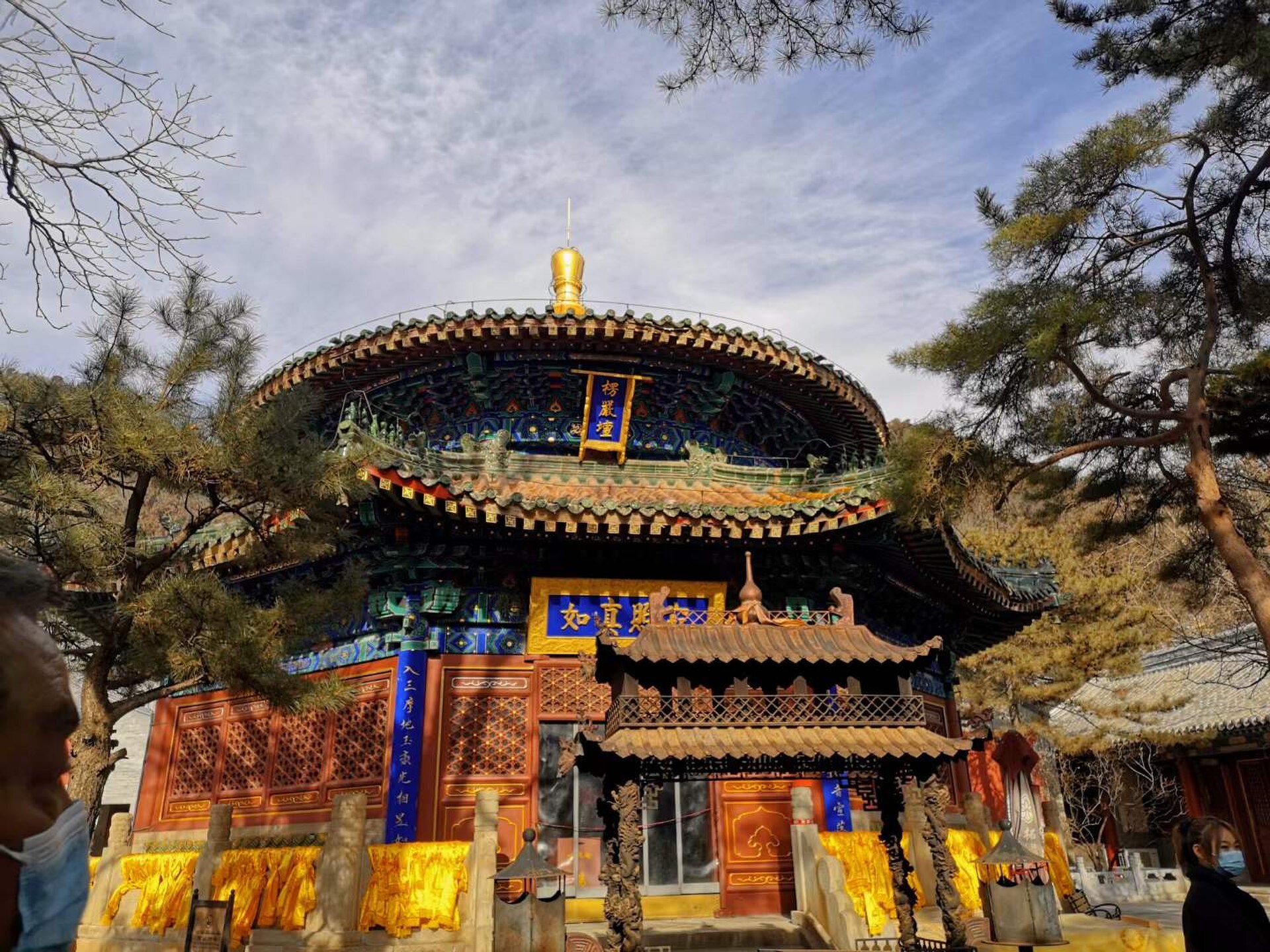
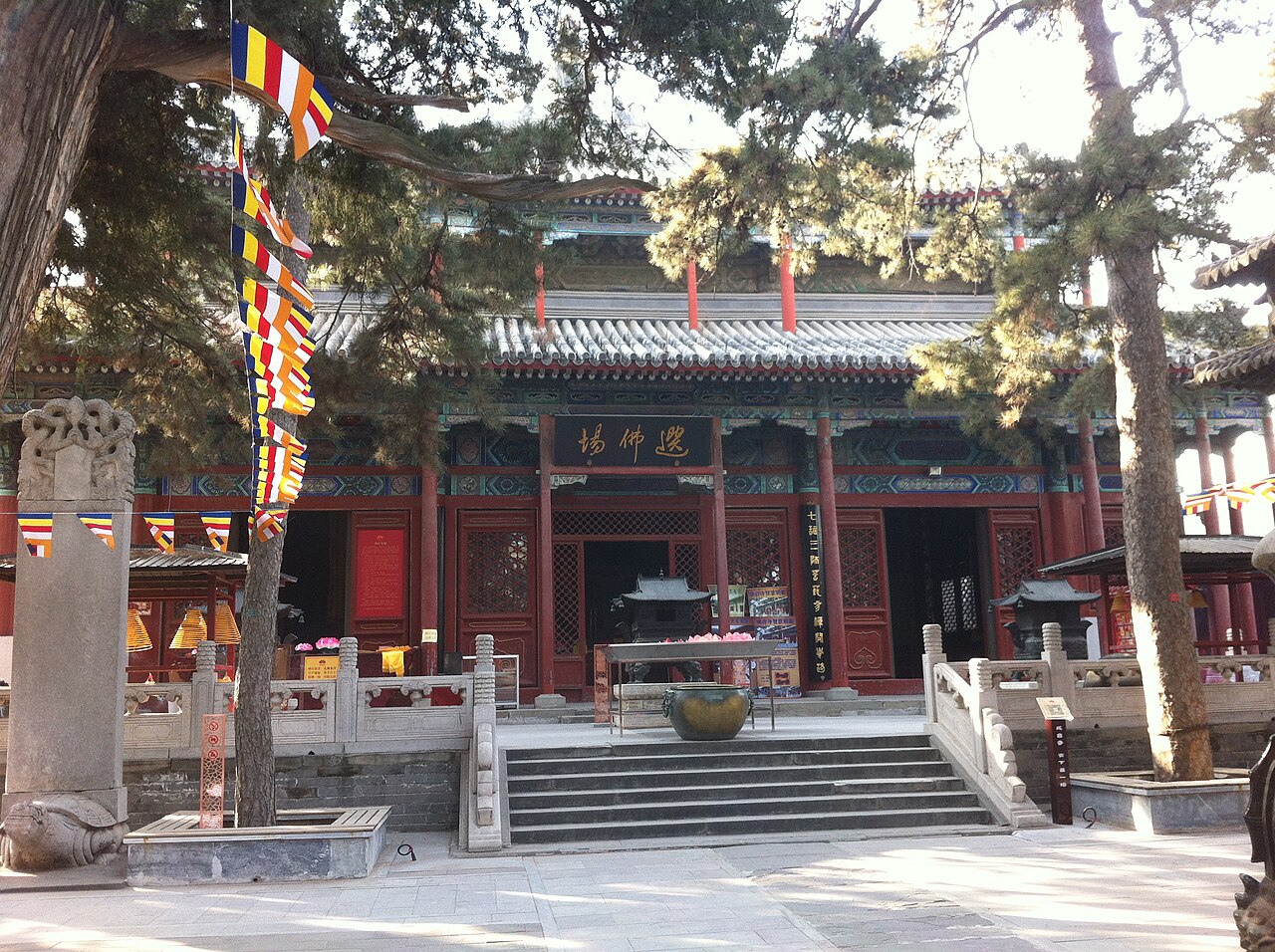
Yunju Temple is a historic Buddhist temple complex located in Beijing's Fangshan District. The temple holds significant religious and cultural importance, particularly renowned for its association with the engraving of Buddhist sutras on stone tablets. This monumental project spanned centuries and represents one of the most important Buddhist textual preservation efforts in Chinese history. The temple sits in a mountainous setting, providing a serene atmosphere for visitors seeking cultural and spiritual experiences away from central Beijing's urban intensity. The stone-sutra project began in the Sui period and continued for centuries, turning the temple and Shijing Mountain repositories into an exceptional archive of Buddhist textual transmission. The scripture heritage spans repeated carving campaigns across many dynasties.
Checked 2026-08-31 · Source
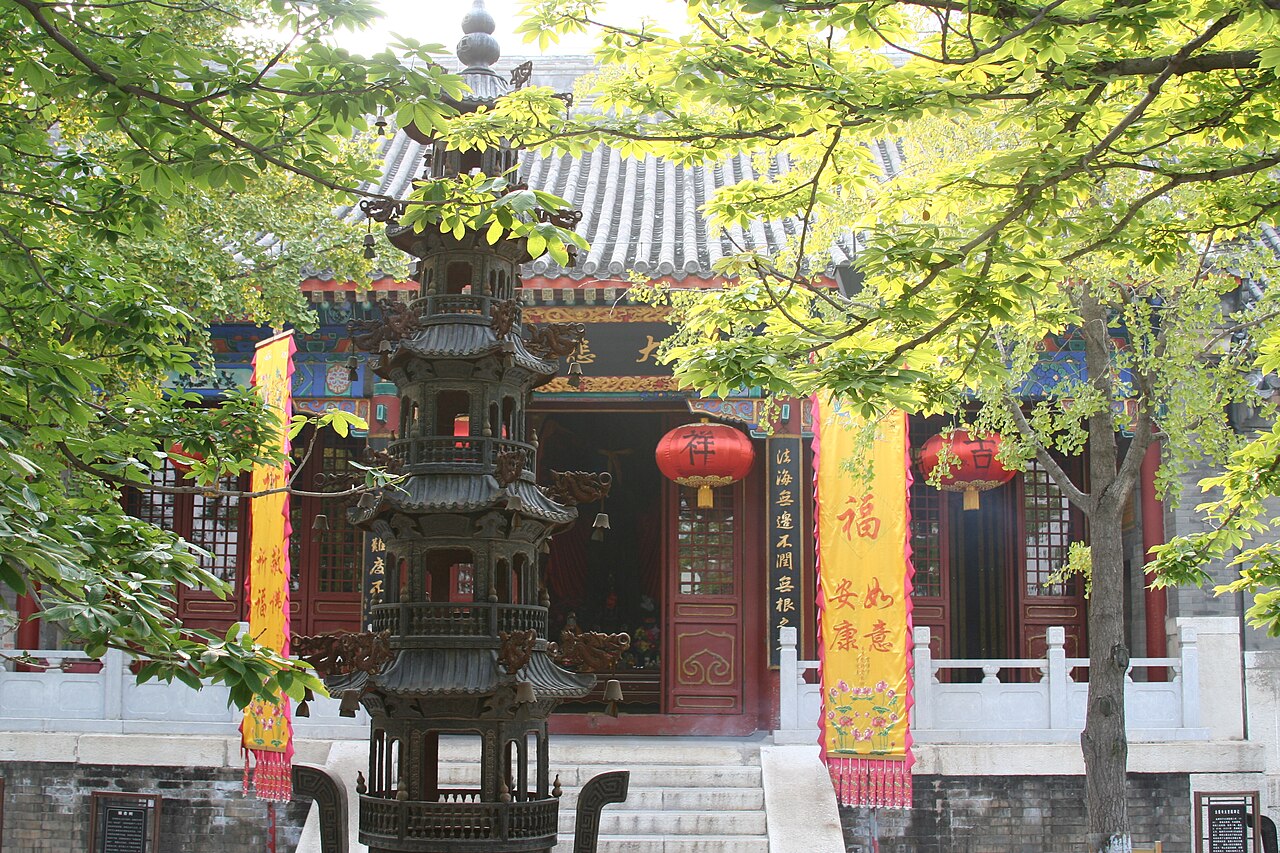
Yunju Temple's heritage extends beyond its main Buddhist halls. It preserves repositories of stone scripture tablets, pagodas and the sutra caves of nearby Shijing Mountain, together forming the world's largest collection of Buddhist texts carved in stone. The temple courtyards contain the most manageable paved route, while pagoda terraces and mountain cave approaches require stairs and rough ground. Religious sculpture and working worship spaces share the site with the scripture heritage. Visitors should therefore distinguish the accessible lower temple compound from optional upper routes that can close for fire prevention, weather or conservation.
Checked 2026-08-31 · Source
Visitors should allocate approximately two to three hours for a meaningful exploration of Yunju Temple. This duration allows sufficient time to appreciate the main architectural structures, examine the stone sutra collection, and experience the tranquil mountain environment. Those with particular interest in Buddhist art, calligraphy, or religious history may wish to extend their visit. The sprawling nature of the temple complex and its hillside location require walking between different areas, which naturally extends the time needed for a comprehensive visit.
Checked 2026-08-31 · Source
Open daily 09:00-16:00. Mountain sutra caves, pagoda areas and outdoor routes can close for weather, fire prevention, conservation or religious activity. Arrive in the first hour for a quieter route and enough time before the final admission period. Weekends, public holidays and institutional events bring more visitors or altered access. Outdoor sections are hot in summer and cold in winter, while rain or ice can make heritage paving and mountain paths harder to use. The dated official notice always takes priority over a normal weekly pattern.
Checked 2026-08-31 · Source
Adult admission is CNY 40; children and eligible students pay CNY 20. Special interpretation, transport and any separately operated mountain sections can carry additional charges. Use the official venue channel and carry the identity document attached to any reservation or concession. A standard admission product does not include separately priced interpretation, food, transport or special events unless the operator says so. Free admission still requires compliance with capacity, security and real-name entry rules where the institution applies them. Retain the ticket or confirmation until the visit ends.
Checked 2026-08-31 · Source
Yunju Temple is in Fangshan District, about 70 kilometres southwest of central Beijing. The practical route is taxi or private car; public transport uses the Fangshan suburban corridor followed by a local Fangshan bus or taxi to the temple. Allow additional time for the final approach, security or gate identification, especially at suburban and institutional sites. Use the full Chinese venue name in taxi or ride-hailing apps. Public transport is preferable where parking is scarce, and a campus, mountain temple or museum reservation never guarantees a parking place.
Checked 2026-08-31 · Source
The main temple forecourts contain broad paved sections, but historic thresholds, pagoda terraces, Shijing Mountain routes and sutra-cave approaches include substantial stairs and uneven terrain. Follow the designated visitor route and staff instructions, and do not cross barriers into worship, teaching, conservation or staff-only areas. Historic thresholds, steep paths, exhibition installations and crowd controls can narrow access even where the main route is usable. Keep bags compact, protect tickets and identification, and allow other visitors clear access to lifts, ramps and entrances.
Checked 2026-08-31 · Source
The temple halls, pagodas and mountain setting create strong exterior compositions, but the stone scriptures are protected cultural material rather than props. Use handheld personal photography only where signs permit it, never touch tablets or carved surfaces, and avoid flash near inscriptions or painted interiors. The mountain route can close during high fire risk or bad weather, so a drone or distant viewpoint cannot substitute for authorised access. Ask before photographing worshippers or rituals. Morning light suits the lower courtyards, while safe footwear and a light kit matter more than a tripod on the stepped outdoor route.
Checked 2026-08-31 · Source
It preserves the world's largest collection of Buddhist scriptures carved on stone tablets.
No. The heritage includes temple repositories, pagodas and sutra caves associated with Shijing Mountain.
The responsible tourism listing recommends roughly half a day.
No. Main courts are the most manageable; pagoda and mountain cave routes involve stairs and rough terrain.
Yes. Eligible children and students pay the published CNY 20 half-price admission.
No. It is a suburban Fangshan destination requiring a long road journey from the city centre.
Loading the interactive map…
The interactive map could not be loaded.
Last updated:
Source: OpenStreetMap contributors, Wikidata ·