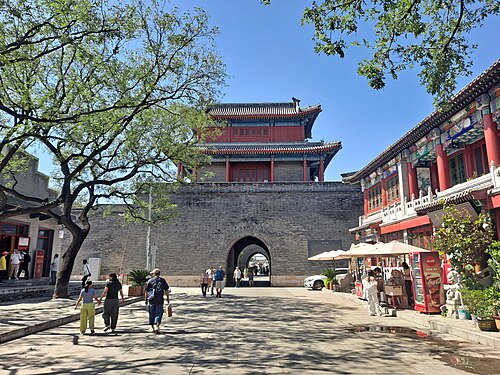
Drum tower
The Drum Tower of Beijing is a historic timekeeping structure in the Dongcheng district. It originally served as the principal timekeeping tower for the old city, marking the hours with drum beats.
- Must see
- Historic monument
City guide · China
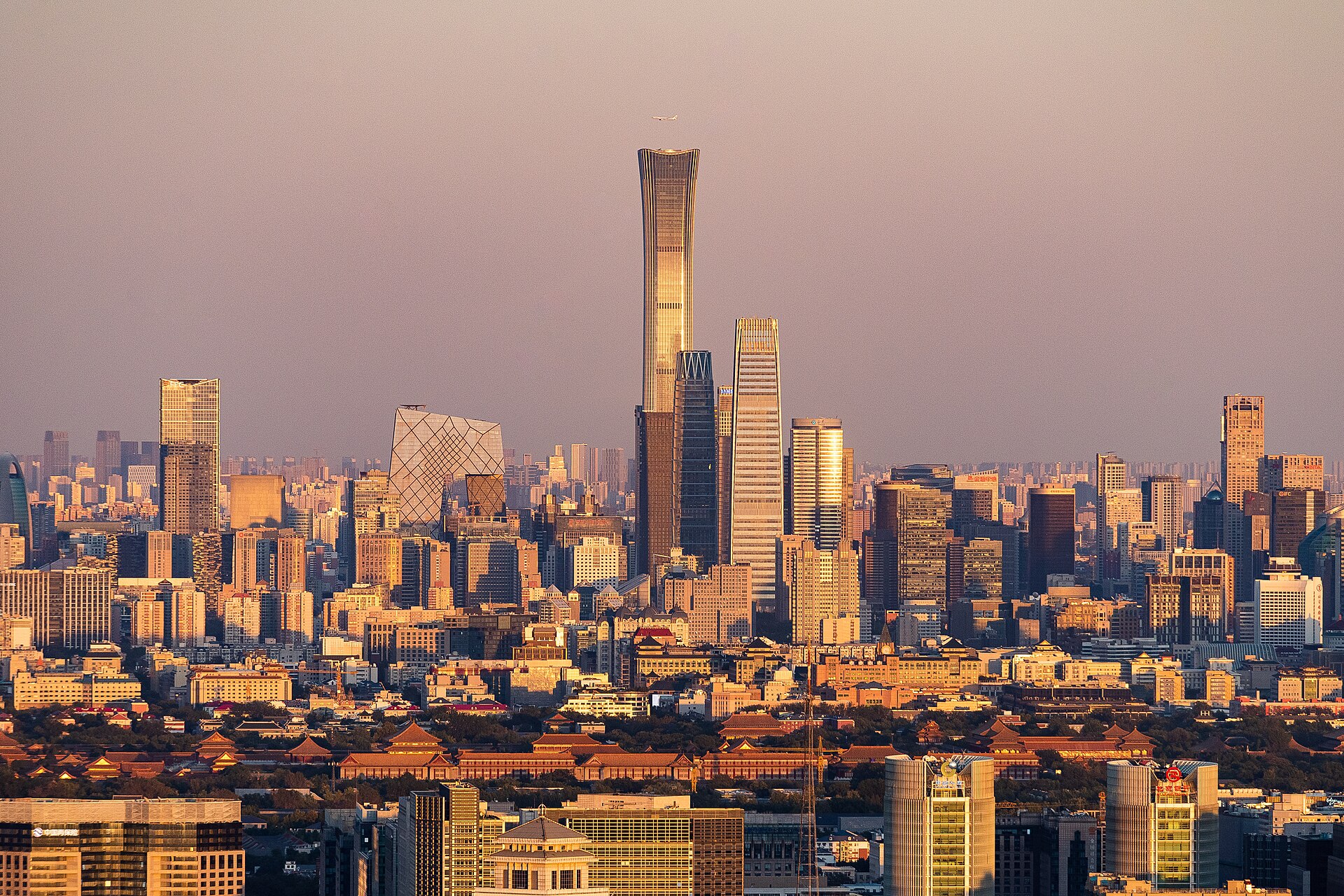
Beijing is vast, but its principal historic sights align around the north-south imperial axis. Tiananmen Square, the Forbidden City and Jingshan form the centra...
Photograph · N509FZ · CC BY-SA 4.0
Set your days, your pace and the hours you actually want to be out. The planner works around closing days and travel time, and leaves room to eat.
Reviewed by Elena Voss · Roavina Travel Editor
Beijing is vast, but its principal historic sights align around the north-south imperial axis. Tiananmen Square, the Forbidden City and Jingshan form the central sequence, while the Temple of Heaven lies south and the lake, hutong and palace districts extend north and west. Great Wall sections and imperial tombs are separate day journeys outside the urban core.
Checked 2026-08-26
September · September offers Beijing a 25.8°C mean high, 14.2°C mean low and rainfall reduced to 49 mm.
Ranked by importance — sitelinks, pageviews and heritage status, not editor preference.
22 places match
Category
Typical visit duration
Interests
The Drum Tower of Beijing is a historic timekeeping structure in the Dongcheng district. It originally served as the principal timekeeping tower for the old city, marking the hours with drum beats.
Qianmen Street is the historic ceremonial southern approach to Beijing's old inner city and its leading traditional commercial thoroughfare.
798艺术区
The 798 Art District, known locally as 798艺术区, is a contemporary arts zone in Beijing's Chaoyang District. It occupies a former military factory complex built in the 1950s in the Bauhaus-influenced style of East German industrial architecture.
国家体育场
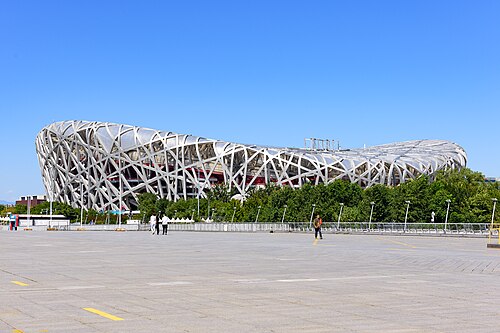
The National Stadium, locally known as 国家体育场, is a major sports venue in Beijing. It was constructed for the 2008 Summer Olympics and Paralympics, serving as the primary stadium for opening and closing ceremonies as well as athletics events.
王府井大街
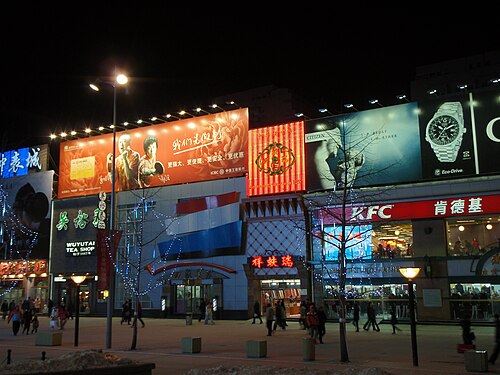
Wangfujing Street is Beijing's most famous central shopping street and a major pedestrian visitor district. Located in Dongcheng District near the Forbidden City, it stretches as a commercial thoroughfare that has served as a retail hub for over a century.
周口店北京人遗址
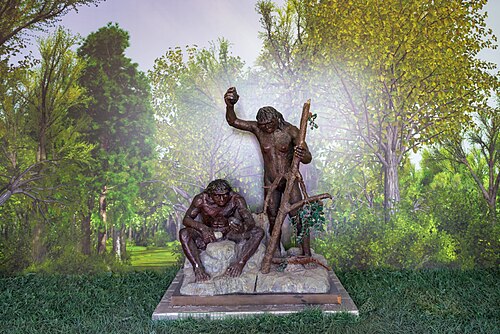
Zhoukoudian Peking Man Site is a paleoanthropological locality in southwest Beijing. It yielded fossils of Homo erectus pekinensis, commonly called Peking Man, in excavations during the early twentieth century.
大栅栏
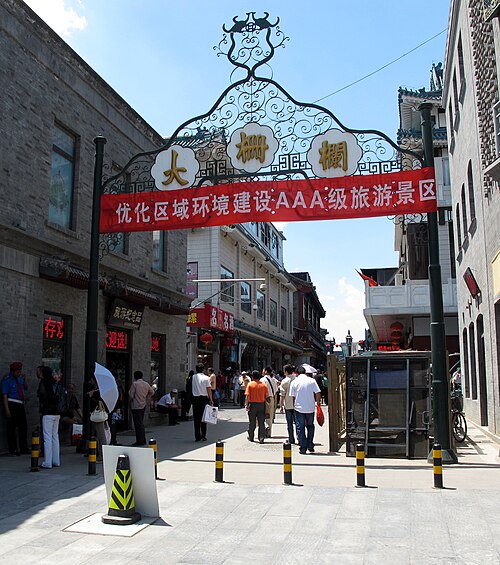
Dashilan, known in Chinese as 大栅栏, is a historic commercial street in central Beijing. It lies south of Tiananmen Square within the Xicheng District, forming part of the old inner city.
国子监
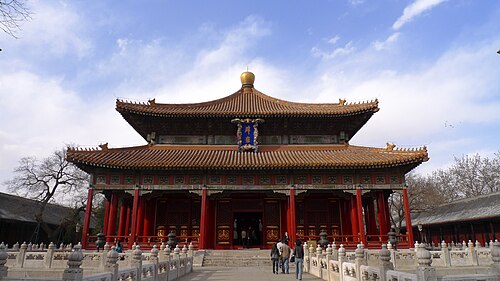
The Imperial College, or Guozijian, was the highest state educational institution and education administration of the Yuan, Ming and Qing dynasties.
戒台寺
Jietai Temple, known locally as 戒台寺, is a historical Buddhist temple situated in the western outskirts of Beijing. The temple holds significant religious and cultural importance within China's Buddhist heritage.
北京奥林匹克公园
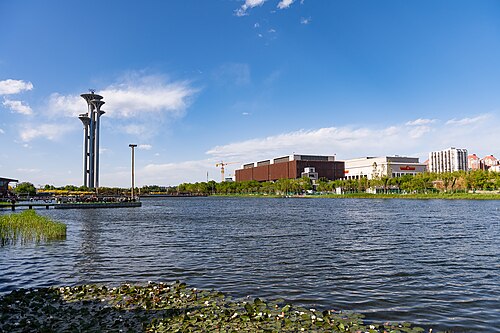
Beijing Olympic Park is the public Olympic Green precinct created around the principal venues of the 2008 Summer Olympics and reused for the 2022 Winter Games.
三里屯
Sanlitun is a lively commercial and nightlife district in Beijing’s Chaoyang District. Once associated with the city’s diplomatic quarter, it now brings together shopping, dining, international brands, bars, hotels, and social life across a busy urban area.
潘家园旧货市场
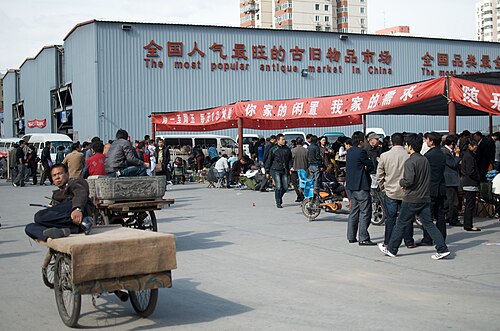
Panjiayuan Antique Market is a sprawling Beijing bazaar filled with secondhand goods, curios and objects connected with Chinese material culture. Known locally as 潘家园旧货市场, it attracts collectors, browsers and travellers searching for distinctive souvenirs.
烟袋斜街
Yandai Xiejie, whose local name is 烟袋斜街, is a historic hutong alleyway in Beijing. The name translates approximately to Skewed Tobacco Pouch Street, derived from its distinctive shape resembling a traditional tobacco pipe.
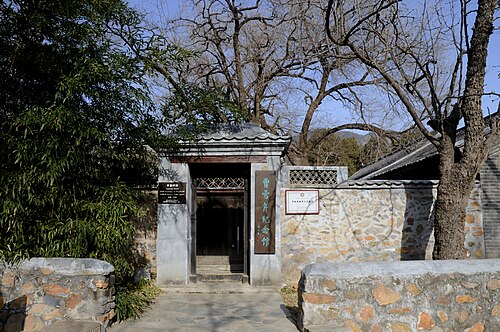
The Cao Xueqin Memorial Hall commemorates the celebrated Qing dynasty author of Dream of the Red Chamber, China's most famous classical novel. Located in Beijing, this cultural site honors Cao Xueqin's literary legacy and his connection to the city.
宛平城
Wanping Fortress, known locally as Wanping Cheng, is a historic walled settlement in Beijing's Fengtai District. Constructed during the Ming Dynasty as a military garrison, it served as a strategic defensive position guarding the western approaches to the capital.
龙庆峡
Longqing Gorge, known locally as 龙庆峡, is a scenic canyon area located north of Beijing's urban core. The gorge features a reservoir formed by dam construction, creating an elongated water body between steep mountainous terrain.
Plan the Forbidden City axis as one long central route and avoid pairing it with a distant outer attraction. The Temple of Heaven and Qianmen fit a southern cluster; Shichahai, Drum Tower and nearby hutongs form a northern cluster. The Summer Palace occupies a western half-day, while any Great Wall section requires its own transport plan.
Checked 2026-08-26
Beijing’s official guidance describes the subway as the most convenient public transit for major attractions and transport hubs. Use rail for cross-city moves, then walk within each historic cluster. International bank-card access is available at supported gates under current guidance. Distances and security checks can add time, so leave margins around major monuments and railway stations.
Checked 2026-08-26
A fixed stay length is not recorded. Build the visit around the imperial axis, Shichahai and the western palaces, then add Great Wall sections and imperial tombs only when the available time supports a separate journey.
Group places by district instead of crossing the city repeatedly. Start with the imperial axis, Shichahai and the western palaces; treat Great Wall sections and imperial tombs as separate routes with their own travel allowance.
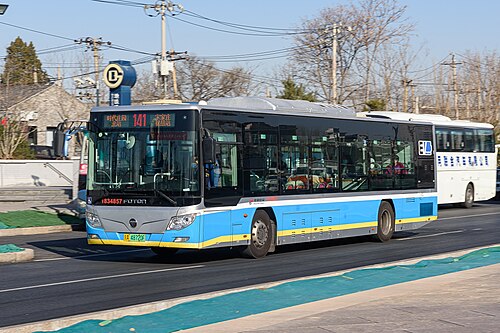
Use Walking, subway and city bus. Walk within compact clusters and consult the linked official transport information before making longer transfers or relying on a particular route.
Only within individual neighbourhood clusters. The main visitor areas are separated by distances, waterways, major roads or regional approaches, so longer links normally need public transport or a licensed vehicle.
Plan Great Wall sections and imperial tombs separately from the imperial axis, Shichahai and the western palaces. Check the current route, return connection and any access requirements on the official source before departure.