


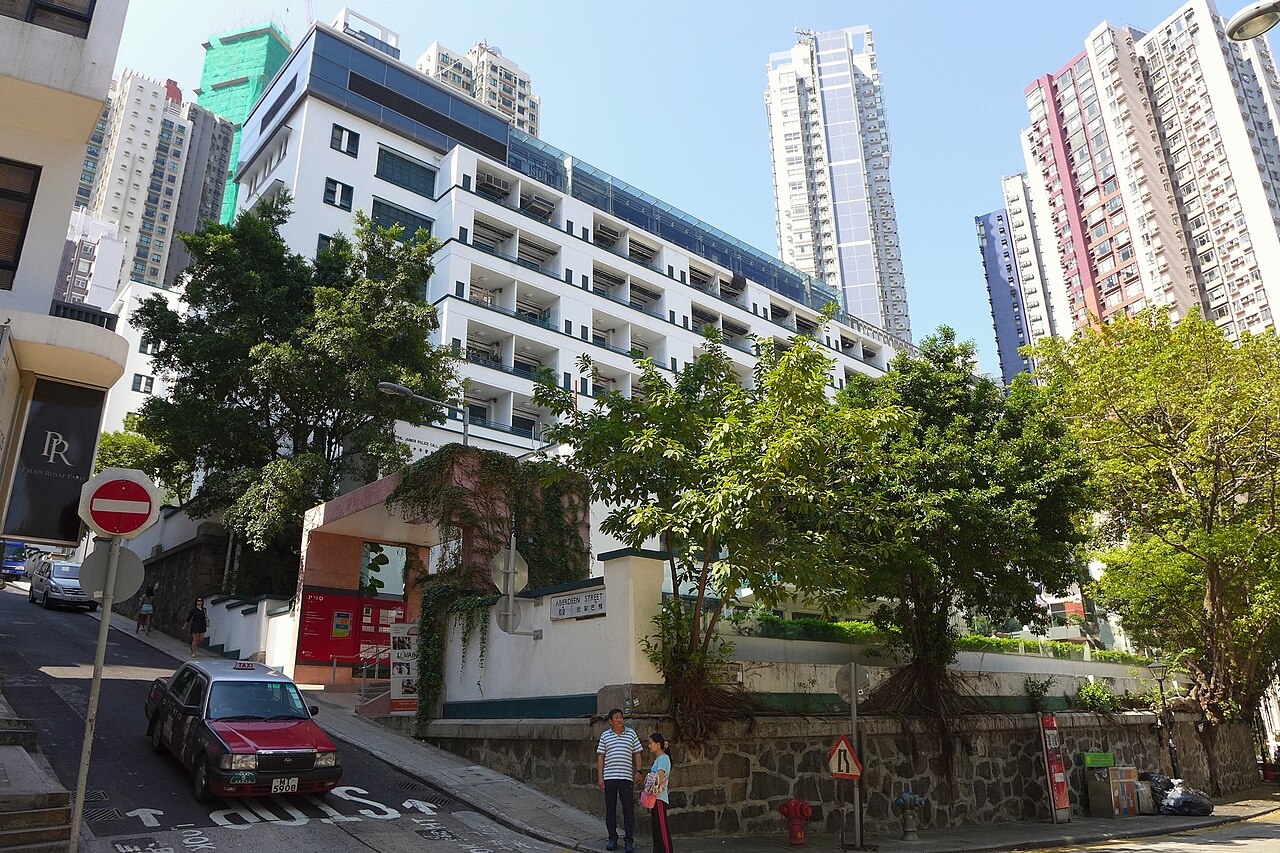
3 min walk · 中西區 Central and Western District
PMQ
- Must see
- Historic site
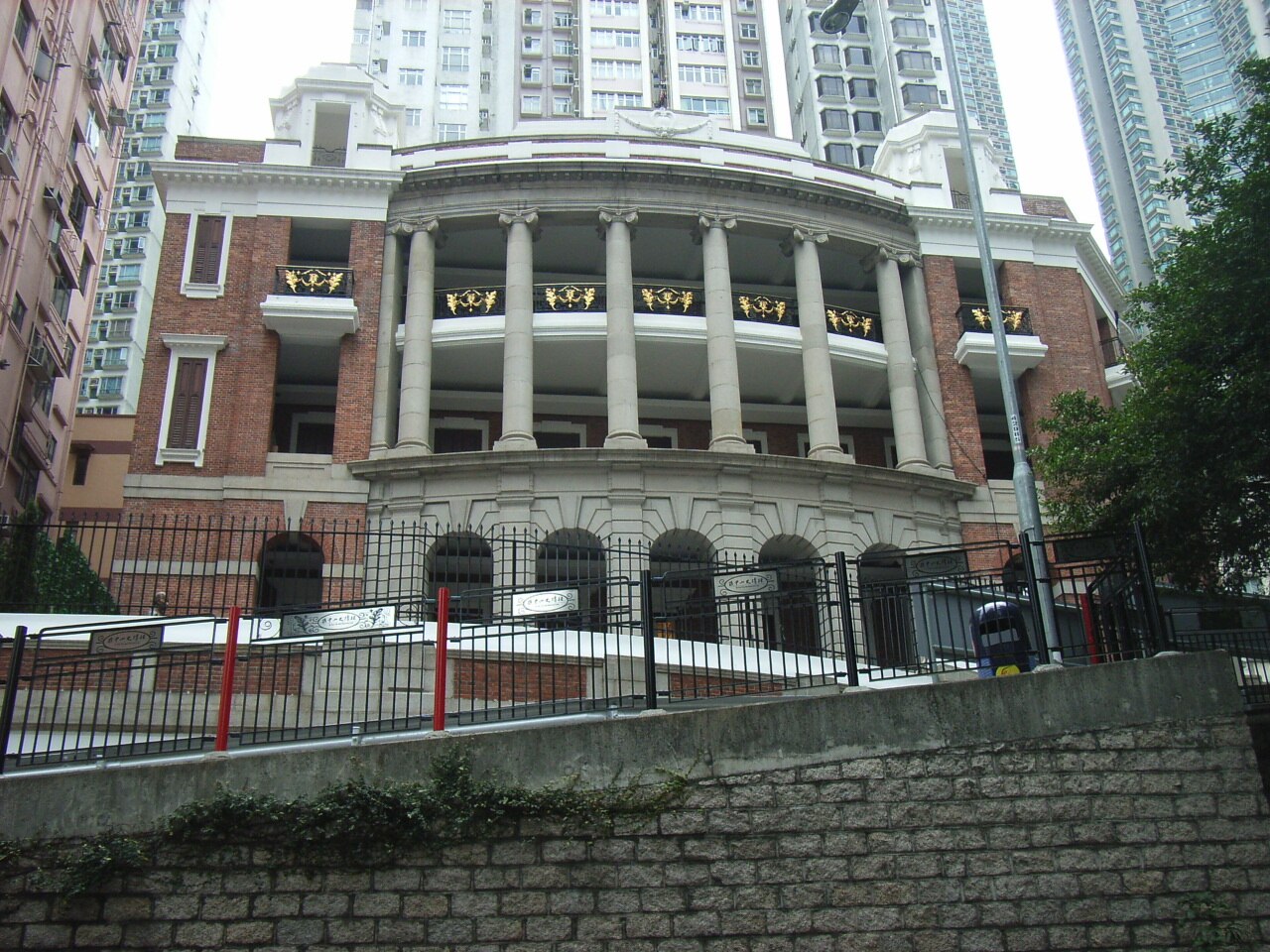
Museum · 中西區 Central and Western District, Hong Kong
孫中山紀念館 Dr Sun Yat-sen Museum
Closed today, Thursday. Next open Friday at 10:00 — the planner will not place a stop here on a Thursday.
Plan around it| Monday | 10:00 – 18:00 |
|---|---|
| Tuesday | 10:00 – 18:00 |
| Wednesday | 10:00 – 18:00 |
| Thursday | Closed |
| Friday | 10:00 – 18:00 |
| Saturday | 10:00 – 19:00 |
| Sunday | 10:00 – 19:00 |
Checked 2026-11-04 · Source
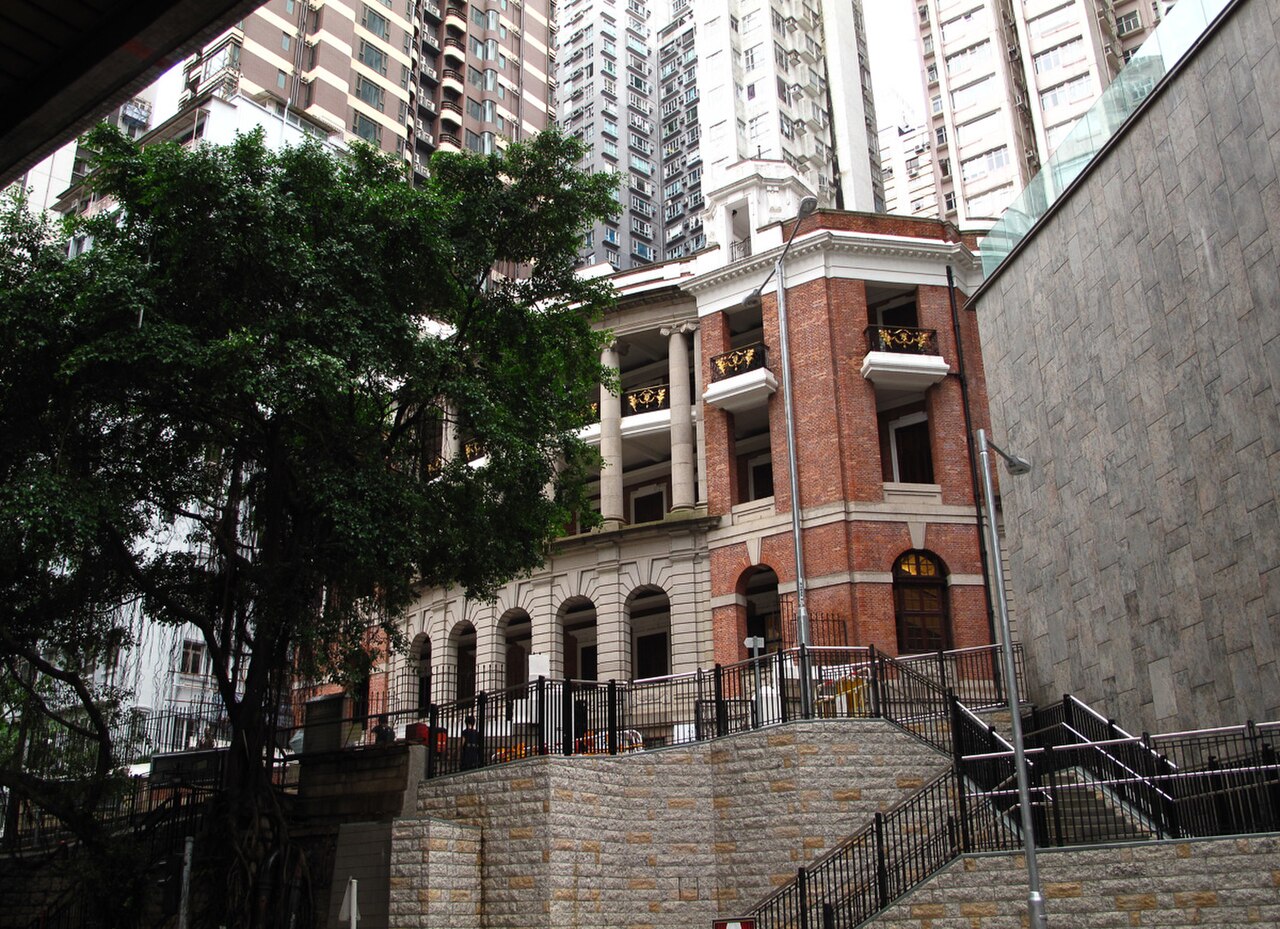
The Dr Sun Yat-sen Museum is a museum in Hong Kong dedicated to the life and revolutionary activities of Dr Sun Yat-sen, founding father of the Republic of China. Housed in a historic building, the museum examines his connections to Hong Kong and his role in modern Chinese history. The institution preserves and presents historical materials related to his political career and the late Qing reform movements. Visitors can explore exhibitions tracing his ideological development and organisational efforts that shaped twentieth-century China.
Checked 2026-08-26
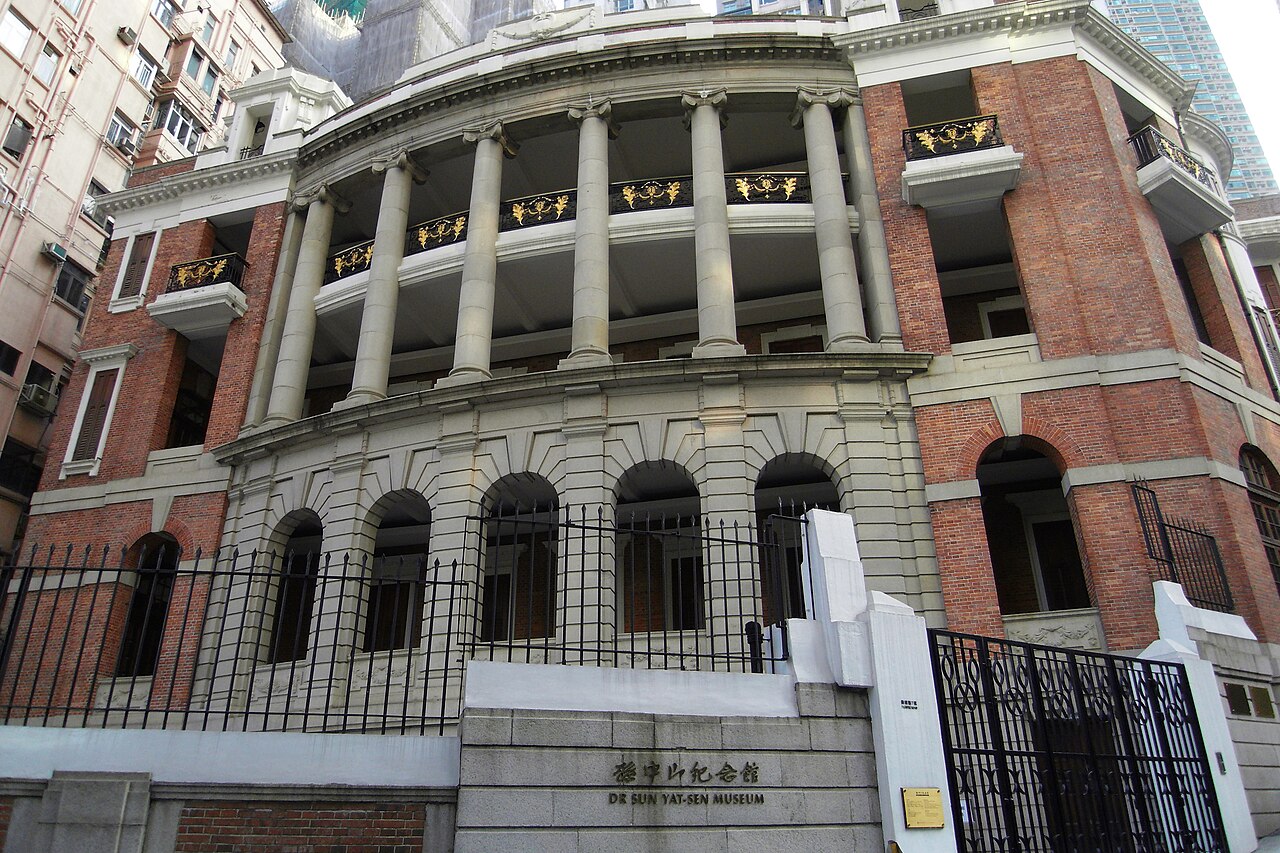
The museum contains permanent and special exhibitions featuring photographs, documents, and artefacts associated with Dr Sun Yat-sen. Displays cover his medical training, revolutionary plotting, and leadership of republican causes. Historical furniture and reconstructed settings illustrate period contexts. Multimedia presentations and educational panels provide additional interpretation. The building itself possesses architectural significance, with preserved interiors reflecting its colonial-era construction. Rotating exhibitions may address related historical themes or commemorate significant anniversaries in Chinese revolutionary history.
Checked 2026-08-26
Most visitors spend approximately one to two hours exploring the museum's galleries and reading exhibition texts. The compact layout permits efficient circulation through chronological displays. Those with strong interest in modern Chinese history or republican revolutionary movements may extend their visit to examine documentary materials in greater detail. The building's architectural features warrant additional observation time. School groups and organised tours typically allocate ninety minutes for guided programmes with educational components. Self-directed visitors control their own pacing.
Checked 2026-08-26
Hong Kong's subtropical climate produces hot humid summers and mild dry winters, affecting comfort during travel to the museum. Weekday mornings typically offer quieter conditions for concentrated examination of exhibits. Public holidays and commemorative dates may attract increased attendance due to the subject's national significance in Chinese history. Seasonal humidity can affect paper-based displays, though climate-controlled galleries protect collections. The useful pace depends on personal interest and conditions on arrival.
Checked 2026-08-26
Many Hong Kong museums operate with government subsidy, potentially offering free or concessionary entry. Special exhibitions may carry separate charges. Group rates and educational programme fees require direct enquiry. International visitors should confirm accepted payment methods and identification requirements. Membership schemes or cultural passes may provide repeated access benefits.
Checked 2026-08-26

The museum occupies a location in Hong Kong's Central and Western District on Hong Kong Island. Public transport options include buses serving surrounding streets and the Mass Transit Railway system with nearby stations. The Mid-Levels escalator system provides pedestrian access through this steep topography district. Taxis and ride services reach the vicinity directly. Walking from Central business district landmarks takes approximately fifteen to twenty minutes uphill. Clear signage marks the museum entrance. Allow additional time for navigation in this densely built urban environment.
Checked 2026-08-26
The historic building contains preserved architectural features requiring careful pedestrian movement. Staircases may lack modern accessibility standards typical of purpose-built museums. Crowded conditions possible during commemorative periods or educational group visits. Photography restrictions may apply to specific artefacts or gallery sections; observe posted notices. Humidity and temperature fluctuations in entrance areas contrast with climate-controlled galleries. Nearby construction or urban development may affect street access routes. Verify operational status before travelling, as special events or maintenance may limit public access without advance publicity.
Checked 2026-08-26
Photography policies within the museum require visitor attention to posted restrictions. Flash photography typically prohibited to protect light-sensitive historical documents and photographs. Tripod and professional equipment use usually restricted without prior arrangement. Some artefacts or loaned exhibition items may carry absolute photography bans. Exterior photography of the historic building generally permitted from public thoroughfares. Respect other visitors' viewing experience when composing images. Copyright protections apply to certain displayed materials. Staff instructions regarding photography should be followed promptly to maintain collection preservation standards and contractual obligations.
Checked 2026-08-26
The museum is housed in a historic building whose staircases may lack modern accessibility standards, so some features may present accessibility challenges.
The museum runs guided programmes with educational components for school groups and organised tours, which typically allocate ninety minutes; ask museum staff about the languages offered.
Facilities vary among Hong Kong museums, so check the museum's amenities before visiting.
Most museums implement bag size restrictions or require a cloakroom deposit.
The content focuses on political history and may require contextual explanation. Parental discretion is advised based on the child's interests.
The Central and Western District contains numerous historical and cultural sites, so the surrounding area is worth exploring for additional points of interest.
Loading the interactive map…
The interactive map could not be loaded.
Last updated:
Source: OpenStreetMap contributors, Wikidata ·