
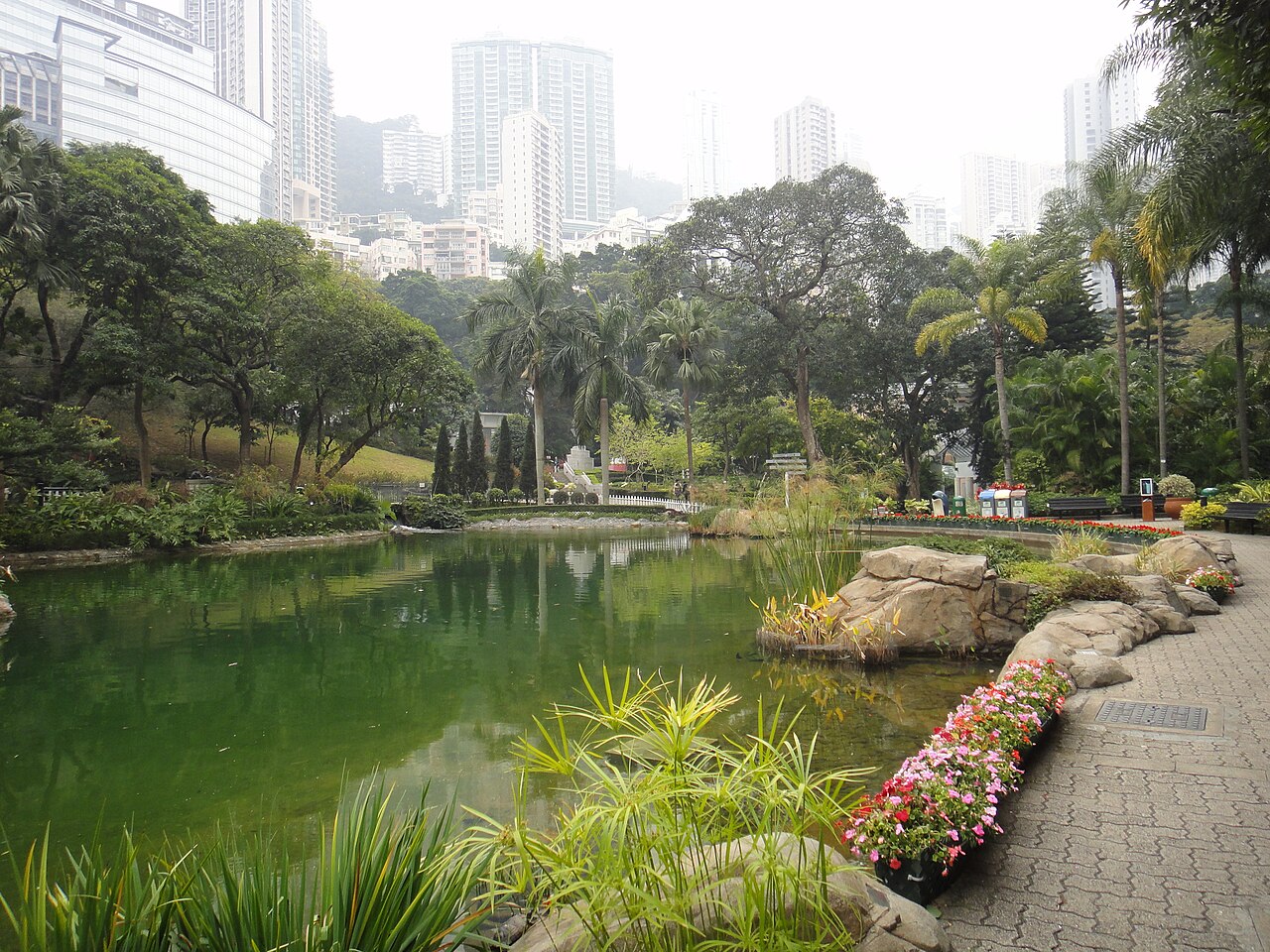
2 min walk · 中西區 Central and Western District
Hong Kong Park
- Must see
- Nature site
Language · 11 published
Museum · 中西區 Central and Western District, Hong Kong
茶具文物館 Flagstaff House Museum of Tea Ware
Reviewed by Elena Voss · Roavina Travel Editor
Read from the OpenStreetMap access tags; anything not listed has no tag recorded.
Set the group type to family in the planner and the day window contracts to about three quarters of a solo day.
This place is a Museum. It was established in 1984. It carries the declared monument heritage designation.
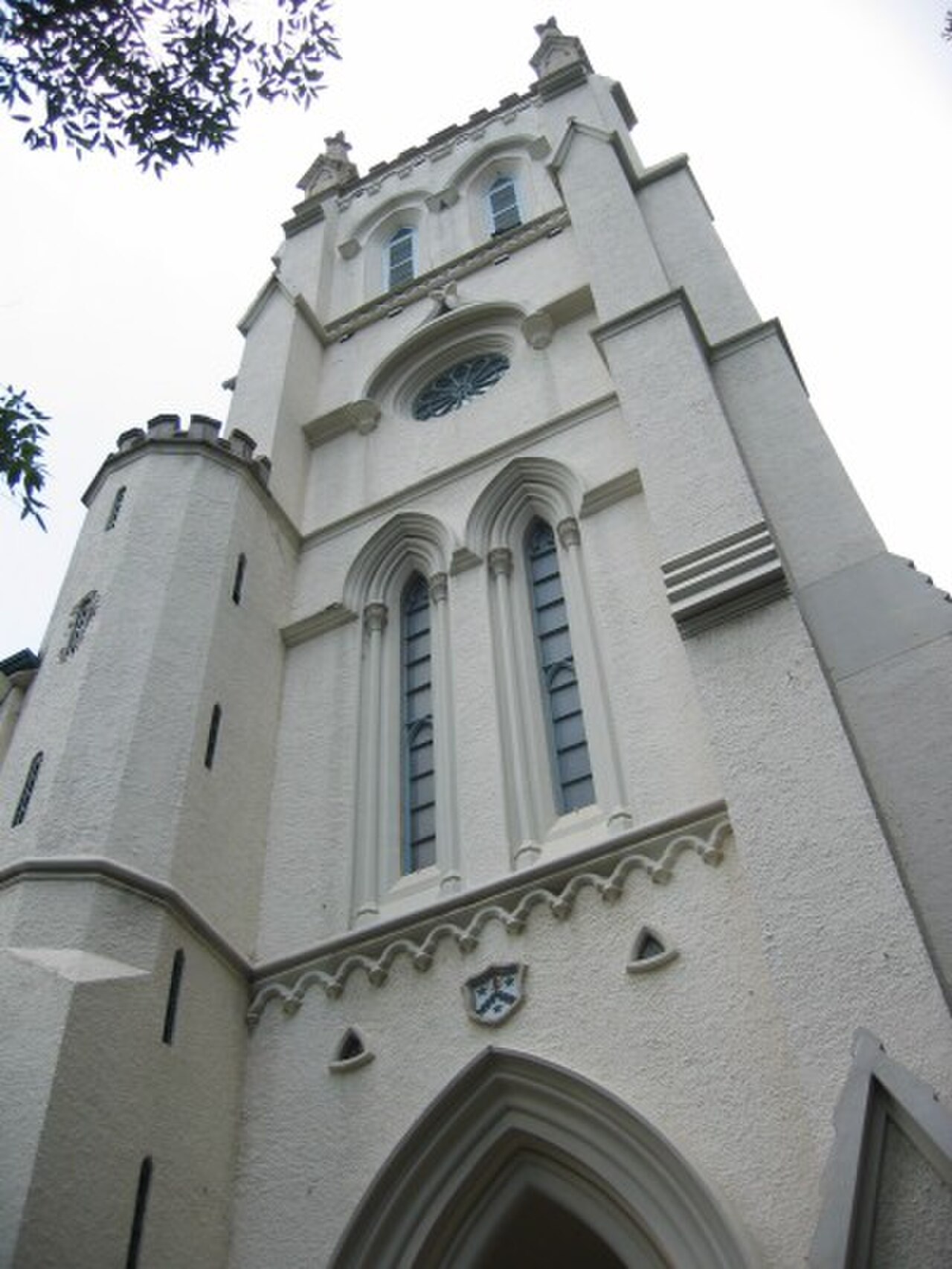
Flagstaff House is Hong Kong’s oldest surviving Western-style building and now houses the Museum of Tea Ware. The historic building stands inside Hong Kong Park in Central, placing colonial architectural heritage beside one of the city’s major urban green spaces. The museum focuses on tea ware and the art and culture of tea drinking. Flagstaff House is therefore both a building to examine and a specialist museum to explore. Its reuse gives visitors a compact cultural stop where early colonial architecture, Chinese ceramics, and Hong Kong’s public museum network meet in one park setting. Yes, Flagstaff House was the original name of this colonial building, which served as the residence for the Commander of British Forces in Hong Kong before its conversion to museum use.
Checked 2026-08-26 · Source
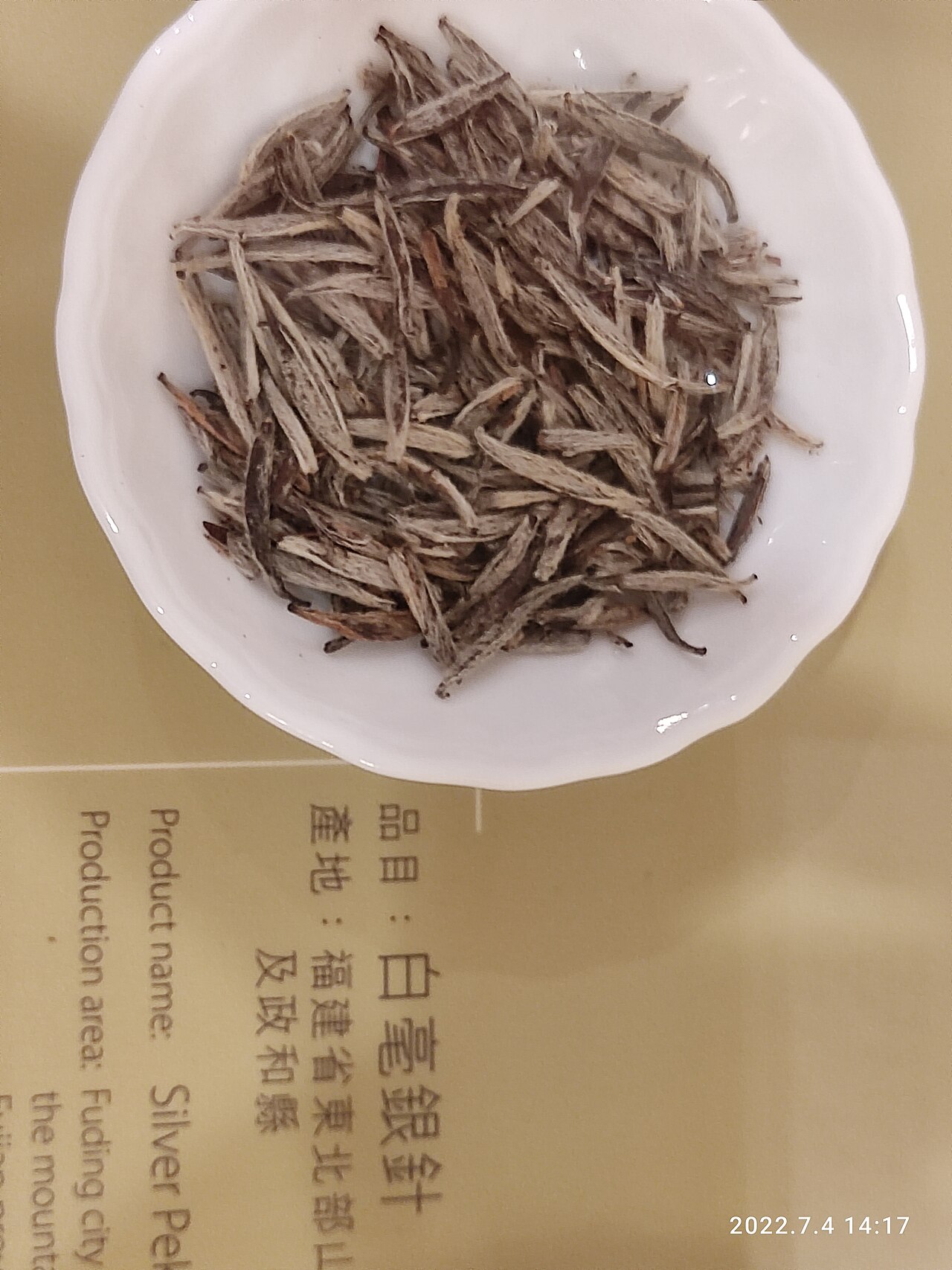
The Museum of Tea Ware displays tea vessels and related objects from different periods and regions, with particular emphasis on Chinese ceramics used for preparing and serving tea. The collection includes Yixing teapots, porcelain vessels, and tea implements that show how practical use and artistic design overlap. Exhibits introduce craftsmanship, brewing methods, and regional tea traditions. Visitors interested in ceramics can study the shapes, surfaces, and making techniques of individual pieces, while tea enthusiasts can follow how objects support the wider culture of tea drinking. Rotating exhibitions may add a focused theme to the permanent displays.
Checked 2026-08-26 · Source
Allow one to two hours for the Museum of Tea Ware and Flagstaff House. The museum is compact enough for a focused visit of about one hour, while visitors who enjoy Chinese ceramics, tea history, or detailed object study can spend longer with the displays. Hong Kong Park adds walking time before or after the galleries, including the transition through the landscaped grounds. Combining the museum with the park creates a comfortable half-day plan without requiring a large block of time for the indoor collection alone.
Checked 2026-08-26 · Source
Flagstaff House works in both a museum-focused itinerary and a Hong Kong Park walk. Hong Kong’s mild, drier winter weather can make the approach through the park more comfortable, while the indoor galleries provide a focused setting during hot or humid weather. Weekday mornings generally suit visitors seeking a quieter museum experience. Weekends and public holidays can bring more people into Central and Hong Kong Park. Allow extra time for the walk from the transport hub and for the park surroundings, especially when weather makes outdoor movement slower.
Checked 2026-08-26 · Source
Flagstaff House is a public museum administered within Hong Kong’s Leisure and Cultural Services Department network. Plan the visit around the museum and park setting rather than a fixed ticket expectation. The building’s exterior and Hong Kong Park can be enjoyed as part of the surrounding public landscape, while the museum galleries are the controlled indoor portion of the stop. Group visits and educational activities may follow arrangements distinct from an individual visit.
Checked 2026-08-26 · Source
Flagstaff House stands inside Hong Kong Park in Central. Admiralty and Central MTR stations provide the nearest rail connections, followed by a walk through the area’s elevated pedestrian routes or street-level approaches. Buses serve the surrounding district, and taxis or ride services can reach nearby drop-off points. The Cotton Tree Drive park entrance provides pedestrian access, while signs inside Hong Kong Park help direct visitors to the museum. Walking from nearby Central landmarks is practical, but the park’s landscaped paths and changes in level make the final approach slower than a direct street crossing.
Checked 2026-08-26 · Source
Flagstaff House is a preserved historic building, so original floors, doorways, and level changes may feel different from a modern museum. Visitors with mobility needs should pay attention to the building’s historic layout and the park approach. Follow barriers around tea ware and do not touch displayed objects. The walk through Hong Kong Park exposes visitors to outdoor weather, while busy periods can make galleries more crowded. Keep track of directional signs because Central’s elevated walkways, roads, and park paths connect in several ways. Respect the museum environment by keeping movement and conversation unobtrusive.
Checked 2026-08-26 · Source
Flagstaff House offers two distinct photographic subjects: the historic Western-style exterior and the tea ware collection inside. Outside, the building can be framed against Hong Kong Park’s greenery and the surrounding Central skyline. Inside, Yixing teapots, porcelain vessels, and tea implements provide close views of form, material, and craftsmanship. Gallery photography rules can vary between permanent and special displays, so follow the signs and staff directions in each room. Avoid flash or equipment that disturbs other visitors. The park paths provide additional compositions before or after the museum visit.
Checked 2026-08-26 · Source
Flagstaff House now operates as the Museum of Tea Ware, presenting Chinese tea vessels, ceramics, and related aspects of tea culture inside Hong Kong Park.
Flagstaff House is inside Hong Kong Park in Hong Kong’s Central district, near the Admiralty and Central MTR connections.
The museum displays Yixing teapots, porcelain vessels, and tea implements, along with material explaining craftsmanship, brewing methods, and regional tea traditions.
Most visitors can explore the museum in one to two hours. Adding Hong Kong Park turns the museum stop into a comfortable half-day outing.
Use Admiralty or Central MTR stations, then walk through the surrounding pedestrian routes or Hong Kong Park. Buses, taxis, and ride services also serve the Central area.
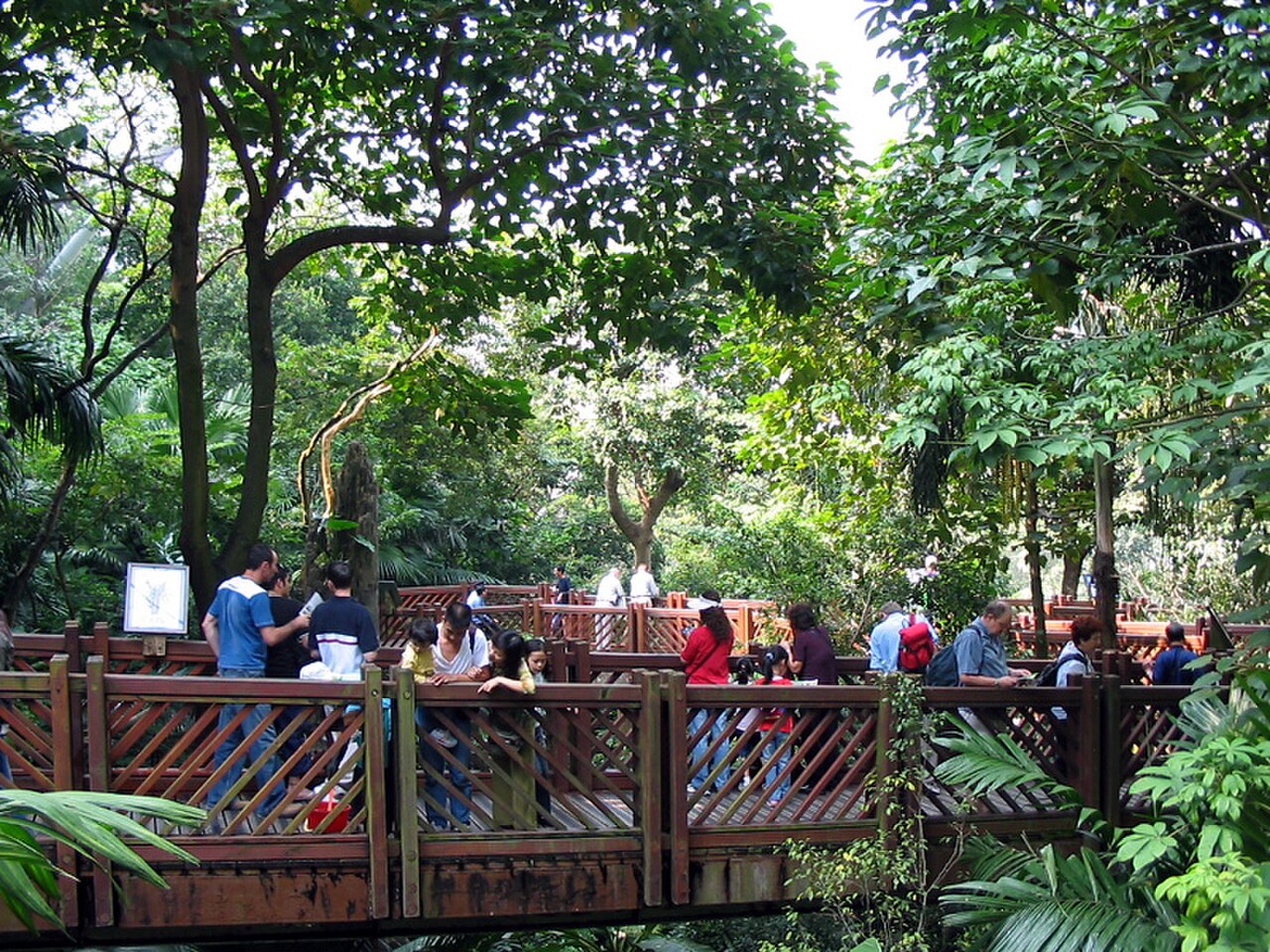
Flagstaff House is surrounded by Hong Kong Park, where visitors can combine the museum’s tea-ware displays with walking through landscaped urban grounds in Central.
Loading the interactive map…
The interactive map could not be loaded.
Last updated:
Source: OpenStreetMap contributors, Wikidata ·