
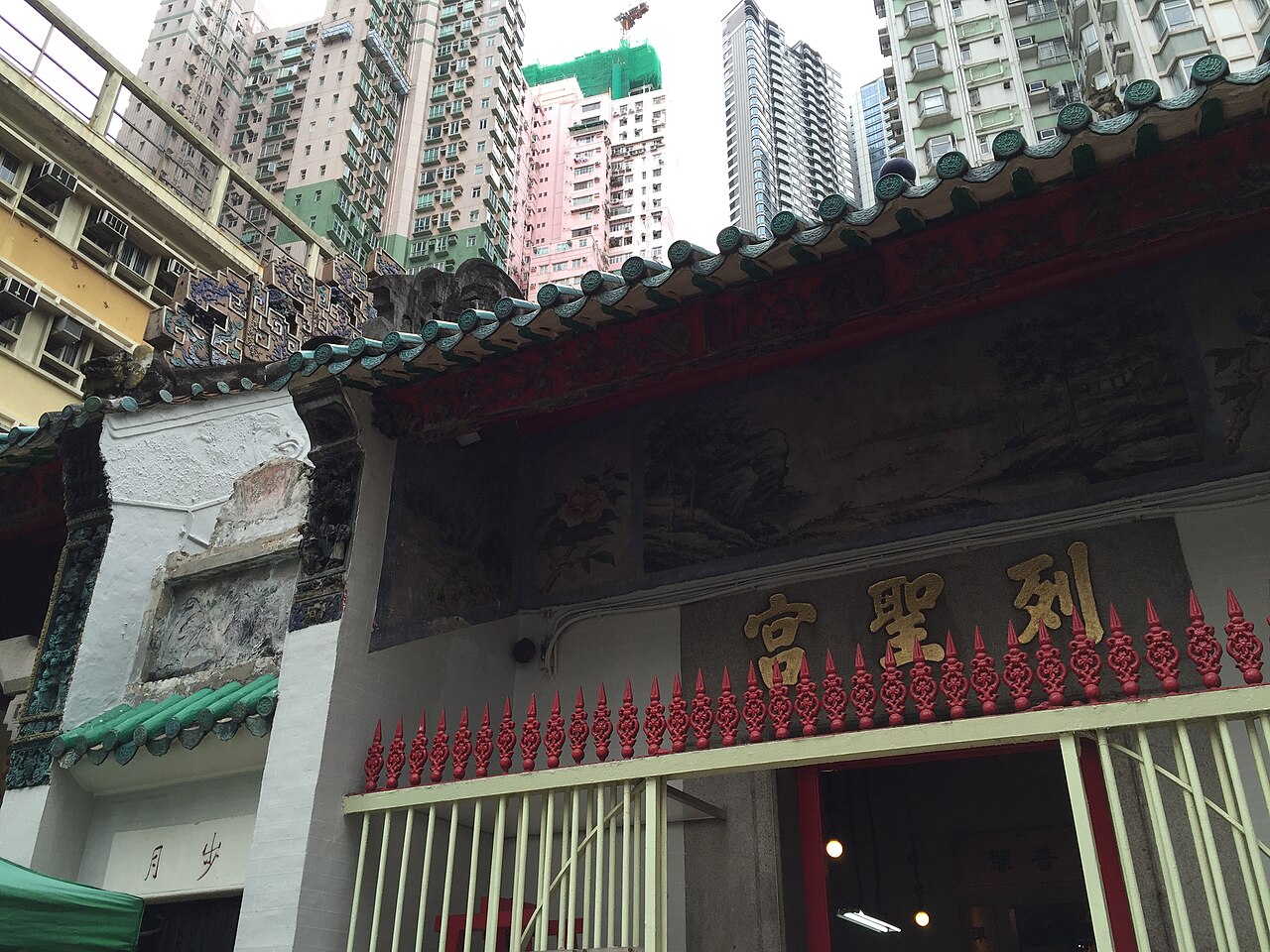
3 min walk · 中西區 Central and Western District
Man Mo temples
- Must see
- Historic monument
Language · 11 published
Museum · 中西區 Central and Western District, Hong Kong
香港醫學博物館 Hong Kong Museum of Medical Sciences
Reviewed by Elena Voss · Roavina Travel Editor
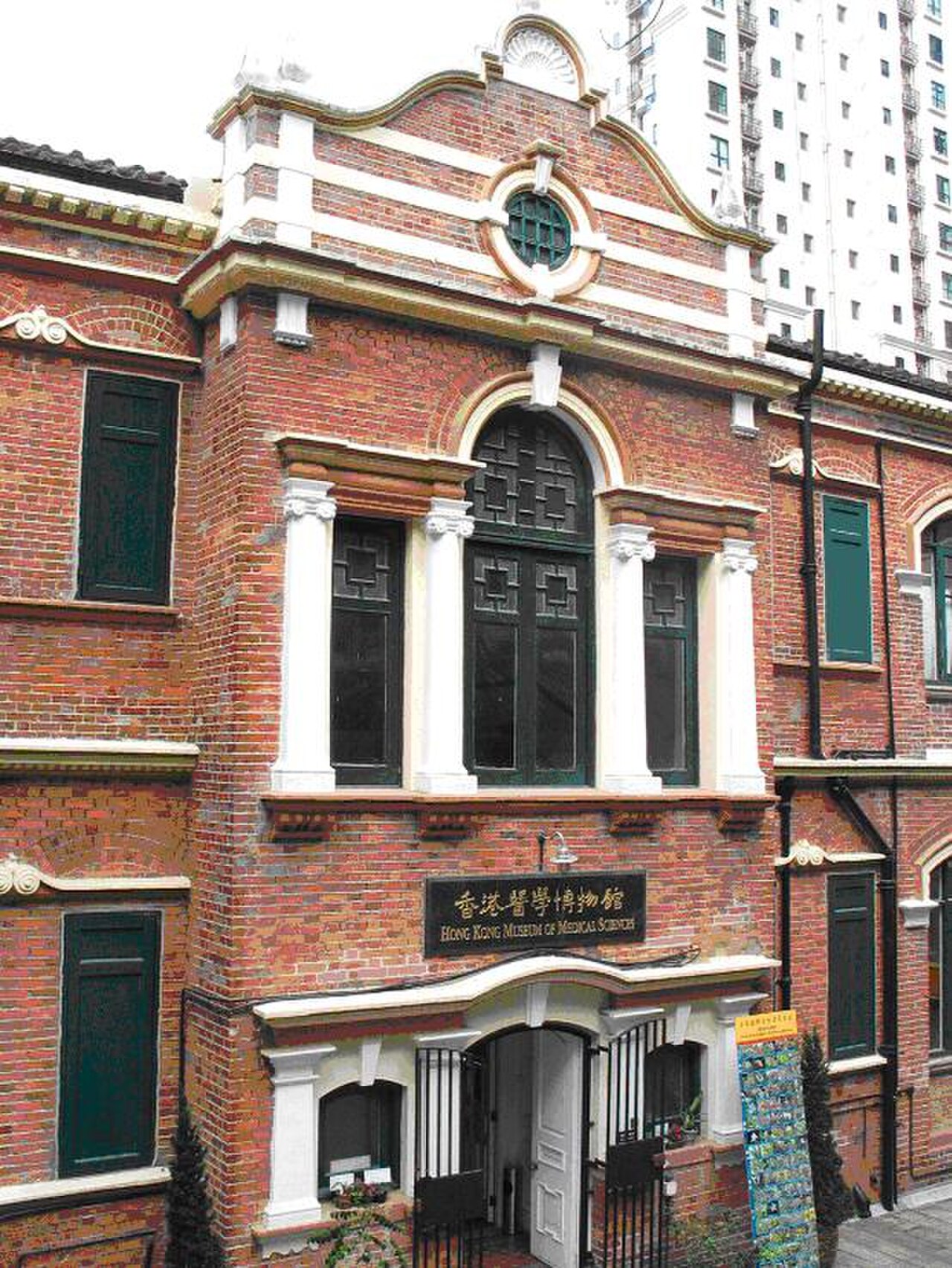
This place is a Museum.
Hong Kong Museum of Medical Sciences presents the history of medical science in Hong Kong inside a historic former bacteriological institute. The museum connects public health, scientific research and the development of healthcare in the territory. Its setting adds architectural interest, while the subject offers a focused way to understand how Hong Kong responded to infectious disease and changing medical knowledge. The Hong Kong Museum of Medical Sciences is a museum dedicated to the history of medical science in Hong Kong. It occupies a historic building that formerly served as a bacteriological institute, established during the colonial era to address public health needs. The institution represents an important chapter in Hong Kong's medical and scientific development, preserving artifacts and knowledge related to the territory's fight against infectious diseases and advancement of healthcare infrastructure over successive generations. A flexible visit lets travellers connect Hong Kong Museum of Medical Sciences with the rest of the day without treating one room, viewpoint or photograph as the whole experience. The useful pace depends on personal interest and conditions on arrival. The museum's focus on medical history and scientific documentation may engage older children with relevant interests, though younger visitors might find the dense textual presentation less accessible. Parental discretion advised based on individual child temperament and curiosity about historical subjects.
Checked 2026-08-26 · Source
Displays cover Hong Kong's medical history, with attention to traditional Chinese medicine and Western medical practice. Historical equipment, documents and educational material show how diagnosis, treatment and public-health work developed. The former institute is part of the experience: its early twentieth-century institutional architecture gives the exhibitions a tangible setting connected to the territory's medical past and responses to plague outbreaks. The museum contains exhibitions tracing Hong Kong's medical history, including displays on traditional Chinese medicine alongside Western medical practices. Collections encompass historical medical equipment, documents, and educational materials. The building itself constitutes a significant heritage structure, reflecting early twentieth-century institutional architecture. Visitors can explore how scientific understanding evolved in response to major public health challenges that shaped the territory, including plague outbreaks that prompted establishment of dedicated research and treatment facilities during the formative period of modern Hong Kong.
Checked 2026-08-26 · Source
Allow about one to two hours for the museum. That gives enough time to read the historical interpretation, examine medical equipment and notice the building's preserved character. A visitor mainly interested in architecture can make a shorter circuit, while anyone drawn to medical history may want the full period. The self-guided format makes it easy to set your own pace. A thorough visit to the Hong Kong Museum of Medical Sciences typically requires approximately one to two hours, depending on individual reading pace and interest in detailed historical documentation. The compact nature of the historic building constrains exhibition space, though information density remains considerable.
Checked 2026-08-26 · Source
The museum works well as a daytime cultural stop on Hong Kong Island, especially when you want an indoor counterpoint to the steep streets of the Mid-Levels. Weekdays may feel calmer than weekends. Indoor galleries suit Hong Kong's hot, humid summers as well as its milder winter weather. Set aside time for the surrounding neighbourhood if you enjoy historic urban walks.
Checked 2026-08-26 · Source
The practical value is in the exhibitions, historic setting and concentrated subject matter. If you are building a full day around Hong Kong Island, pair the museum with nearby heritage streets and temples, leaving enough flexibility for the museum's one-to-two-hour visit.
Checked 2026-08-26 · Source
The museum is in Hong Kong Island's Mid-Levels, where the Central–Mid-Levels escalator and uphill streets shape the approach. Central and Sheung Wan provide practical public-transport starting points, followed by walking. Taxis can bring you close to the district, but the final route may include inclines or steps. Comfortable shoes are useful for combining the museum with nearby streets.
Checked 2026-08-26 · Source
This is a heritage building, so stairs, original floor surfaces and compact rooms form part of the visit. The Mid-Levels approach is also hilly. Read the room guidance before touching displays, and give other visitors space in narrower galleries. Medical documents and historical objects reward a slower look, but the dense information means the experience may suit visitors who enjoy reading as well as viewing.
Checked 2026-08-26 · Source
The museum's strongest photographic subjects are the former institute, its historic details and the displayed equipment. In galleries, follow the rules attached to each exhibition area and avoid disturbing other visitors. A quiet, unhurried approach suits the subject: the value lies in the relationship between medical objects, written history and the preserved building rather than in a single dramatic viewpoint.
Checked 2026-08-26 · Source
It explains Hong Kong's medical and public-health history through exhibitions on traditional Chinese medicine, Western medical practice, historical equipment and documents.
Allow approximately one to two hours, depending on how much time you spend reading the interpretation and examining the collections.
It is in the Mid-Levels area of Hong Kong Island, reached from the Central or Sheung Wan side by an uphill urban walk.
The museum occupies a historic building that formerly served as a bacteriological institute established during the colonial era.
Yes. Its subject includes the public-health challenges and dedicated research and treatment facilities associated with plague outbreaks in Hong Kong.
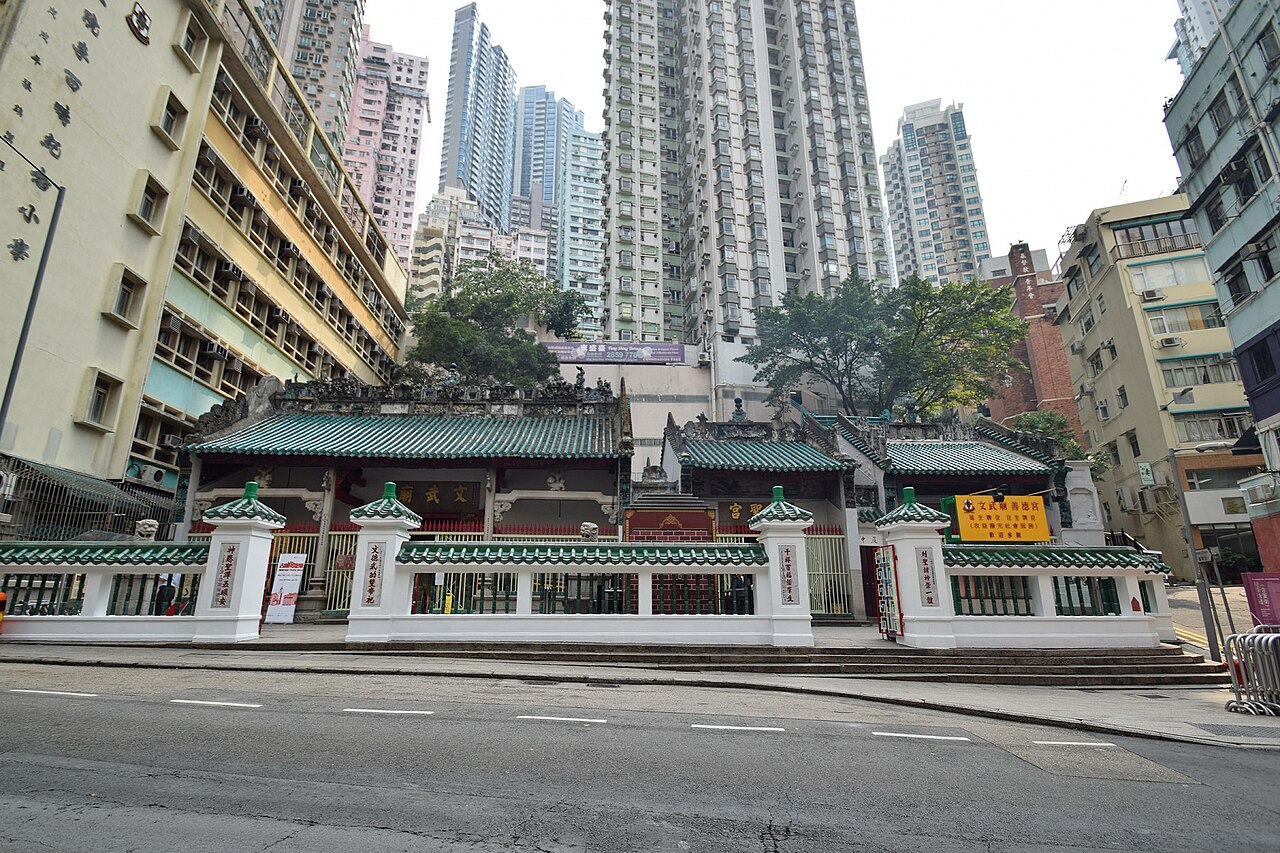
Yes. Its Mid-Levels setting combines naturally with the escalator route, Central and Sheung Wan heritage streets, and Man Mo Temple.
Loading the interactive map…
The interactive map could not be loaded.

Last updated:
Source: OpenStreetMap contributors, Wikidata ·