
1 min walk
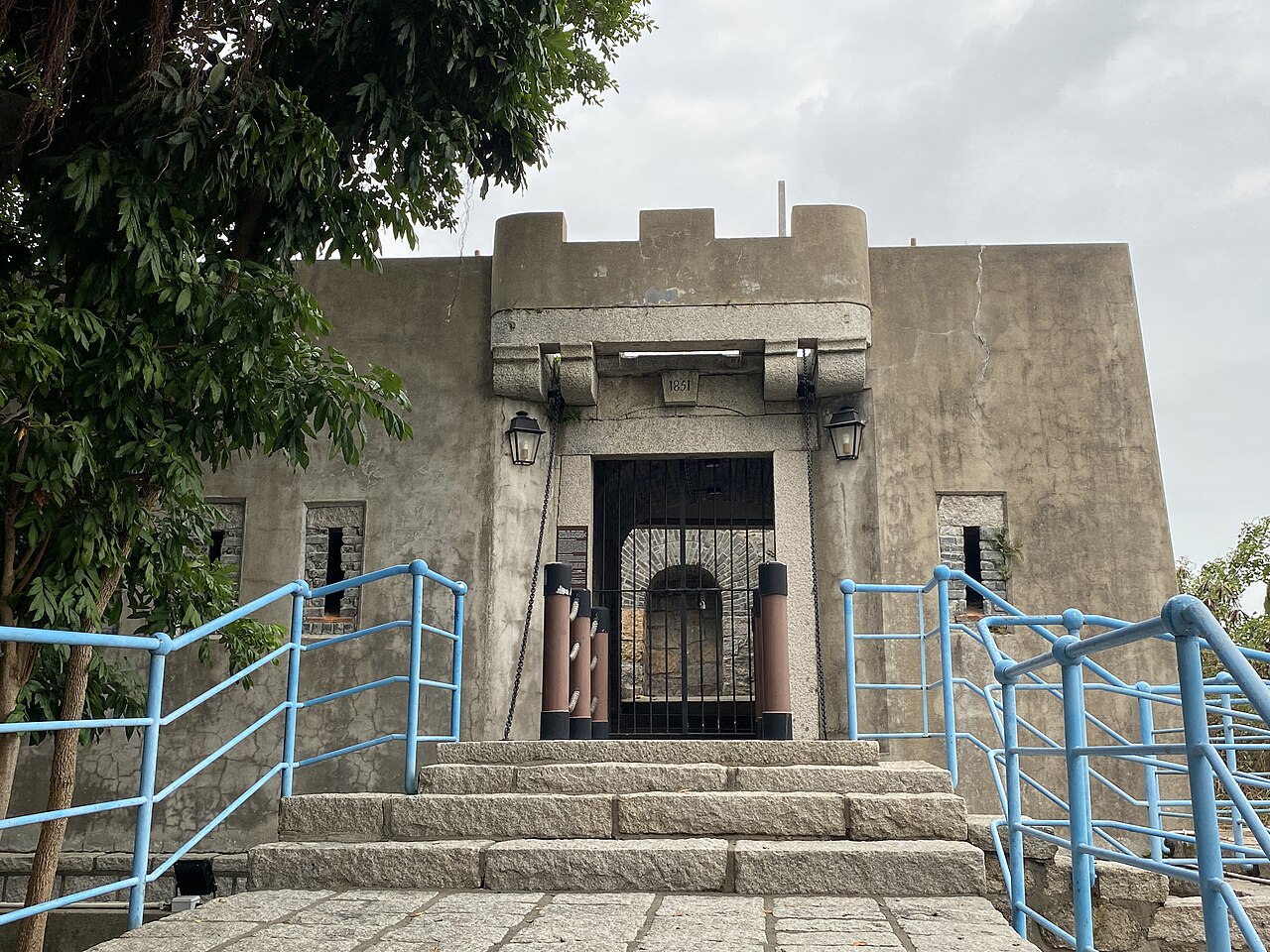
Fort Dona Maria II
- High
- Historic monument
Language · 11 published
Museum · Macau
通訊博物館 Museu das Comunicações
Reviewed by Elena Voss · Roavina Travel Editor
| Monday | 09:00 – 17:30 |
|---|---|
| Tuesday | 09:00 – 17:30 |
| Wednesday | 09:00 – 17:30 |
| Thursday | 09:00 – 17:30 |
| Friday | 09:00 – 17:30 |
| Saturday | 09:00 – 17:30 |
| Sunday | 09:00 – 17:30 |
Checked 2026-08-31 · Source
Read from the OpenStreetMap access tags; anything not listed has no tag recorded.
Set the group type to family in the planner and the day window contracts to about three quarters of a solo day.
This place is a Museum. It opened in 2006.
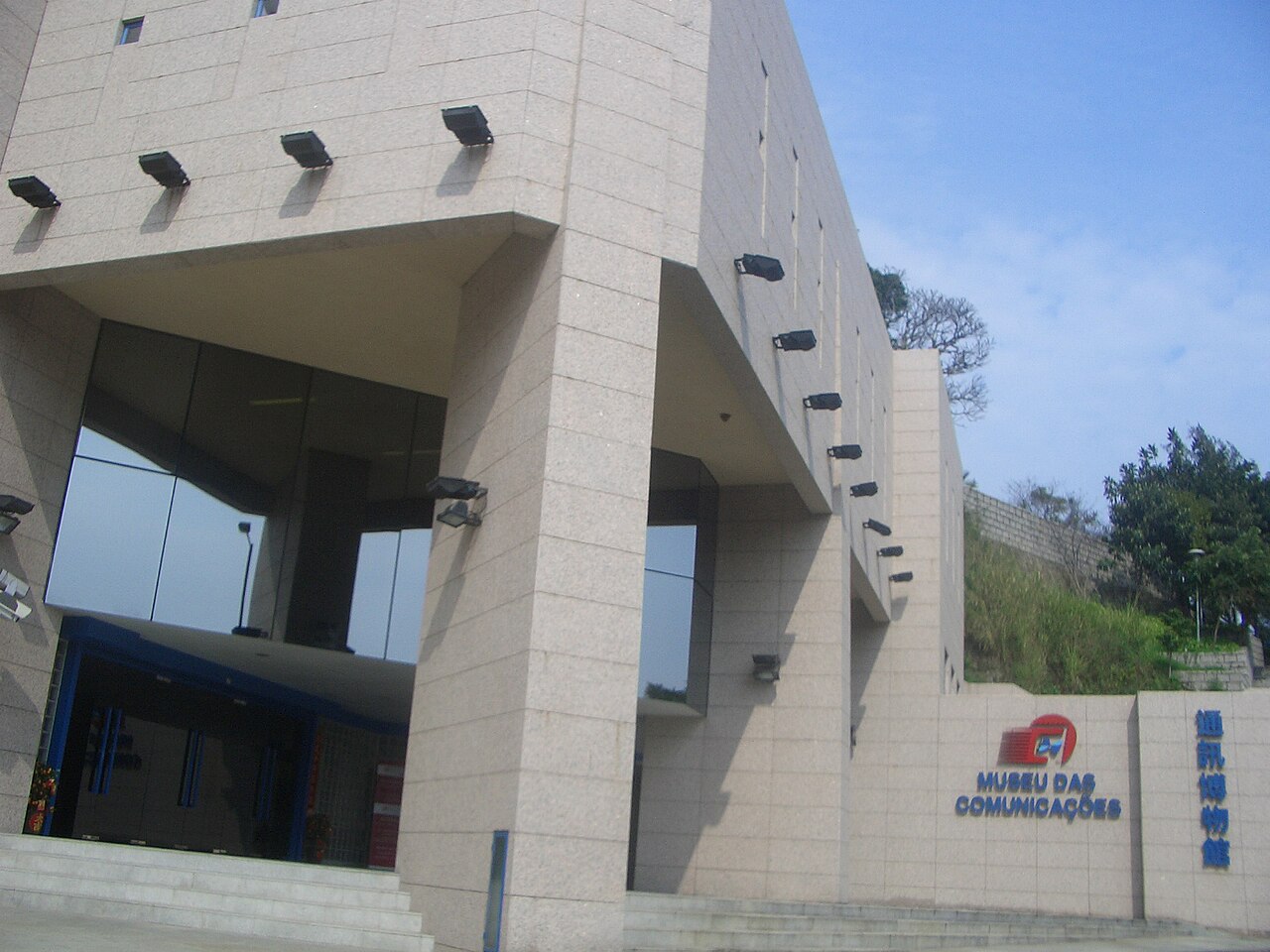
Communications Museum introduces the history and development of communication technology in Macao. Its subject reaches from postal services and telecommunications to broadcasting and the systems that connect people across distance. The museum offers a useful change of pace from Macao’s architectural and religious landmarks, presenting technology as part of everyday social history. Travelers can use the visit to understand how messages, information, and public networks have shaped the territory’s relationship with the wider world. The Communications Museum is a museum in Macau dedicated to the history and development of communications technology. It is listed among visitor attractions by the Macao Government Tourism Office. The museum covers postal services, telecommunications, and broadcasting, reflecting Macau's evolution in these fields. Its local name is 通訊博物館. The facility serves as an educational venue for understanding how communication systems have transformed society and connected Macau to the wider world across different eras.
Checked 2026-08-26 · Source
The collection covers postal history, telephone systems, radio, television, and the development of internet communication. Stamps, documents, equipment, and demonstrations help connect familiar technologies with the infrastructure behind them. Move through the displays as a story of changing speed, scale, and access: messages move from physical delivery toward electronic and digital networks. The museum is most rewarding when you compare older communication tools with the systems that now make contact nearly instantaneous. The museum contains exhibits related to postal history, telephone systems, radio, television, and internet development. Thematic sections probably trace technological progression from traditional mail services to modern digital networks. Educational components may engage visitors with hands-on activities.
Checked 2026-08-26 · Source
Allow about one to two hours for the museum. A shorter visit can cover the main themes, while families and technology enthusiasts may spend longer with equipment, postal material, and demonstrations. Give yourself time to follow the transition from traditional mail to telecommunications, broadcasting, and digital networks. The museum works well as a self-contained indoor stop, but its educational subject also complements a wider Macao itinerary that explores how the city has changed socially and technologically.
Checked 2026-08-26 · Source
Choose the museum when you want an indoor activity during Macao’s hot, humid summer or rainy weather. Weekday mornings can create a calmer setting for reading and experimenting with the displays, while holiday periods may bring more families and visitors. The subject suits a break from outdoor sightseeing because the exhibits offer a chronological and technical journey rather than another view of the historic cityscape. Place it before or after nearby attractions according to the pace of your day.
Checked 2026-08-26 · Source
The museum’s main appeal is its hands-on and historical explanation of communications systems, so plan the visit around curiosity rather than a quick checklist stop. It can suit adults interested in technology as well as children discovering how letters, telephones, radio, television, and digital networks work. Keep enough time to follow the exhibits in sequence and return to demonstrations that need closer attention. The focused subject makes the museum easy to combine with other Macao cultural experiences.
Checked 2026-08-26 · Source
Include the Communications Museum in Macao’s urban sightseeing network, using the territory’s public buses, taxis, and walkable connections between visitor districts. The exact walking experience depends on where your day begins, but Macao’s compact scale makes multi-stop planning practical. Use maps to connect the museum with other attractions rather than making it a distant single-purpose journey. Allow extra time for hot weather outdoors, especially when moving between transport stops and indoor venues.
Checked 2026-08-26 · Source
The museum combines historical objects with technology-focused displays, so the best pace is unhurried enough to read and observe how each system works. Younger visitors may be drawn to demonstrations, while adults may prefer the social history of postal and broadcasting networks. Macao’s official languages are Chinese and Portuguese, and that cultural setting shapes the museum experience. In busy periods, give other visitors room around equipment and follow the layout so demonstrations remain accessible.
Checked 2026-08-26 · Source
Photograph the museum as a visual history of communication: stamps, instruments, telephones, broadcasting equipment, documents, and the changing forms of network technology. Close details can show switches, dials, textures, and typography, while wider images reveal how the displays move from one era to another. Be considerate around interactive equipment and demonstrations. Avoid turning the camera into a barrier for other visitors, and let the objects’ sequence tell the story of technological change.
Checked 2026-08-26 · Source
Its local name is 通訊博物館.
It covers postal services, telephones, radio, television, telecommunications, and internet development.
Plan approximately one to two hours, depending on your interest in the historical equipment and demonstrations.
Its communications equipment and demonstrations can make the history of technology engaging for families and younger visitors.
Compare the speed, size, and everyday use of older postal and broadcast systems with modern digital communication networks.
Yes. It is an indoor, focused museum that can be combined with other cultural and city attractions during the same day.
Loading the interactive map…
The interactive map could not be loaded.

Last updated:
Source: OpenStreetMap contributors, Wikidata ·