
5 min walk
Museum of Macau
- Must see
- Museum
Language · 11 published
Museum · Macau
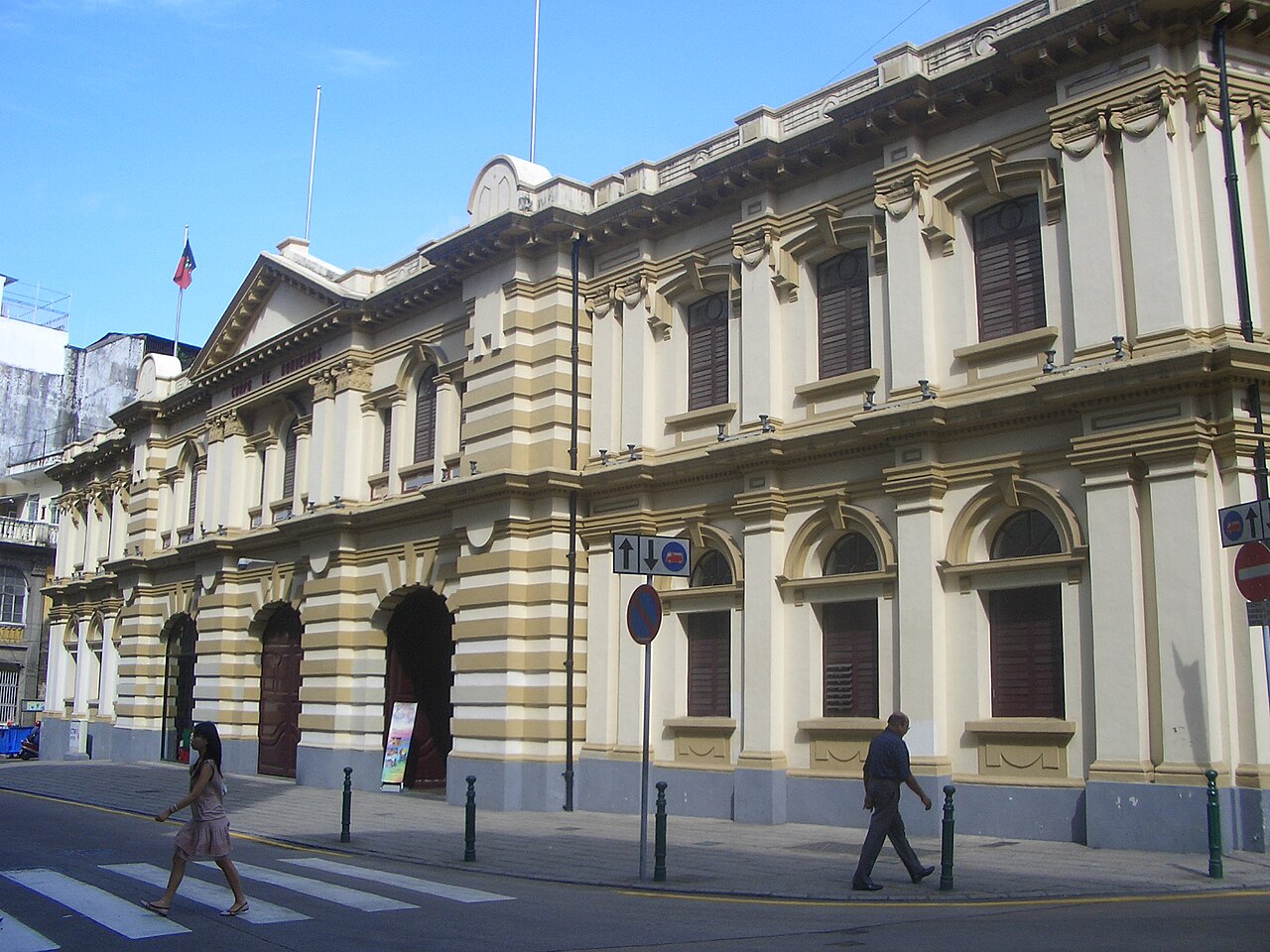
消防博物館 Museu dos Bombeiros
Reviewed by Elena Voss · Roavina Travel Editor
| Monday | 10:00 – 18:00 |
|---|---|
| Tuesday | 10:00 – 18:00 |
| Wednesday | 10:00 – 18:00 |
| Thursday | 10:00 – 18:00 |
| Friday | 10:00 – 18:00 |
| Saturday | 10:00 – 18:00 |
| Sunday | 10:00 – 18:00 |
Checked 2026-08-31 · Source
Read from the OpenStreetMap access tags; anything not listed has no tag recorded.
Set the group type to family in the planner and the day window contracts to about three quarters of a solo day.
This place is a Museum. It opened in 1999.
Fire Services Museum explores the history and development of Macao’s firefighting service. The collection connects emergency work with the changing shape of a dense coastal city, where older urban fabric and modern growth create demanding conditions for fire prevention and response. Travelers interested in public services, engineering, uniforms, vehicles, and local institutional history will find a different perspective on Macao. The museum also adds practical civic context to sightseeing beyond the territory’s famous heritage landmarks. The Fire Services Museum is a specialist museum in Macau dedicated to the history and development of the territory's firefighting services. Macau, a former Portuguese colony, became a UNESCO World Heritage Site in 2005 for its historic centre, though the museum itself is not individually inscribed. The institution preserves equipment, vehicles, and documentation tracing the evolution of fire services in this densely built coastal city, where rapid urban development and heritage preservation create distinctive operational challenges for emergency services. The Historic Centre of Macau is inscribed as UNESCO World Heritage Site 1110. The Fire Services Museum is not individually listed within that inscription, though it may be located within the broader heritage area.
Checked 2026-08-26 · Source
The displays trace the development of firefighting equipment and service culture across different periods. Historical apparatus, vehicles, uniforms, helmets, badges, and insignia help show how the service operated and changed over time. Photographs and documents connect equipment with the wider story of fire prevention and emergency response in Macao. Look closely at the design of the machines and clothing: these practical objects reveal technology, organization, and the everyday demands placed on a public safety service. The museum's collections encompass historical firefighting apparatus, including hand-pumped engines, horse-drawn vehicles, and motorized equipment from different eras.
Checked 2026-08-26 · Source
Plan around thirty minutes to one hour for the museum. The focused subject makes it suitable for a short cultural stop, while visitors fascinated by historic vehicles, mechanical equipment, uniforms, or emergency-service history may need more time. Read the displays as a sequence: early apparatus, institutional identity, changing technology, and the relationship between prevention and response. Its compact scale also makes it easy to combine with other Macao sights during a day of varied museums and neighborhoods.
Checked 2026-08-26 · Source
An indoor museum visit is comfortable during Macao’s hot, humid summers and useful when rain interrupts outdoor plans. The specialist subject generally suits travelers seeking a quieter alternative to the city’s busiest attractions. Weekday mornings can provide a calm setting for reading labels and examining equipment. Include it when your itinerary has room for local institutions and technical history, rather than treating it as a long sightseeing centerpiece. The visit works particularly well between larger heritage or waterfront stops.
Checked 2026-08-26 · Source
Fire Services Museum offers a focused cultural experience centered on public safety, equipment, and Macao’s institutional development. Its value does not depend on spending an entire afternoon: a short visit can add variety to a route dominated by churches, viewpoints, and historic streets. Leave room to examine the vehicles and service artifacts carefully, since their scale and construction are part of the story. The museum suits travelers who enjoy specialist collections with a strong connection to local civic life.
Checked 2026-08-26 · Source
The museum is within Macao’s compact urban network, where public buses and taxis connect visitor districts. Walking can work between nearby stops, although heat and humidity may make short transport rides more comfortable in summer. Build the museum into a route that includes other urban attractions, allowing time for the transition between venues. Because the subject relates to an active public service, keep movement orderly around the building and distinguish visitor spaces from operational areas.
Checked 2026-08-26 · Source
Carry water and protect yourself from the sun when walking between the museum and other stops in Macao’s humid climate. The museum’s connection with firefighting services gives the visit a working civic context, so access around operational areas may be more controlled than at an ordinary gallery. Give equipment, uniforms, and documents careful space. Chinese and Portuguese are central to Macao’s official public life, and the museum’s setting reflects that bilingual heritage.
Checked 2026-08-26 · Source
Historic engines, uniforms, helmets, badges, and apparatus offer strong subjects for detail photography. Use the displays to show scale and construction, but keep equipment clear of personal bags and avoid obstructing other visitors. A wider image can explain how the collection is arranged, while close views reveal the evolution of firefighting technology. Maintain the same restraint around any working-service area: the museum’s value lies in public history, and respectful behavior keeps that setting undisturbed.
Checked 2026-08-26 · Source
It presents the history and development of Macao’s firefighting service through equipment, vehicles, uniforms, photographs, and documents.
Visitors can see historical firefighting apparatus, vehicles, uniforms, helmets, badges, insignia, photographs, and documents.
Allow approximately thirty minutes to one hour, with extra time for close study of vehicles and technical equipment.
Yes. Historic engines, apparatus, and changing equipment make the museum relevant to visitors interested in engineering and technology.
Yes. Macao’s compact urban network makes a short specialist museum visit easy to place between other city stops.
It reveals the civic, technical, and institutional history behind protecting a dense coastal city from fire.
Loading the interactive map…
The interactive map could not be loaded.
Last updated:
Source: OpenStreetMap contributors, Wikidata ·