
2 min walk
Tap Seac Gallery
- Must see
- Art and culture venue
Language · 11 published
Museum · Macau
澳門茶文化館
Reviewed by Elena Voss · Roavina Travel Editor
| Monday | Closed |
|---|---|
| Tuesday | 09:00 – 19:00 |
| Wednesday | 09:00 – 19:00 |
| Thursday | 09:00 – 19:00 |
| Friday | 09:00 – 19:00 |
| Saturday | 09:00 – 19:00 |
| Sunday | 09:00 – 19:00 |
Checked 2026-08-31 · Source
Read from the OpenStreetMap access tags; anything not listed has no tag recorded.
Set the group type to family in the planner and the day window contracts to about three quarters of a solo day.
This place is a Museum. It opened in 2005.
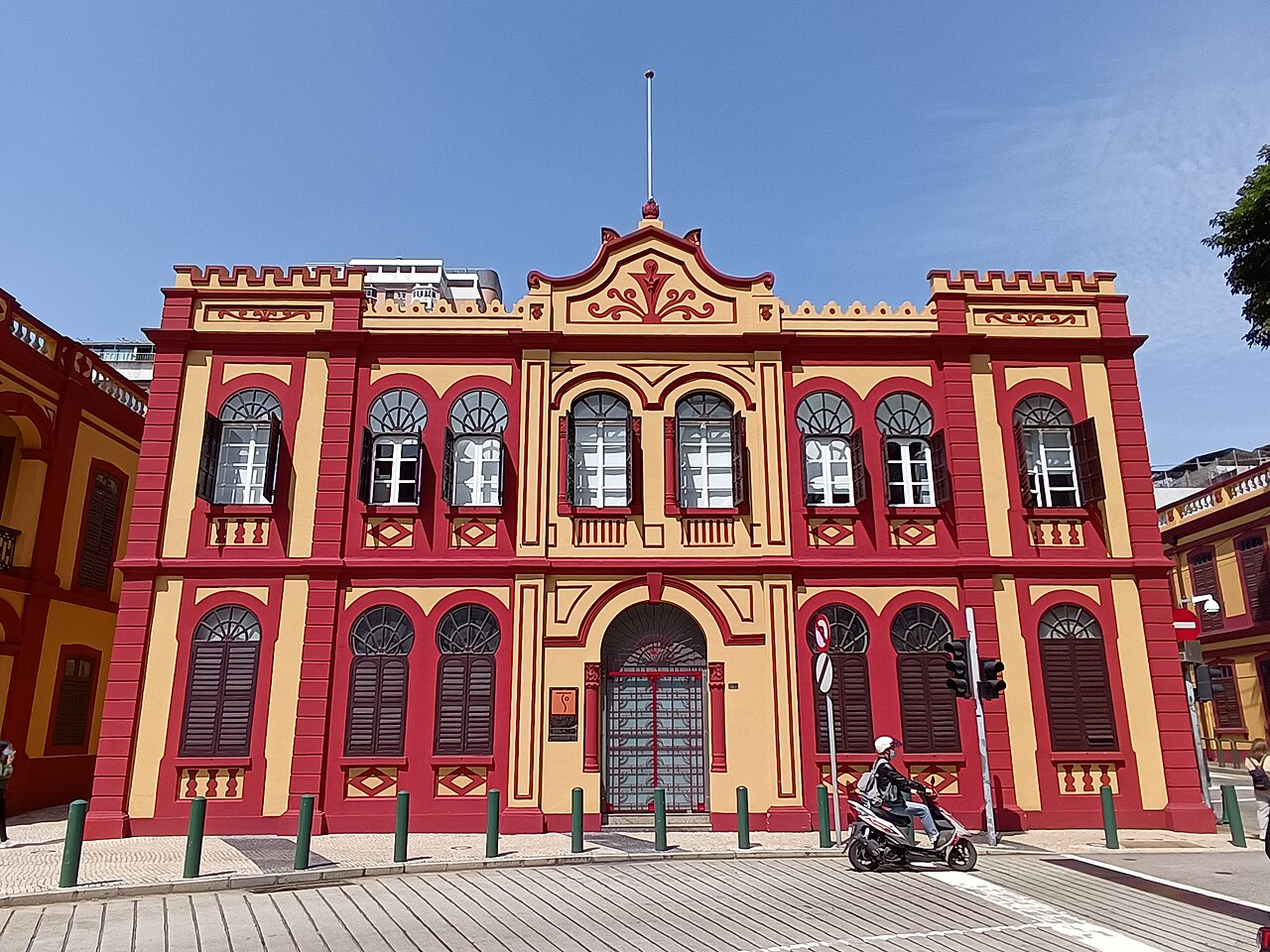
Macao Tea Culture House is a cultural venue devoted to tea heritage in Macao. It stands within the Historic Centre of Macao, the UNESCO-listed urban area inscribed in 2005. The visit suits travellers interested in Chinese tea traditions, regional commerce and the cultural connections that developed through Macao’s long history as a meeting point between Chinese and Portuguese worlds. The Macao Tea Culture House is a cultural institution dedicated to preserving and presenting tea heritage within the Historic Centre of Macao, a UNESCO World Heritage Site inscribed in 2005. The building occupies a distinctive position within this protected urban ensemble, contributing to Macao's layered narrative of East-West cultural exchange. Tea traditions represent a significant thread in Macao's historical commercial and social fabric, reflecting centuries of connection between Chinese tea culture and global trade routes that passed through this Portuguese-influenced territory. Yes, the Macao Tea Culture House is located within the Historic Centre of Macao, which was inscribed on the UNESCO World Heritage List in 2005 under reference number 1110.
Checked 2026-08-26 · Source
The venue presents tea as both a daily practice and a cultural tradition. Visitors can explore themes connected with cultivation, processing, preparation, serving customs and the objects used for tea. Historical tea wares and interpretive displays help place local traditions within wider Chinese tea culture. The museum-style setting works well as a focused cultural stop between walks through Macao’s historic streets. The interior spaces of the Macao Tea Culture House are arranged to facilitate understanding of tea cultivation, processing, and ceremonial practices. The presentation connects local Macao tea customs with broader Chinese tea traditions. Visitors should anticipate a museum-style environment focused on educational engagement rather than commercial tea service, though operational specifics remain unverified.
Checked 2026-08-26 · Source
Allow roughly forty-five minutes to one and a half hours for a thoughtful visit. A shorter stop is enough for travellers who want an introduction to tea heritage, while visitors interested in ceramics, trade or ceremonial practice can spend longer with the displays. Pairing the venue with nearby heritage sites creates an easy half-day walking plan without making the tea museum the only activity. A thorough visit to the Macao Tea Culture House typically requires between forty-five minutes and ninety minutes, depending on individual reading pace and interest depth in tea history. The compact scale of Macao's heritage institutions suggests manageable exhibition scope. Visitors with specialized interest in ceramics, trade history, or ceremonial practices may extend their stay. Integration with adjacent UNESCO World Heritage precinct walking routes allows flexible scheduling.
Checked 2026-08-26 · Source
Choose this indoor cultural stop when you want a quieter interval during a heritage walk or relief from Macao’s heat and humidity. Morning can feel more comfortable for combining the venue with several nearby landmarks on foot. Winter brings milder outdoor conditions, while summer calls for water and sun protection between stops. Public holidays and cultural programming can change the rhythm of a visit. Visitors should verify current opening schedules through official Macao tourism channels or direct institutional contact before planning visits.
Checked 2026-08-26 · Source
The practical cost of visiting depends on the venue’s current admission arrangement and any special programme connected with the displays. Treat the Tea Culture House as a cultural museum stop rather than a guaranteed tea-tasting purchase. Keep Macanese patacas available for nearby refreshments and transport. Its strongest value is the chance to understand tea within Macao’s wider historic and commercial landscape.
Checked 2026-08-26 · Source
The Tea Culture House is in the dense historic core of Macao Peninsula, where walking is practical for moving between heritage attractions. Public buses serve the peninsula, while taxis can bring visitors close to the district before a short walk through narrower streets. Plan the venue as one stop within a pedestrian route rather than as an isolated destination requiring a long transfer.
Checked 2026-08-26 · Source
Historic lanes around the venue may include uneven paving, steps and changing surface levels, so comfortable shoes are useful. Macao’s subtropical weather can make outdoor walking tiring, especially in summer. Read the venue’s signs before touching objects or photographing displays. Chinese and Portuguese are important local languages, and English may supplement interpretation in tourism settings.
Checked 2026-08-26 · Source
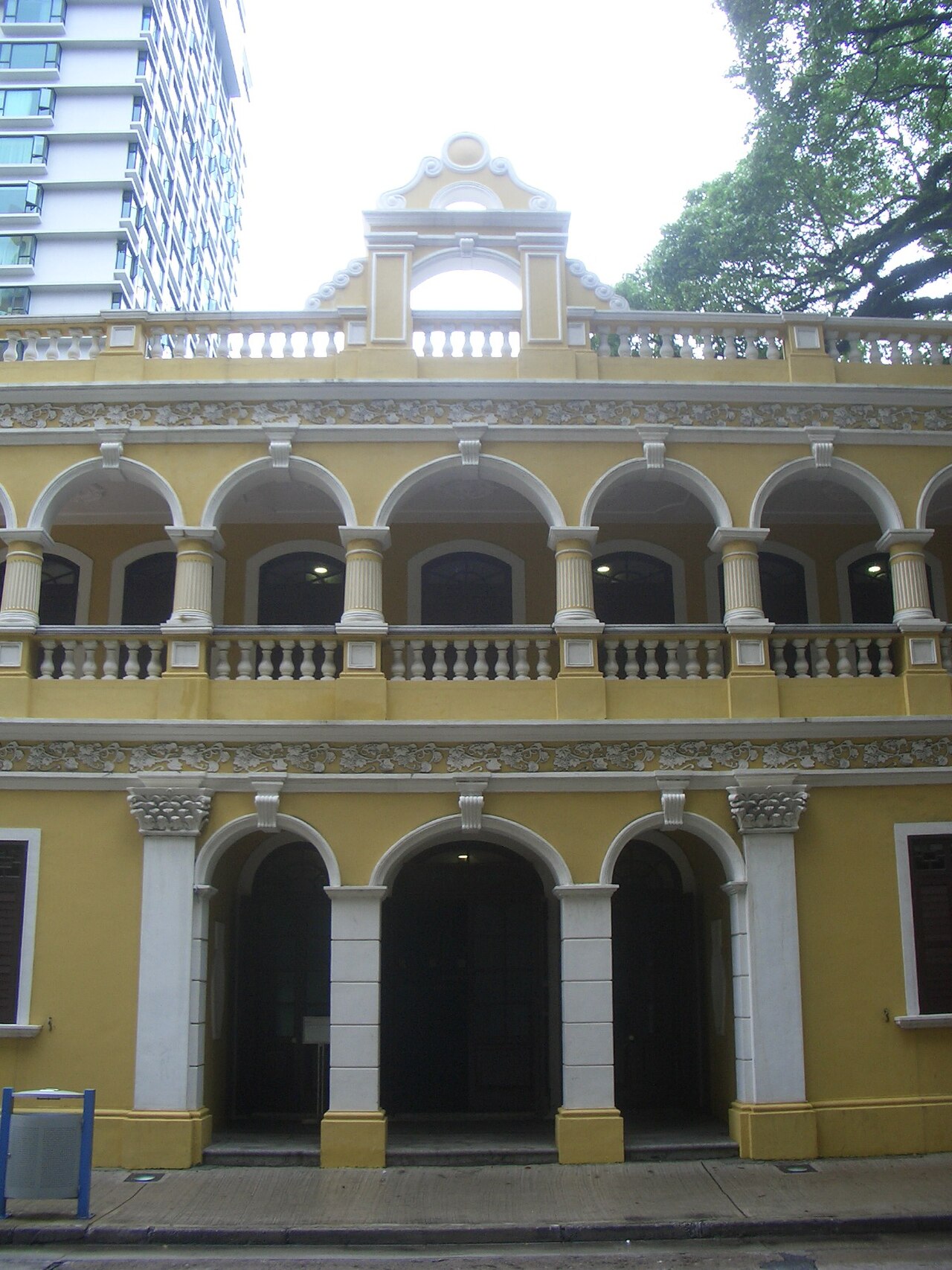
The surrounding historic streets and the building exterior provide subjects for personal travel photography. Inside, follow the signs and staff directions for display-by-display rules, including any limits on flash, tripods or commercial equipment. Photograph quietly and leave space for other visitors. The most rewarding images may combine tea-related details with the protected streetscape of Macao’s historic centre.
Checked 2026-08-26 · Source
It is in Macao Peninsula’s Historic Centre, a UNESCO World Heritage area inscribed in 2005.
It focuses on tea heritage, including cultivation, preparation, serving customs, objects and the place of tea in Chinese cultural life.
Plan about forty-five minutes to one and a half hours, with extra time for detailed interest in tea wares, trade or ceremony.
Yes. Its location in Macao’s compact historic core makes it suitable for combining with nearby heritage landmarks on foot.
Wear comfortable shoes for historic streets with uneven paving, and carry water when walking outdoors in Macao’s hot, humid weather.
Exterior photography suits the historic setting; inside, follow posted rules and staff directions about flash, tripods and display restrictions.
Loading the interactive map…
The interactive map could not be loaded.
Last updated:
Source: OpenStreetMap contributors, Wikidata ·