


.jpg)

4 min walk
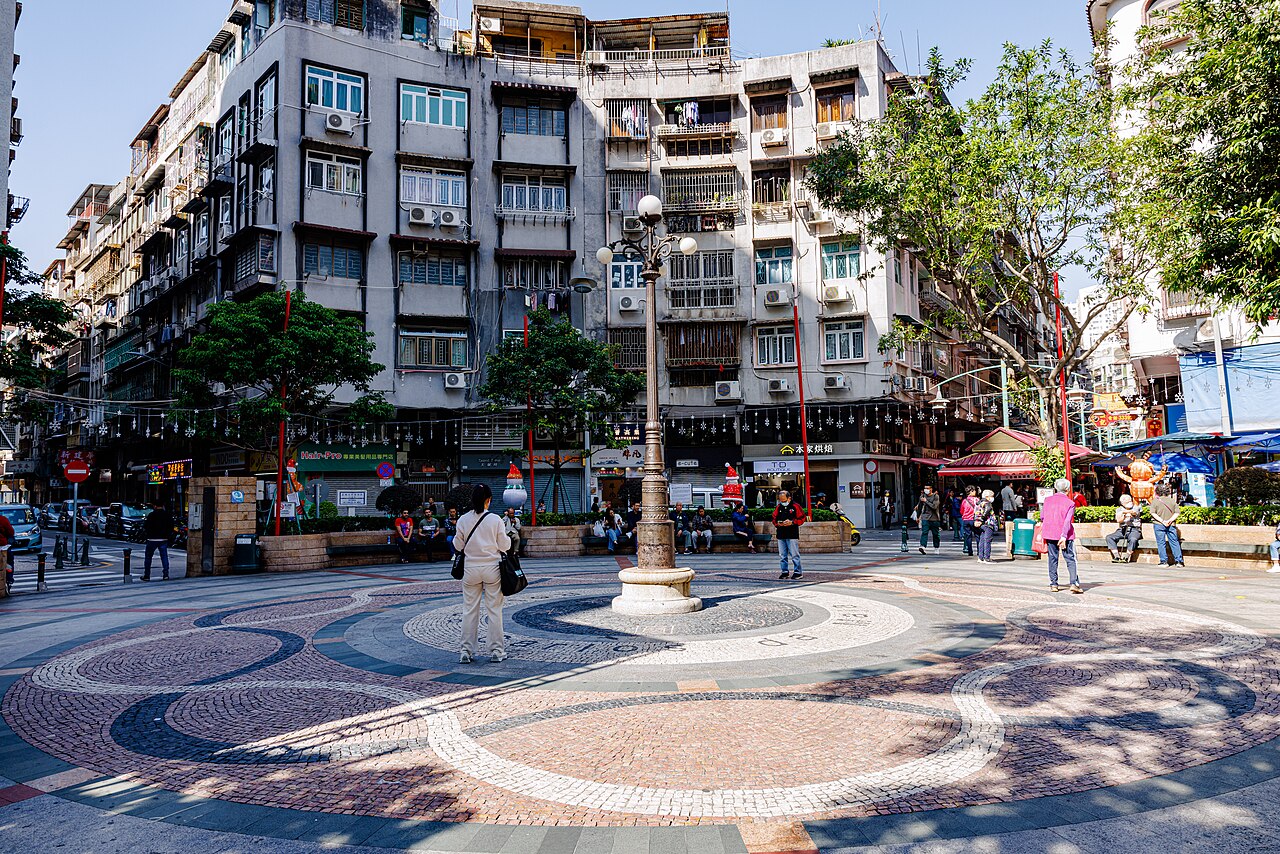
Rotunda de Carlos da Maia
- High
- Nature site
Language · 11 published
Market · Macau
紅街市 Mercado Municipal Almirante Lacerda
Reviewed by Elena Voss · Roavina Travel Editor
| Monday | 07:30 – 19:30 |
|---|---|
| Tuesday | 07:30 – 19:30 |
| Wednesday | 07:30 – 19:30 |
| Thursday | 07:30 – 19:30 |
| Friday | 07:30 – 19:30 |
| Saturday | 07:30 – 19:30 |
| Sunday | 07:30 – 19:30 |
Parsed from OpenStreetMap opening hours on 2026-09-09.
This place is a Marketplace. It was established in 1936. It carries the Heritage of Portuguese Influence heritage designation.
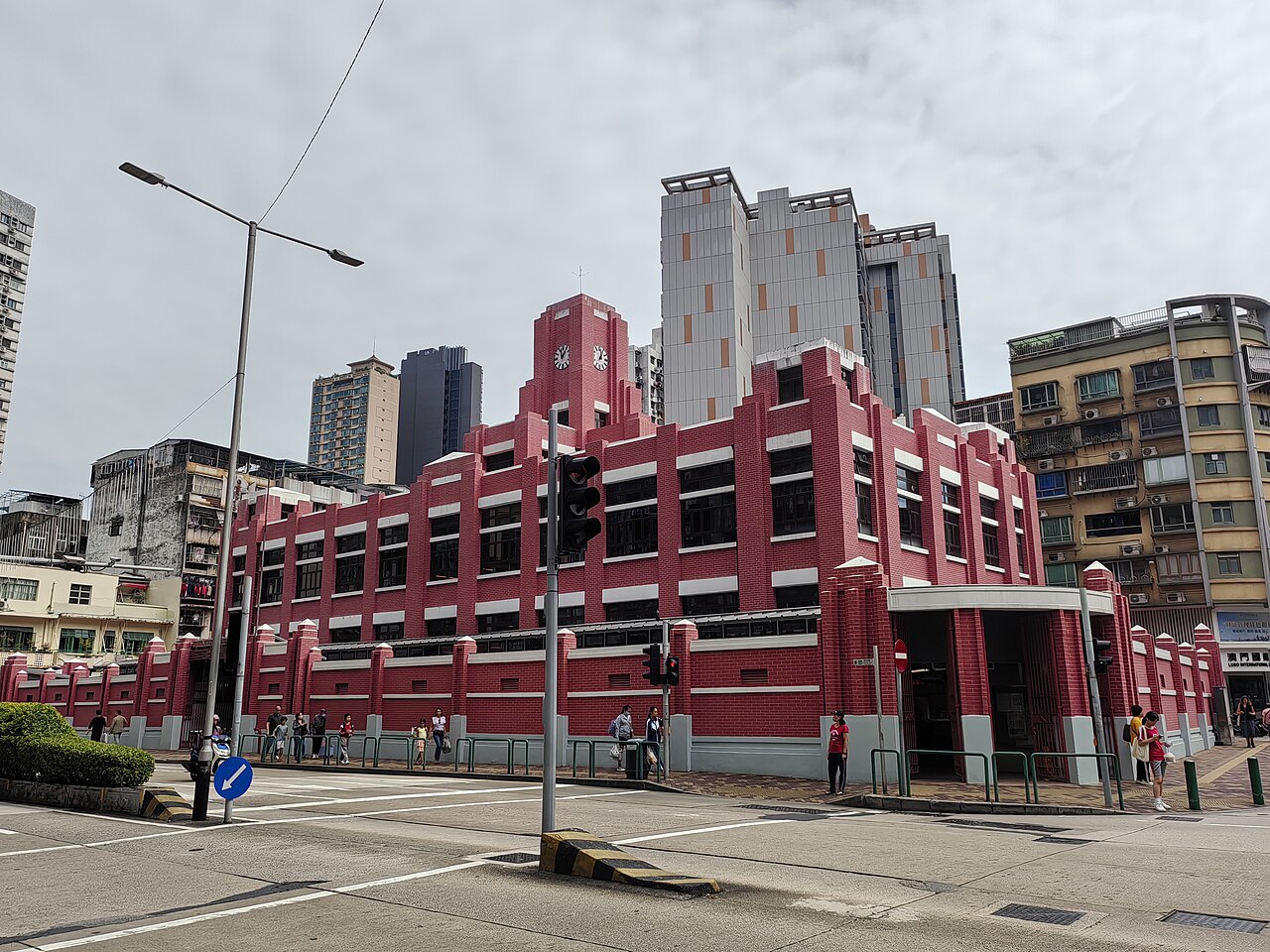
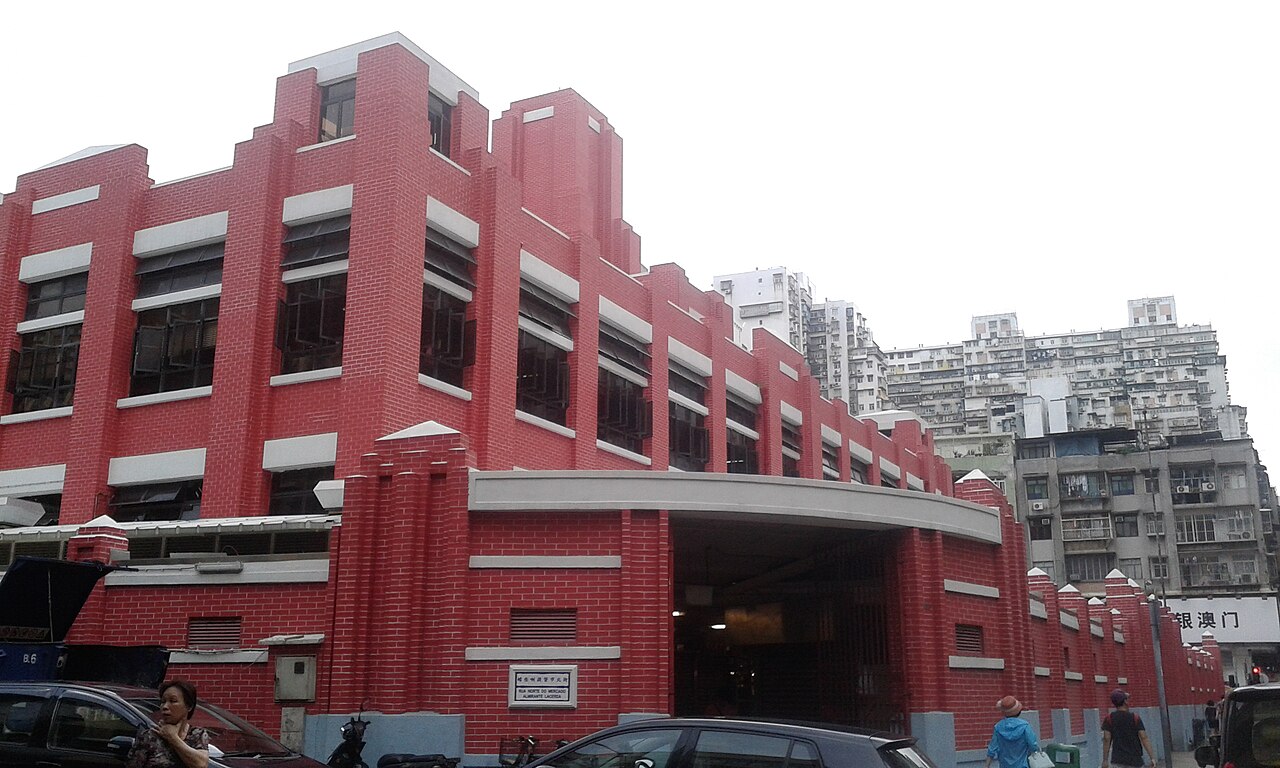
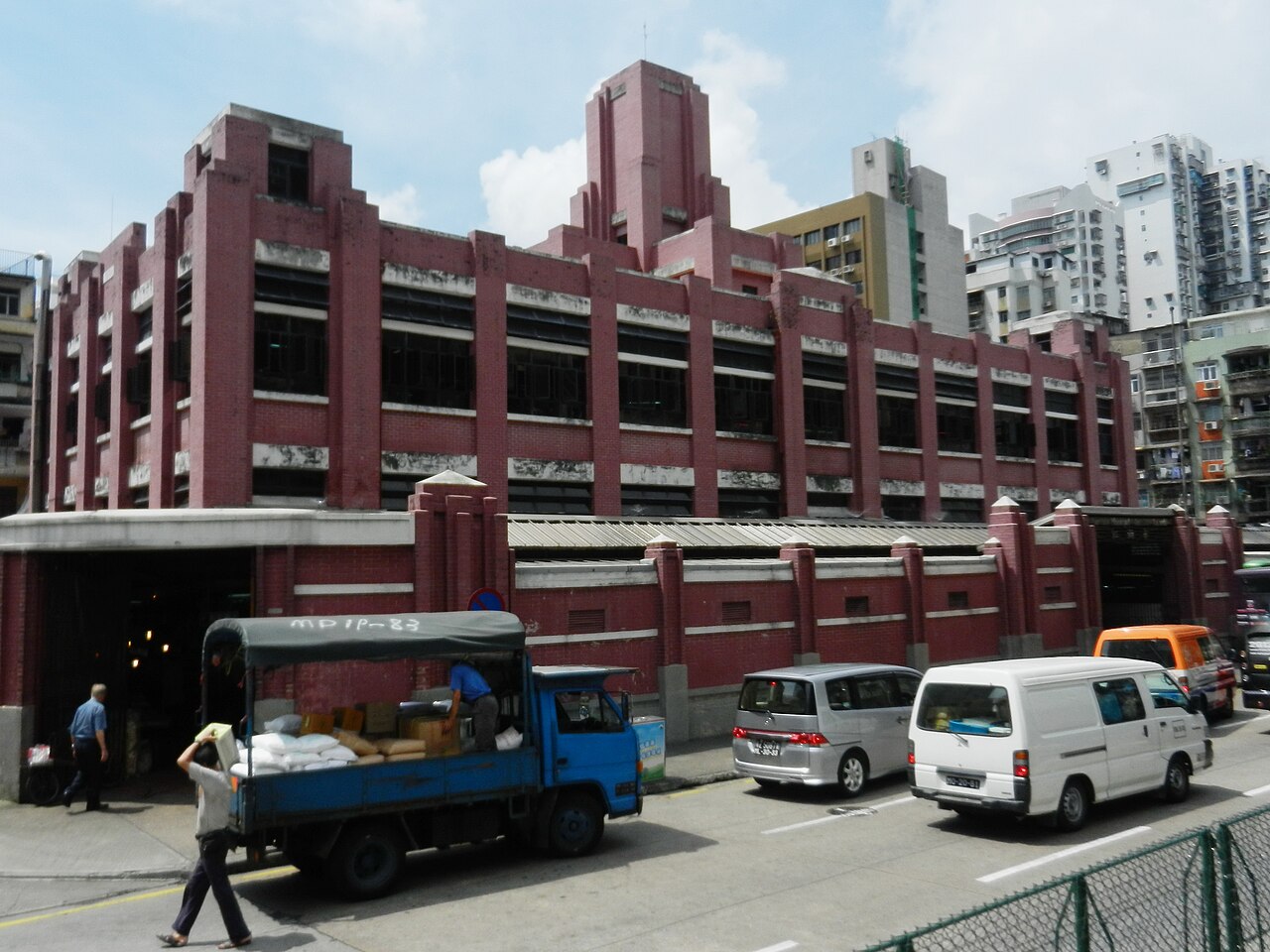
Red Market, or 紅街市, is a functioning wet market in Macau housed in a distinctive red-brick building. It is both an everyday shopping place and an architectural landmark, bringing visitors close to local commerce rather than a staged heritage display. The market is especially rewarding for travellers interested in food culture, urban life and Macau’s Portuguese-influenced streetscape. The Red Market, known locally as 紅街市, is a historic wet market building in Macau. Its distinctive red-brick colonial architecture makes it a notable landmark in the city. The structure reflects Macau's Portuguese heritage and serves as a functioning public market. It stands as one of the recognizable visitor places in Macau's urban landscape, representing the intersection of daily local life and historical architecture that characterizes much of the territory's built environment. The Red Market remains a functioning wet market serving local residents. While its architecture attracts visitor interest, commerce rather than tourism constitutes its primary purpose.
Checked 2026-08-26 · Source
Stalls sell fresh produce, meat, seafood and other daily goods across the market’s levels. Wet goods are associated with the lower trading areas, while other household shopping continues above. The building’s drainage, ventilation and practical stall layout belong to a working market environment. Look for the rhythm of buying, weighing, carrying and preparing food that serves local households every day. The Red Market contains multiple stalls selling fresh produce, meat, seafood, and other daily goods typical of a traditional wet market. Vendors operate on different floors, with wet goods generally located on the ground level and dry goods above. The interior preserves functional market infrastructure including drainage systems, ventilation, and stall arrangements. Visitors can observe local commerce practices and the range of products that sustain Macau households. The market atmosphere reflects authentic local culture rather than tourist-oriented retail.
Checked 2026-08-26 · Source
Set aside thirty minutes to one hour for a first visit. That is enough to walk through the principal areas, appreciate the red-brick exterior and observe the trading activity. Spend longer if you want to browse products, make purchases or photograph architectural details from several angles. Morning visits feel liveliest because the market is built around daily shopping. A visit to the Red Market typically requires between thirty minutes and one hour for casual observation. Those interested in photography or detailed examination of market operations may extend their stay accordingly. The duration depends on individual interest in market environments and whether visitors intend to make purchases. Morning hours coincide with peak trading activity, offering the most dynamic experience. The compact building layout allows efficient circulation without extensive time commitment for most visitors.
Checked 2026-08-26 · Source
Morning is the strongest time to experience Red Market as a working place, when vendors are active and shoppers are buying fresh goods. Later in the day can be quieter, but the market atmosphere may be less intense. The indoor setting makes weather less important inside, although wet streets and delivery activity around the building can affect the surrounding approach.
Checked 2026-08-26 · Source
Red Market is a public commercial building, so the visit is about entering the market and browsing its stalls rather than passing through a ticketed attraction. Any spending comes from goods you choose to buy. Bring a practical payment method for purchases and leave room in your itinerary for the market’s compact layout, which makes it easy to combine with nearby Macau Peninsula streets.
Checked 2026-08-26 · Source
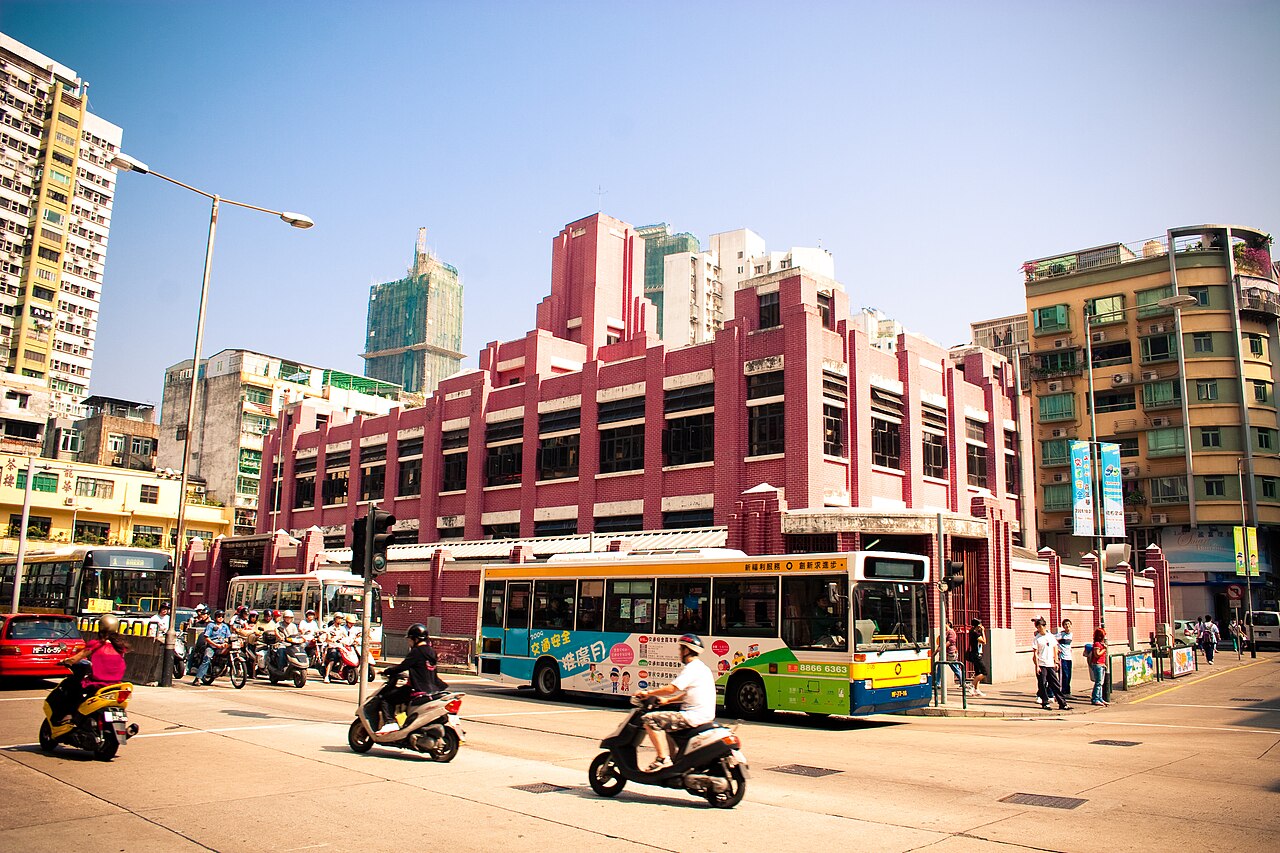
The market stands within Macau Peninsula’s urban fabric and is practical to reach by city bus, taxi or on foot from nearby central and northern districts. Its red exterior makes the building easy to recognize from the surrounding streets. If you are walking a heritage route, treat Red Market as a local-life stop that broadens the day beyond monumental squares and churches.
Checked 2026-08-26 · Source
The floors can be wet or slippery, particularly around seafood and meat stalls, so wear shoes with secure footing. Expect strong food smells, narrow circulation and active shoppers carrying goods. Early morning may include deliveries around the building. Keep bags close, do not obstruct vendors and give customers space. Ask before photographing people, products at close range or individual stalls.
Checked 2026-08-26 · Source
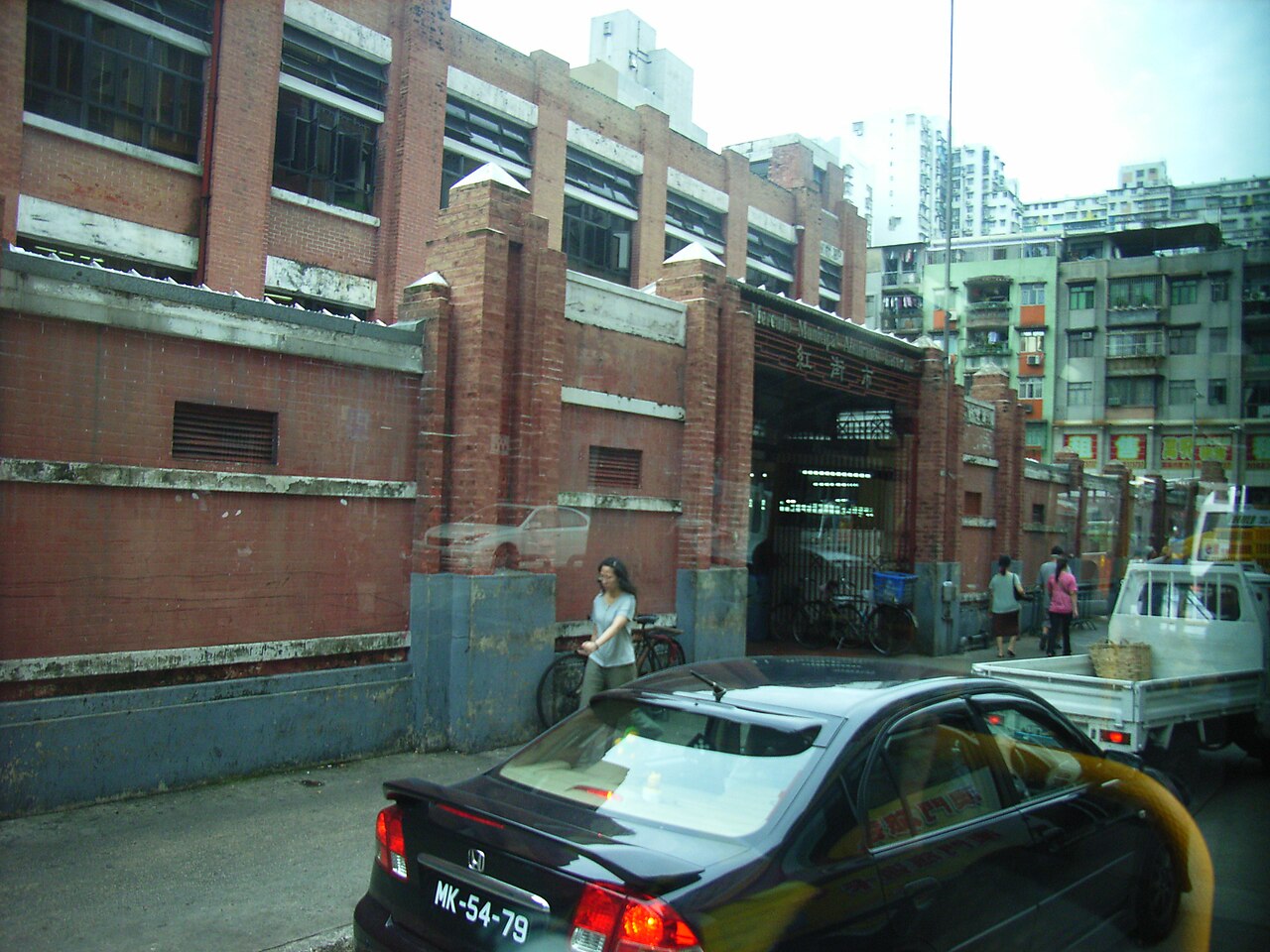
The red-brick façade is the market’s clearest architectural subject, especially when framed with the surrounding Macau streets. Inside, layers of stalls, produce and signs create strong documentary scenes, but the market remains a workplace. Use quiet, non-intrusive equipment, avoid flash and ask vendors before making close-up images. Photographing activity respectfully will give you a more honest record than treating shoppers as background decoration.
Checked 2026-08-26 · Source
Yes. Red Market continues to serve local residents with fresh produce, meat, seafood and other daily goods. Its architecture attracts visitors, but everyday commerce remains its main purpose.
Yes. Visitors can purchase goods from individual vendors, although the selection is intended for ordinary household shopping rather than dedicated souvenir retail.
The market sells fresh produce, meat, seafood and other daily goods, with different types of merchandise arranged across its trading areas.
Its distinctive red-brick construction makes it a recognizable example of Macau’s Portuguese-influenced urban architecture while housing an active public market.
Morning is generally the liveliest period because local shopping and fresh-goods trading are active. Later visits may offer a quieter experience with less trading intensity.
Most travellers need thirty minutes to one hour for the main market areas, exterior architecture and a brief look at local commerce. Shopping or photography can extend the visit.
Loading the interactive map…
The interactive map could not be loaded.
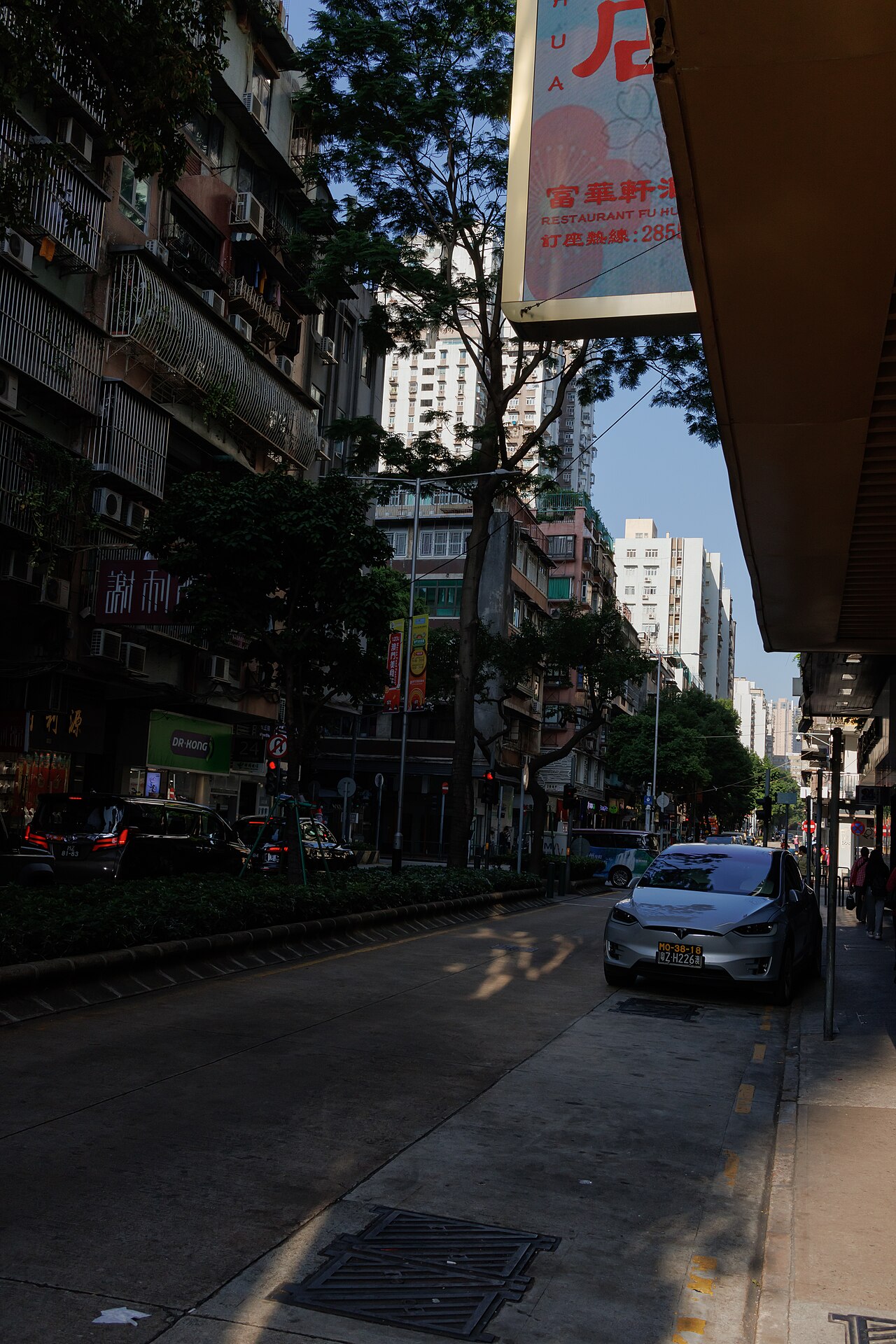

Last updated:
Source: OpenStreetMap contributors, Wikidata ·