83 min walk
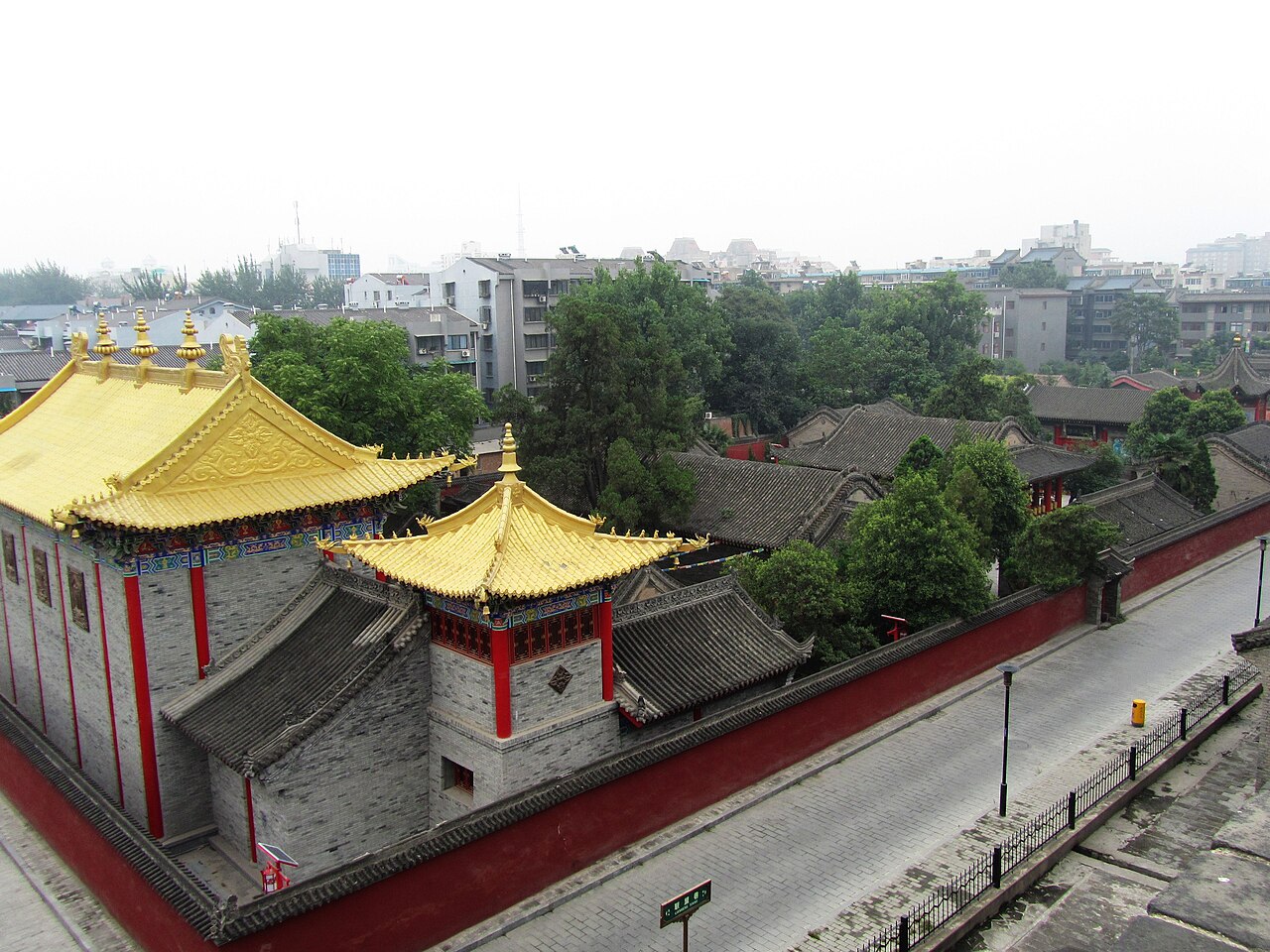
Guangren Temple
- Must see · Heritage site
- Place of worship
Historic site · Xi'an
汉长安城未央宫国家考古遗址公园
Weiyang Palace was the principal imperial palace of the Western Han dynasty in Chang'an, today's Xi'an. Emperor Gaozu of Han ordered its construction in 200 BC under the supervision of chancellor Xiao He. With audience halls, government offices, residential quarters, gardens and ritual spaces, it was the political centre of the Western Han empire, and its walled compound of about 4.8 square kilometres made it one of the largest palace complexes known from ancient China. Its name is usually rendered as "endless". In 2014 the site was inscribed as part of the UNESCO World Heritage Site Silk Roads: the Routes Network of Chang'an-Tianshan Corridor.
Checked 2026-11-10 · Source
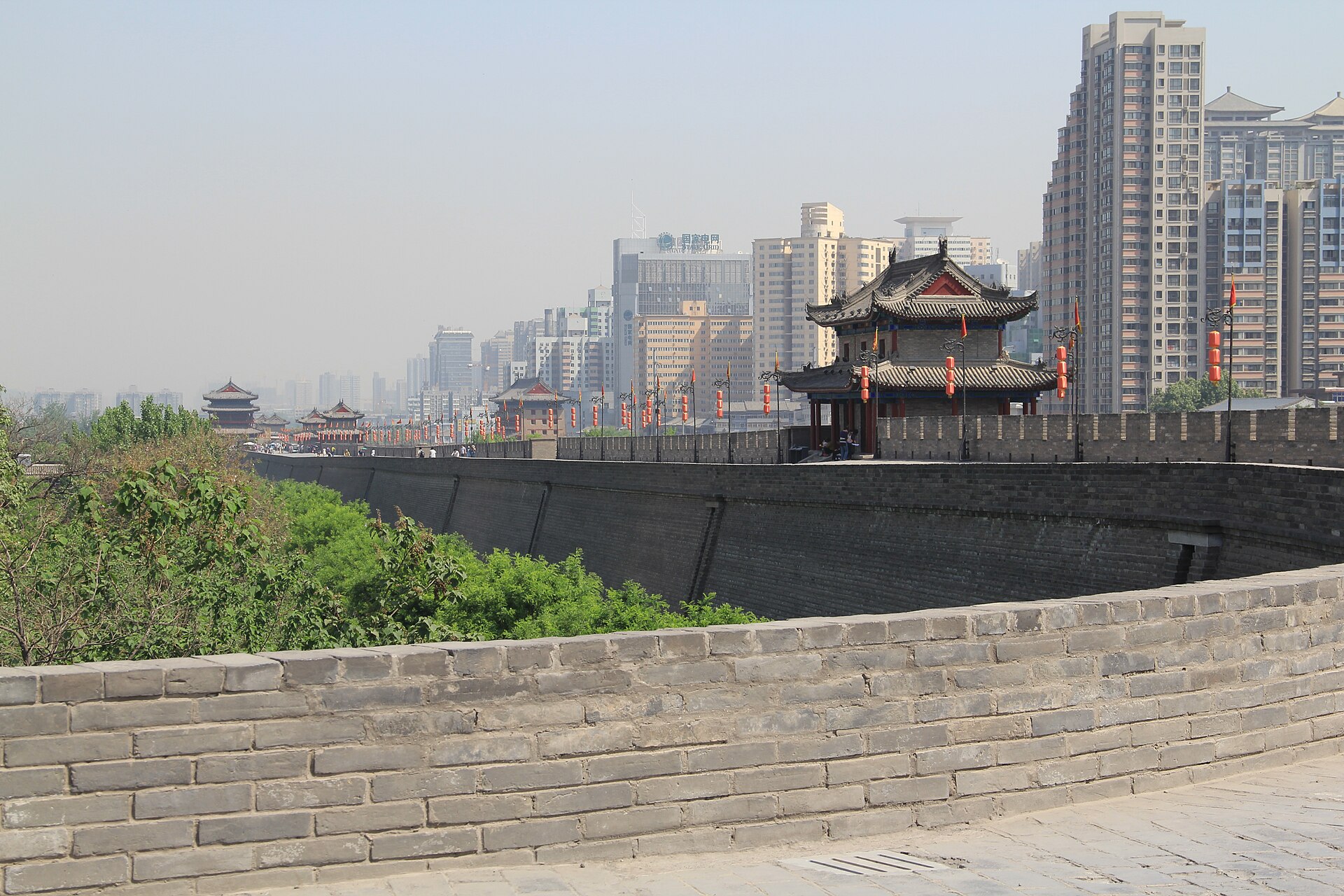
What survives today is mainly rammed-earth foundations, including the remains of the Front Hall, government offices, gates and palace walls. The site is protected within the Han Chang'an City archaeological park, where visitors can see the palace platforms and how Weiyang Palace related to the wider Han capital. The walled compound was rectangular, about 2,150 metres east to west and 2,250 metres north to south, with one main gate on each side; the eastern and northern gates, facing the city, had gate towers.
Checked 2026-11-10 · Source
Emperor Gaozu of Han ordered its construction in 200 BC.
Mainly rammed-earth foundations, including the remains of the Front Hall, government offices, gates and palace walls.
Yes. Since 2014 it has been part of the UNESCO Silk Roads: Chang'an-Tianshan Corridor World Heritage Site.
Loading the interactive map…
The interactive map could not be loaded.
Last updated:
Source: OpenStreetMap contributors, Wikidata ·