
16 min walk
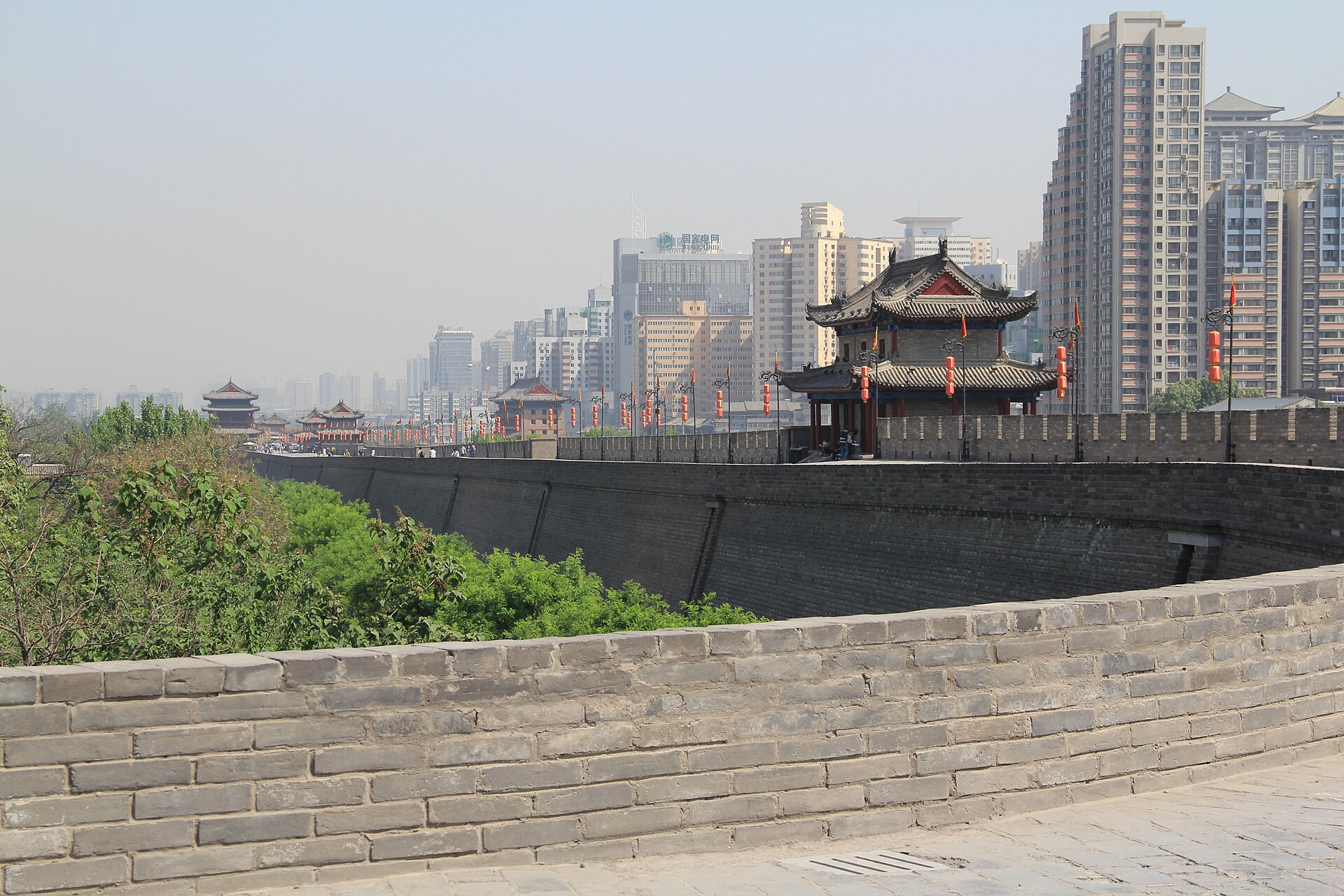
Xi'an City Wall
- Must see
- Historic monument
Language · 11 published
Place of worship · Xi'an
广仁寺
Reviewed by Elena Voss · Roavina Travel Editor
| Monday | 08:00 – 17:00 |
|---|---|
| Tuesday | 08:00 – 17:00 |
| Wednesday | 08:00 – 17:00 |
| Thursday | 08:00 – 17:00 |
| Friday | 08:00 – 17:00 |
| Saturday | 08:00 – 17:00 |
| Sunday | 08:00 – 17:00 |
Checked 2026-08-31 · Source
Read from the OpenStreetMap access tags; anything not listed has no tag recorded.
Set the group type to family in the planner and the day window contracts to about three quarters of a solo day.
It was established in 1705. It was built in the Chinese architecture style. It carries the National Key Buddhist Temples in Han Chinese Area heritage designation.
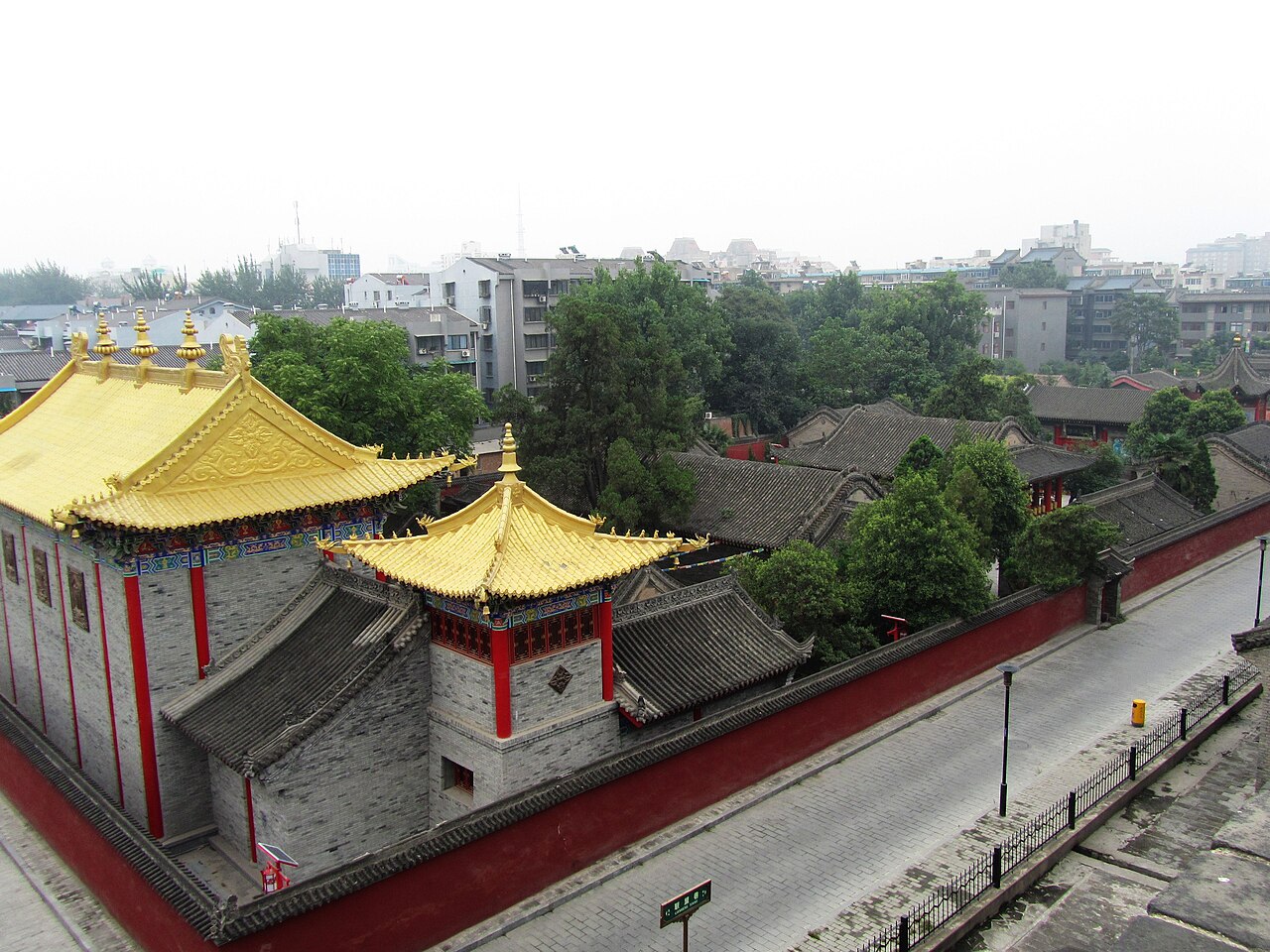
Guangren Temple, or 广仁寺, is a Tibetan Buddhist temple in Xi’an. It adds a distinct religious and cultural dimension to a city often introduced through imperial history and Han Chinese heritage. The temple reflects the movement of Tibetan Buddhist traditions through the wider cultural world connected by the historic Silk Road. Visit for its religious atmosphere, architectural character, and place within Xi’an’s layered history of exchange. Guangren Temple is a Tibetan Buddhist temple located in Xi'an, Shaanxi Province, China. Its local name is 广仁寺. The temple holds significance as one of the notable religious sites within the historic city, which served as the capital for multiple Chinese dynasties and stands as the eastern terminus of the ancient Silk Road. The temple represents the cultural and religious exchanges that occurred along this historic trade route, reflecting Tibetan Buddhist influence in a city predominantly associated with Han Chinese cultural heritage. Yes, Guangren Temple functions as an active Tibetan Buddhist temple. Visitors should expect ongoing religious practices and behave with appropriate respect.
Checked 2026-08-26 · Source
The complex presents Tibetan Buddhist architecture, prayer spaces, stupas, statues, and devotional objects associated with religious practice. Decorative details may include painted surfaces, prayer wheels, and ceremonial features characteristic of Tibetan Buddhist settings. Focus on how the buildings organise movement and worship rather than treating the grounds as a collection of isolated sights. Some interior areas may be reserved for religious use, making respectful observation part of the experience. The temple complex contains traditional Tibetan Buddhist architectural elements and religious artifacts. Visitors can expect to find prayer halls, stupas, and Buddhist statues typical of Tibetan Buddhist institutions. Decorative elements such as thangka paintings, prayer wheels, and ceremonial objects may be present. Visitors should observe respectfully and note that active religious practices may restrict access to certain areas.
Checked 2026-08-26 · Source
Set aside one to two hours for Guangren Temple. That allows a measured walk through the complex, time to appreciate the architecture, and pauses near the prayer spaces and courtyards. Travellers especially interested in Tibetan Buddhism or religious photography may stay longer. The temple’s urban setting makes it easy to combine with other Xi’an sights, but a rushed visit would miss the contrast between active worship and the city beyond the walls.
Checked 2026-08-26 · Source
Spring and autumn offer comfortable conditions for moving around the grounds. Xi’an’s summers can be hot, while winters are cold, and the temple’s experience includes both indoor religious spaces and outdoor circulation. Morning can feel particularly calm at Buddhist sites, although worship and ceremonies may influence access and atmosphere. Busy domestic travel periods bring more visitors. Choose a quieter time when you want to study decorative details without interrupting religious activity.
Checked 2026-08-26 · Source
Carry the identification documents required for travel in China and treat any entry arrangement as part of the day’s preparation. Admission conditions, concessions, and charges for additional services belong to the current situation at the temple. Voluntary donations to religious institutions are distinct from an entrance payment. Bring a practical payment option for ordinary travel and allow enough time to move through the grounds quietly, especially when worship is taking place.
Checked 2026-08-26 · Source
Guangren Temple is within Xi’an’s urban area and can be approached through the city’s bus and metro network, by taxi, or with a ride-hailing service. Use the mapped position and the Chinese name 广仁寺 when entering the destination into a navigation app. Allow extra time for traffic and for the final walk through city streets. The temple works well as part of a central Xi’an day, provided the route leaves room for a quiet visit.
Checked 2026-08-26 · Source
Guangren Temple is a religious site, so dress modestly, keep your voice low, and avoid touching sacred objects. Steps, thresholds, uneven surfaces, and narrow passages may occur in historic temple buildings. Follow signs around prayer halls and ceremonies, and give worshippers privacy. Xi’an’s air quality can vary, so sensitive travellers may prefer a shorter outdoor route on poor-air days. Keep valuables secure in the surrounding urban environment.
Checked 2026-08-26 · Source
The exterior architecture, prayer spaces, stupas, rooflines, and decorative details provide the strongest photographic subjects. Keep photography discreet near worshippers and never interrupt a ceremony for a picture. Follow restrictions inside prayer halls, disable flash where photography is permitted, and keep tripods out of narrow routes. Drone use is unsuitable for an urban religious complex without explicit authorisation. A respectful camera position matters more than reaching every possible angle.
Checked 2026-08-26 · Source
Guangren Temple is a Tibetan Buddhist temple in Xi’an. Its character reflects Tibetan Buddhist practice and the broader cultural exchanges that connected the city with regions along the historic Silk Road.
Visitors can see Tibetan Buddhist architectural elements, prayer spaces, stupas, Buddhist statues, prayer wheels, and ceremonial or devotional objects associated with the functioning temple complex.
Plan approximately one to two hours for the grounds, with extra time if you want to study the architecture, spend longer in quiet observation, or take respectful photographs.
Yes. The temple is an urban cultural stop that can be combined with other Xi’an attractions. Keep the route unhurried enough for the prayer spaces, courtyards, and religious atmosphere to be experienced properly.
Wear modest clothing, speak quietly, avoid touching sacred objects, and give worshippers privacy. Follow signs around prayer halls and ceremonies, and take care on steps, thresholds, and uneven surfaces.
Exterior halls, stupas, rooflines, prayer spaces, and decorative details make strong subjects. Photograph discreetly, follow interior restrictions, avoid flash where prohibited, and never interrupt worship or photograph devotees intrusively.
Loading the interactive map…
The interactive map could not be loaded.
Last updated:
Source: OpenStreetMap contributors, Wikidata ·