
.jpg)
.jpg)
.jpg)
.jpg)
.jpg)
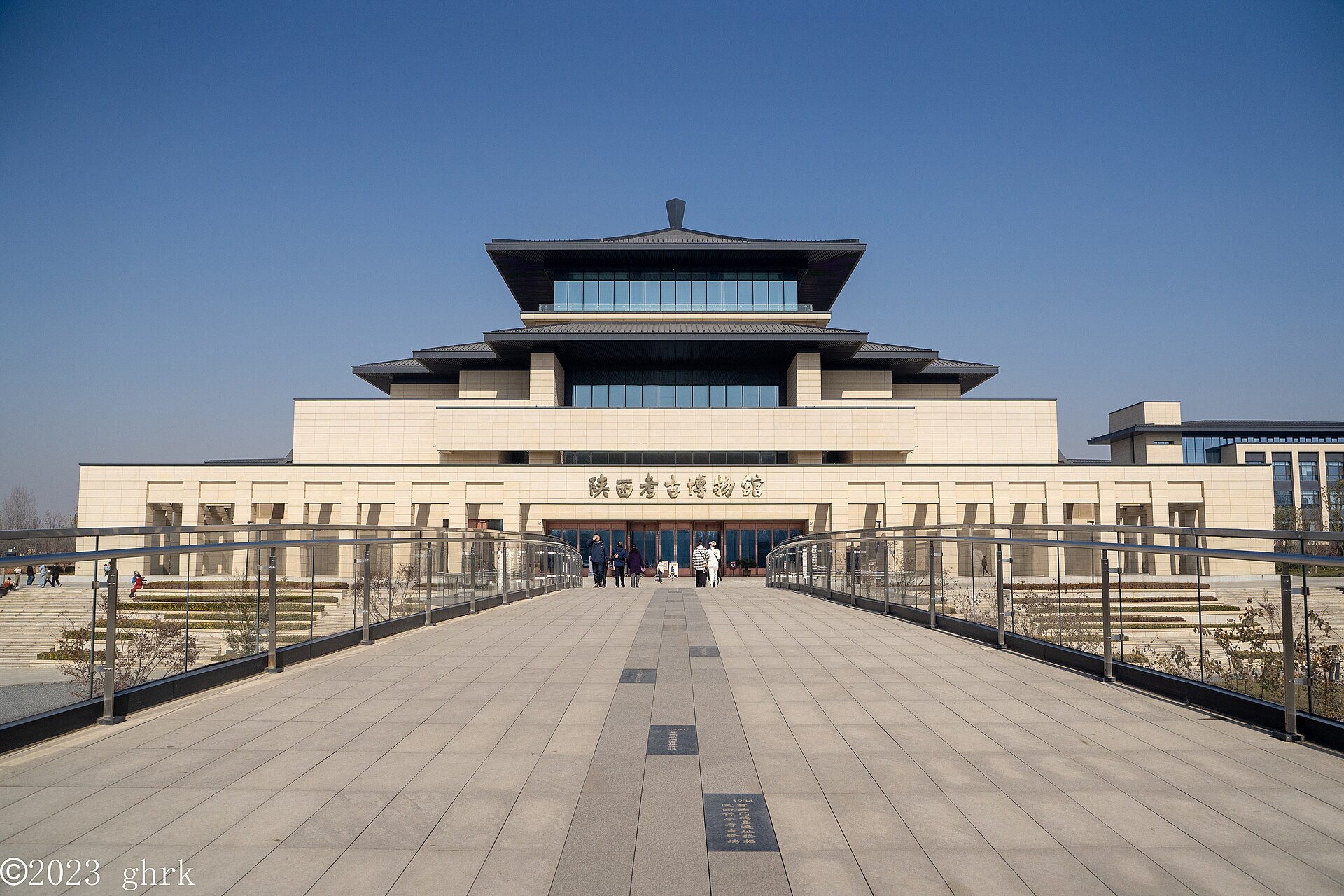
218 min walk
Shaanxi Museum of Archaeology
- Must see
- Museum
Language · 11 published
Place of worship · Xi'an
草堂寺
Reviewed by Elena Voss · Roavina Travel Editor
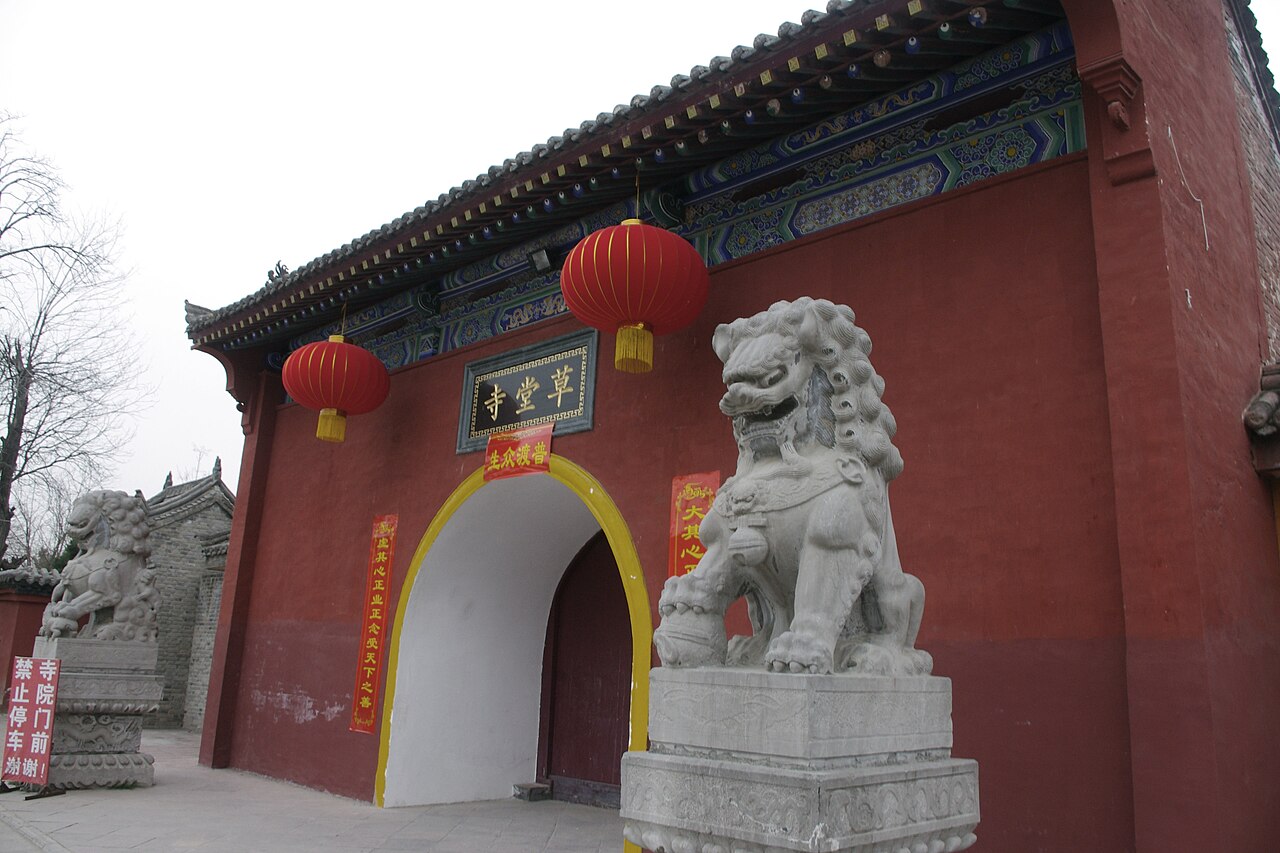
This place is a Place of worship. It was established in 1952. It was built in the Chinese architecture style. It carries the National Key Buddhist Temples in Han Chinese Area heritage designation.
Caotang Temple, known locally as 草堂寺, is a Buddhist temple in the Xi’an region. Its identity is tied to Buddhist scripture translation and the early development of Buddhist thought in China. The name evokes the tradition of a thatched hut used as a scholarly retreat. Travellers encounter a place where religious practice, learning and historical memory meet. It offers a quieter perspective on Xi’an’s spiritual heritage, away from the city’s most heavily visited archaeological landmarks. Caotang Temple, known locally as 草堂寺, is a Buddhist temple located in Xi'an, China. It holds significance as a historic religious site within the broader cultural landscape of the ancient capital. The temple is associated with the translation of Buddhist scriptures and the early development of Buddhist thought in China. Its name references the thatched hut tradition of scholarly retreat. Visitors encounter a place where religious practice and historical memory intersect, offering insight into the layered spiritual heritage of the Xi'an region beyond its more famous terracotta warrior attractions.
Checked 2026-08-26 · Source
The complex follows the familiar language of Chinese Buddhist architecture, with halls, courtyards and religious statuary arranged within a temple setting. Trees and garden areas add a contemplative quality to the grounds. This is a functioning religious place rather than a conventional museum, so the meaning of the visit comes from observing architecture and atmosphere together. Worship halls and ceremonial areas may be used for active practice, while accessible courtyards provide space to appreciate the layout and historic setting at a slower pace.
Checked 2026-08-26 · Source
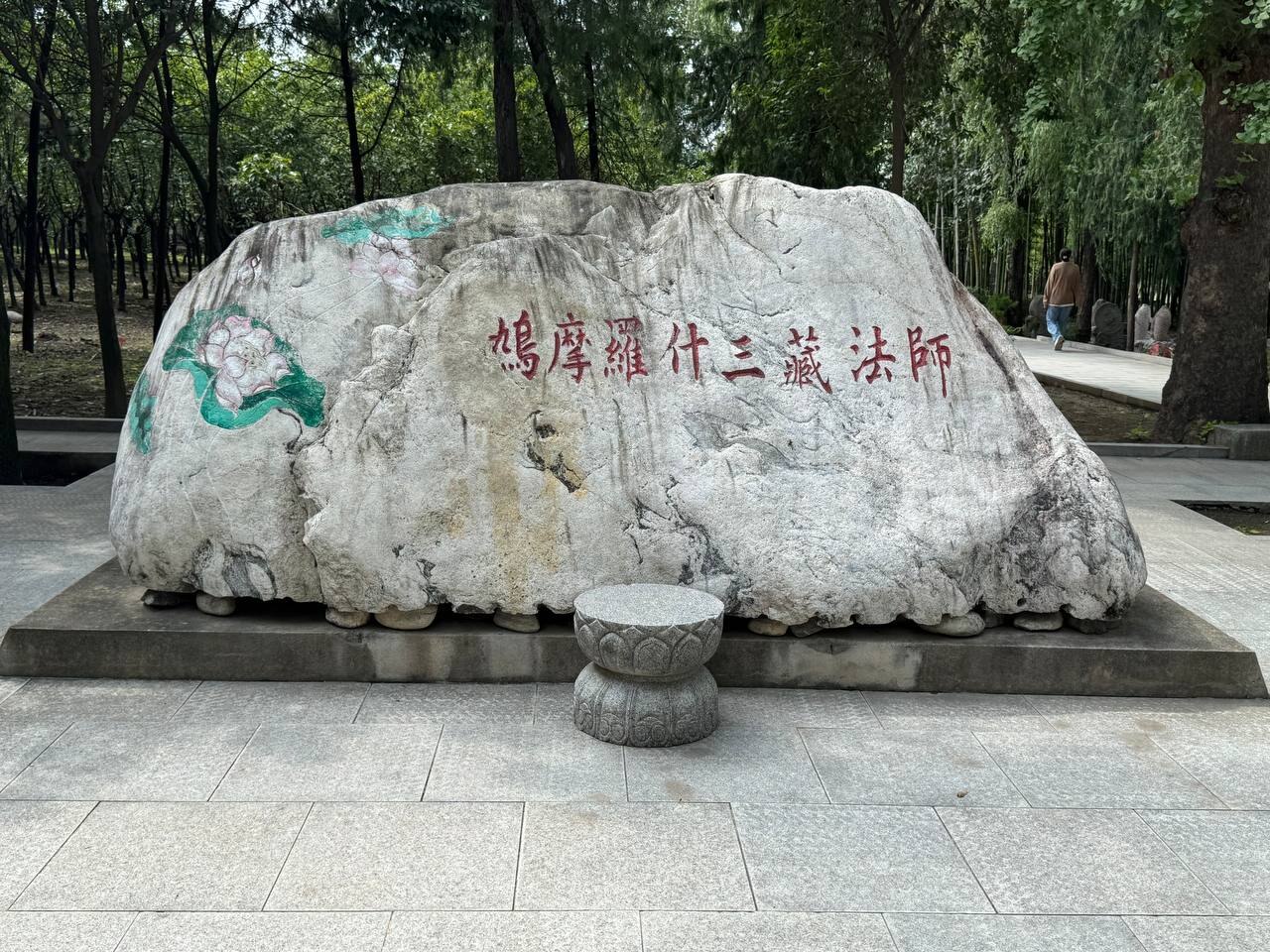
Most visitors can spend one to two hours at Caotang Temple. This allows time to walk through the main courtyards, view accessible halls and pause among the trees and gardens. Visitors drawn to Buddhist history or architectural photography may stay longer. Because the temple lies outside the densest central sightseeing area, the outing works best when paired with other nearby destinations or treated as a deliberate half-day excursion. Allow the journey to and from Xi’an to shape the wider plan.
Checked 2026-08-26 · Source
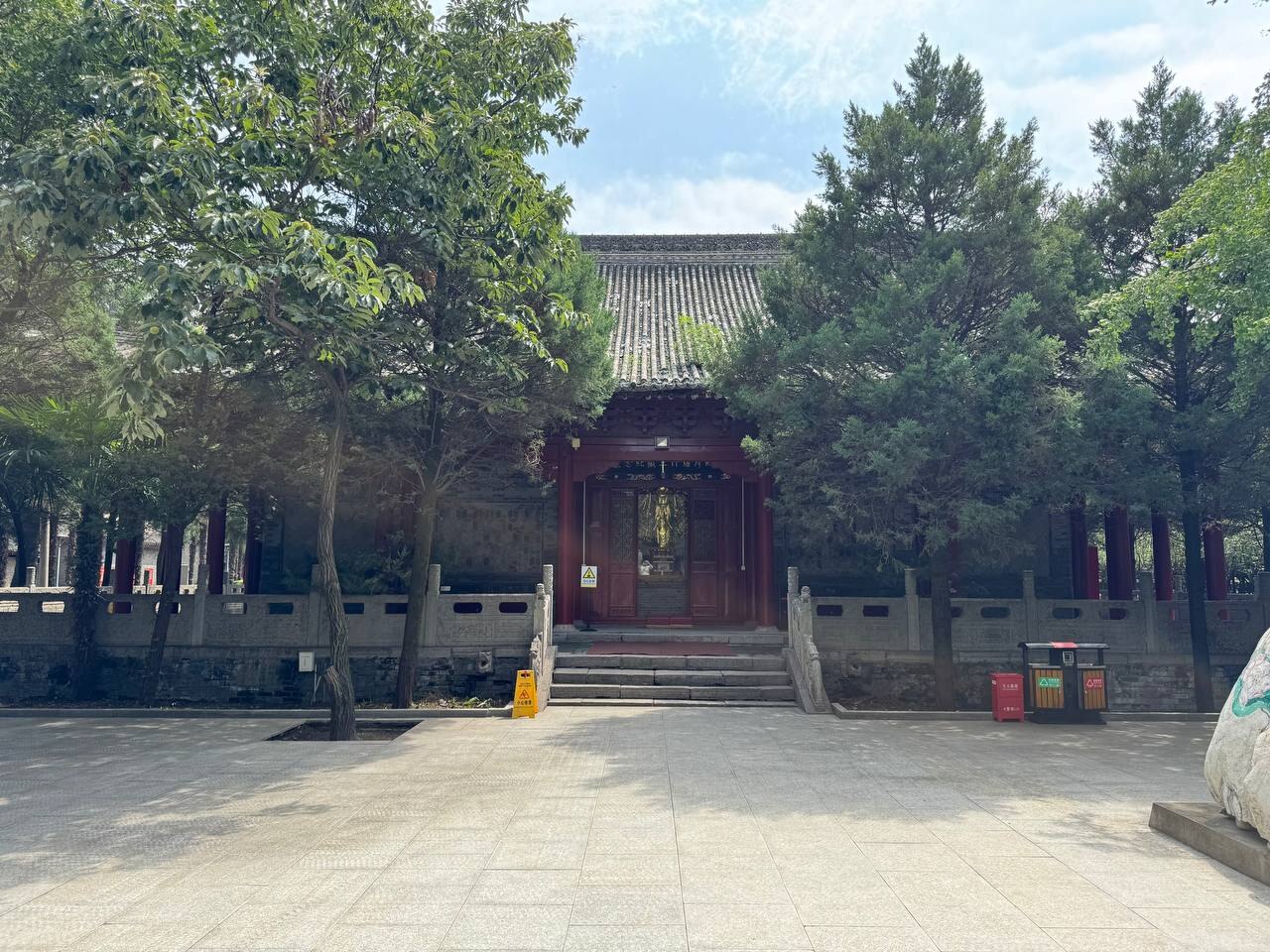
Spring and autumn offer comfortable conditions for exploring courtyards and outdoor temple spaces. Xi’an summers are hot, while winters are cold, making seasonal clothing important for a visit with substantial time outside. Morning can bring the atmosphere of active religious practice, although worship may affect access to particular areas. Festival periods can change the feel of the complex and increase activity. Plan Caotang Temple as a calm, unhurried stop rather than a short detour between tightly scheduled central attractions.
Checked 2026-08-26 · Source
The available guide information does not establish a definite admission charge for Caotang Temple. Keep the day financially flexible and treat the temple primarily as a religious and historical destination. A suburban or rural setting can make payment arrangements less predictable than at Xi’an’s major museums, so carry a suitable payment method. The temple’s main appeal is the combination of Buddhist architecture, translation history, courtyards and contemplative grounds, not a schedule of commercial exhibitions or paid attractions.
Checked 2026-08-26 · Source
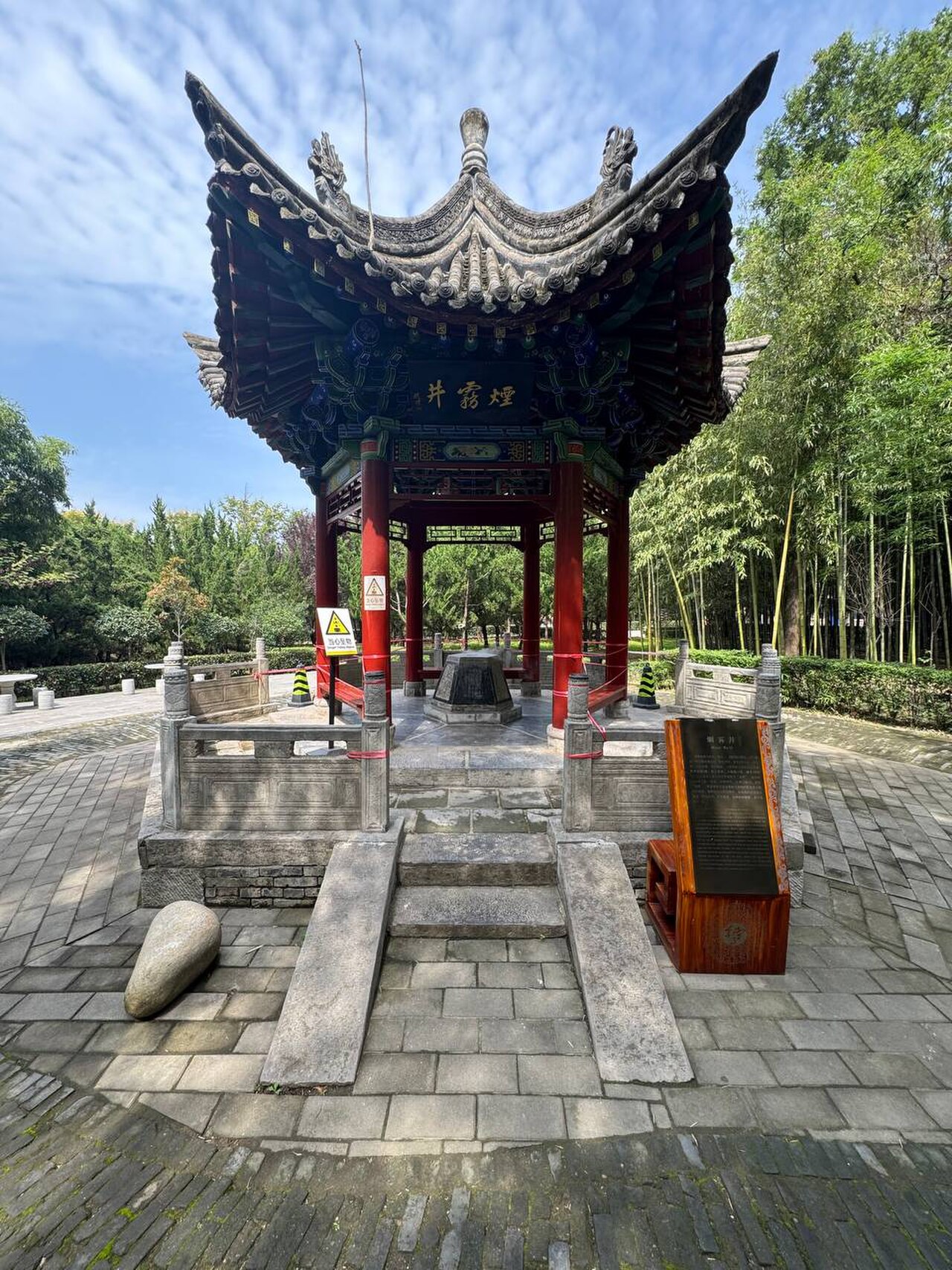
Caotang Temple occupies a suburban position relative to central Xi’an. Buses serve the broader area, while taxis and ride-hailing offer a more direct journey. The trip from the city centre can take substantially longer than reaching central attractions, so reserve transport time on both sides of the visit. Private vehicle travel may also be considered as part of a wider suburban route. Combining Caotang Temple with other nearby stops creates a more efficient day than making repeated journeys into and out of the city.
Checked 2026-08-26 · Source
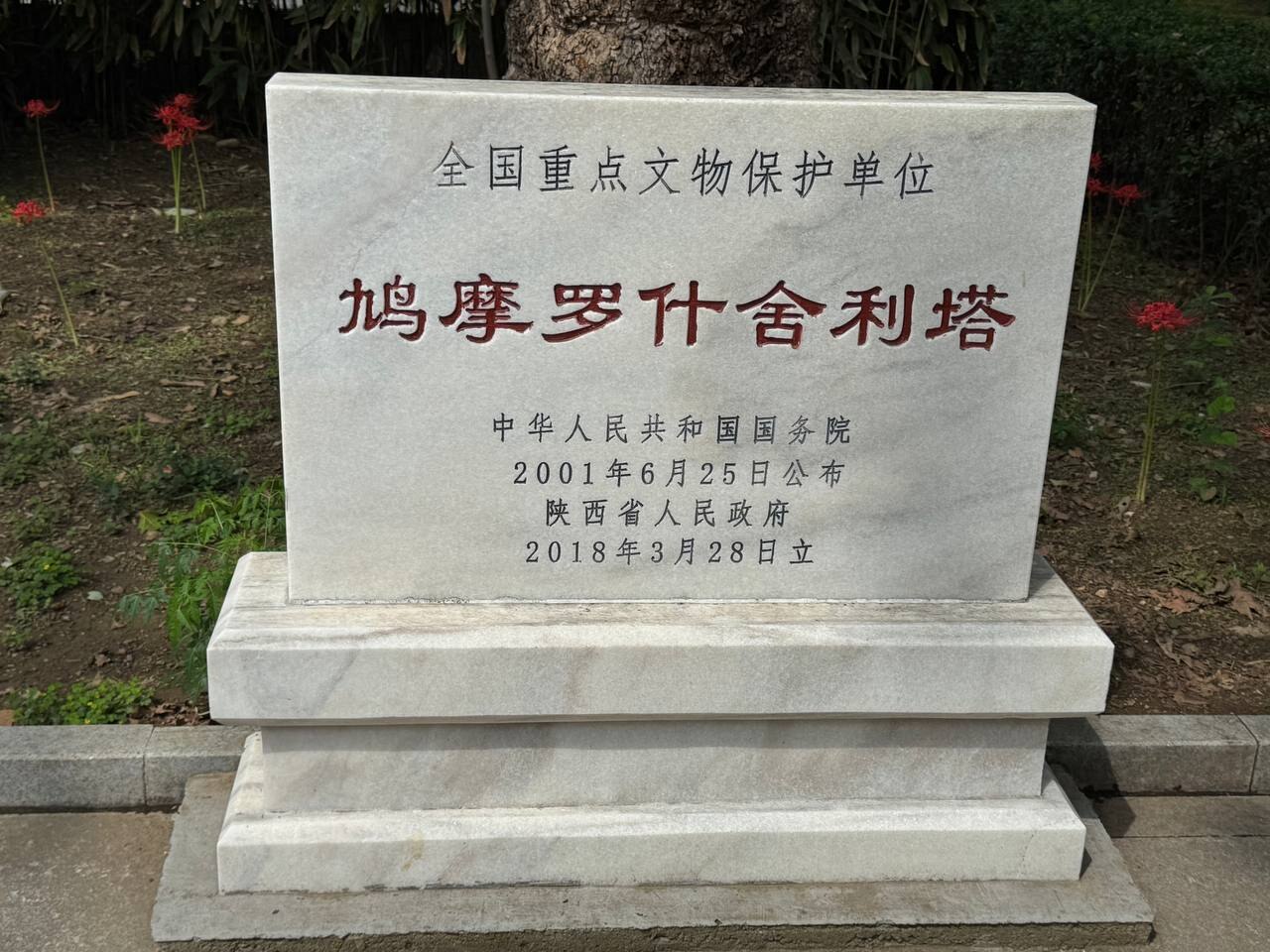
Dress respectfully, keep conversation quiet and follow the boundaries of active worship spaces. Temple grounds may include uneven paving, steps and limited level access, so visitors with mobility needs should prepare for a traditional architectural setting. Courtyards can offer little shelter from summer heat or winter cold. Carry water and basic personal supplies during the suburban outing. English information may be limited, making the Chinese name 草堂寺 useful when arranging transport or asking for directions.
Checked 2026-08-26 · Source

Caotang Temple offers photographic subjects in its rooflines, courtyards, halls, trees and garden spaces. Morning and late afternoon light can emphasise traditional architectural forms, while overcast weather softens contrast around carved and painted details. Keep photography quiet in worship areas and avoid intrusive images of people engaged in religious practice. Flash and large equipment can disturb the atmosphere. Walk carefully while composing photographs, since temple paving and steps require attention as well as an eye for symmetry and perspective.
Checked 2026-08-26 · Source
The temple connects Buddhist worship with scripture translation and the early development of Buddhist thought in China.
The complex includes Buddhist halls, courtyards, religious statuary, trees and garden spaces in a traditional temple setting.
Plan one to two hours for the grounds, with additional time for transport from central Xi’an and for nearby suburban stops.
No. It occupies a suburban position, so the journey takes longer than reaching the city’s central attractions.
Buses serve the broader area, while taxis and ride-hailing provide a more direct option from central Xi’an.
Choose respectful clothing covering the shoulders and knees, and wear comfortable shoes for courtyards, steps and uneven paving.
Loading the interactive map…
The interactive map could not be loaded.
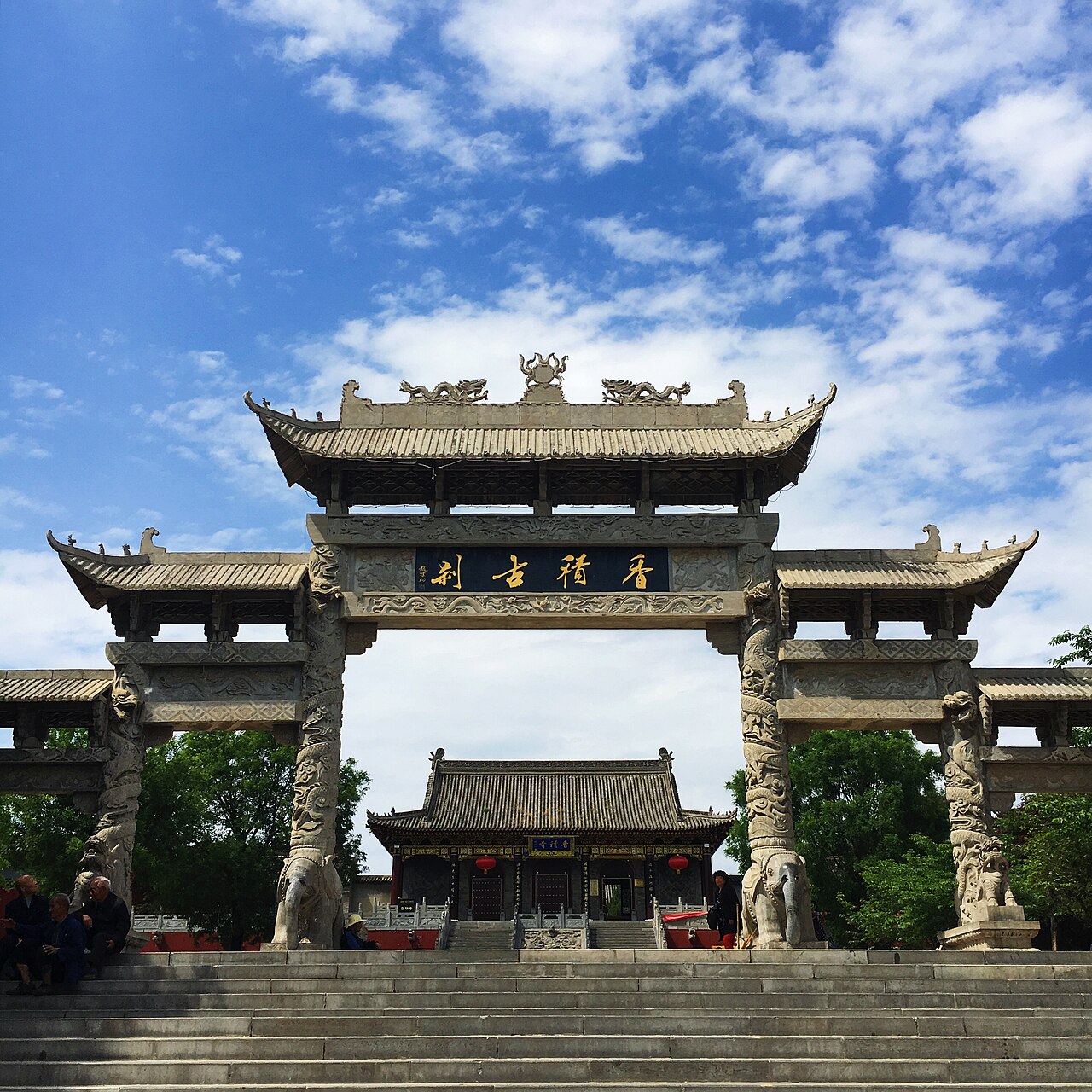
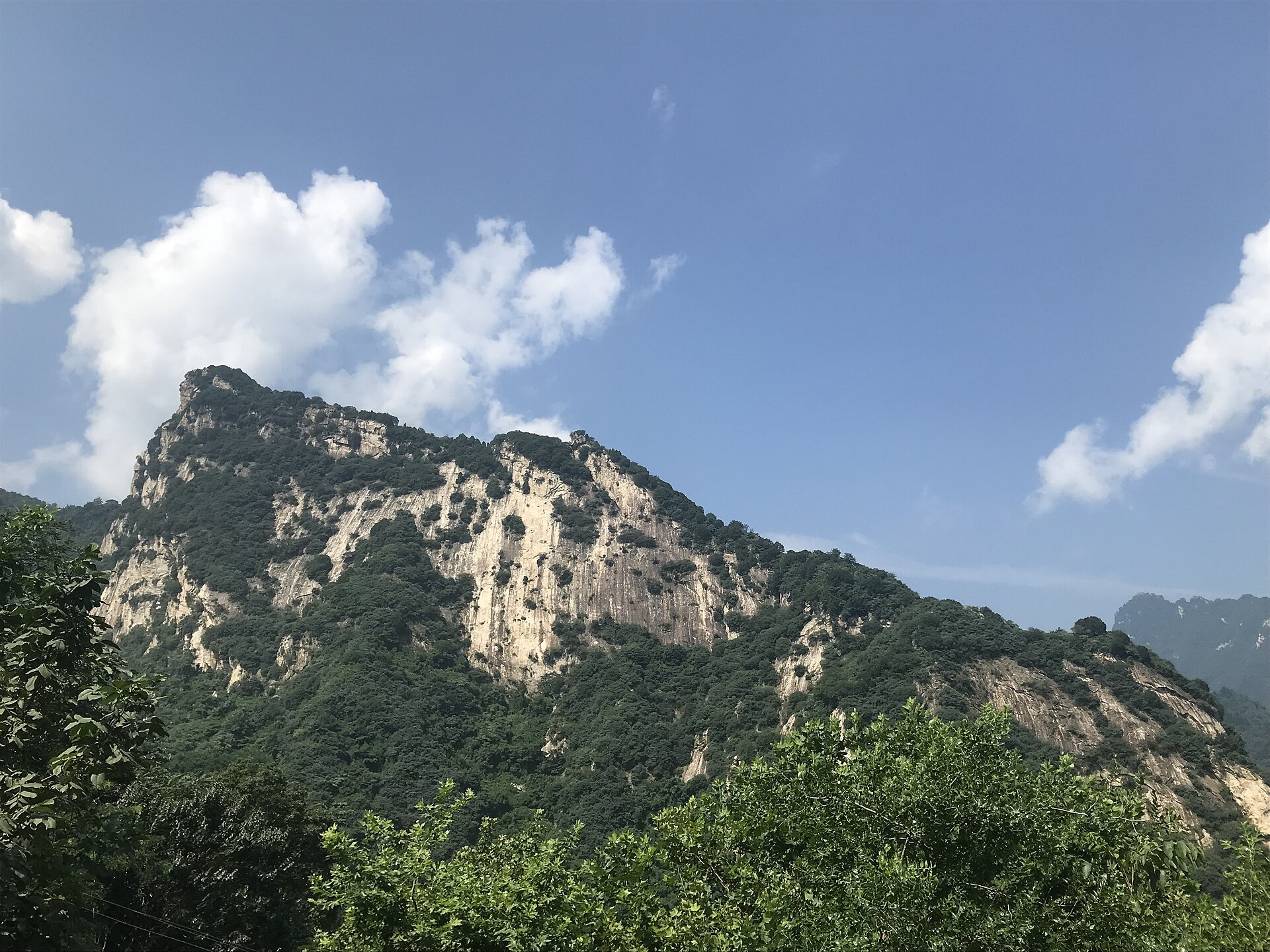
Last updated:
Source: OpenStreetMap contributors, Wikidata ·