

.jpg)
.jpg)
.jpg)
.jpg)
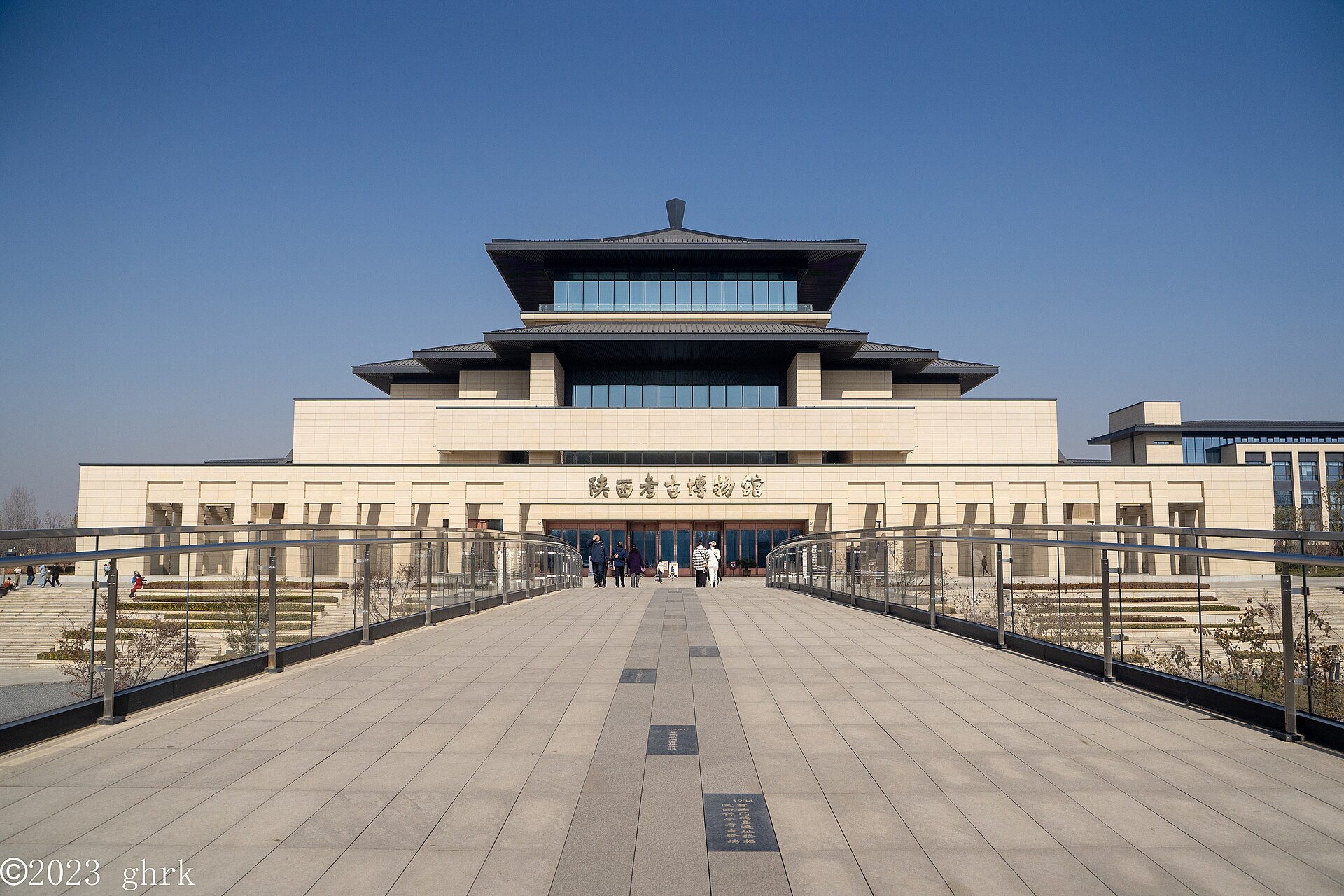
13 min walk
Shaanxi Museum of Archaeology
- Must see
- Museum
Language · 11 published
Place of worship · Xi'an
香积寺
Reviewed by Elena Voss · Roavina Travel Editor
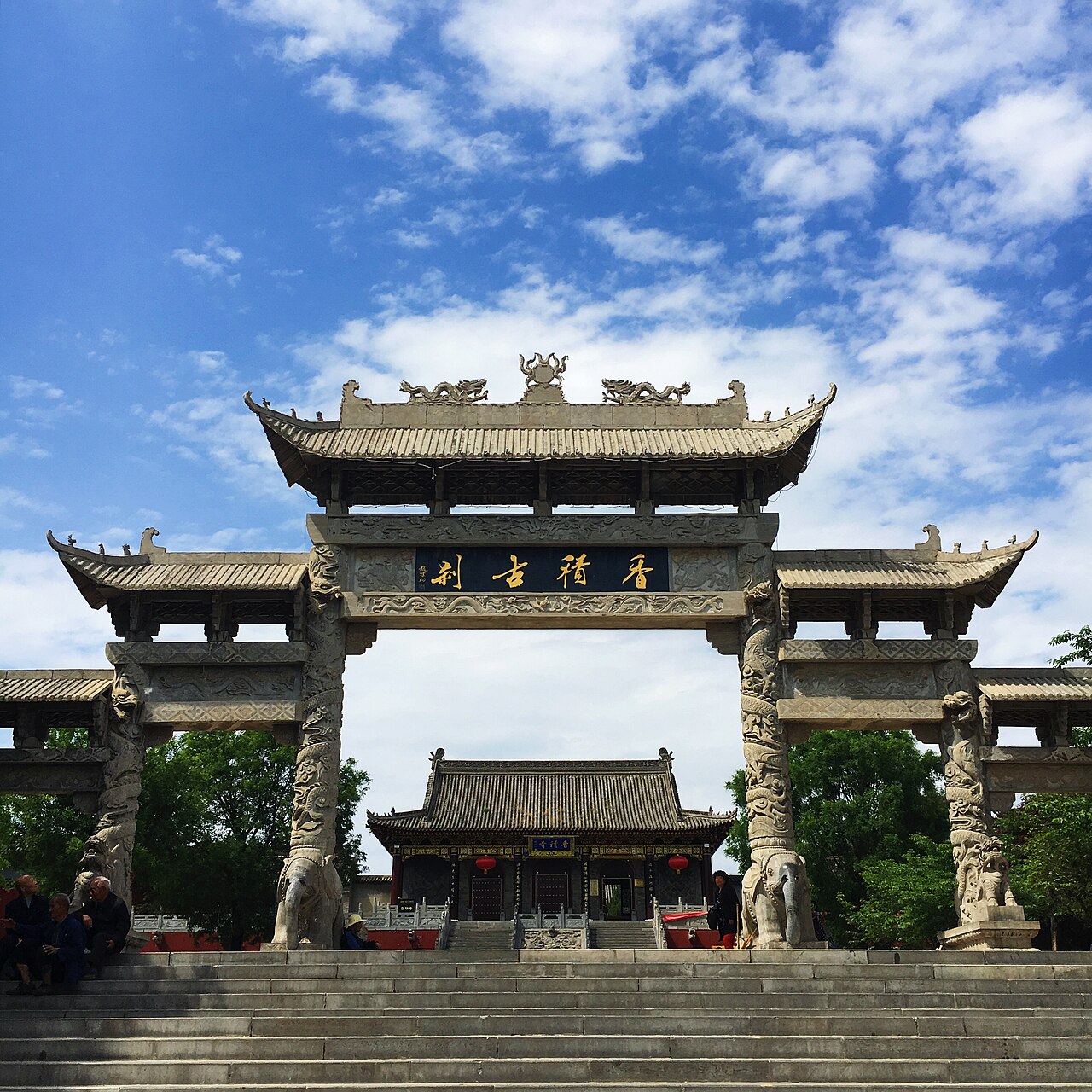
This place is a Place of worship. It was built in the Chinese architecture style. It carries the National Key Buddhist Temples in Han Chinese Area heritage designation.
Xiangji Temple, known locally as 香积寺, is a Buddhist temple in Xi'an, Shaanxi. The temple adds a religious and architectural dimension to a city better known internationally for imperial history and archaeological sites. Visitors come for the atmosphere of a Chinese Buddhist temple, its traditional forms and the opportunity to move through a place connected with worship and contemplation. Xiangji Temple is more rewarding when approached as a living cultural setting rather than as a quick photo stop. Quiet observation, respectful movement and attention to the arrangement of the grounds are central to the experience.
Checked 2026-08-26 · Source
The temple experience centers on traditional Buddhist architecture, worship halls, courtyards and the visual rhythm of roofs, thresholds and interior spaces. Incense and religious statuary contribute to the atmosphere, while the arrangement of buildings encourages a slower visit than a conventional urban attraction. The grounds can be read as a sequence of spaces: approach, courtyard, hall and pause. Xiangji Temple's value lies in this combination of architecture, ritual atmosphere and quiet observation. Treat every hall as a religious space first, and give worshippers room while taking in the details of the complex.
Checked 2026-08-26 · Source
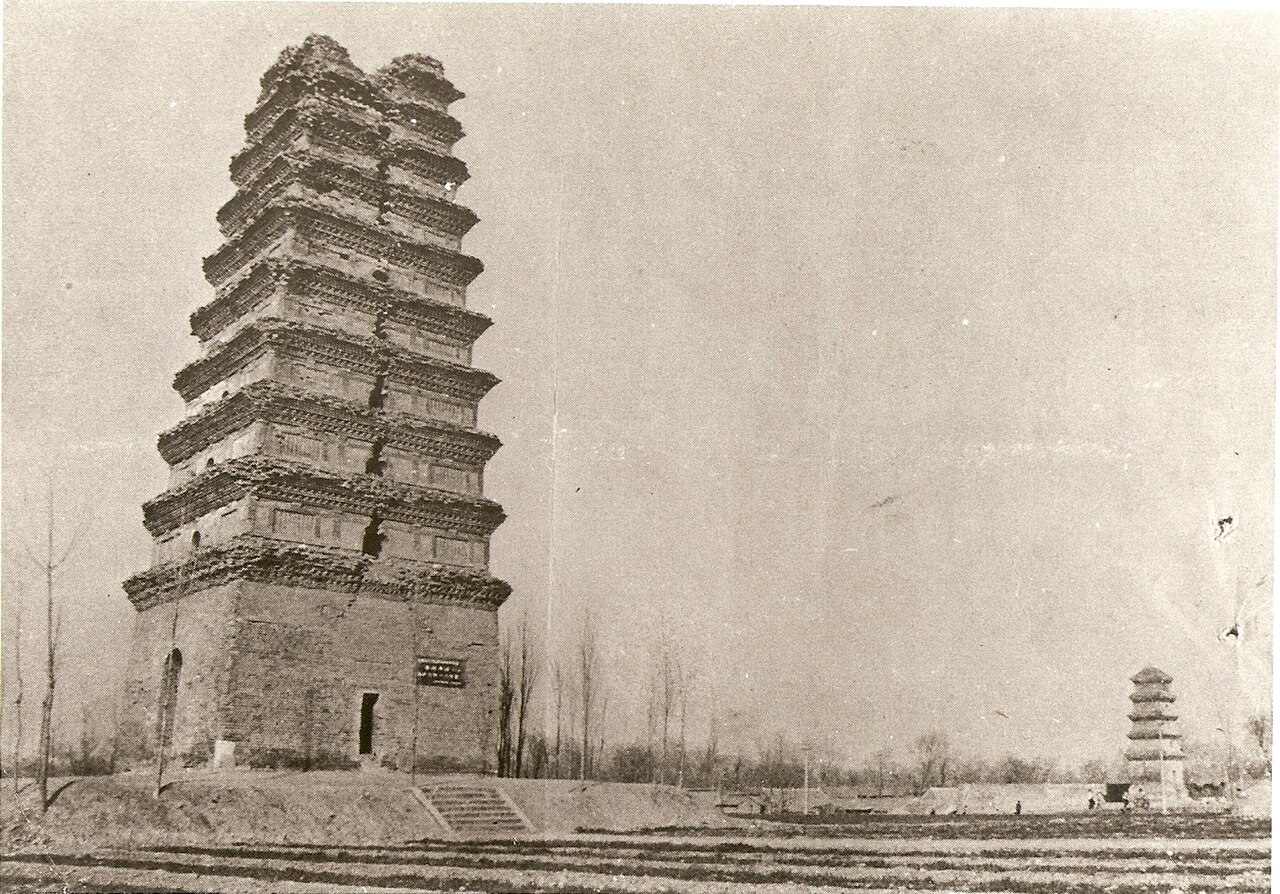
Allow about forty-five minutes to two hours for Xiangji Temple. A short visit can cover the principal courtyards and exterior architecture, while a slower visit leaves time for prayer, quiet contemplation and careful observation of the halls. Travelers interested in Buddhist culture or traditional Chinese design may want the longer end of that range. The temple does not need to be rushed to be appreciated. Build in enough time to move respectfully, wait for a clear view and absorb the atmosphere without turning worship areas into a checklist of sights.
Checked 2026-08-26 · Source
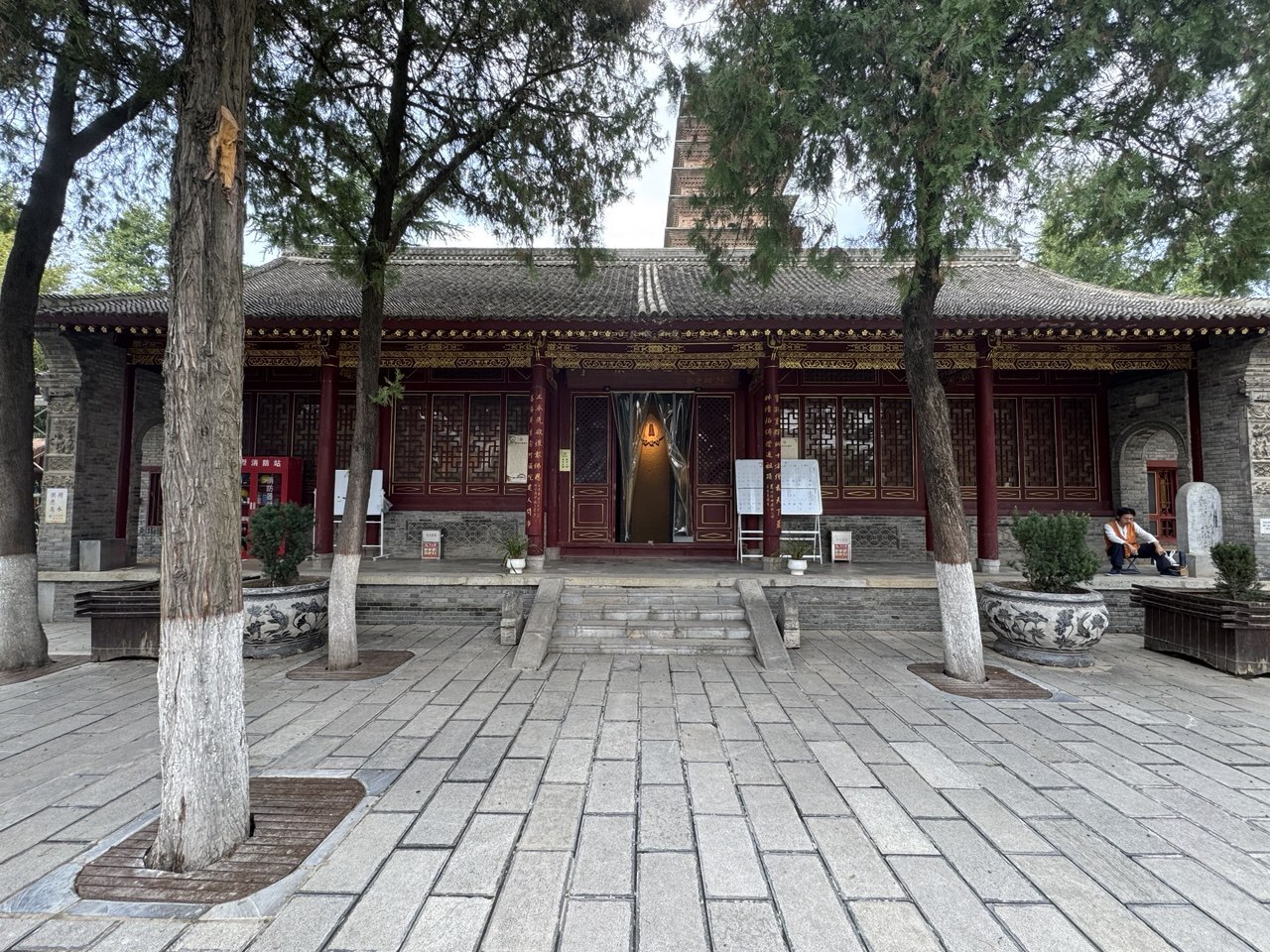
Morning is a suitable time for Xiangji Temple when a quieter atmosphere helps visitors notice the architecture and religious setting. Spring and autumn generally bring comfortable conditions for exploring courtyards and outdoor approaches in Xi'an. Summer can be hot and humid, while winter is cold and dry. Religious festivals, including Buddha's Birthday and Lunar New Year periods, can change the atmosphere and visitor pattern. Choose the timing according to whether you prefer calm observation or the energy of a busier devotional occasion, and keep conduct respectful in either setting.
Checked 2026-08-26 · Source
The place information gives no admission amount for Xiangji Temple. That leaves the cost of entry outside a dependable travel budget, so avoid promising free access or assigning a fee. The useful preparation is to separate the temple visit from assumptions about ticketing and to keep a suitable payment option available for destination costs. If the temple includes areas with different arrangements, the visitor experience would depend on the rules presented at the complex. The religious character of the site matters more than treating admission as the defining feature.
Checked 2026-08-26 · Source
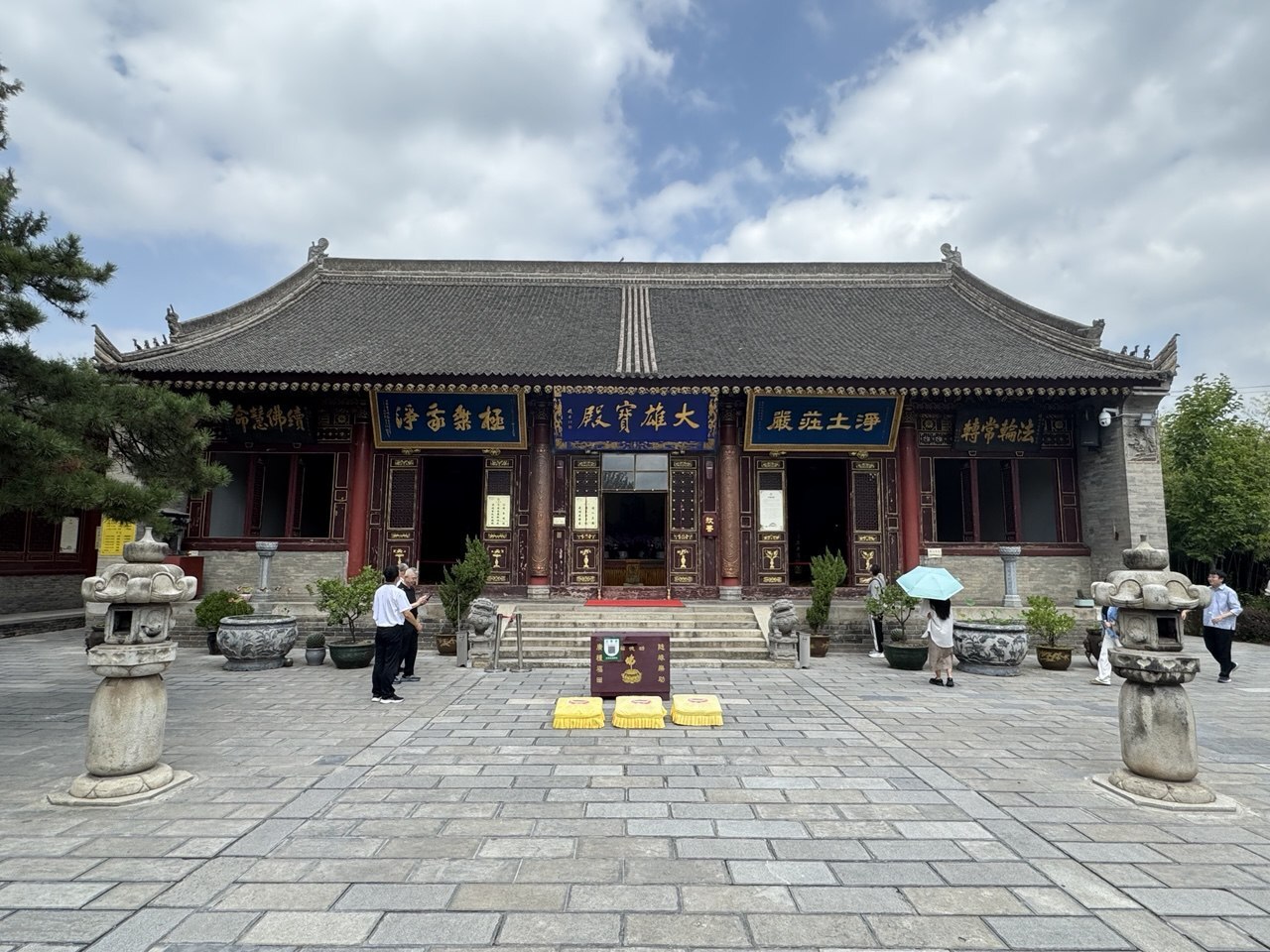
Xiangji Temple is in Xi'an and belongs within the city's wider urban and cultural landscape. Xi'an has metro lines, buses and taxi services, but the place record does not identify a nearest station, bus route or walking approach for this temple. Use the temple's map location when building the route and leave extra time for the final approach. The most useful orientation is to treat Xiangji Temple as a dedicated stop, rather than presuming that a route between the Bell Tower, ancient city wall and railway stations will pass directly beside it.
Checked 2026-08-26 · Source
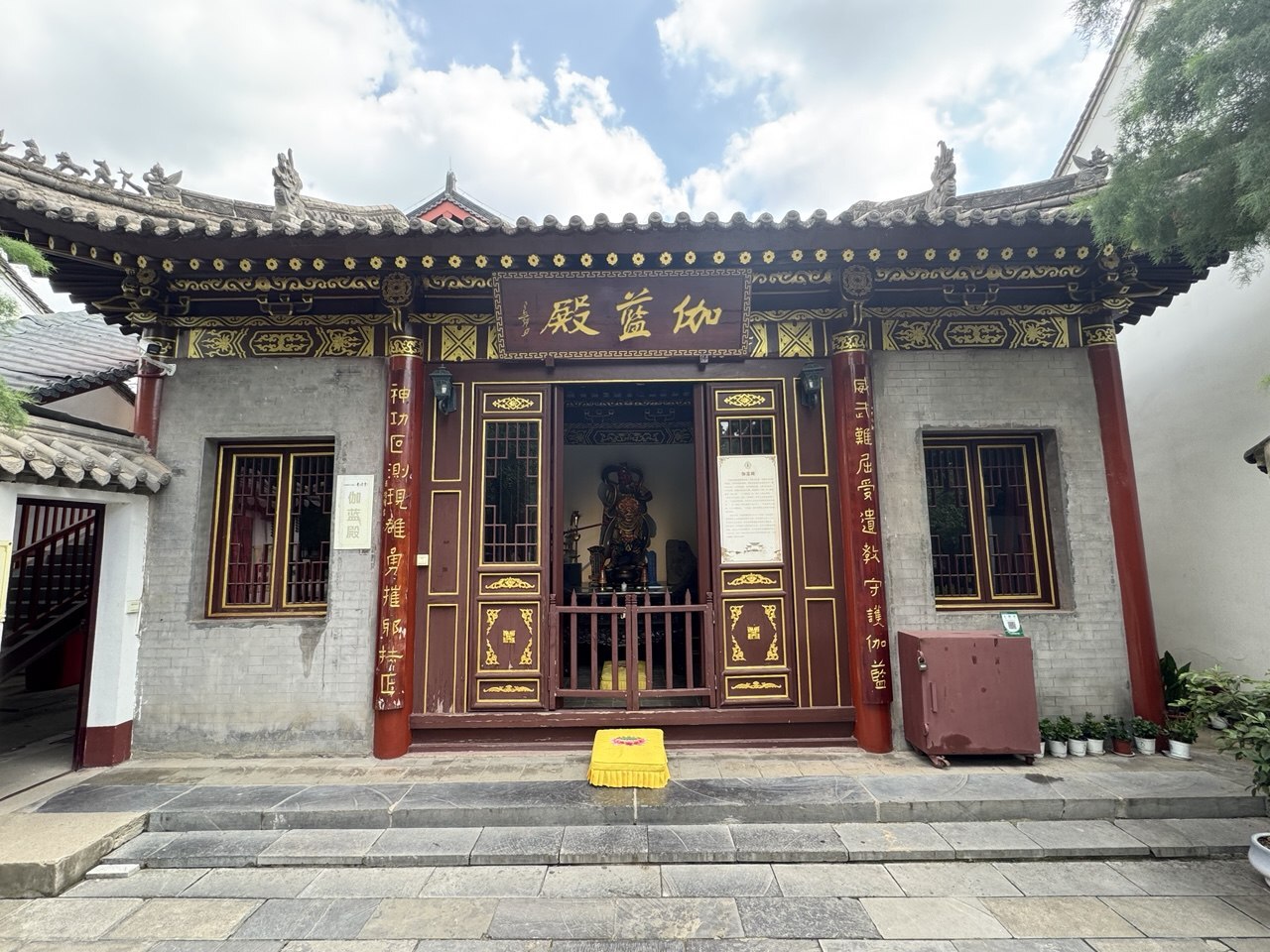
Xiangji Temple is a Buddhist religious site, so modest clothing, quiet speech and considerate movement are appropriate. Cover shoulders and knees, avoid interrupting prayer and follow signs around halls and courtyards. Incense smoke may bother sensitive visitors. Temple floors can include thresholds, steps and uneven surfaces, so walk carefully. Photography may be restricted in particular interiors or around religious activity; do not photograph worshippers intrusively. The best protection against an uncomfortable visit is to let the spiritual purpose of the temple guide your behavior and to give ceremonies priority over sightseeing.
Checked 2026-08-26 · Source
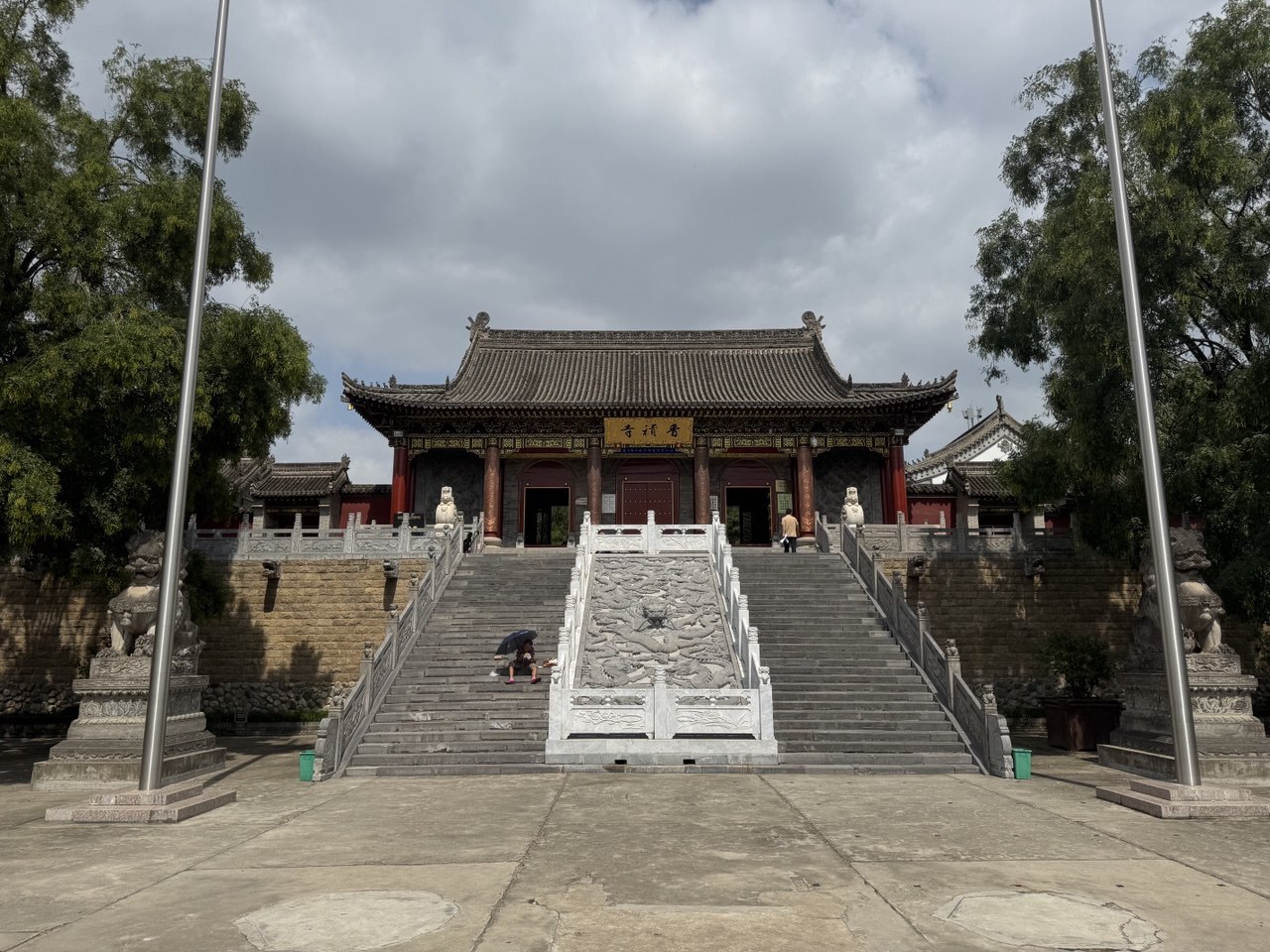
Xiangji Temple offers strong subjects in its traditional rooflines, halls, courtyards, incense atmosphere and religious details where photography is permitted. Exterior architecture benefits from softer morning or late-afternoon light, while interiors may be dim and contrasty. Keep the camera unobtrusive and never let composition interfere with worship. Posted restrictions take precedence, especially inside halls and near statues or ceremonies. A quiet photograph of an empty architectural frame can communicate the temple more faithfully than a close image of a person engaged in prayer.
Checked 2026-08-26 · Source
Xiangji Temple is a Buddhist temple in Xi'an known for traditional architecture, worship halls, courtyards and a contemplative religious atmosphere.
A visit can take roughly forty-five minutes to two hours, depending on interest in architecture, prayer and quiet observation.
Wear modest clothing covering shoulders and knees, and choose footwear suitable for thresholds, steps and uneven temple surfaces.
Photography may be restricted in particular halls or around religious activity. Follow posted rules and avoid intrusive photographs of worshippers.
Visitors can experience traditional halls, rooflines, courtyards, religious statuary, incense and the atmosphere of a Chinese Buddhist temple.
Morning is a suitable choice for travelers who want quieter conditions for observing the temple's architecture and religious setting.
Loading the interactive map…
The interactive map could not be loaded.
Last updated:
Source: OpenStreetMap contributors, Wikidata ·