
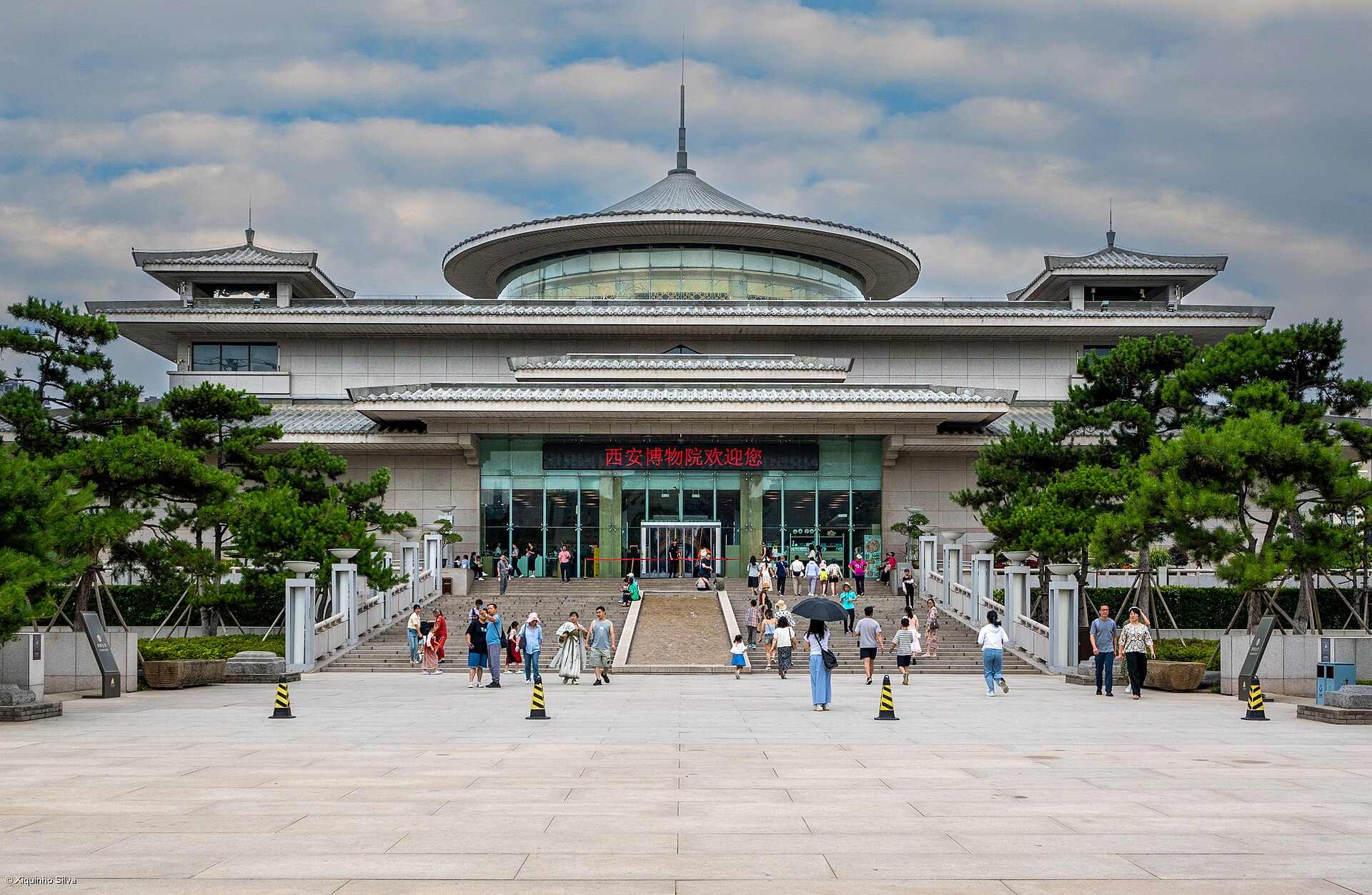
15 min walk
Xi'an Museum
- Must see
- Museum
Language · 11 published
Place of worship · Xi'an
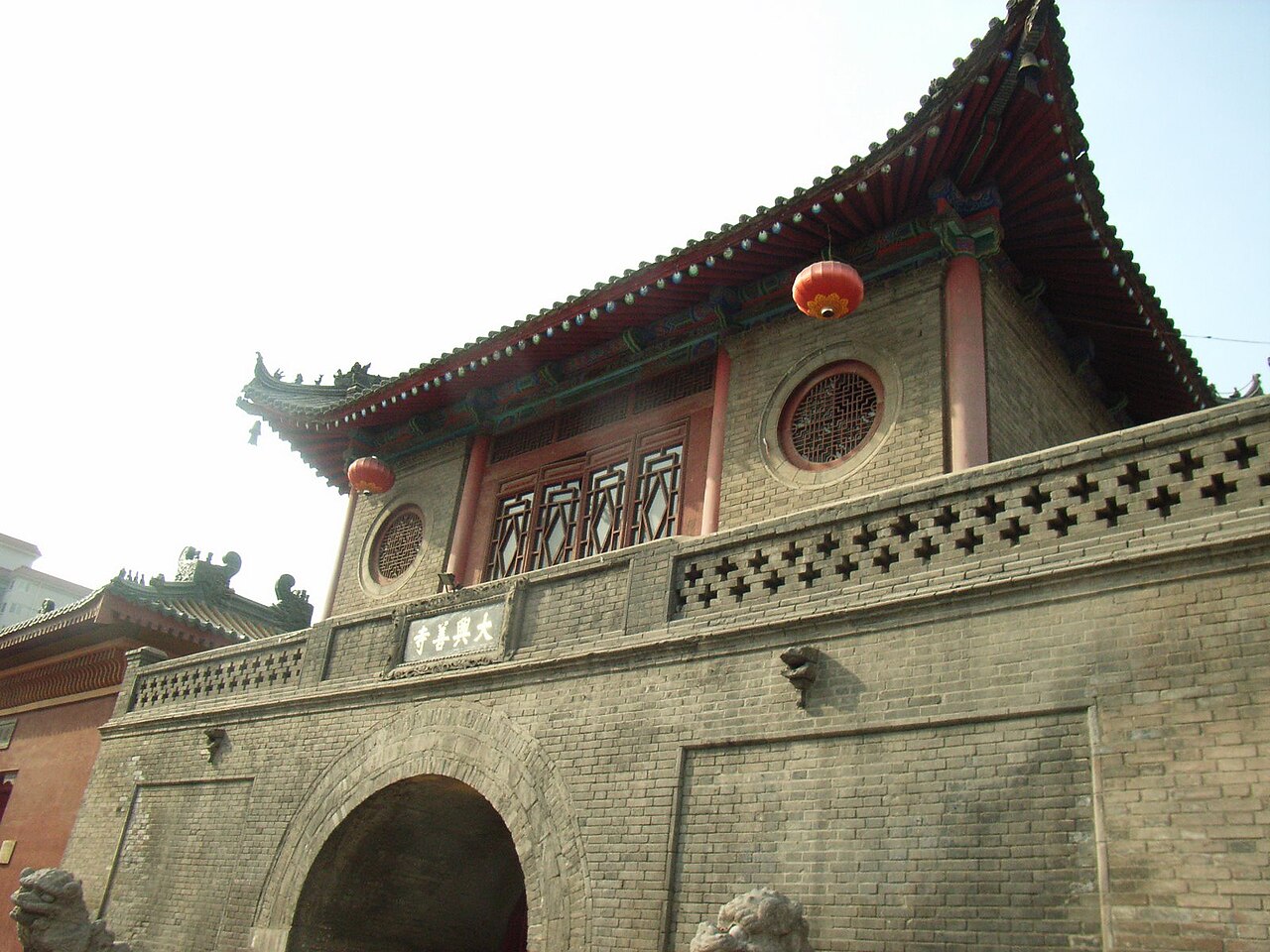
大兴善寺
Reviewed by Elena Voss · Roavina Travel Editor
| Monday | 08:00 – 17:00 |
|---|---|
| Tuesday | 08:00 – 17:00 |
| Wednesday | 08:00 – 17:00 |
| Thursday | 08:00 – 17:00 |
| Friday | 08:00 – 17:00 |
| Saturday | 08:00 – 17:00 |
| Sunday | 08:00 – 17:00 |
Checked 2026-08-31 · Source
Read from the OpenStreetMap access tags; anything not listed has no tag recorded.
Set the group type to family in the planner and the day window contracts to about three quarters of a solo day.
This place is a Place of worship. It was built in the Chinese architecture style. It carries the National Key Buddhist Temples in Han Chinese Area heritage designation.
Daxingshan Temple is a historic Buddhist temple in Xi'an, China, known locally as 大兴善寺. It remains a religious institution and a destination for visitors interested in Buddhist history, Chinese temple culture, and the long cultural history of Xi'an. Its importance is closely connected with Buddhist teaching, scripture translation, and the development of Esoteric Buddhism during the Tang dynasty. Daxingshan Temple is a historic Buddhist temple in Xi'an, China. Its local name is 大兴善寺. The temple holds significance as one of the earliest and most influential centers of Buddhist translation and teaching in China. It played a notable role in the development of Esoteric Buddhism during the Tang dynasty. The site remains an active religious institution and visitor destination within the city. Its historical importance derives from its association with prominent monks and its function as a major translation bureau for Buddhist scriptures brought from India and Central Asia. Visitors should verify directly with temple administration or official Xi'an tourism channels before traveling.
Checked 2026-08-26 · Source
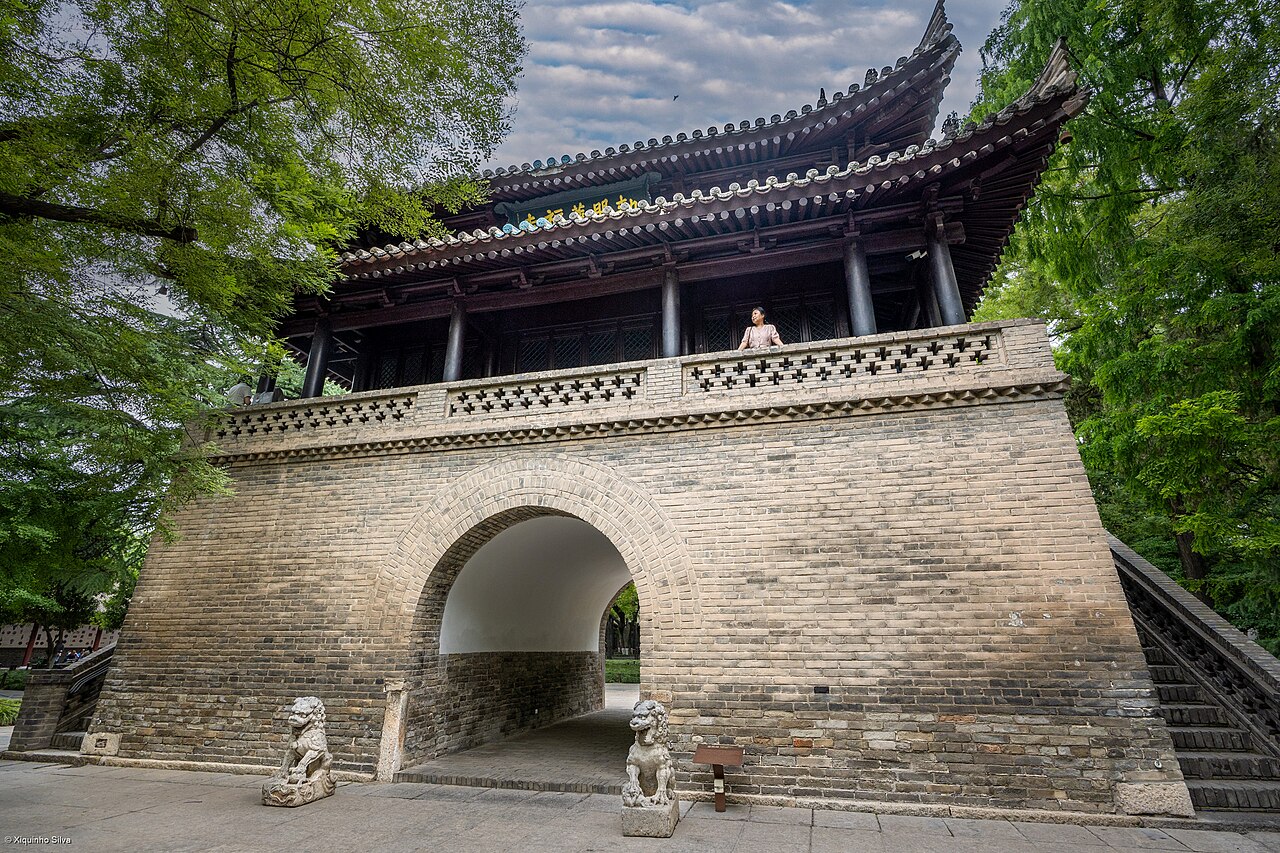
The complex presents a traditional Chinese Buddhist setting of halls, pagodas, courtyards, religious statues, devotional objects, monastic spaces, and areas used for ceremony. This is a functioning religious environment rather than a museum arranged around explanatory displays. Take time to notice the relationship between the buildings, courtyards, worship spaces, and the continuing rhythm of Buddhist practice within the temple grounds. The temple complex contains traditional Buddhist architectural elements including halls, pagodas, and courtyards arranged in classical Chinese temple layout. Religious statues and devotional objects are present for worship purposes. The grounds include spaces for monastic residence and religious ceremony. Visitors should expect a functioning temple environment rather than a museum presentation. The atmosphere reflects ongoing Buddhist practice rather than curated exhibition.
Checked 2026-08-26 · Source
Allow around one to two hours for a measured visit through the temple grounds. Visitors focused on Buddhist history, architecture, or religious observation may stay longer, especially when ceremonies are taking place. Move at a quiet pace, leave time in the courtyards, and treat the visit as a cultural and spiritual experience rather than a rapid sequence of photo stops. A typical visitor might spend between one and two hours exploring the temple grounds at a moderate pace. Those with particular interest in Buddhist history, architecture, or active religious observation may wish to allocate additional time. The duration depends on personal pace, crowd conditions, and whether one participates in or observes any ongoing ceremonies. Visitors should allow flexibility for unexpected religious events that may limit or expand accessible areas during their visit.
Checked 2026-08-26 · Source
Spring and autumn offer comfortable conditions for exploring the outdoor parts of the temple, while Xi'an summers are hot and humid and winters are cold and dry. Buddhist festivals can bring larger crowds and a more ceremonial atmosphere. An early visit can suit travelers who enjoy quiet religious spaces, although worship and ceremonies may affect movement through some areas. Visitors should verify current opening times directly with temple administration or official Xi'an tourism channels before planning their visit.
Checked 2026-08-26 · Source
Plan Daxingshan Temple as a religious and cultural stop, with formal entry and any donations treated as separate matters. The temple experience centers on its halls, courtyards, Buddhist imagery, and historical associations. Carry a practical payment option for incidental needs, and keep the visit flexible so that religious activity, rather than a fixed sightseeing routine, sets the tone.
Checked 2026-08-26 · Source
Daxingshan Temple is in Xi'an's urban area, where visitors can use the city's wider bus, metro, taxi, and ride-hailing network. Use the temple's Chinese name, 大兴善寺, when searching for directions. Allow time for the final walk from local transport and keep Chinese characters available on your phone, since they make urban wayfinding easier around religious and historic sites.
Checked 2026-08-26 · Source
Dress modestly, keep conversations quiet, and avoid interrupting worshippers. Incense smoke may bother sensitive visitors. Historic temple grounds can include steps, thresholds, and uneven paving. Do not touch religious objects or offerings, and follow signs around halls and ceremony areas. Smoking and alcohol are inappropriate in this religious setting. Give people at prayer privacy and space.
Checked 2026-08-26 · Source
Exterior architecture, courtyards, rooflines, and temple details offer respectful photographic subjects. Keep cameras unobtrusive in worship areas, never photograph people in prayer without permission, and follow every sign concerning interiors and ceremonies. Avoid flash where it could disturb religious activity. A quiet approach produces better images and allows the spiritual character of Daxingshan Temple to remain central.
Checked 2026-08-26 · Source
Daxingshan Temple is known for Buddhist teaching and scripture translation, and for its role in the development of Esoteric Buddhism during the Tang dynasty.
Visitors encounter traditional halls, pagodas, courtyards, Buddhist statues, devotional objects, monastic spaces, and areas used for religious ceremony.
Plan about one to two hours for the temple grounds, with extra time if Buddhist history, architecture, or religious observation is a major interest.
The local Chinese name is 大兴善寺.
Wear modest clothing covering the shoulders and knees, speak quietly, and respect worshippers, offerings, statues, and ceremony spaces.
Photograph exterior architecture and courtyards discreetly, while following signs and avoiding intrusive images of worshippers, ceremonies, or restricted interiors.
Loading the interactive map…
The interactive map could not be loaded.
Last updated:
Source: OpenStreetMap contributors, Wikidata ·