

3 min walk
Xi'an City God Temple
- Must see · Heritage site
- Place of worship
Language · 11 published
Place of worship · Xi'an
大学习巷清真寺
Reviewed by Elena Voss · Roavina Travel Editor
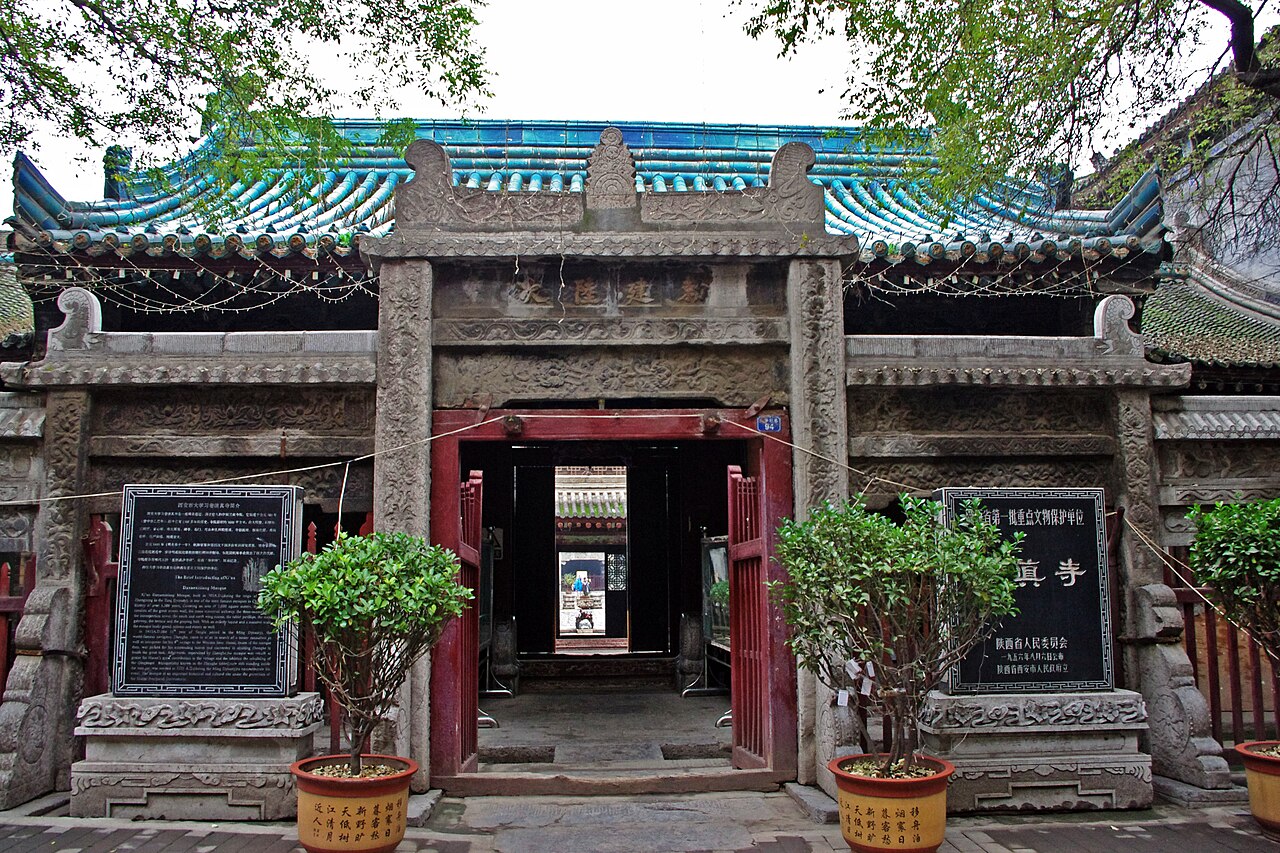
This place is a Place of worship. It carries the Major Historical and Cultural Site Protected at the National Level heritage designation.
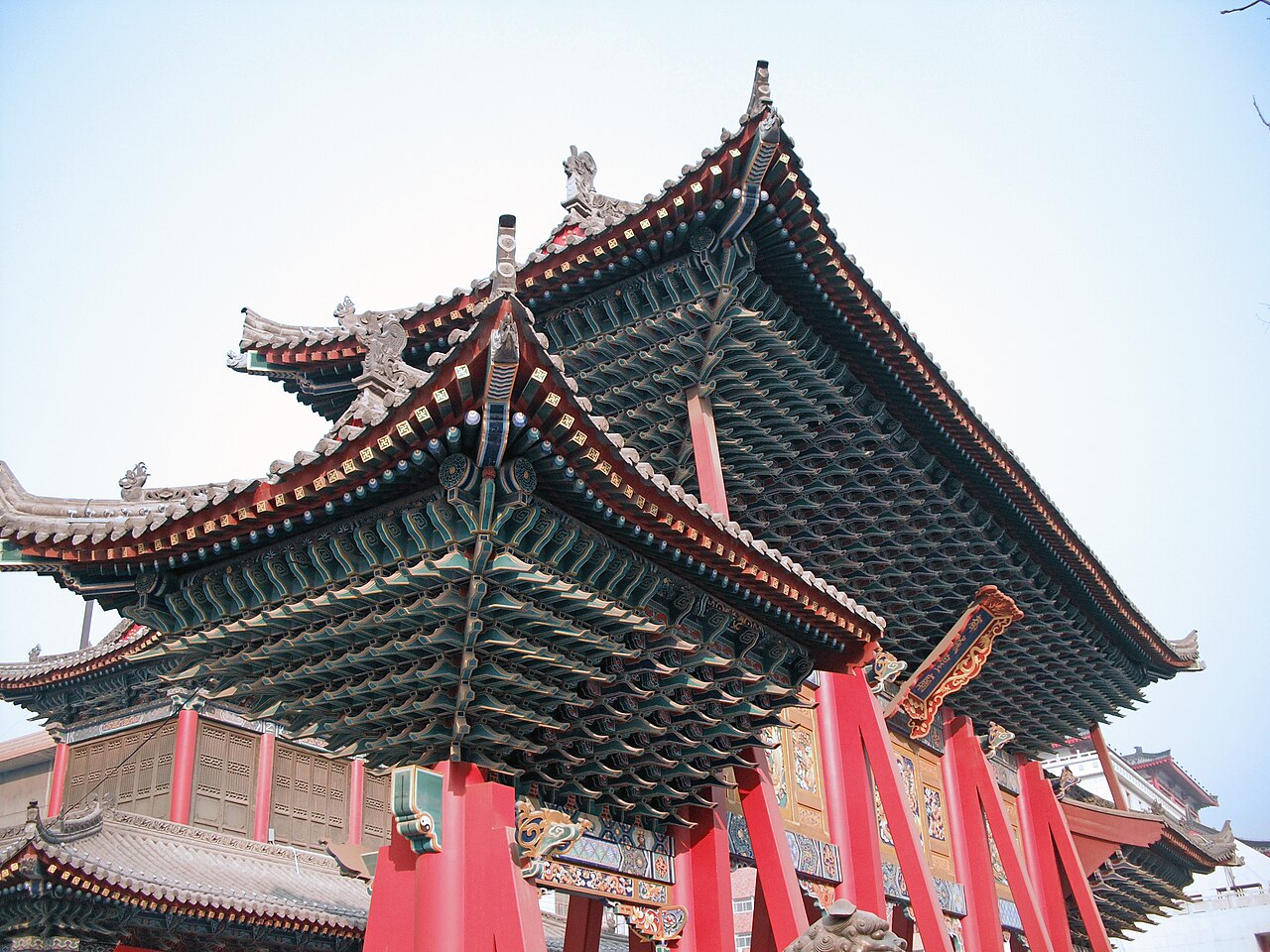
The Great Learning Lane Mosque, known locally as 大学习巷清真寺, is an Islamic place of worship in Xi’an’s historic urban fabric. Xi’an, formerly Chang’an, stood at the eastern end of the Silk Road and developed through contact among Chinese, Central Asian, Persian and Arab communities. The mosque belongs to that broader history of religious and cultural exchange. For travellers, it is a chance to encounter a living Muslim community within the old city rather than a monument separated from daily worship. The Great Learning Lane Mosque, known locally as 大学习巷清真寺, stands as a historic Islamic place of worship in Xi'an, Shaanxi Province, China. Xi'an, formerly Chang'an, served as the eastern terminus of the Silk Road, facilitating cultural and religious exchange between China and Central Asian, Persian, and Arab merchants. The city hosts a significant Muslim population descended from these ancient traders. Non-Muslim visitor access is not formally documented. Many Chinese mosques permit respectful outside observation, though interior prayer hall access varies. Visitors should inquire locally and accept any restrictions.
Checked 2026-08-26 · Source
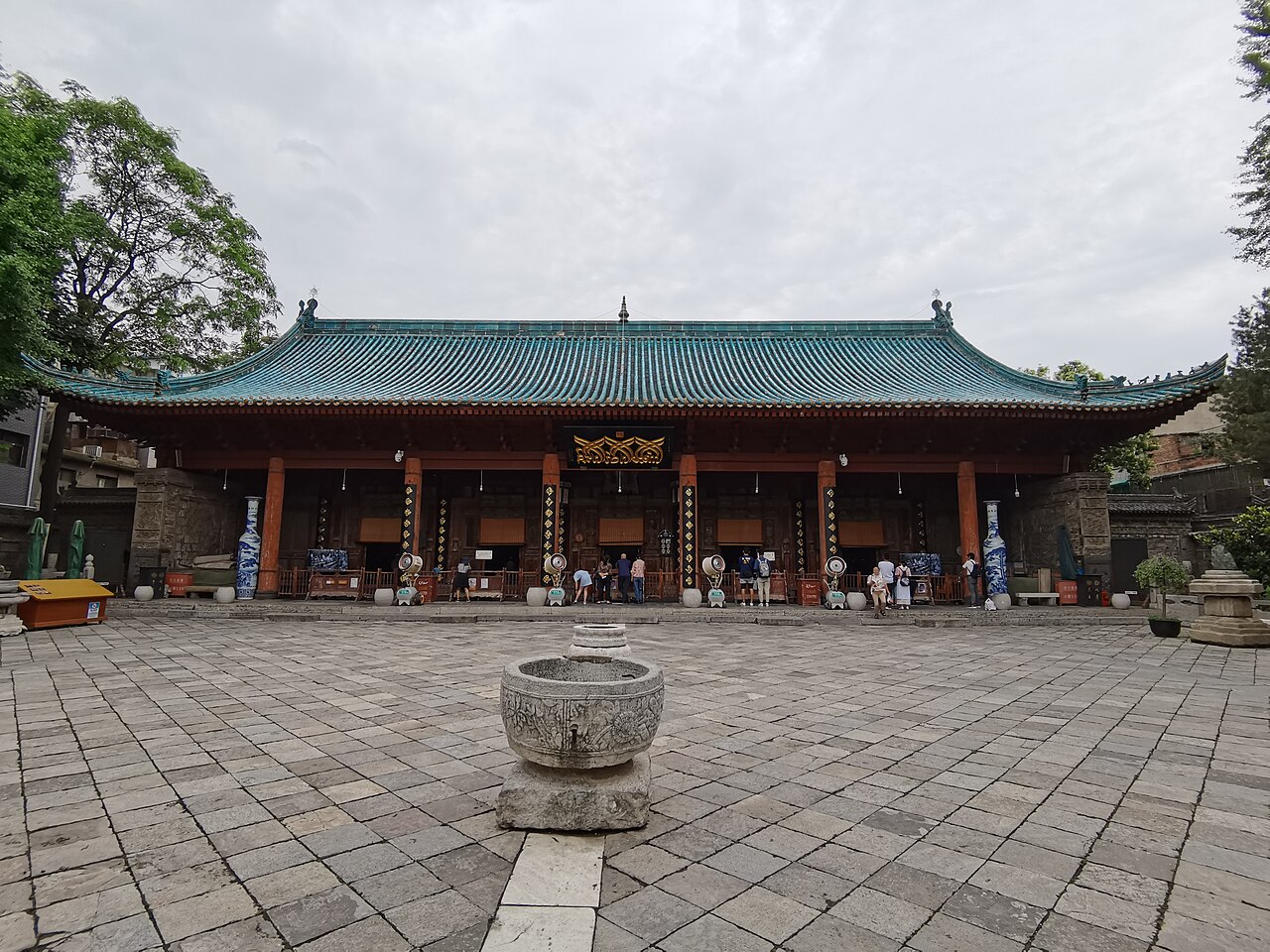
As an active mosque, the complex is organised around worship and community life. Its religious spaces include prayer halls oriented toward Mecca, facilities associated with ablution and areas for gathering. Chinese mosque traditions can combine Islamic requirements with elements of local architecture, creating a setting that differs from a standalone museum or church-like tourist attraction. The most important feature is the functioning religious environment: halls and other spaces may be used by worshippers, and visitor movement should remain secondary to prayer.
Checked 2026-08-26 · Source
Allow thirty to sixty minutes for a respectful mosque visit, depending on which areas are open to you. That is enough for exterior observation and brief interior viewing when access is permitted. Add extra time for the surrounding old-city lanes, where walking connects the mosque with local commerce and historic urban character. Friday midday prayers, daily worship and religious occasions can change the rhythm of the visit, so a flexible schedule is more appropriate than a rushed attraction checklist.
Checked 2026-08-26 · Source
Morning is a useful period for exploring the old-city setting, while spring and autumn make walking through Xi’an’s narrow lanes more comfortable. Summers can be hot and humid, and winters cold and dry. Friday midday is an especially important worship period and may bring a large congregation, reducing the space available for visitors. Ramadan and other Islamic holidays can also alter the atmosphere and daily routine. Visit with patience, allowing worship to determine the pace of your time inside the complex.
Checked 2026-08-26 · Source
The available guide information does not establish a definite admission charge for the Great Learning Lane Mosque. This is a functioning religious institution, so the visit should not be planned around the assumptions used for a commercial museum. Keep small cash available for a possible voluntary contribution, while recognising that the mosque’s primary role is worship and community service. The most valuable preparation is respectful behaviour and enough time to accept any limits placed on visitor access.
Checked 2026-08-26 · Source
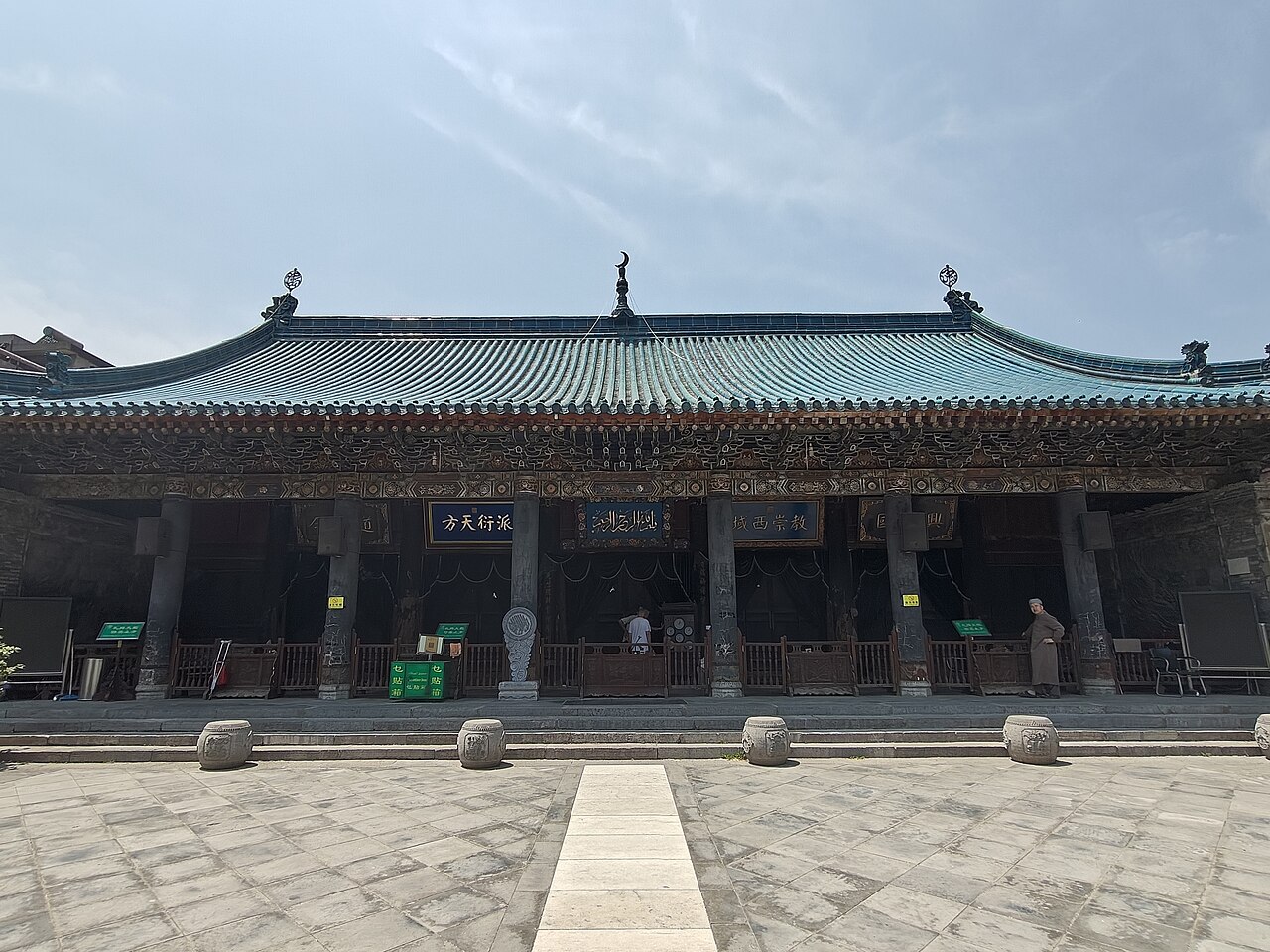
The mosque sits in Xi’an’s walled old city, where buses, metro services, taxis and ride-hailing connect with the surrounding districts. The final approach may be on foot because the historic lanes are narrow. Use 大学习巷清真寺 when asking for directions or showing the destination in Chinese. The Bell Tower and Drum Tower area provides a familiar orientation point for exploring the old city. Combine the mosque with a walking route through nearby lanes rather than treating it as an isolated suburban stop.
Checked 2026-08-26 · Source
Dress modestly, covering shoulders and knees, and remove shoes before entering prayer halls. Women may need a head covering for interior access. Keep voices low, give worshippers room and avoid entering during prayer when the space is needed by the congregation. Do not photograph people without consent. The surrounding old-city lanes can have uneven surfaces and bicycle traffic, so watch your footing while looking at architecture and street life. The mosque deserves the same care you would show any active place of worship.
Checked 2026-08-26 · Source
Exterior views from public lanes can show the mosque’s place within Xi’an’s old urban fabric, but photography should remain discreet. Inside, worshippers and prayer spaces deserve particular privacy, and permission should guide any image-making. Avoid flash, intrusive equipment and photographs taken during prayer. A quiet camera-free pause may be more appropriate than pursuing every architectural detail. The surrounding lanes also offer visual context through their historic scale and local activity, provided people are not treated as anonymous subjects.
Checked 2026-08-26 · Source
Wear modest clothing covering the shoulders and knees; women should carry a head covering, and shoes are removed before entering prayer halls.
It is an active Islamic mosque serving worship and community life within Xi’an’s historic old-city fabric.
Allow thirty to sixty minutes for the mosque itself, with extra time if you want to walk through the surrounding historic lanes.
Friday midday prayers, Ramadan and other Islamic holidays can make the mosque busier and may limit visitor movement.
Use Xi’an’s buses, metro, taxis or ride-hailing, then expect to walk through narrow old-city lanes to the mosque.
It reflects the city’s long history of Islamic and Chinese cultural exchange, rooted in Xi’an’s position at the eastern end of the Silk Road.
Loading the interactive map…
The interactive map could not be loaded.
Last updated:
Source: OpenStreetMap contributors, Wikidata ·