
3 min walk
Daxuexixiang Mosque
- Must see · Heritage site
- Place of worship
Place of worship · Xi'an
都城隍庙
| Monday | 08:30 – 17:30 |
|---|---|
| Tuesday | 08:30 – 17:30 |
| Wednesday | 08:30 – 17:30 |
| Thursday | 08:30 – 17:30 |
| Friday | 08:30 – 17:30 |
| Saturday | 08:30 – 17:30 |
| Sunday | 08:30 – 17:30 |
Checked 2026-08-31 · Source
| Per person | Free entry |
|---|
Checked 2026-08-31 · Source
Read from the OpenStreetMap access tags; anything not listed has no tag recorded.
Set the group type to family in the planner and the day window contracts to about three quarters of a solo day.
Xi’an City God Temple is a Taoist temple complex in the historic city. Its name refers to the city god, a protective deity in traditional Chinese religious culture. The site offers a close look at urban religious heritage rather than a large imperial monument or archaeological museum. Visit it for its temple atmosphere, traditional architecture, and the way devotional spaces remain part of the city’s living cultural landscape. Xi'an City God Temple is a historic Taoist temple complex in central Xi'an, Shaanxi Province. The local name 西安都城隍庙 identifies it as a city god temple, a traditional institution in Chinese religious culture where the city god was worshipped as a protective deity. The temple holds significance as one of the notable religious sites in Xi'an, a city renowned for its extensive historical heritage spanning multiple dynasties. The structure represents an important element of traditional Chinese urban religious infrastructure. A flexible visit lets travellers connect Xi'an City God Temple with the rest of the day without treating one room, viewpoint or photograph as the whole experience. The useful pace depends on personal interest and conditions on arrival. The temple functions as a religious site, and visitors should expect ongoing Taoist practice and ceremonial activity.
Checked 2026-08-26 · Source
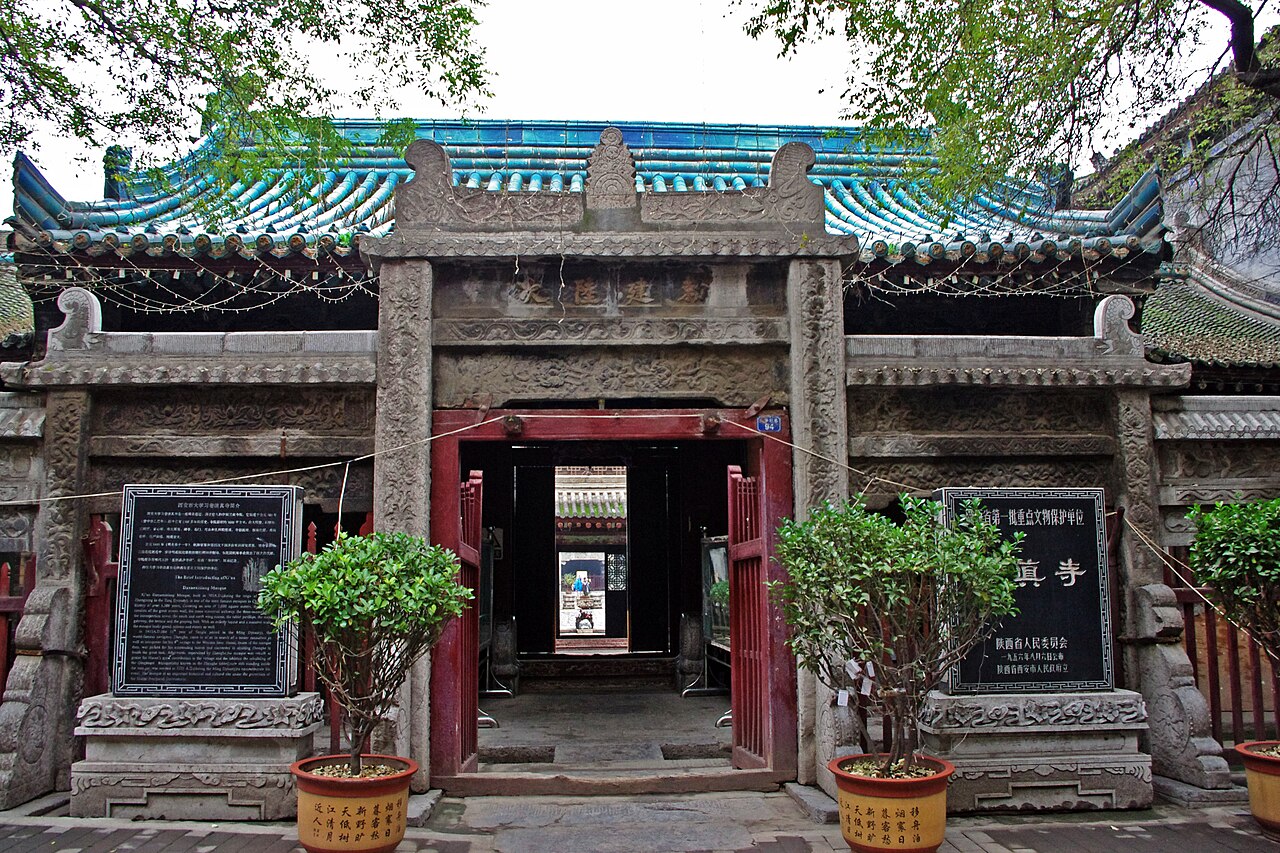
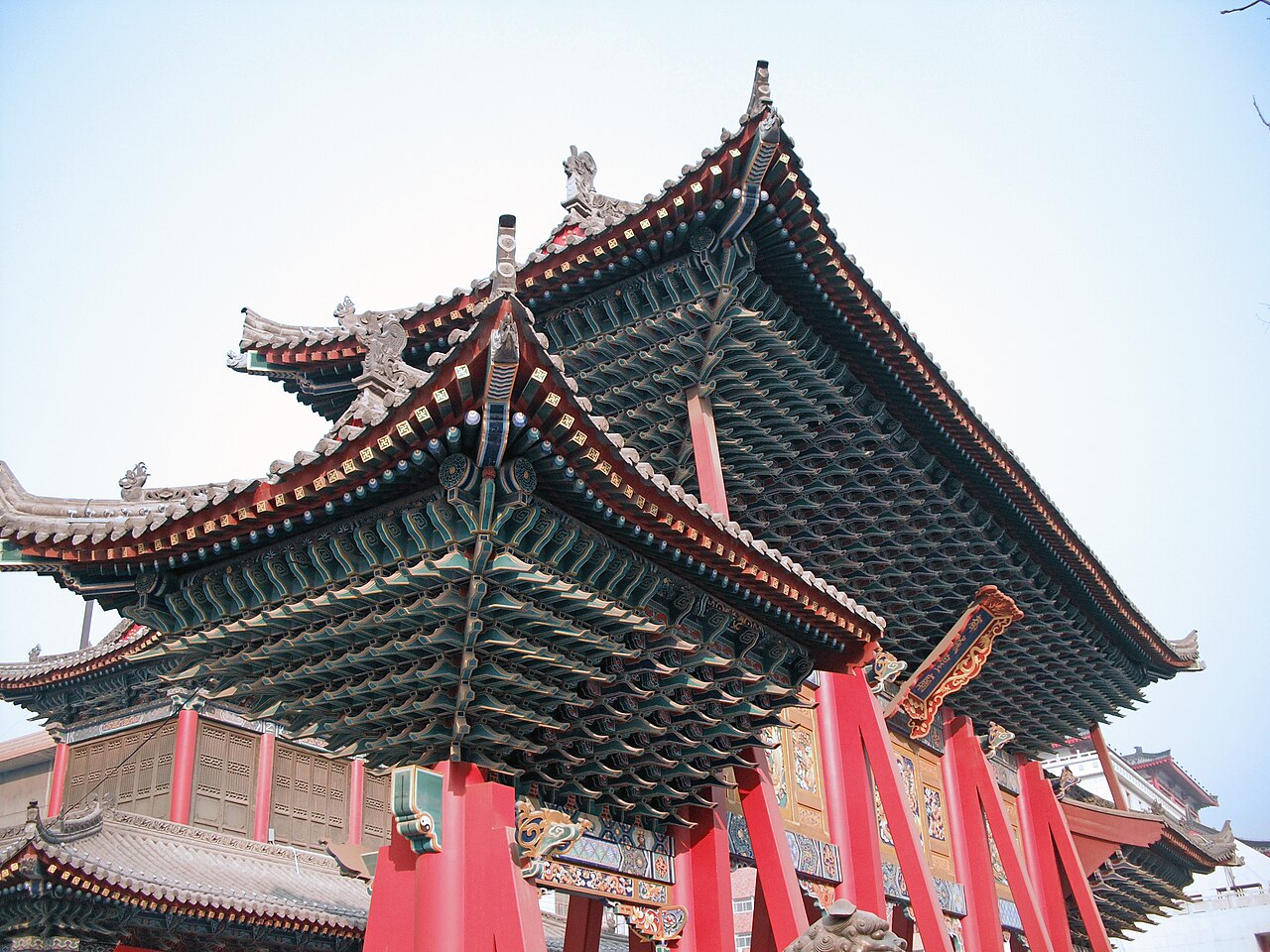
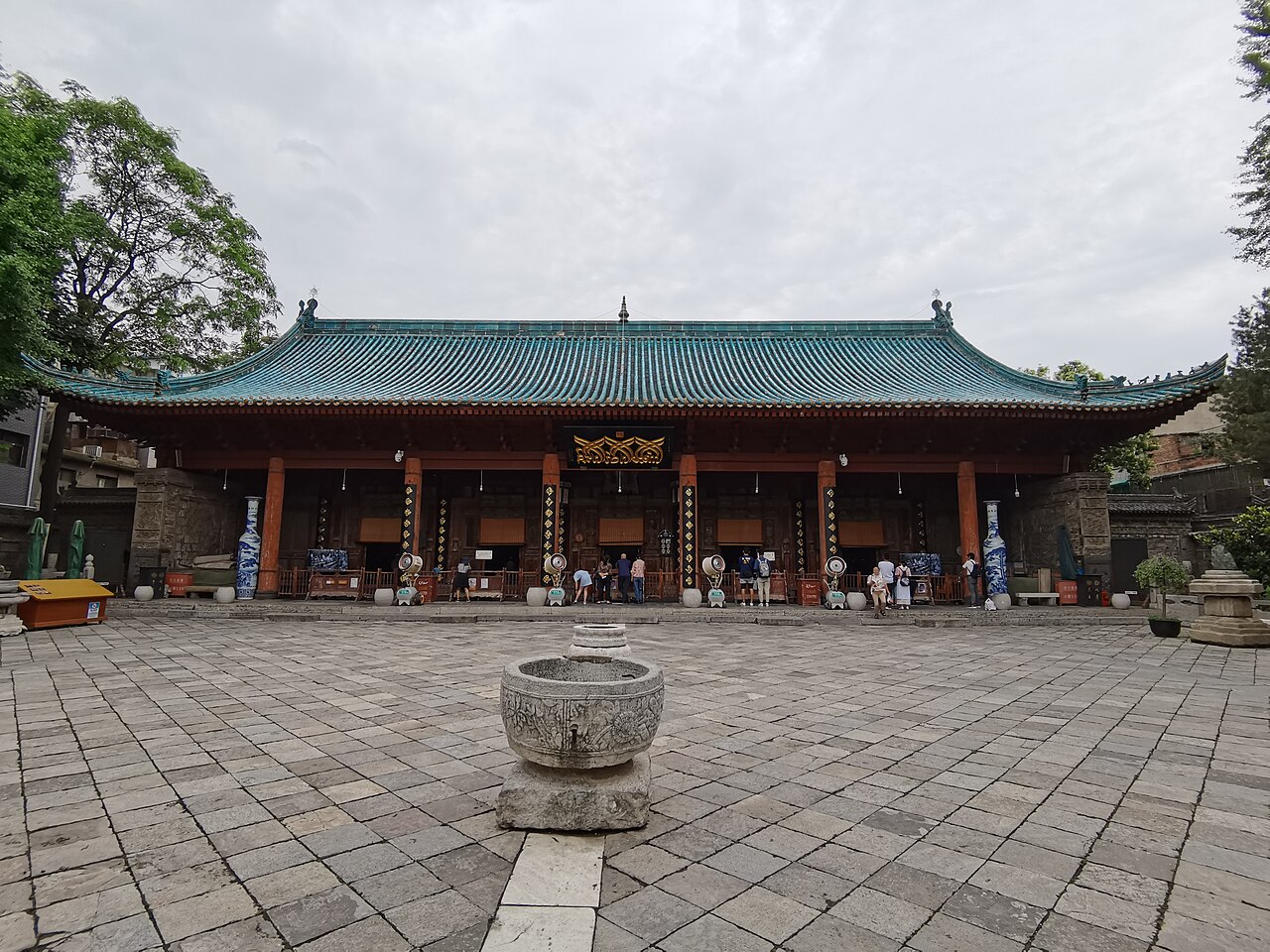
The complex is organised around traditional halls and courtyards, with decorative details associated with Chinese temple architecture. Look at rooflines, painted beams, carved elements, stonework, and the progression from one courtyard to the next. The arrangement is as important as any single feature: axial movement through the grounds creates a measured approach to the principal halls. Religious spaces and ceremonial areas give the site a different character from a secular historic building. The temple complex contains traditional Chinese religious architecture including halls, courtyards, and decorative elements typical of Taoist temple design.
Checked 2026-08-26 · Source
Set aside about one to two hours. That is enough for a calm circuit of the courtyards, time to examine architectural details, and a pause to appreciate the religious setting. Travellers who enjoy Taoist heritage, traditional construction, or photography may stay longer. Because the temple is an urban cultural stop, it can be combined with other central Xi’an sights without requiring an entire day on its own.
Checked 2026-08-26 · Source
Spring and autumn usually make courtyard exploration more comfortable than Xi’an’s hot summers or cold winters. The temple’s urban setting offers some protection from the elements, but much of the experience takes place between halls and open courtyards. A quieter visit gives you more space to observe architectural details and religious practice. Festivals or ceremonies can change the atmosphere, so allow extra patience when worshippers and visitors share the complex.
Checked 2026-08-26 · Source
Plan the temple as a cultural and religious visit, and allow time to move respectfully through its halls and courtyards. Carry the identification documents required for travel in China. Entry arrangements, concessions, and any donation practice belong to the current conditions at the temple. Keep personal spending separate from worship: a voluntary religious contribution is not the same thing as an admission charge. A small amount of local currency can be useful for ordinary city travel.
Checked 2026-08-26 · Source
The temple sits within Xi’an’s central urban area, where buses, metro services, taxis, and ride-hailing connect the main districts. Walking can be practical if you are staying nearby. Use the mapped destination and allow for traffic when travelling by car. The temple can be paired with other central sights, but leave enough time for the courtyards rather than treating it as a quick exterior photograph. Current transit maps are useful for selecting the final stop.
Checked 2026-08-26 · Source
This is a religious site, so dress modestly, keep voices low, and avoid interrupting worship. Courtyards may contain steps or uneven surfaces, and traditional thresholds can slow movement. Watch for signs governing photography or access to interior halls. The surrounding central streets can be busy with pedestrians, vehicles, and commercial activity. Protect valuables as you would elsewhere in a large city, and give people engaged in prayer a wide personal space.
Checked 2026-08-26 · Source
The temple offers strong subjects in its rooflines, courtyards, painted surfaces, carved details, and changing relationship with the modern city around it. Morning and late afternoon light can add shape to exterior features. Inside, keep photography unobtrusive and follow every posted restriction. Do not photograph worshippers closely or interrupt ceremonies for a better angle. A handheld camera is easier to use respectfully than equipment that occupies a busy passage.
Checked 2026-08-26 · Source
It is a Taoist temple complex devoted to the traditional city-god tradition. The visit centres on religious heritage, halls, courtyards, and architectural details within an active urban setting.
Allow approximately one to two hours for a calm circuit of the temple grounds, including time for courtyards, halls, decorative features, and quiet observation.
Choose modest clothing and keep your shoulders and knees covered. Quiet behaviour and respectful movement are important because the complex contains religious spaces and may be used for worship.
Look for the sequence of courtyards, rooflines, painted beams, carved stonework, ornamental details, and the central-axis arrangement that links the halls through the complex.
Yes. Its central urban setting makes it suitable for combination with other city-centre attractions. Reserve one to two hours so the temple remains a meaningful visit rather than only an exterior stop.
Follow signs for interior spaces, keep equipment unobtrusive, avoid close photographs of worshippers, and never interrupt prayer or ceremonies for a picture. Exterior courtyards and architectural details provide plenty of respectful subjects.
Loading the interactive map…
The interactive map could not be loaded.
Last updated:
Source: OpenStreetMap contributors, Wikidata ·