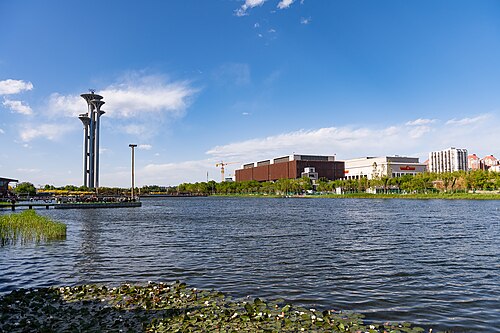
Beijing Olympic Park
北京奥林匹克公园
Beijing Olympic Park is the public Olympic Green precinct created around the principal venues of the 2008 Summer Olympics and reused for the 2022 Winter Games.
- Notable
- Historic monument
- Beijing
Country guide
China covers 9.6 million km², third largest of any country, and holds more than 1.4 billion people — about 17 per cent of everyone alive. It is divided into 33...
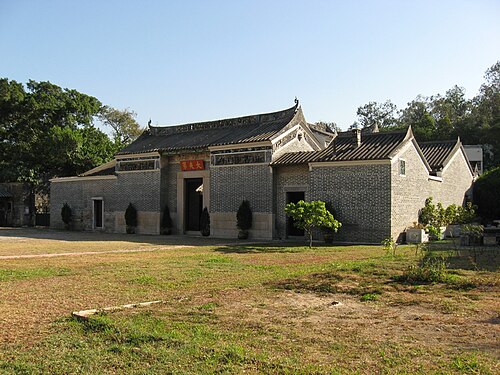
Photograph · Severin.stalder · CC BY-SA 3.0
Reviewed by Elena Voss · Roavina Travel Editor
China covers 9.6 million km², third largest of any country, and holds more than 1.4 billion people — about 17 per cent of everyone alive. It is divided into 33 province-level divisions, two of them special administrative regions.
Beijing is the capital; Shanghai is the most populous city by urban area. Between them the land runs from the Central Plain and the Yangtze and Yellow rivers out to desert, plateau, subtropical and temperate forest, and the Himalayas in the southwest. The first decision a visitor makes here is therefore not which sight to see but which climate to travel in.
Checked 2026-08-25
Every city catalogued in this country so far, ranked by how much there is to see.
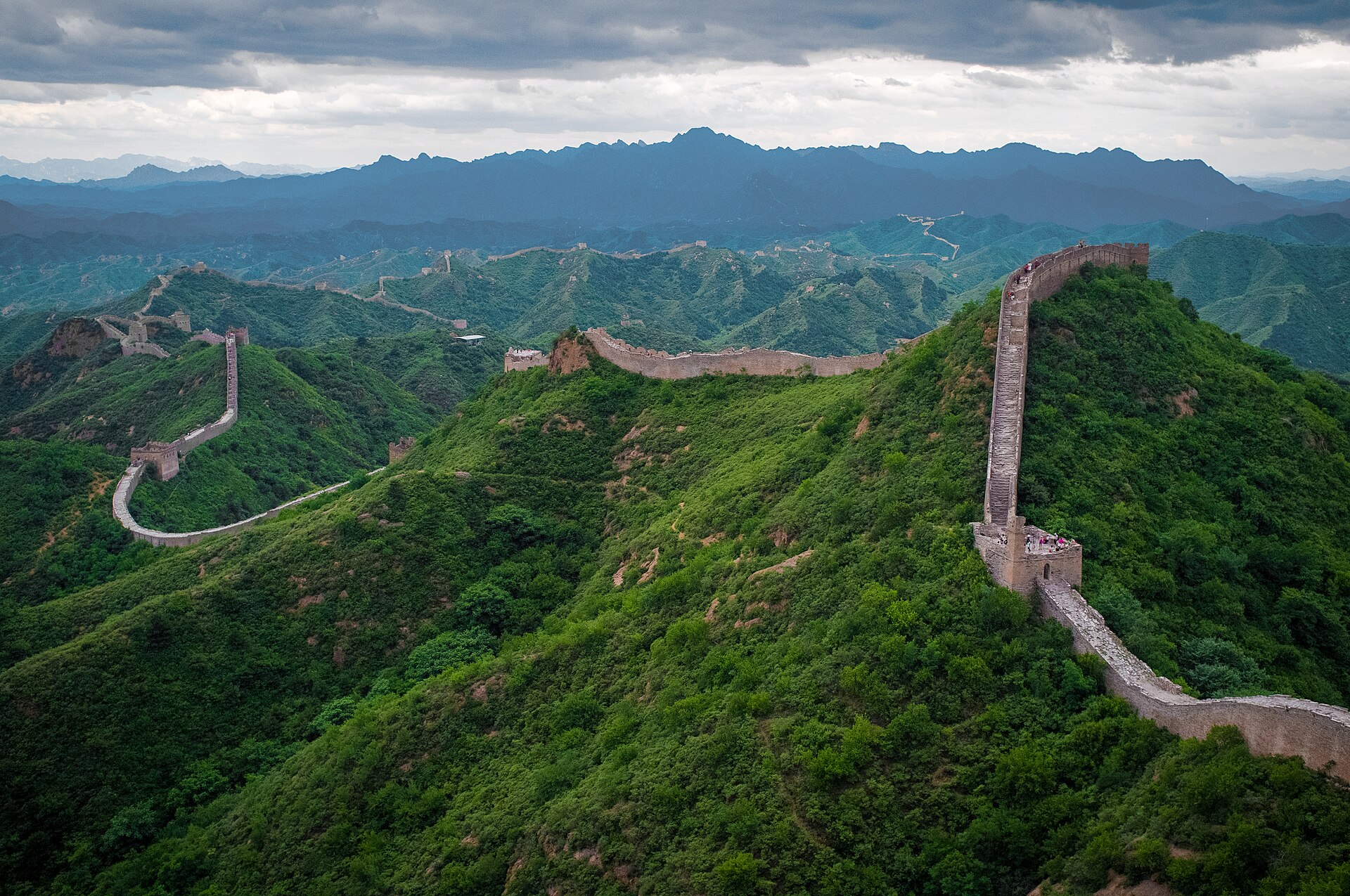
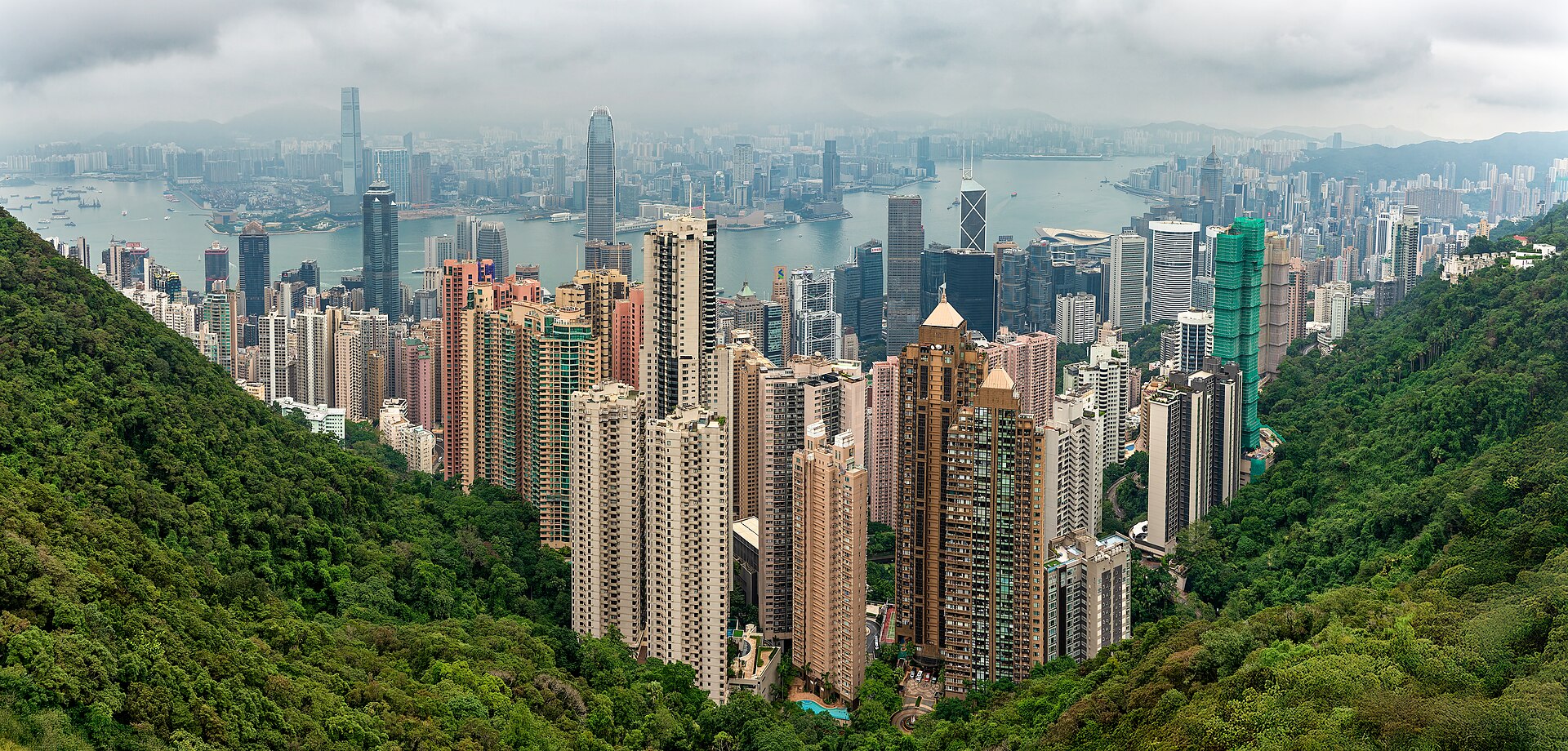
Photograph · N509FZ · CC BY-SA 4.0
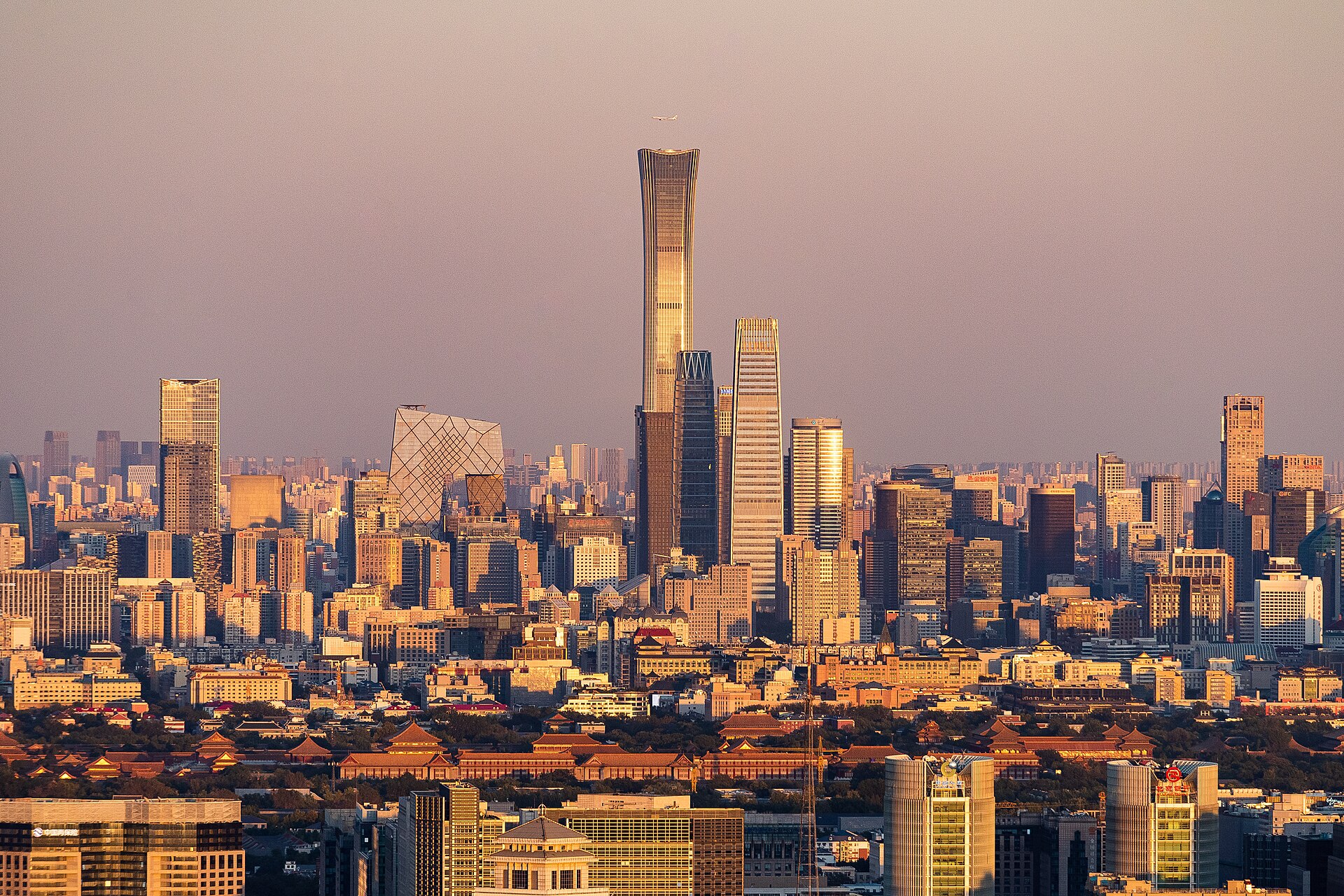
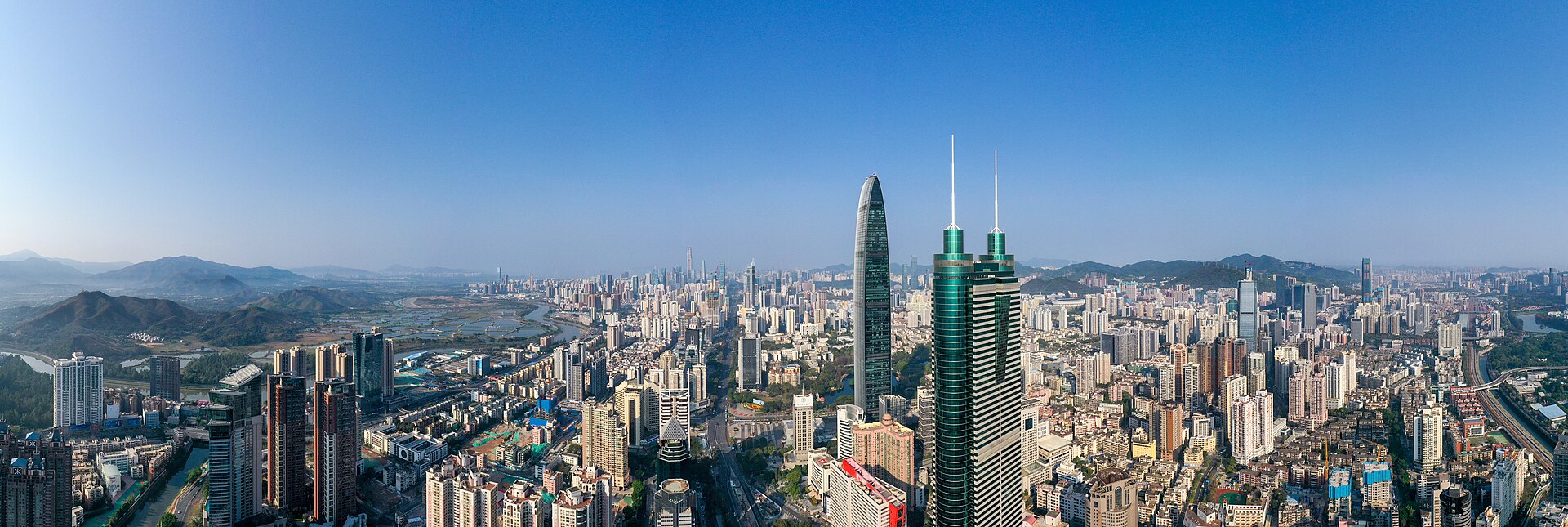
Photograph · King of Hearts · CC BY-SA 4.0
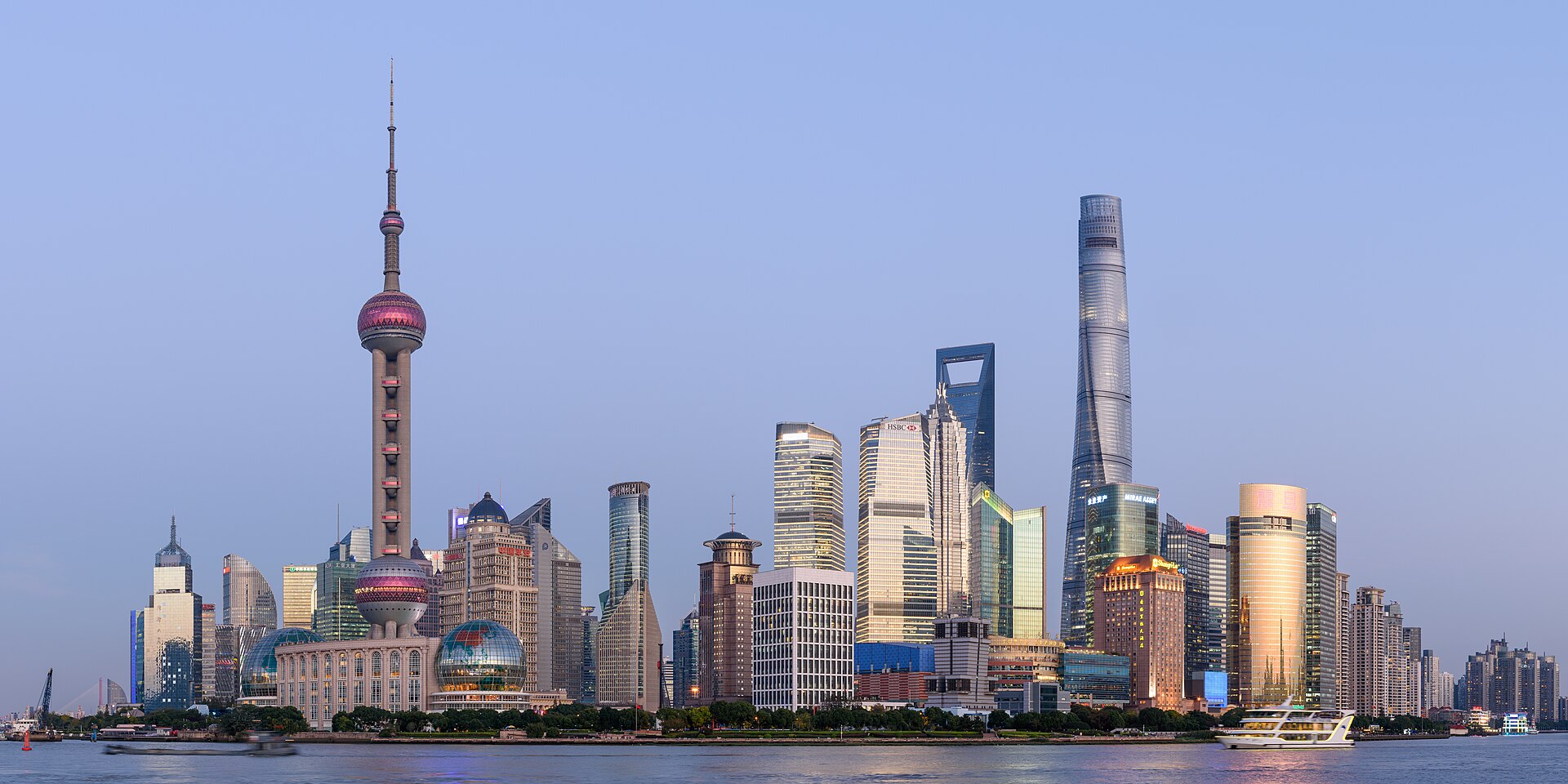
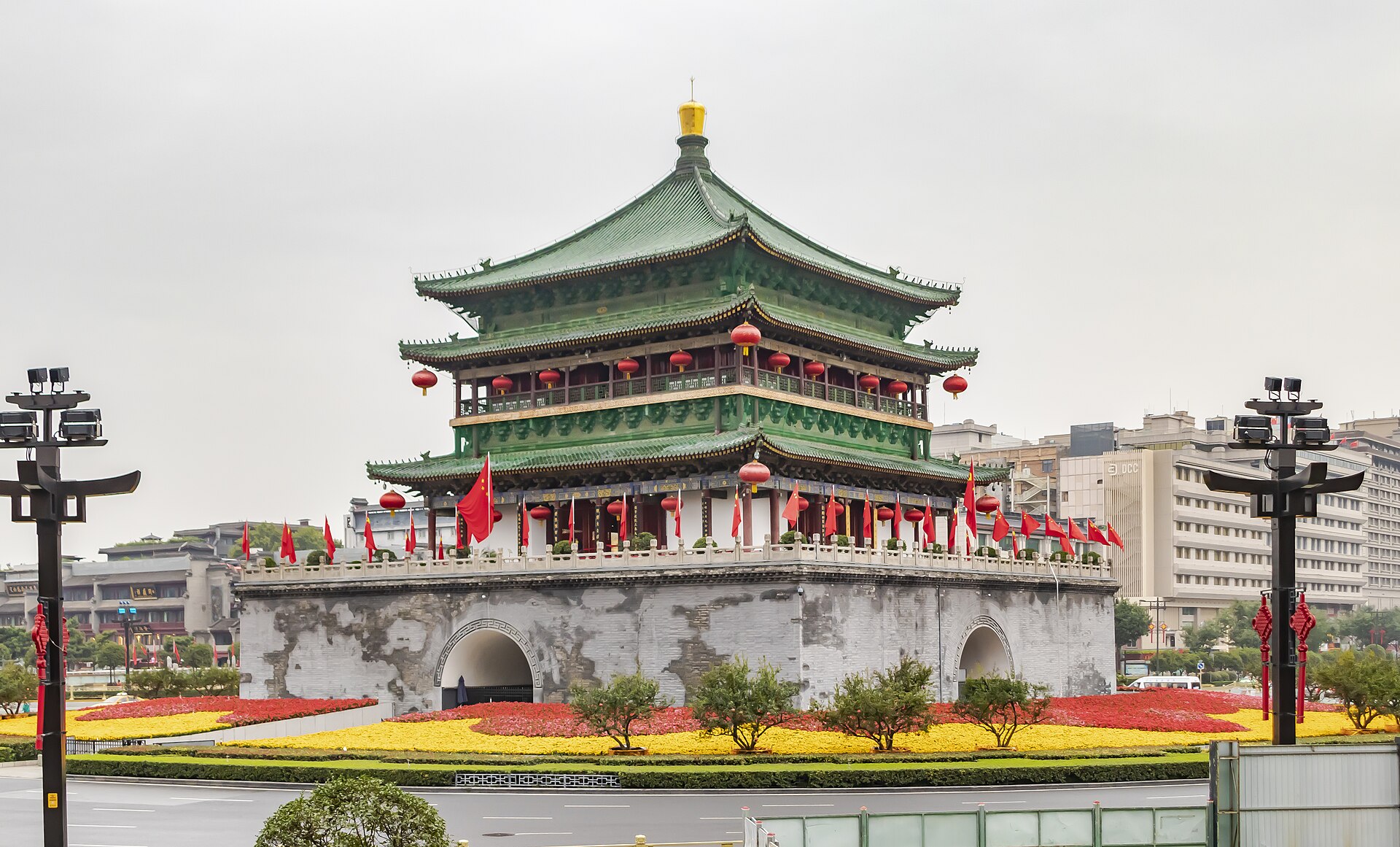
Photograph · Mustang Joe · CC0
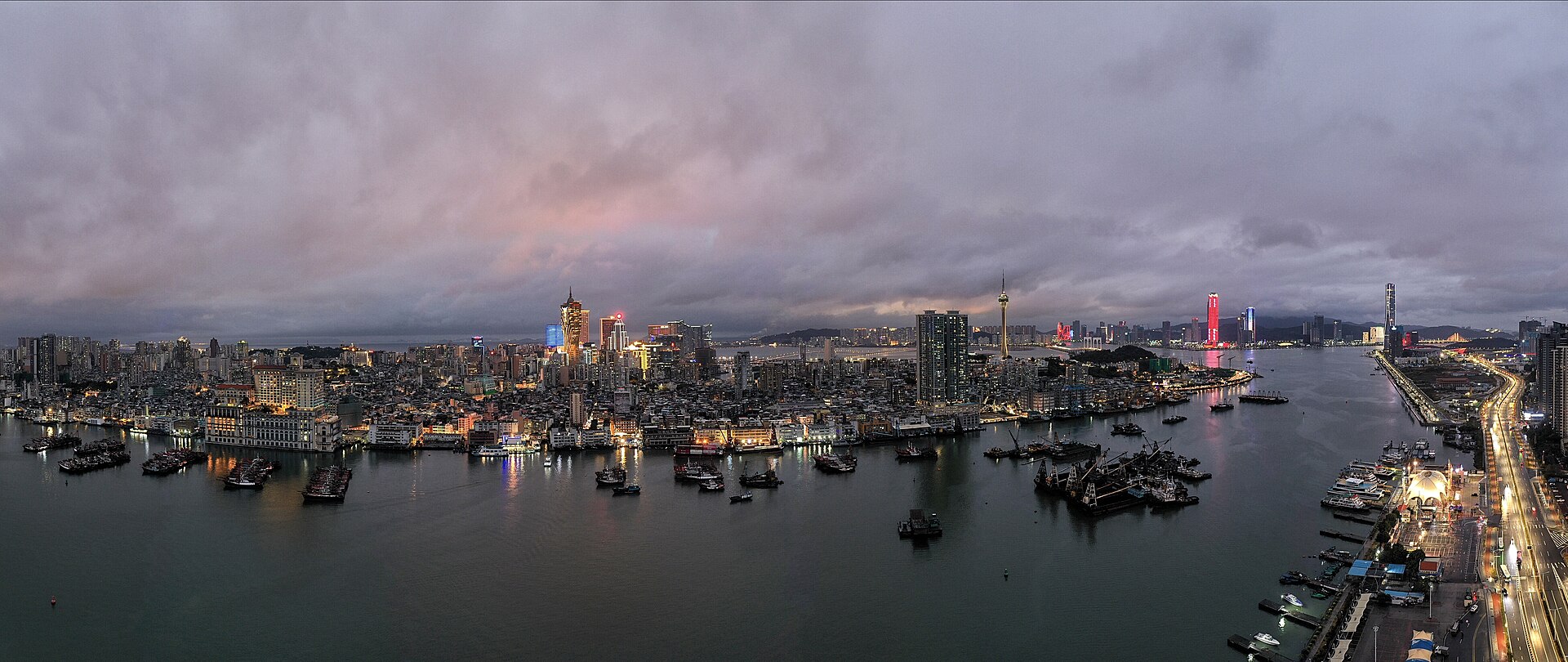
Photograph · Charlie fong · CC BY-SA 4.0
Photograph · ScareCriterion12 · CC BY-SA 4.0
Photograph · Charlie fong · CC BY-SA 4.0
Seasonal closures come from recorded opening hours.
Ranked by importance — sitelinks, pageviews and heritage status, not editor preference.
79 places match
Category
Typical visit duration
Interests
北京奥林匹克公园
Beijing Olympic Park is the public Olympic Green precinct created around the principal venues of the 2008 Summer Olympics and reused for the 2022 Winter Games.
长乐门
Changle Gate, or 长乐门, is an eastern gate of Xi'an's preserved city wall. The gate belongs to the Ming-era fortification that encloses the historic centre and remains one of the city's clearest reminders of its imperial past.
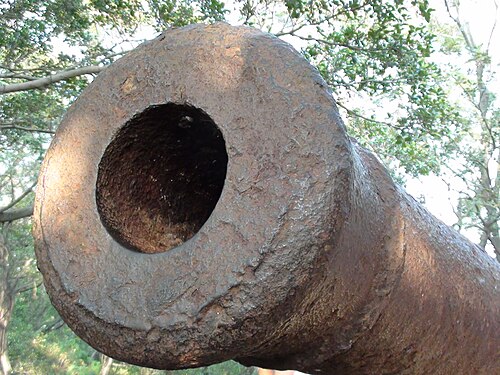
赤湾左炮台
Chiwan Left Fort, or 赤湾左炮台, is a historic coastal defence site in Shenzhen’s Nanshan District near Chiwan Port. The fort represents the military role of the Pearl River approaches and preserves a link between Shenzhen’s coastline and earlier maritime security.
大栅栏
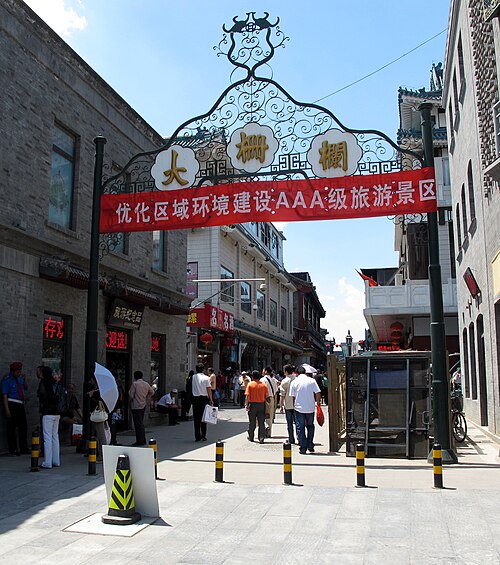
Dashilan, known in Chinese as 大栅栏, is a historic commercial street in central Beijing. It lies south of Tiananmen Square within the Xicheng District, forming part of the old inner city.
The Drum Tower of Beijing is a historic timekeeping structure in the Dongcheng district. It originally served as the principal timekeeping tower for the old city, marking the hours with drum beats.
观澜版画村
Guanlan Printmaking Village is a cultural heritage site in Shenzhen's Longhua District, known for its historical architecture and contemporary printmaking tradition. The village preserves traditional Hakka-style buildings while functioning as an active base for printmaking artists.
龙庆峡
Longqing Gorge, known locally as 龙庆峡, is a scenic canyon area located north of Beijing's urban core. The gorge features a reservoir formed by dam construction, creating an elongated water body between steep mountainous terrain.
三里屯
Sanlitun is a lively commercial and nightlife district in Beijing’s Chaoyang District. Once associated with the city’s diplomatic quarter, it now brings together shopping, dining, international brands, bars, hotels, and social life across a busy urban area.
石澳 Shek O
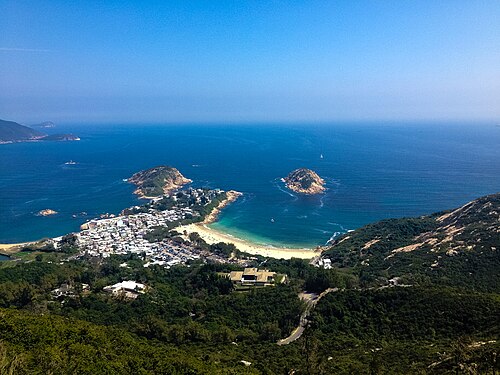
Shek O is a coastal village and beach area on the southeastern shore of Hong Kong Island. The local name 石澳 reflects its identity in both Chinese characters and romanised form.
SoHo East 蘇豪東
SoHo East is a dining and entertainment district on the eastern shore of Hong Kong Island, positioned along the Sai Wan Ho waterfront.
赤柱市集 Stanley Market
Stanley Market is a well-known outdoor shopping destination located in the Stanley district of Hong Kong Island. The local name is 赤柱市集 Stanley Market.
大欖涌水塘紀念碑 Tai Lam Chung Reservoir Memorial Stone
Tai Lam Chung Reservoir Memorial Stone is a commemorative monument located in the vicinity of Tai Lam Chung Reservoir, Hong Kong's first country park reservoir completed in the 1950s.
王府井大街
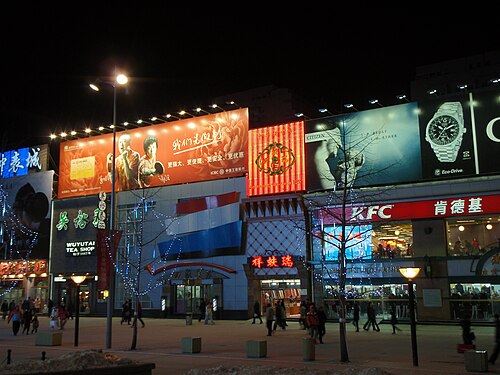
Wangfujing Street is Beijing's most famous central shopping street and a major pedestrian visitor district. Located in Dongcheng District near the Forbidden City, it stretches as a commercial thoroughfare that has served as a retail hub for over a century.
新场古镇
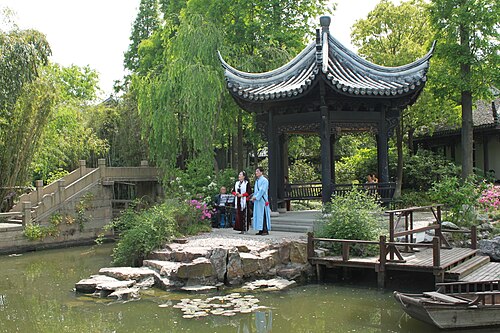
Xinchang Ancient Town, known locally as 新场古镇, is a historic water town located in the Pudong New Area of Shanghai, China. It represents a preserved example of traditional Jiangnan architecture and canal-town settlement patterns.
烟袋斜街
Yandai Xiejie, whose local name is 烟袋斜街, is a historic hutong alleyway in Beijing. The name translates approximately to Skewed Tobacco Pouch Street, derived from its distinctive shape resembling a traditional tobacco pipe.
永宁门
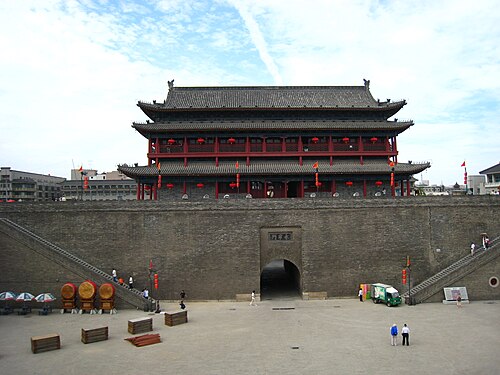
Yongning Gate is the southern gate of Xi'an's historic city wall. Known as the Gate of Eternal Peace, it combines a preserved Ming-era defensive setting with an active urban landmark.
永兴坊
Yongxingfang is a visitor-oriented cultural and food district where Shaanxi traditions are presented through regional dishes, themed architecture, craft displays, and pedestrian lanes. It works best as a relaxed tasting stop rather than a single monument.
朱家角古镇旅游区
Zhujiajiao Ancient Town is a historic water town located in the Qingpu District of Shanghai municipality. The settlement dates to the Yuan dynasty period and developed as a trading hub along the Dianshan Lake watershed.
Guangming Farm Grand View Garden is an agricultural tourism attraction in Shenzhen’s Guangming District. It offers a rural counterpoint to the city’s dense urban landscape, bringing visitors into a farm-oriented setting within the metropolitan area.
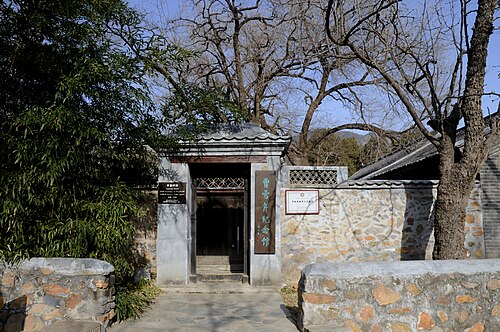
The Cao Xueqin Memorial Hall commemorates the celebrated Qing dynasty author of Dream of the Red Chamber, China's most famous classical novel. Located in Beijing, this cultural site honors Cao Xueqin's literary legacy and his connection to the city.
大夫第 Tai Fu Tai
坳背灣 Au Pui Wan
滘西洲石刻 Kau Sai Chau Rock Carving
Twelve to eighteen days can link Beijing, Xi'an, and Shanghai by high-speed rail, with Shenzhen as a southern extension. Hong Kong and Macao need separate border planning and should not be treated as ordinary domestic stops on the same timetable.
Entry rules differ between mainland China, Hong Kong, and Macao, even within one journey. Check the official immigration authority for every border segment and match the permission to the passport, purpose, and exact itinerary.
High-speed rail and domestic flights cover mainland distances, while metros handle most urban journeys. Hong Kong uses Octopus and separate border controls, and Macao has its own formalities, so prepare payment and identity requirements for each jurisdiction.
April to May and September to October are only broad mainland planning windows. Beijing, Shanghai, the south, Hong Kong, and Macao have different heat, rain, and holiday pressures; the least flexible regional leg should set the dates.
Mainland China uses renminbi (CNY), while Hong Kong and Macao use HKD and MOP. Payment systems and card acceptance differ across those jurisdictions, so prepare the appropriate local method before crossing each border.
On the mainland, save 110 for police and 120 for medical help; Hong Kong and Macao use separate emergency systems. Mainland electricity is recorded as 220 V with Type A, C, and I sockets, while tap-water guidance is not recorded.