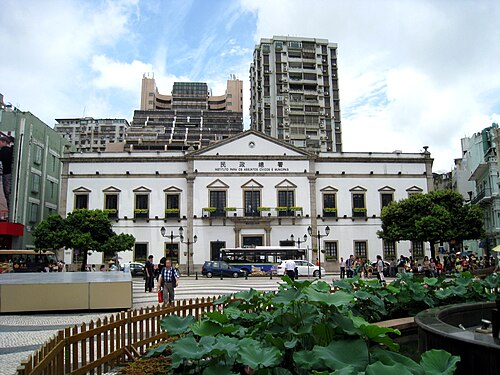
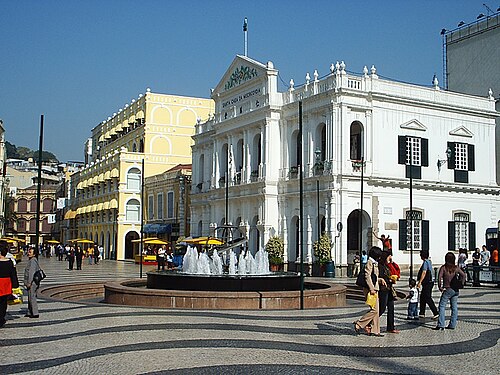
Senado Square
議事亭前地
Senado Square, known locally as 議事亭前地, is a public square in the historic centre of Macau. It forms part of the Historic Centre of Macau UNESCO World Heritage Site.
- Must see
- Historic monument
- Macau
Language · 11 published
Country guide
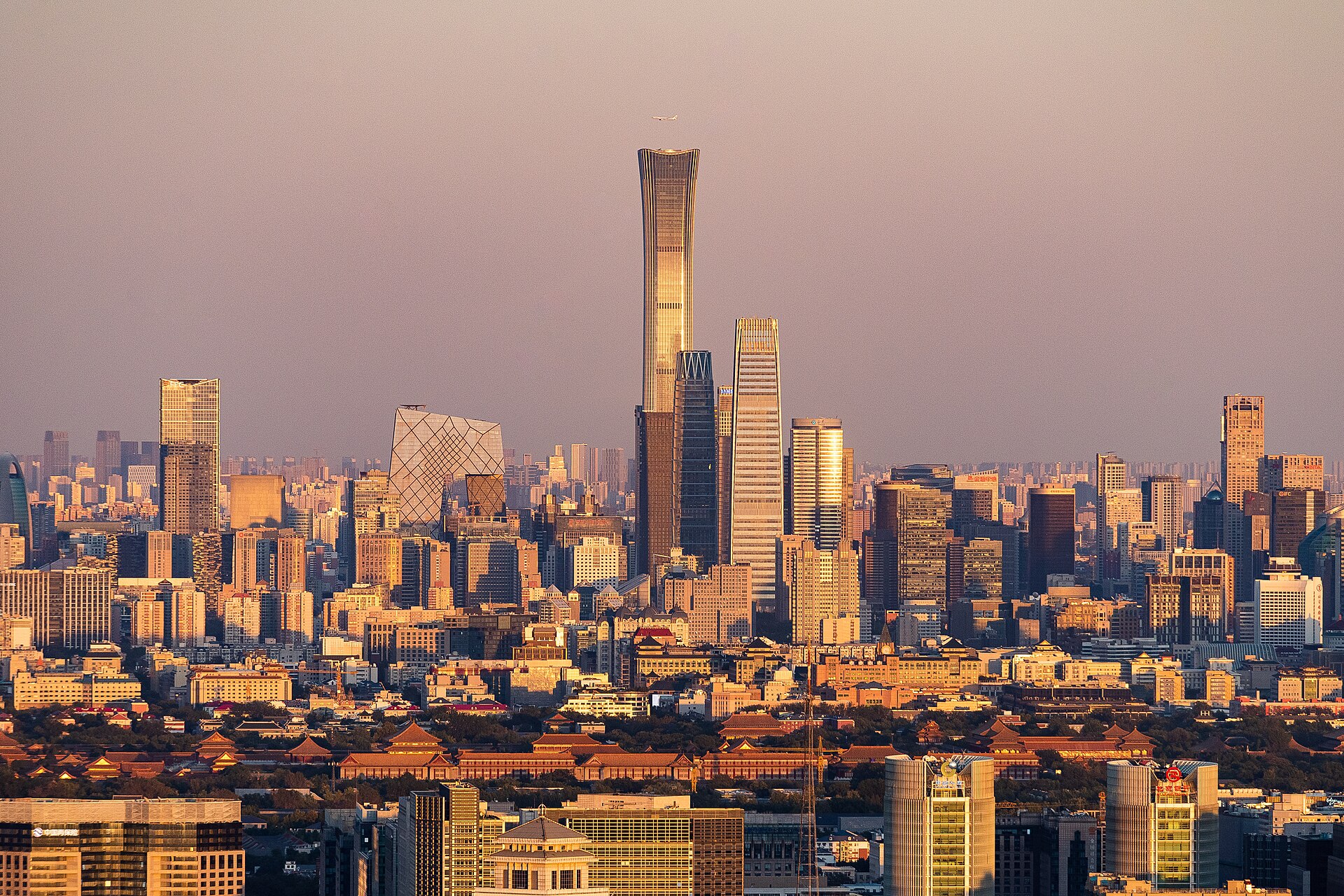
China covers 9.6 million km², third largest of any country, and holds more than 1.4 billion people — about 17 per cent of everyone alive. It is divided into 33 province-level divisions, two of them special administrative regions. Beijing is the capital; Shanghai is the most populous city by urban area. Between them the land runs from the Central Plain and the Yangtze and Yellow rivers out to desert, plateau, subtropical and temperate forest, and the Himalayas in the southwest. The first decision a visitor makes here is therefore not which sight to see but which climate to travel in.
Reviewed by Elena Voss · Roavina Travel Editor
Every city catalogued in this country so far, ranked by how much there is to see.
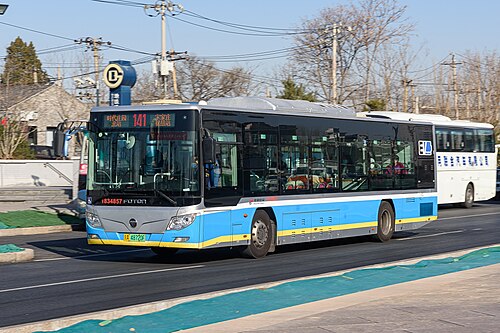
Photograph · N509FZ · CC BY-SA 4.0
Photograph · King of Hearts · CC BY-SA 4.0
Photograph · Mustang Joe · CC0
Photograph · Charlie fong · CC BY-SA 4.0
Photograph · ScareCriterion12 · CC BY-SA 4.0
Photograph · Charlie fong · CC BY-SA 4.0
Ranked by importance — sitelinks, pageviews and heritage status, not editor preference.
89 places match
Category
Typical visit duration
Interests
議事亭前地
Senado Square, known locally as 議事亭前地, is a public square in the historic centre of Macau. It forms part of the Historic Centre of Macau UNESCO World Heritage Site.
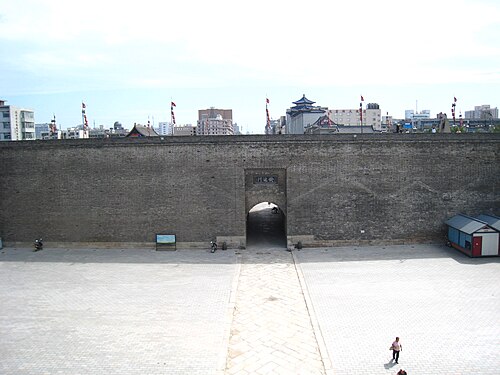
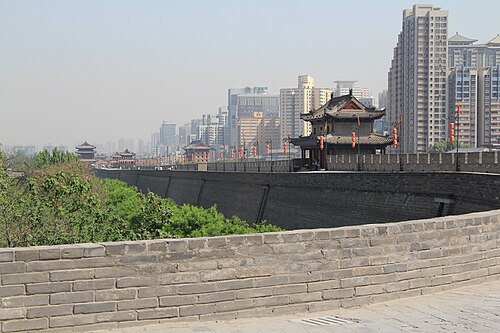
Xi'an City Wall is a major military defensive system in Chinese history. The existing structure dates primarily to the early Ming dynasty, built on foundations from earlier periods including Tang dynasty fortifications.
The Former French Concession is a large historic area of central Shanghai rather than a single preserved monument. France obtained the concession in 1849, and its boundaries expanded as Shanghai grew before the administration ended during the Second World War.
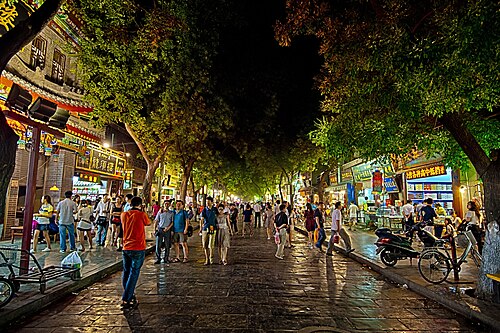
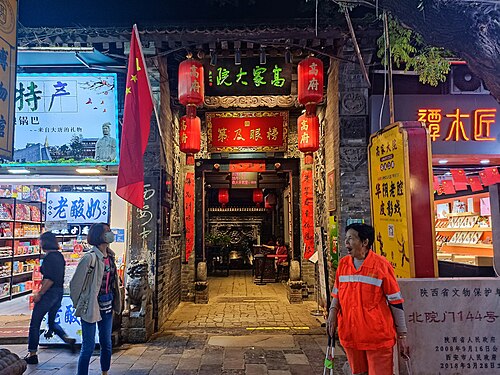
Xi'an Muslim Quarter is a lived commercial and residential district in the city centre, known for Hui culture, mosques and food streets. It is not one market hall or a single ticketed attraction.
The Ming Tombs form a dispersed imperial necropolis in Changping District rather than a single museum. Thirteen Ming emperors were buried across a valley selected for its landscape and geomantic setting.
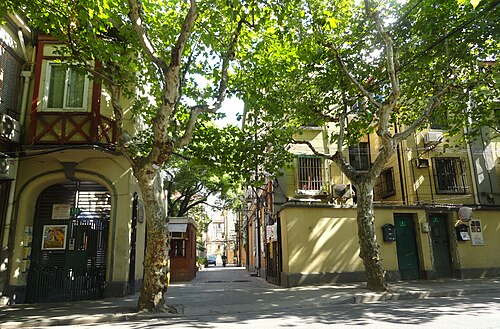
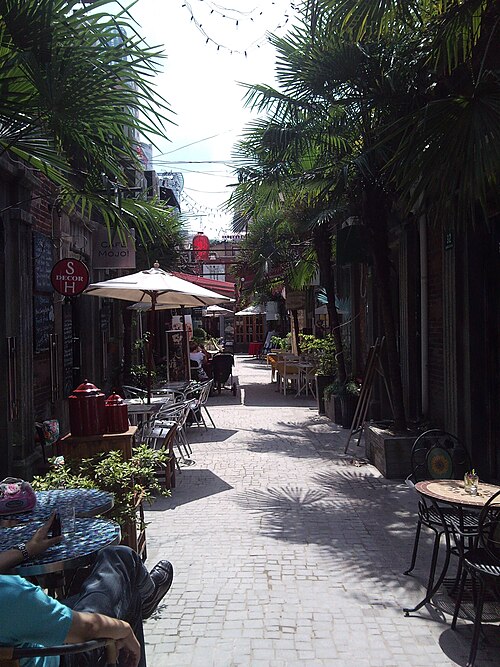
Xintiandi is a pedestrianized entertainment and shopping district in central Shanghai. The area comprises restored traditional shikumen lane houses, a distinctive architectural form combining Western and Chinese elements that was prevalent in the city from the 1860s to the 1930s.
民政總署大樓
The Leal Senado Building stands in Senado Square at the heart of Macau’s historic centre. Its name means Loyal Senate in Portuguese, recalling the building’s role in colonial municipal government.
Qianmen Street is the historic ceremonial southern approach to Beijing's old inner city and its leading traditional commercial thoroughfare.
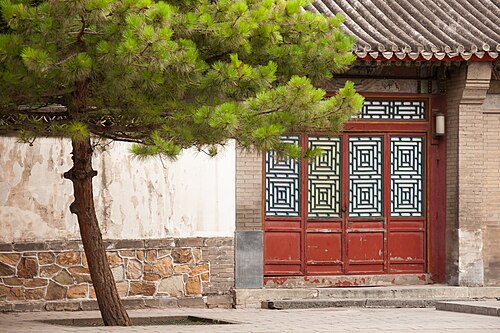
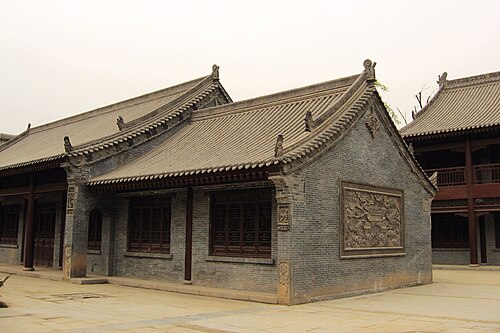
Gao Family Courtyard is a preserved historical residence located within Xian's Muslim Quarter. The compound represents traditional Shaanxi architecture and offers visitors an interior space distinct from the surrounding food streets.
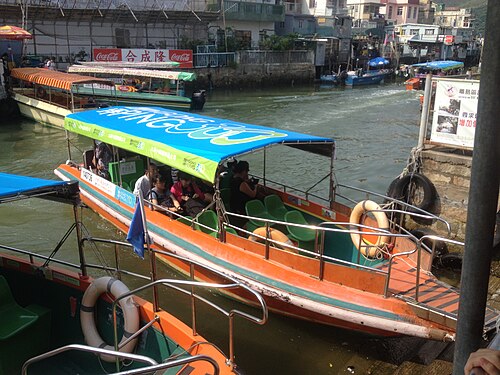
Tai O is a historic fishing village on the western coast of Lantau Island, Hong Kong. It is one of the territory's oldest settlements, renowned for its distinctive stilt houses built over tidal flats.
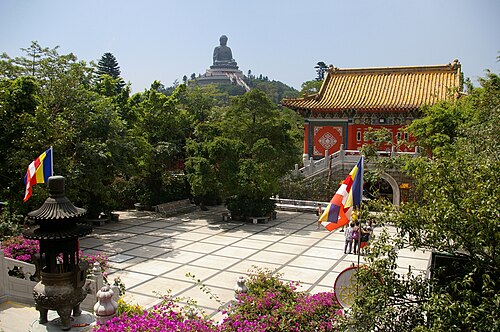
天壇大佛 Tian Tan Buddha Statue
The Tian Tan Buddha sits on the summit of Mount Muk Yue, 482 metres above sea level, at the edge of the Ngong Ping plateau on Lantau Island.
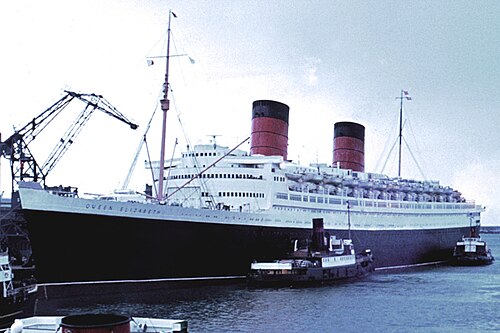
伊利莎白皇后號 RMS Queen Elizabeth
The RMS Queen Elizabeth was a British ocean liner launched in 1938, which served as a troopship during World War II and later as a luxury transatlantic passenger liner.
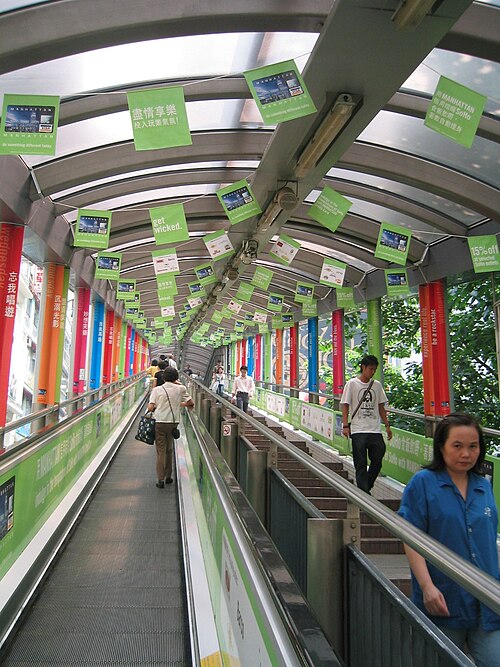
中環至半山自動扶手電梯系統 Central-Mid-Levels Escalator System
The Central to Mid-Levels Escalator and Walkway System is a piece of public transport infrastructure that happens to have become a sight.
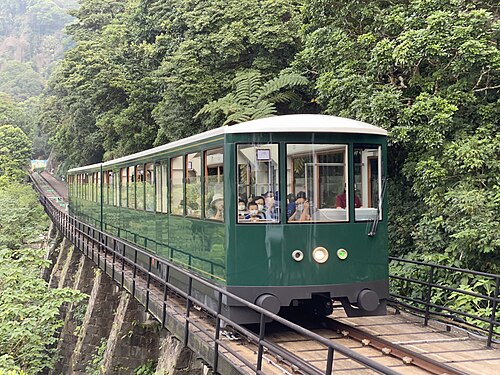
山頂纜車 Peak Tram
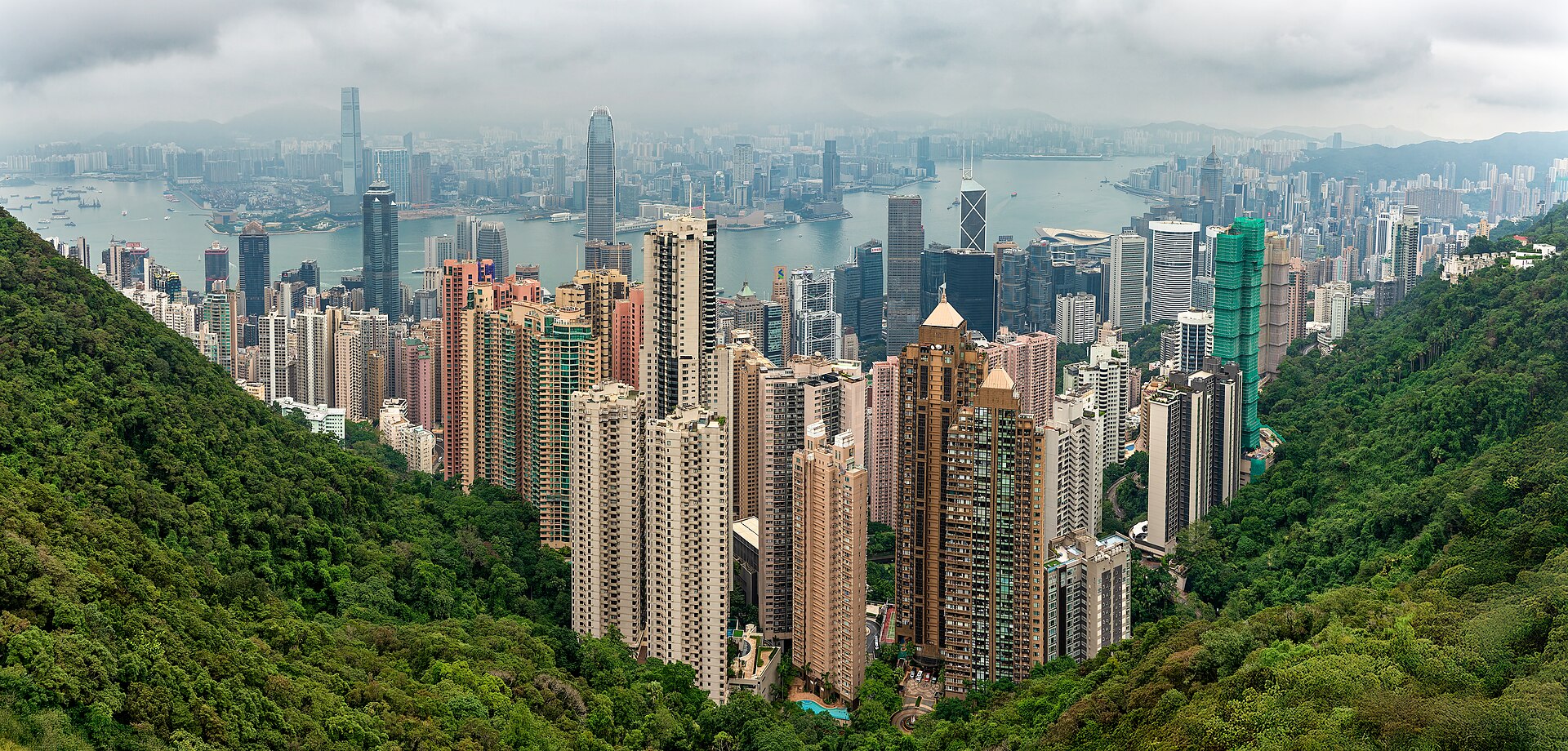
The Peak Tram is a double reversible funicular railway that hauls two tramcars up the north face of Hong Kong Island between Garden Road in Central and Victoria Gap, the saddle in the hills where the Peak Tower stands.
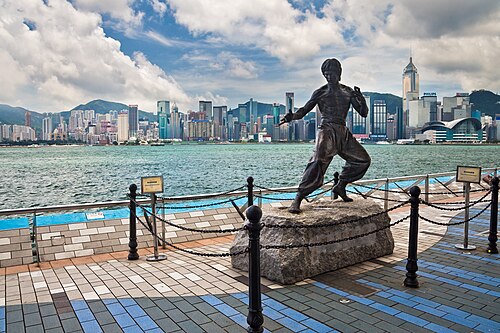
星光大道 Avenue of Stars
The Avenue of Stars is a 440-metre waterfront promenade on the Tsim Sha Tsui shore of Victoria Harbour, built as a tribute to the Hong Kong film industry and laid out as a walk rather than as a building.
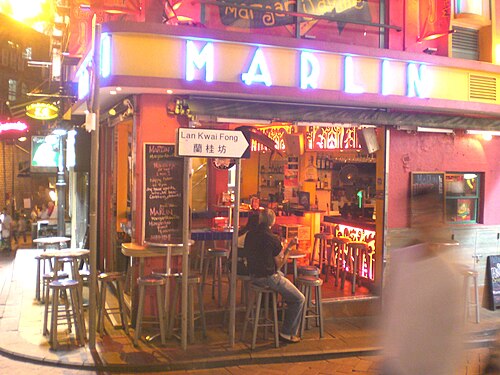
蘭桂坊 Lan Kwai Fong
Lan Kwai Fong is a compact nightlife and entertainment district in Central, Hong Kong. The area comprises a cluster of L-shaped streets and alleys that form one of the territory's most concentrated zones of bars, restaurants, and clubs.
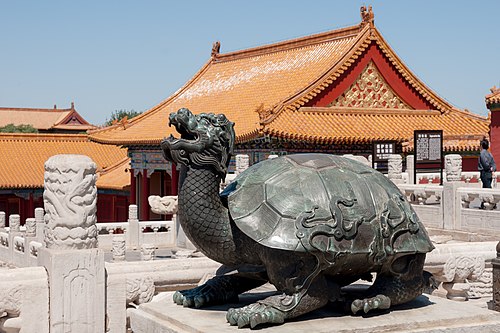
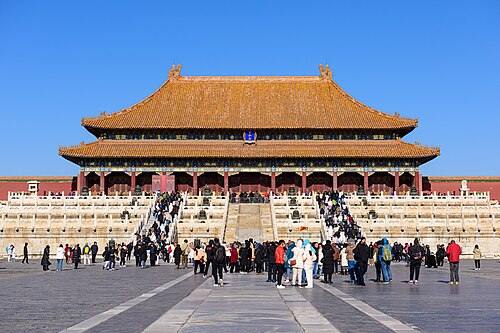
故宫
The Forbidden City is the palace complex that housed 24 Ming and Qing emperors and now forms the Palace Museum. Completed in 1420, it covers more than one million square metres and contains around 9,000 architectural bays.
颐和园
The Summer Palace is Beijing's best-preserved imperial garden, organised around Longevity Hill and Kunming Lake.
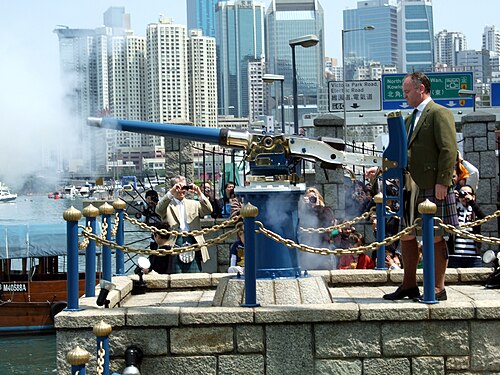
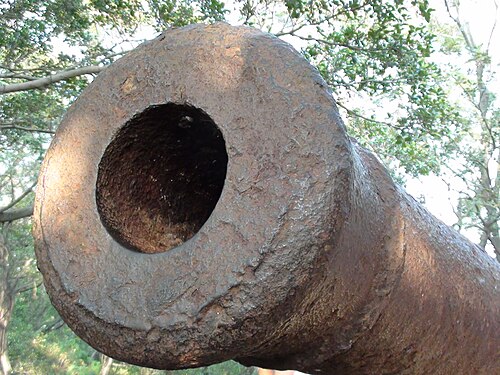
怡和午砲 Noonday Gun
The Noonday Gun is a historic naval artillery piece located in Causeway Bay, Hong Kong Island. It is famously fired daily at noon, a tradition maintained by Jardine Matheson, the British trading company established in the territory.
天坛公园
The Temple of Heaven is a renowned imperial religious complex in Beijing, China. Its local name is 天坛.
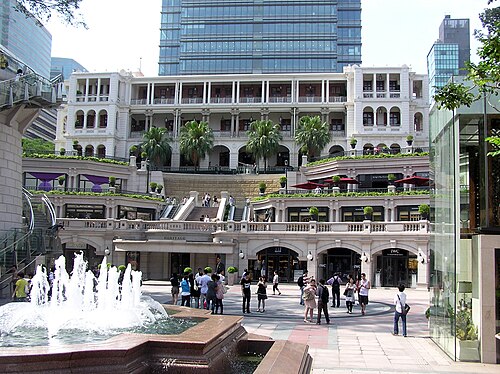
1881 Heritage
1881 Heritage occupies the Former Marine Police Headquarters, a declared monument in Tsim Sha Tsui, Kowloon. The compound comprises the main building constructed in 1884, the stable block, and a signal tower added in 1907.
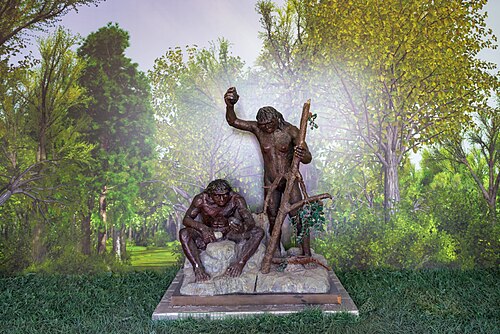
周口店北京人遗址
Zhoukoudian Peking Man Site is a paleoanthropological locality in southwest Beijing. It yielded fossils of Homo erectus pekinensis, commonly called Peking Man, in excavations during the early twentieth century.
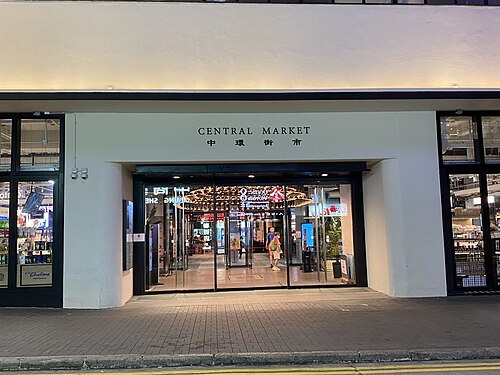
中環街市 Central Market
Central Market is a historic market building located in the Central district of Hong Kong Island. The structure represents one of the city's significant surviving examples of market architecture from the early twentieth century.
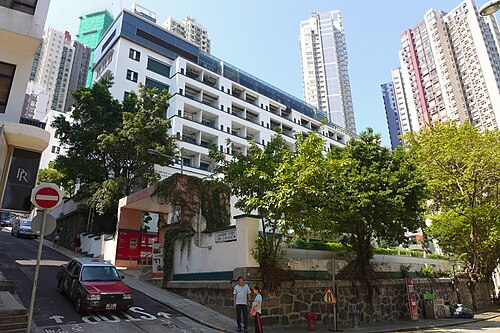
PMQ 元創方
PMQ, formerly the Police Married Quarters, is a creative hub in Hong Kong's Sheung Wan district. The heritage site has been revitalized into a center for design, creativity, and entrepreneurship.
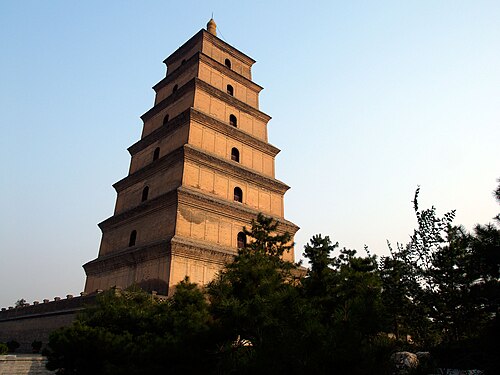
大雁塔
The Big Wild Goose Pagoda, known locally as 大雁塔, stands as a prominent Buddhist pagoda in Xi'an, Shaanxi Province.
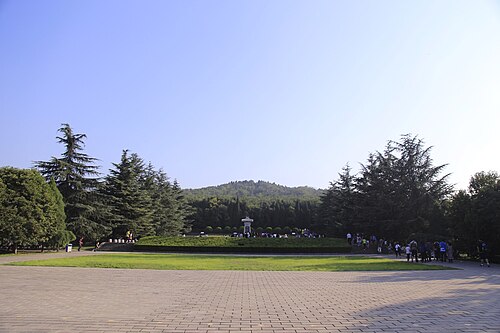
秦始皇帝陵博物院丽山园
The Mausoleum of the First Qin Emperor is the burial complex associated with Qin Shi Huang, the ruler who unified China and established the Qin dynasty.
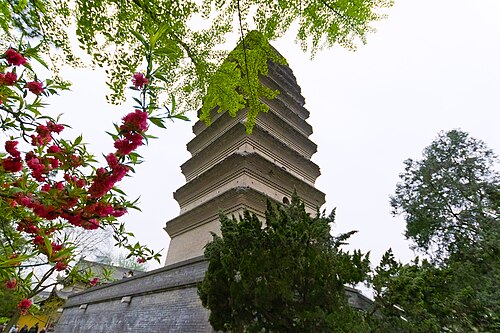
小雁塔
The Small Wild Goose Pagoda is a historic Buddhist pagoda in Xi'an, also known locally as 小雁塔. It is associated with the Jianfu Temple complex and preserves a major example of Tang Dynasty religious architecture.
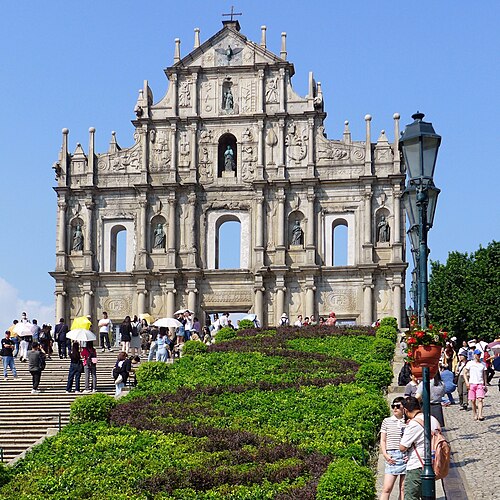
大三巴牌坊 Ruínas de São Paulo
The Ruins of St. Paul's are the surviving granite facade of the Church of Mater Dei and the remains of St. Paul's College in Macau.
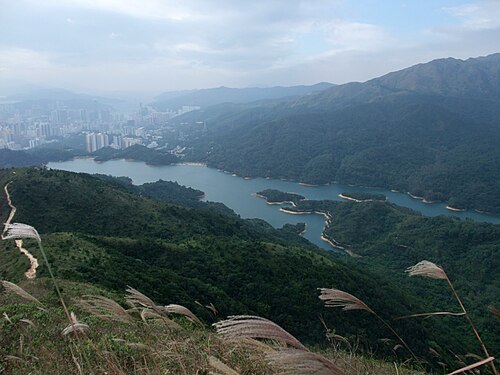
城門水塘 Shing Mun Reservoir
Shing Mun Reservoir is a water storage facility in the New Territories of Hong Kong. Constructed in the 1930s, it represents an important piece of colonial-era infrastructure.
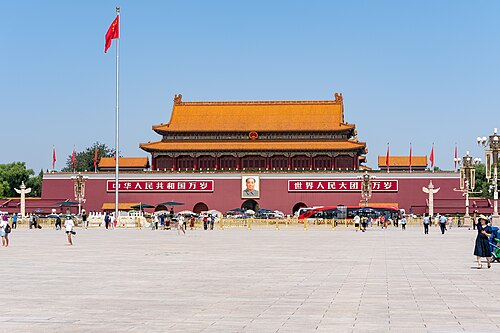
天安门广场
Tiananmen Square is a vast public plaza in central Beijing, China. The local name is 天安门广场. It holds significant historical and political importance as a ceremonial and gathering space.
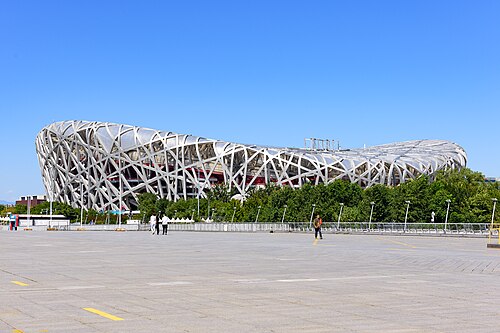
国家体育场
The National Stadium, locally known as 国家体育场, is a major sports venue in Beijing. It was constructed for the 2008 Summer Olympics and Paralympics, serving as the primary stadium for opening and closing ceremonies as well as athletics events.
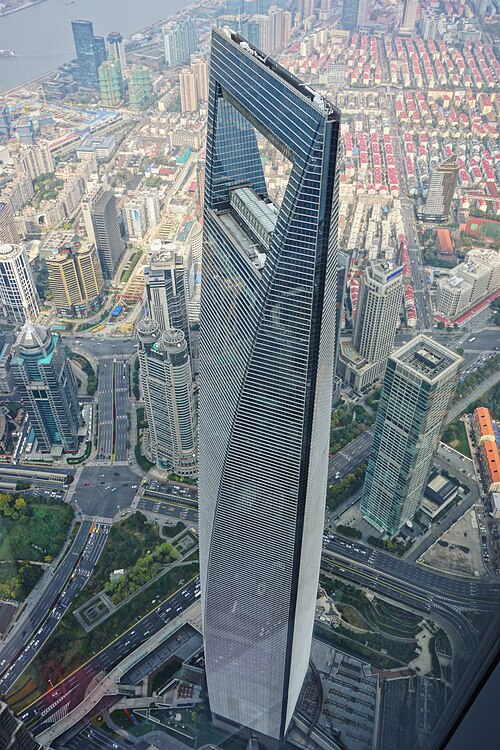
上海环球金融中心
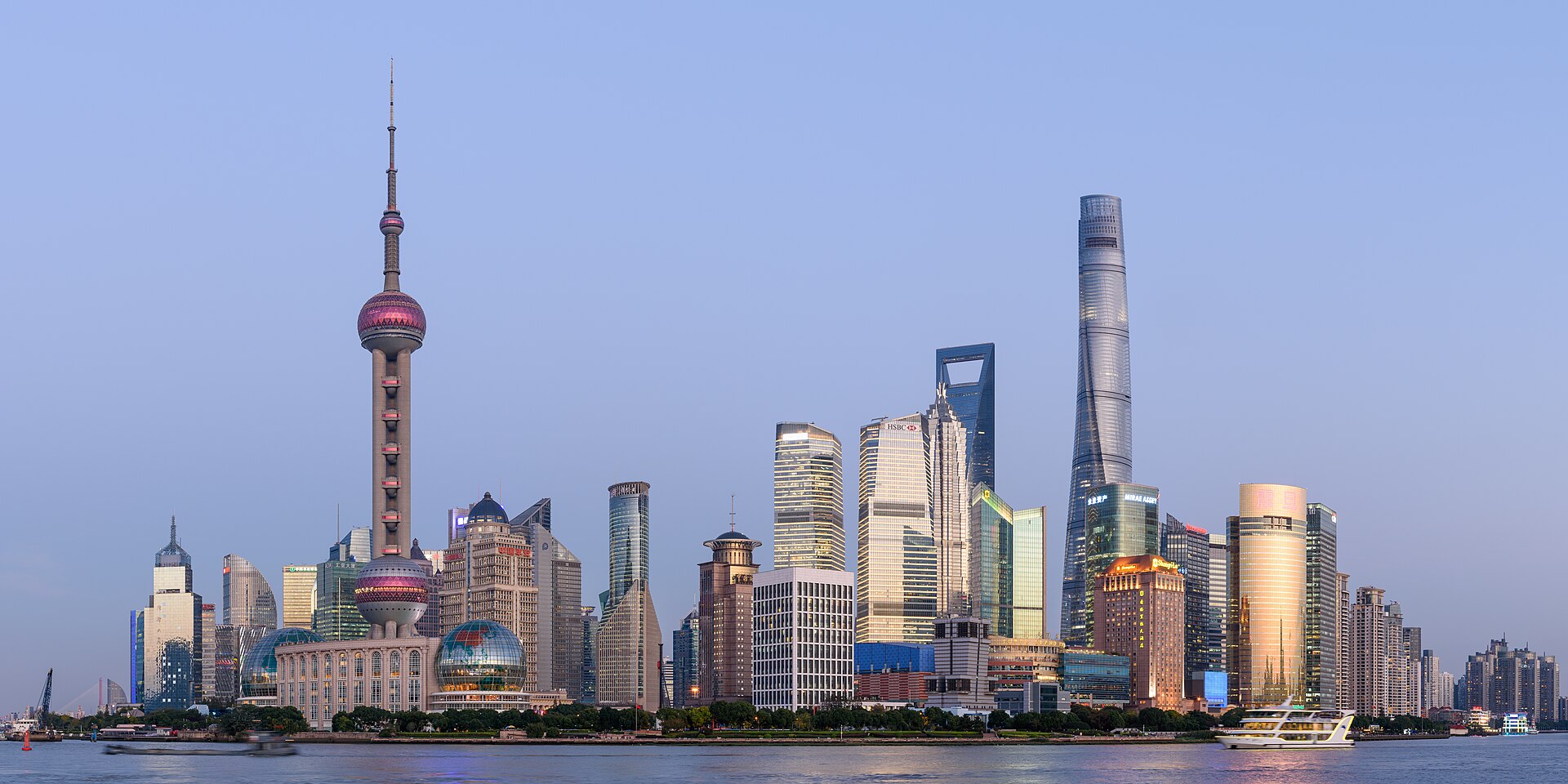
Shanghai World Financial Center is a 492-metre, 101-storey skyscraper in Lujiazui, Pudong, completed in 2008 and designed by Kohn Pedersen Fox Associates.
上海中心大厦
Shanghai Tower is a landmark skyscraper in the Lujiazui financial district of Pudong, Shanghai. It is among the tallest buildings in the world by architectural height.
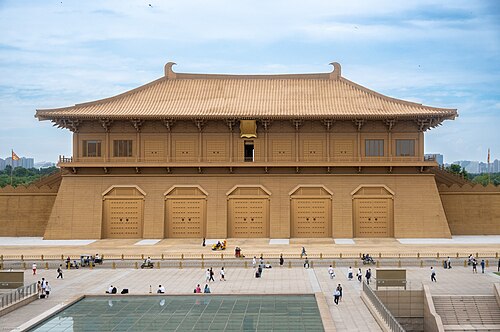
大明宫国家遗址公园
Daming Palace National Heritage Park is a major archaeological site and heritage park in Xi'an, China. It preserves the remains of Daming Palace, which served as the imperial palace complex of the Tang Dynasty.
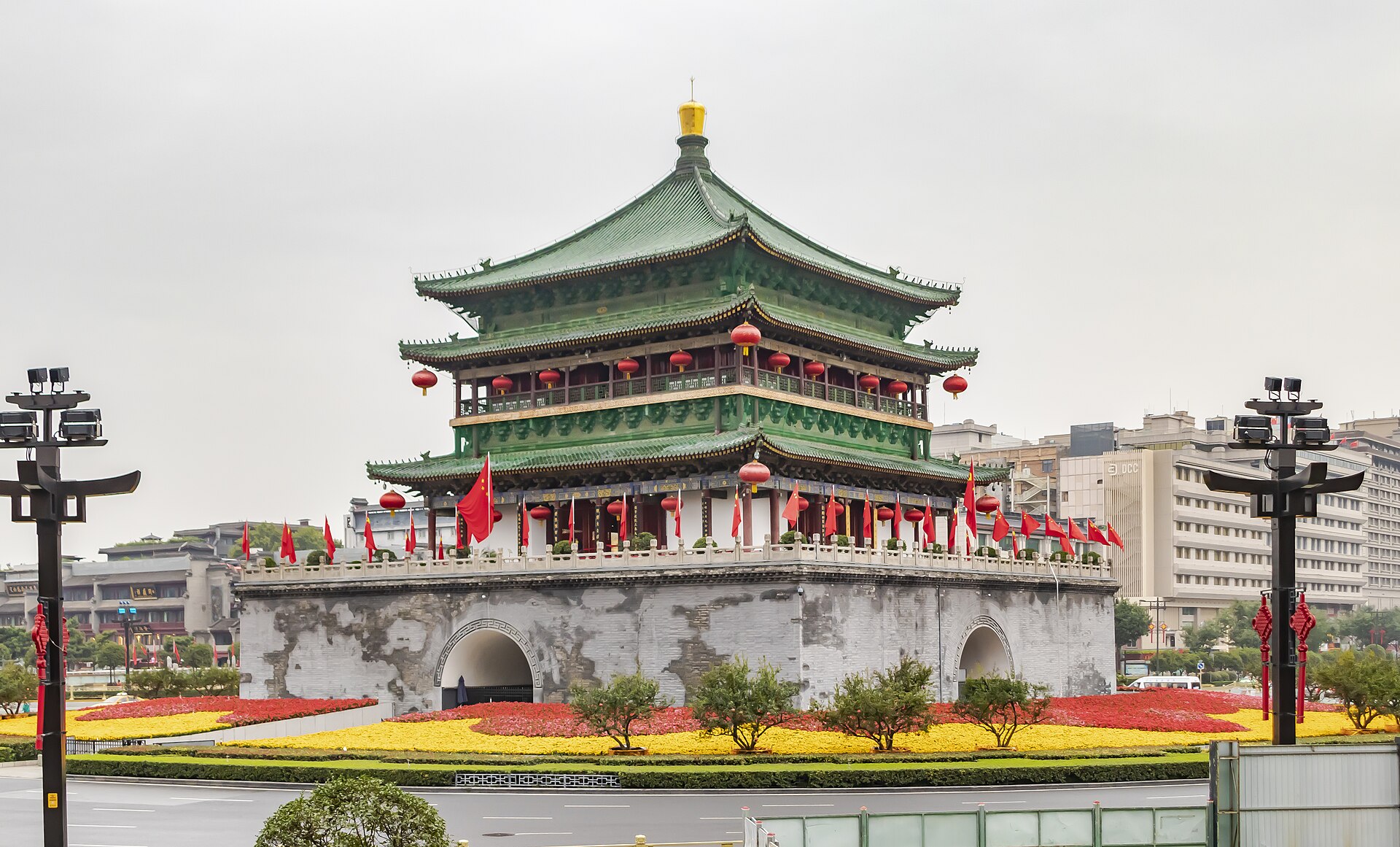
钟楼
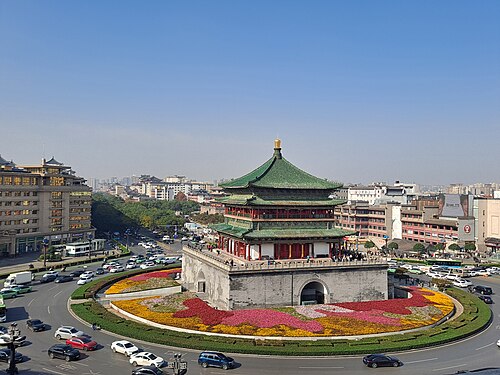
Xi'an Bell Tower stands at the symbolic center of the old city, where the main north-south and east-west axes meet. The Ming-dynasty landmark combines a monumental upper structure with tiered roofs and traditional decorative details.
大炮台 Fortaleza do Monte
Fortaleza do Monte, also called 大炮台 (Da Pao Tai), is a historic military fortification on a hill in central Macau. Jesuits began building it in the early seventeenth century, and the fort later became part of Macau’s defensive system.
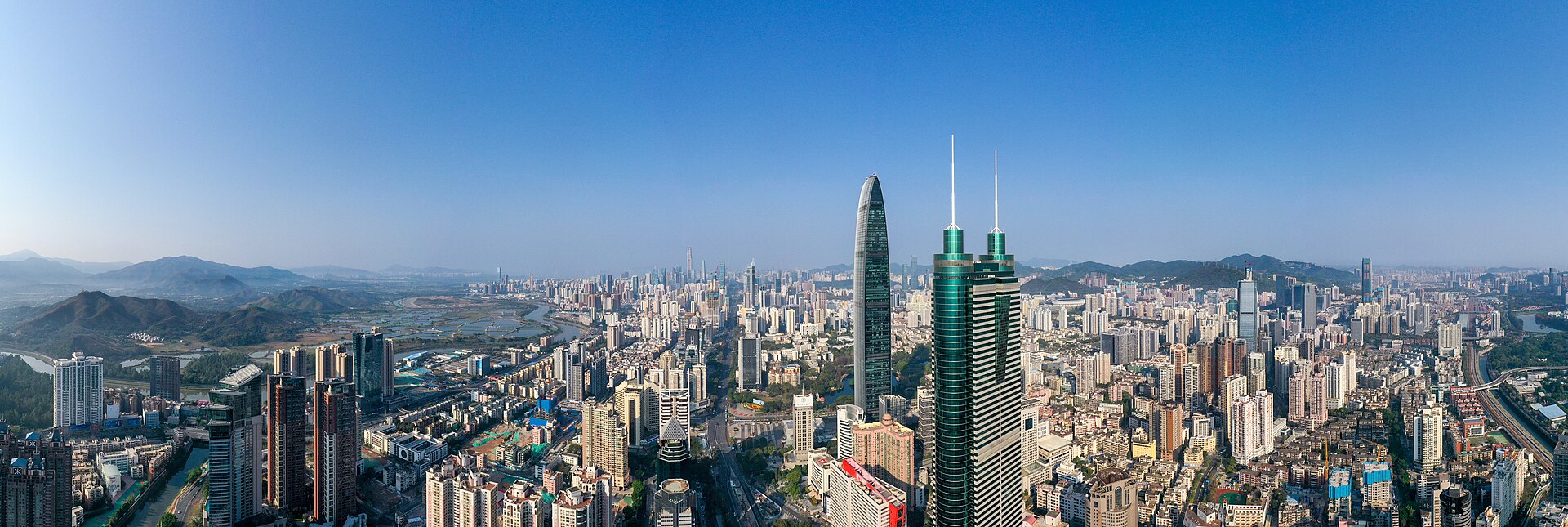
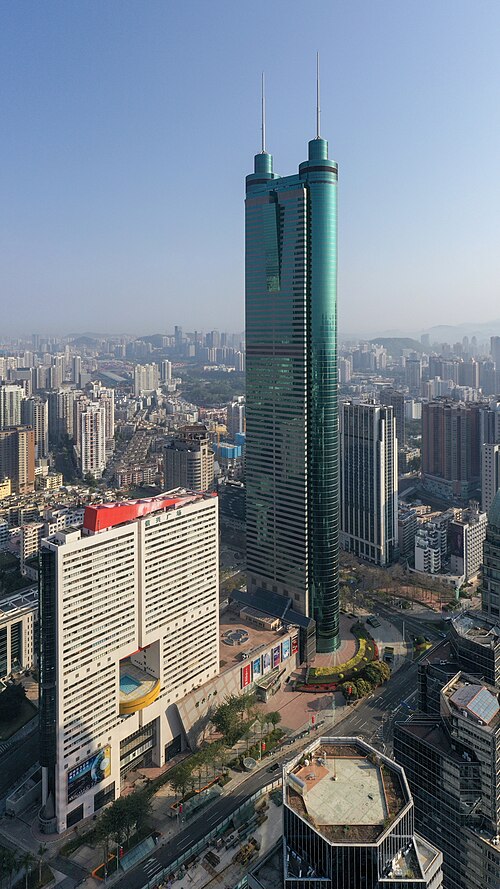
地王大厦
Shun Hing Square, known locally as 信兴广场, stands as a prominent commercial and architectural landmark in Shenzhen. The complex features one of the city's most recognizable skyscrapers, contributing to the distinctive skyline of this rapidly developed metropolis.
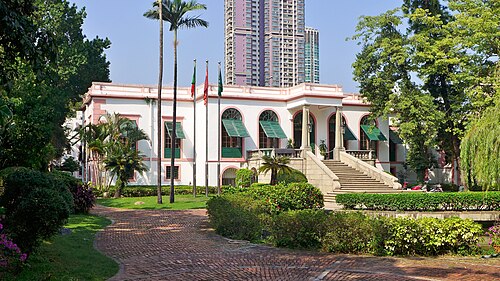
東方基金會會址 Casa Garden
Casa Garden, known locally as 東方基金會會址, is a historic residence on the Macau peninsula and the headquarters of the Orient Foundation.
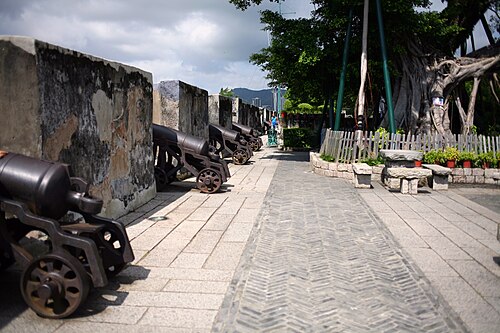
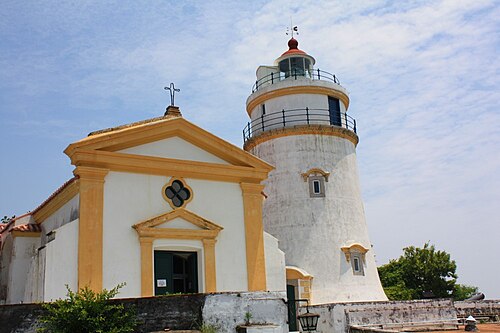
東望洋炮台 Fortaleza da Guia
Guia Fortress and Lighthouse is a historic military and navigational complex situated on Guia Hill, the highest point of the Macau Peninsula.
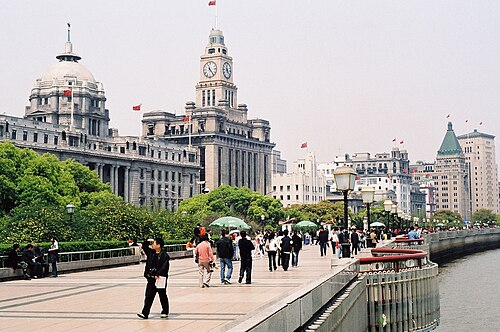
外滩
The Bund is Shanghai's historic waterfront promenade along the western bank of the Huangpu River. It features a concentration of early 20th-century colonial-era buildings representing various European architectural styles, including Neoclassical, Art Deco, and Beaux-Arts.
戒台寺
Jietai Temple, known locally as 戒台寺, is a historical Buddhist temple situated in the western outskirts of Beijing. The temple holds significant religious and cultural importance within China's Buddhist heritage.
宛平城
Wanping Fortress, known locally as Wanping Cheng, is a historic walled settlement in Beijing's Fengtai District. Constructed during the Ming Dynasty as a military garrison, it served as a strategic defensive position guarding the western approaches to the capital.
国子监
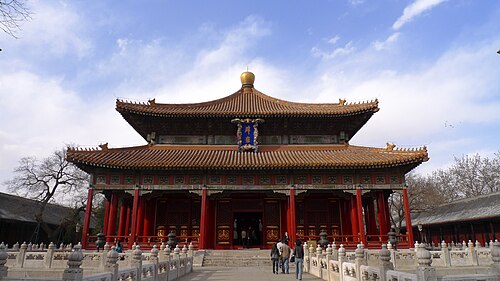
The Imperial College, or Guozijian, was the highest state educational institution and education administration of the Yuan, Ming and Qing dynasties.
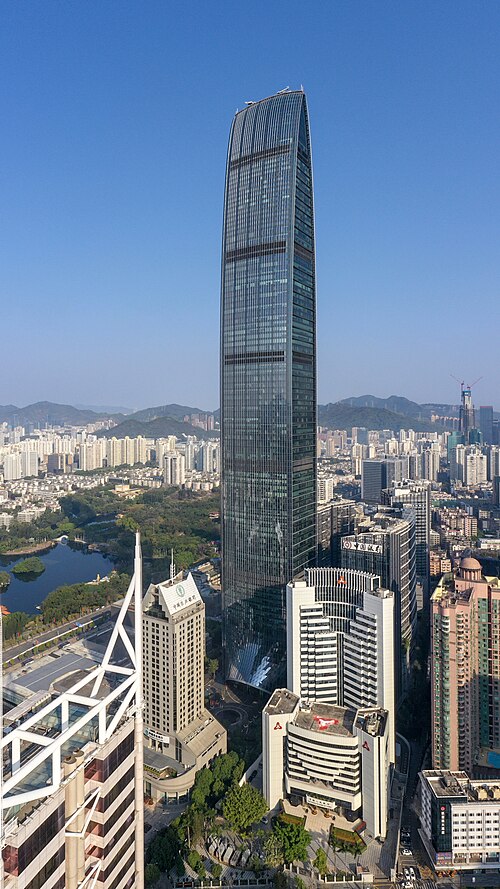
京基100
KK100, known locally as 京基100, is a supertall mixed-use tower in Shenzhen's Luohu District. It is one of the city's most recognizable skyline landmarks and contains office space and the St.
仁慈堂大樓 Santa Casa da Misericórdia
The Holy House of Mercy, or 仁慈堂大樓, is a historic charitable institution beside Senado Square in Macau. Founded in 1569 by Macau's first bishop, it became associated with care for orphans, widows and people in poverty.
盧家大屋 Casa de Lou Kau
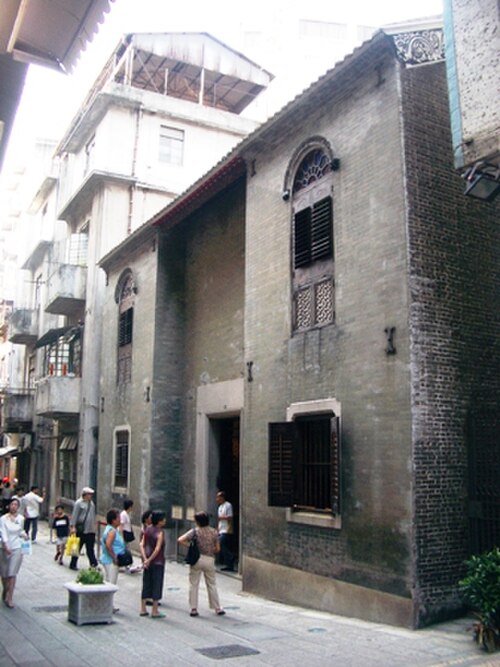
Casa de Lou Kau, locally called 盧家大屋, is a preserved merchant residence in Macau’s Historic Centre.
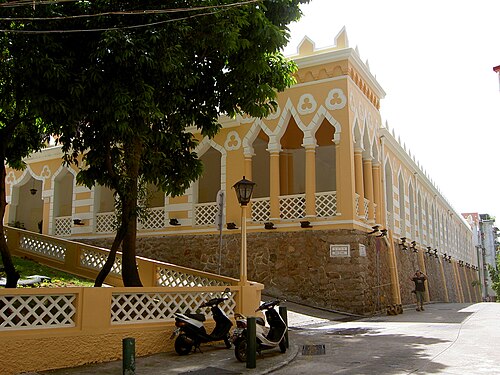
港務局大樓 Quartel dos Mouros
Moorish Barracks, locally known as 港務局大樓, is a historic building in Macau’s Historic Centre. Its design combines Islamic-influenced details with neoclassical elements, reflecting the layered architectural culture created during Portuguese administration.
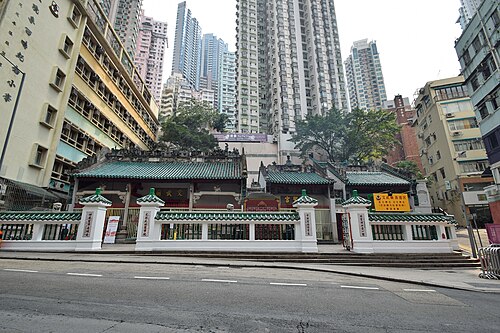
文武廟 Man Mo Temple
Sheung Wan Man Mo Temple, known locally as 文武廟 Man Mo Temple, is a historic Taoist temple complex situated in the Sheung Wan district of Hong Kong Island.
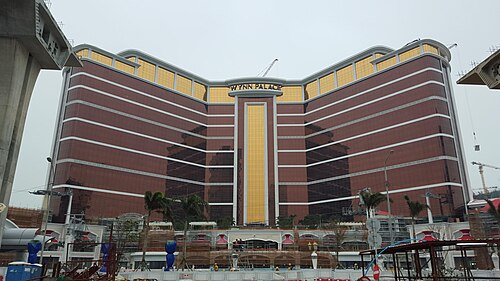
永利皇宮 Palácio Wynn
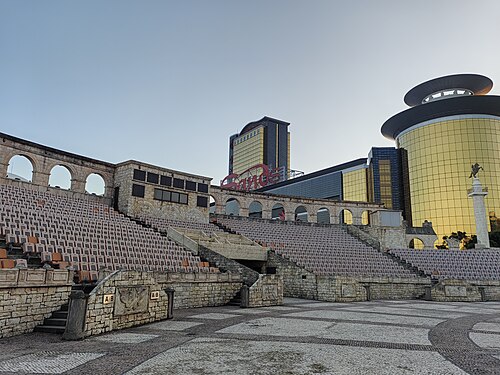
Wynn Palace is a luxury integrated resort on Macau’s Cotai Strip. The complex combines a hotel, casino, restaurants, retail spaces and entertainment in one large destination.
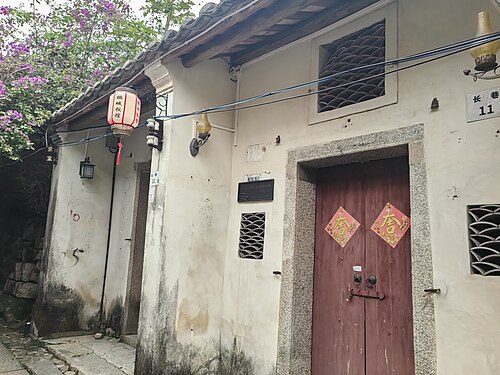
大鹏所城
Dapeng Fortress, known locally as 大鹏所城, is a historic military fortification in Shenzhen's Dapeng New District.
美獅美高梅 MGM Cotai
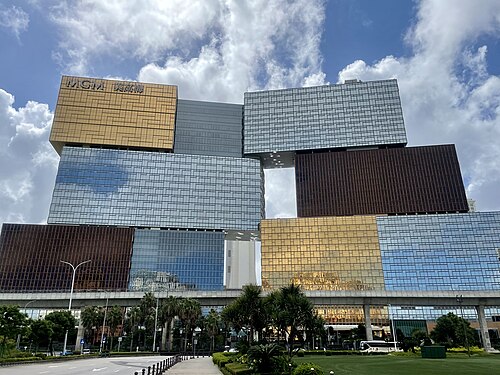
MGM Cotai is a major integrated resort on the Cotai Strip in Macau, operated by MGM China Holdings Limited. The property features a distinctive architectural design with a stack of glass boxes containing various facilities.
澳門巴黎人 The Parisian Macau
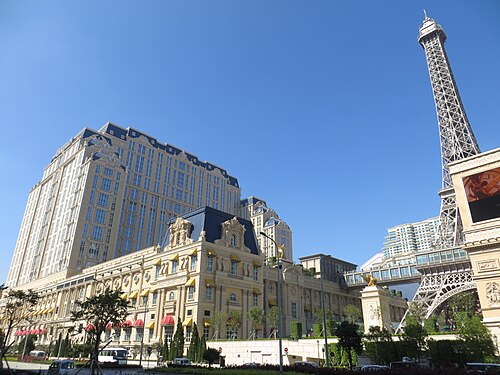
The Parisian Macao is a casino resort on the Cotai Strip in Macau, operated by Sands China. Its signature feature is a half-scale replica of the Eiffel Tower, visible across the resort grounds.
798艺术区
The 798 Art District, known locally as 798艺术区, is a contemporary arts zone in Beijing's Chaoyang District. It occupies a former military factory complex built in the 1950s in the Bauhaus-influenced style of East German industrial architecture.
武康大楼
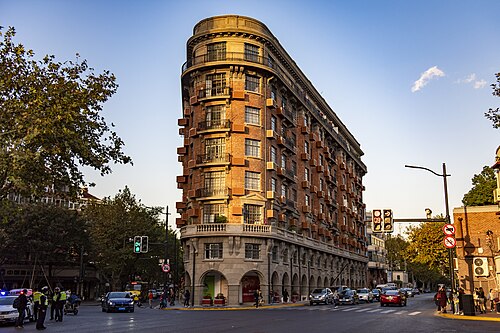
Wukang Mansion, known locally as 武康大楼, is a historic apartment building located in Shanghai's former French Concession area. The building stands at the intersection of multiple streets, creating a distinctive triangular footprint.
大芬油画村
Dafen Oil Painting Village is an art production and trading district in Shenzhen, China. A small village developed into a concentrated center for oil-painting reproduction and original art.
澳門漁人碼頭 Doca dos Pescadores de Macau
Macau Fisherman's Wharf is a waterfront leisure and entertainment complex on the Macau Peninsula, close to the Outer Harbour Ferry Terminal.
田子坊
Tianzifang is a distinctive lane neighbourhood in Shanghai’s Huangpu District, entered at Lane 210 on Taikang Road and known for its close-grained mix of pedestrian passages, creative businesses and older urban surroundings.
青龙寺
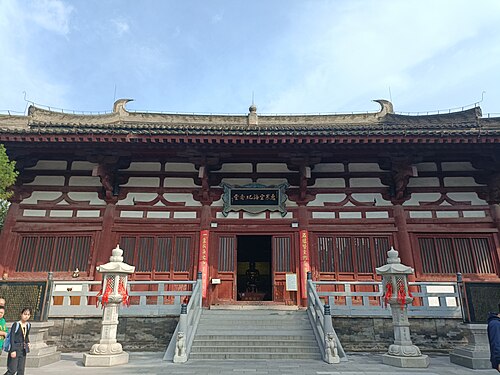
Qinglong Temple, also known as 青龙寺, is a historic Buddhist temple site in Xi’an. Its importance is closely connected with Esoteric Buddhism and the Tang dynasty, when the temple served as a centre for Buddhist learning and scripture translation.
潘家园旧货市场
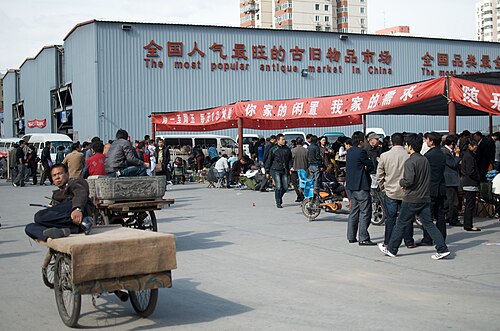
Panjiayuan Antique Market is a sprawling Beijing bazaar filled with secondhand goods, curios and objects connected with Chinese material culture. Known locally as 潘家园旧货市场, it attracts collectors, browsers and travellers searching for distinctive souvenirs.
南头古城
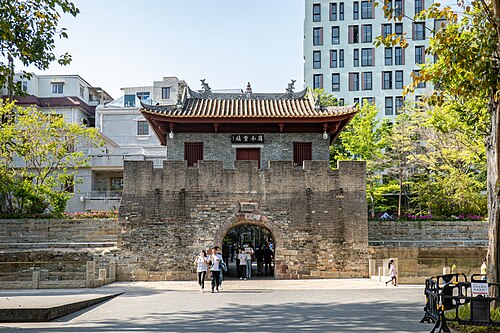
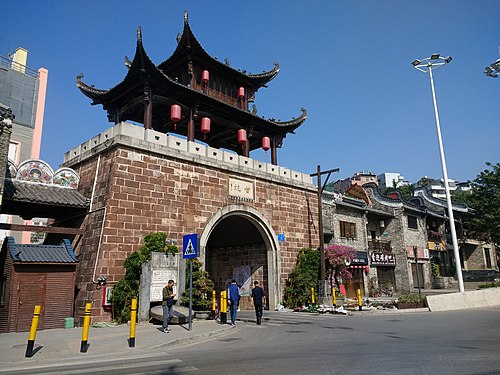
Nantou Ancient City, or 南头古城, is a historic fortified settlement in Shenzhen. It preserves the memory of an older urban landscape within a city better known for new towers, technology, and rapid construction.
宋少帝陵
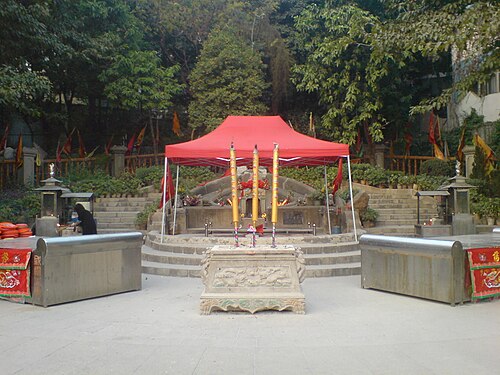
The Tomb of the Young Song Emperor, known locally as 宋少帝陵, is a memorial site in Shenzhen associated with the final years of the Southern Song dynasty.
甘坑客家小镇
Gankeng Hakka Town is a cultural heritage destination in Shenzhen’s Longgang District, centred on Hakka architecture, settlement patterns and folk culture.
华强北
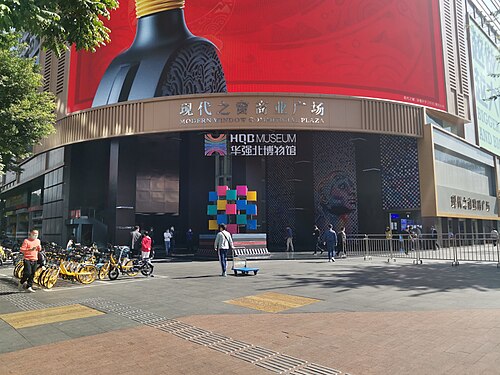
Huaqiangbei is a major commercial district in Shenzhen, Guangdong Province, China. Known widely as one of the world's largest electronics markets, it occupies a significant area in the Futian District.
安定门
Anding Gate, or 安定门, is one of the historic gates in Xi'an's surviving city wall.
安远门
Anyuan Gate, or 安远门, is one of the preserved gates in Xi'an's historic city wall system. The gate belongs to the Ming dynasty defensive enclosure that shaped the city's historic core.
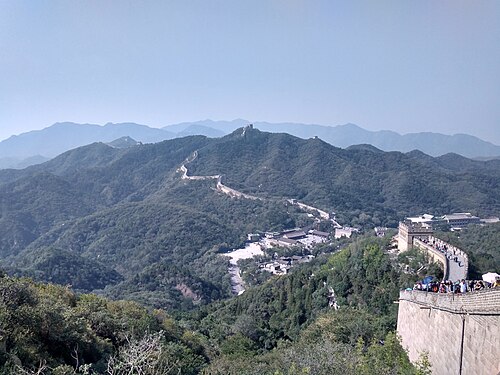
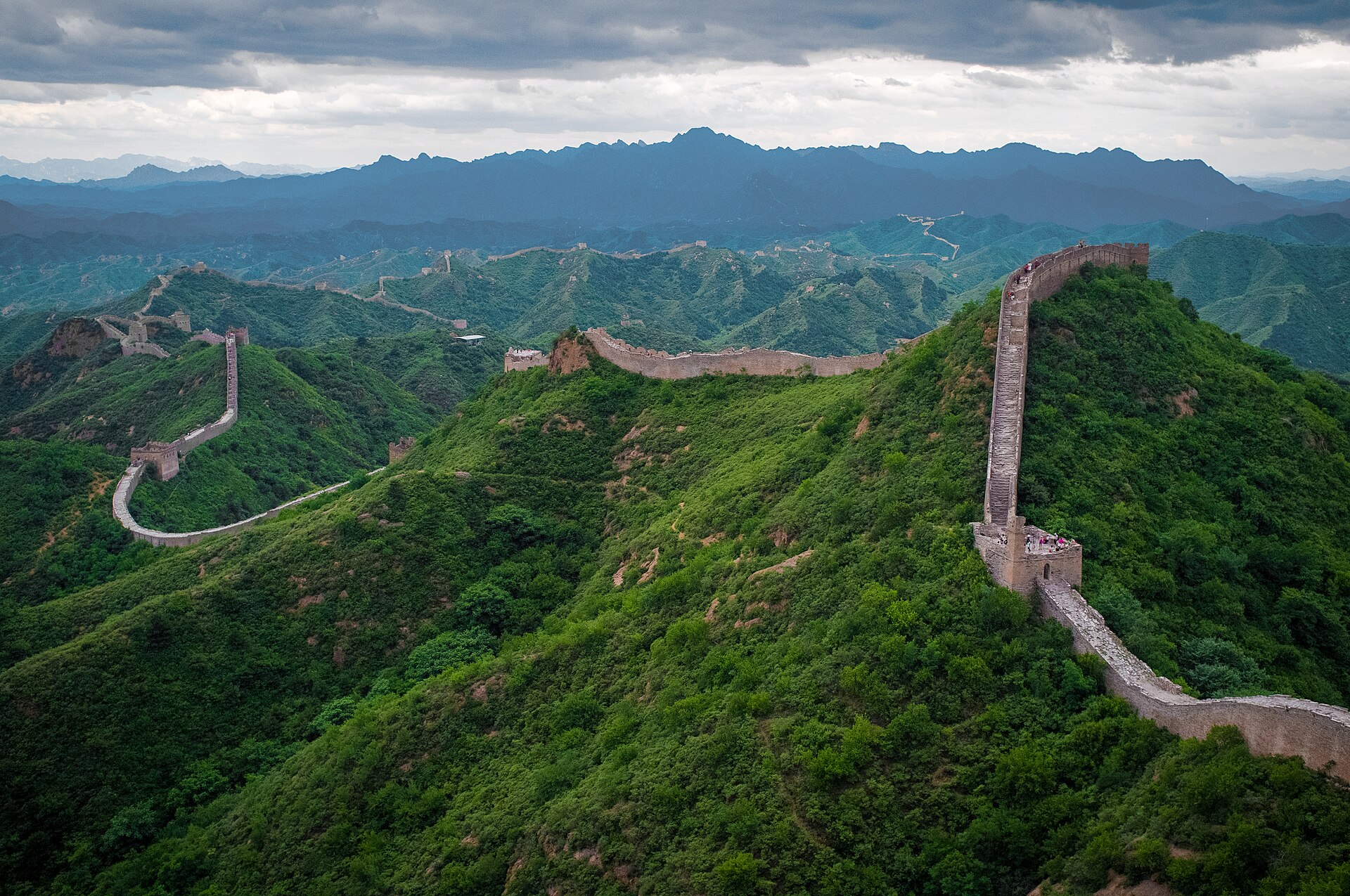
八达岭长城
The Badaling Great Wall is a fortified section of China's Great Wall located in Yanqing District, northwest of central Beijing. It represents one of the most visited and best-preserved segments of the Ming Dynasty wall.
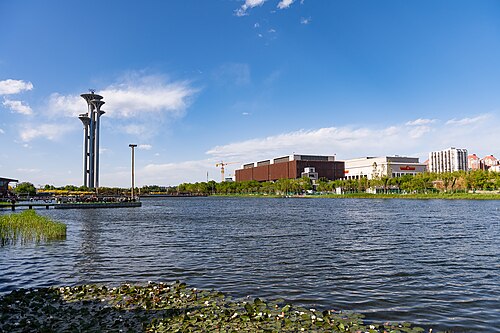
北京奥林匹克公园
Beijing Olympic Park is the public Olympic Green precinct created around the principal venues of the 2008 Summer Olympics and reused for the 2022 Winter Games.
长乐门
Changle Gate, or 长乐门, is an eastern gate of Xi'an's preserved city wall. The gate belongs to the Ming-era fortification that encloses the historic centre and remains one of the city's clearest reminders of its imperial past.
赤湾左炮台
Chiwan Left Fort, or 赤湾左炮台, is a historic coastal defence site in Shenzhen’s Nanshan District near Chiwan Port. The fort represents the military role of the Pearl River approaches and preserves a link between Shenzhen’s coastline and earlier maritime security.
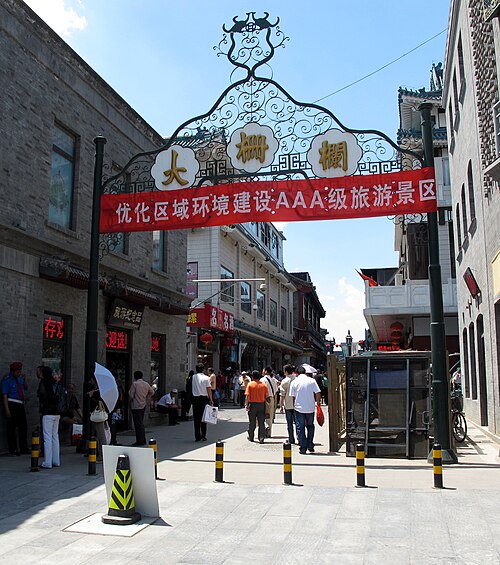
大栅栏
Dashilan, known in Chinese as 大栅栏, is a historic commercial street in central Beijing. It lies south of Tiananmen Square within the Xicheng District, forming part of the old inner city.
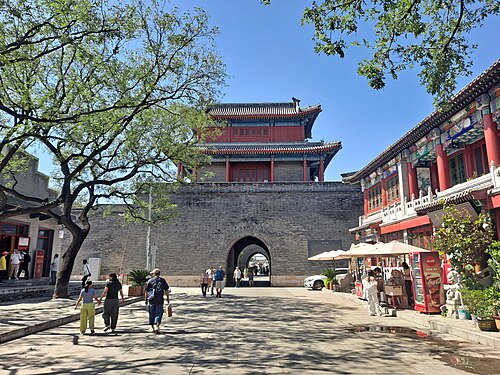
The Drum Tower of Beijing is a historic timekeeping structure in the Dongcheng district. It originally served as the principal timekeeping tower for the old city, marking the hours with drum beats.
观澜版画村
Guanlan Printmaking Village is a cultural heritage site in Shenzhen's Longhua District, known for its historical architecture and contemporary printmaking tradition. The village preserves traditional Hakka-style buildings while functioning as an active base for printmaking artists.
龙庆峡
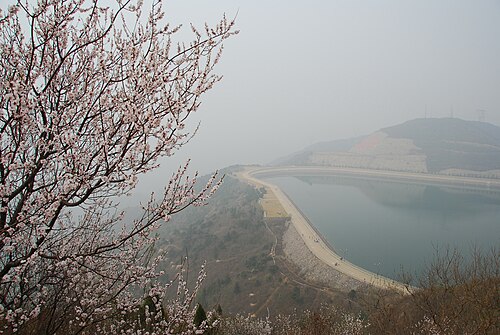
Longqing Gorge, known locally as 龙庆峡, is a scenic canyon area located north of Beijing's urban core. The gorge features a reservoir formed by dam construction, creating an elongated water body between steep mountainous terrain.
三里屯
Sanlitun is a lively commercial and nightlife district in Beijing’s Chaoyang District. Once associated with the city’s diplomatic quarter, it now brings together shopping, dining, international brands, bars, hotels, and social life across a busy urban area.
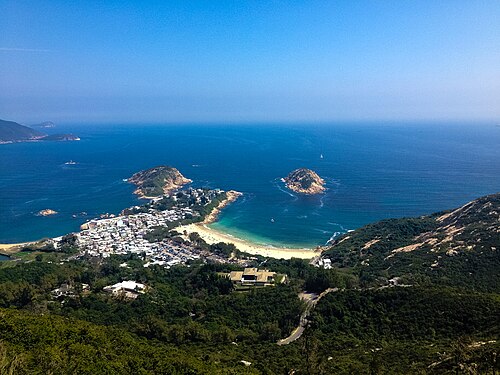
石澳 Shek O
Shek O is a coastal village and beach area on the southeastern shore of Hong Kong Island. The local name 石澳 reflects its identity in both Chinese characters and romanised form.
SoHo East 蘇豪東
SoHo East is a dining and entertainment district on the eastern shore of Hong Kong Island, positioned along the Sai Wan Ho waterfront.
赤柱市集 Stanley Market
Stanley Market is a well-known outdoor shopping destination located in the Stanley district of Hong Kong Island. The local name is 赤柱市集 Stanley Market.
大欖涌水塘紀念碑 Tai Lam Chung Reservoir Memorial Stone
Tai Lam Chung Reservoir Memorial Stone is a commemorative monument located in the vicinity of Tai Lam Chung Reservoir, Hong Kong's first country park reservoir completed in the 1950s.
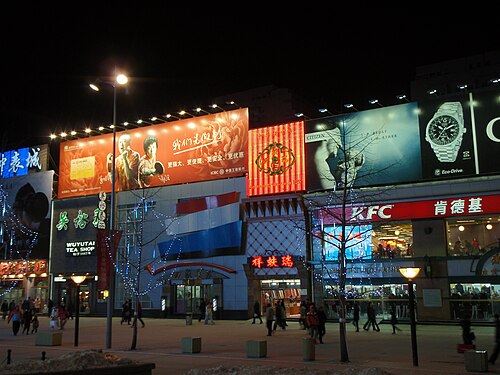
王府井大街
Wangfujing Street is Beijing's most famous central shopping street and a major pedestrian visitor district. Located in Dongcheng District near the Forbidden City, it stretches as a commercial thoroughfare that has served as a retail hub for over a century.
新场古镇
Xinchang Ancient Town, known locally as 新场古镇, is a historic water town located in the Pudong New Area of Shanghai, China. It represents a preserved example of traditional Jiangnan architecture and canal-town settlement patterns.
烟袋斜街
Yandai Xiejie, whose local name is 烟袋斜街, is a historic hutong alleyway in Beijing. The name translates approximately to Skewed Tobacco Pouch Street, derived from its distinctive shape resembling a traditional tobacco pipe.
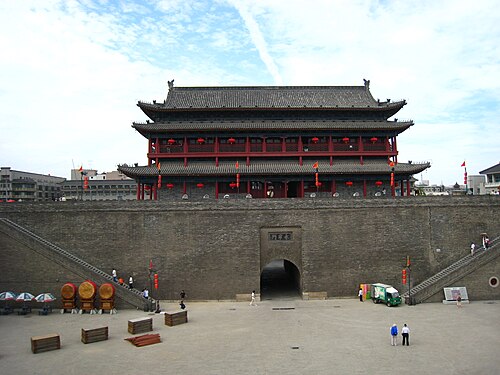
永宁门
Yongning Gate is the southern gate of Xi'an's historic city wall. Known as the Gate of Eternal Peace, it combines a preserved Ming-era defensive setting with an active urban landmark.
永兴坊
Yongxingfang is a visitor-oriented cultural and food district where Shaanxi traditions are presented through regional dishes, themed architecture, craft displays, and pedestrian lanes. It works best as a relaxed tasting stop rather than a single monument.
朱家角古镇旅游区
Zhujiajiao Ancient Town is a historic water town located in the Qingpu District of Shanghai municipality. The settlement dates to the Yuan dynasty period and developed as a trading hub along the Dianshan Lake watershed.
Guangming Farm Grand View Garden is an agricultural tourism attraction in Shenzhen’s Guangming District. It offers a rural counterpoint to the city’s dense urban landscape, bringing visitors into a farm-oriented setting within the metropolitan area.
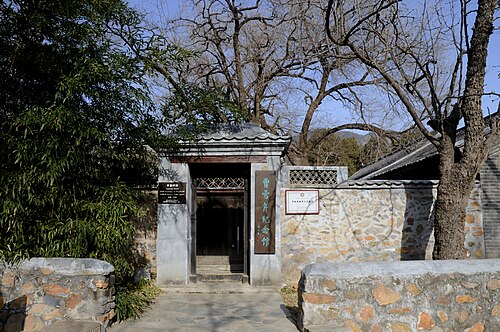
The Cao Xueqin Memorial Hall commemorates the celebrated Qing dynasty author of Dream of the Red Chamber, China's most famous classical novel. Located in Beijing, this cultural site honors Cao Xueqin's literary legacy and his connection to the city.
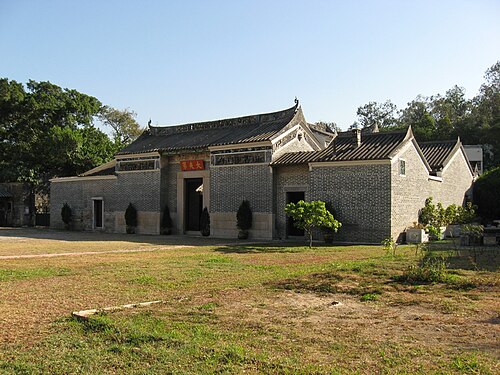
大夫第 Tai Fu Tai
坳背灣 Au Pui Wan
滘西洲石刻 Kau Sai Chau Rock Carving
Source: OpenStreetMap contributors, Wikidata ·
Twelve to eighteen days can link Beijing, Xi'an, and Shanghai by high-speed rail, with Shenzhen as a southern extension. Hong Kong and Macao need separate border planning and should not be treated as ordinary domestic stops on the same timetable.
Entry rules differ between mainland China, Hong Kong, and Macao, even within one journey. Check the official immigration authority for every border segment and match the permission to the passport, purpose, and exact itinerary.
High-speed rail and domestic flights cover mainland distances, while metros handle most urban journeys. Hong Kong uses Octopus and separate border controls, and Macao has its own formalities, so prepare payment and identity requirements for each jurisdiction.
April to May and September to October are only broad mainland planning windows. Beijing, Shanghai, the south, Hong Kong, and Macao have different heat, rain, and holiday pressures; the least flexible regional leg should set the dates.
Mainland China uses renminbi (CNY), while Hong Kong and Macao use HKD and MOP. Payment systems and card acceptance differ across those jurisdictions, so prepare the appropriate local method before crossing each border.
On the mainland, save 110 for police and 120 for medical help; Hong Kong and Macao use separate emergency systems. Mainland electricity is recorded as 220 V with Type A, C, and I sockets, while tap-water guidance is not recorded.