Roavina

Country guide

China

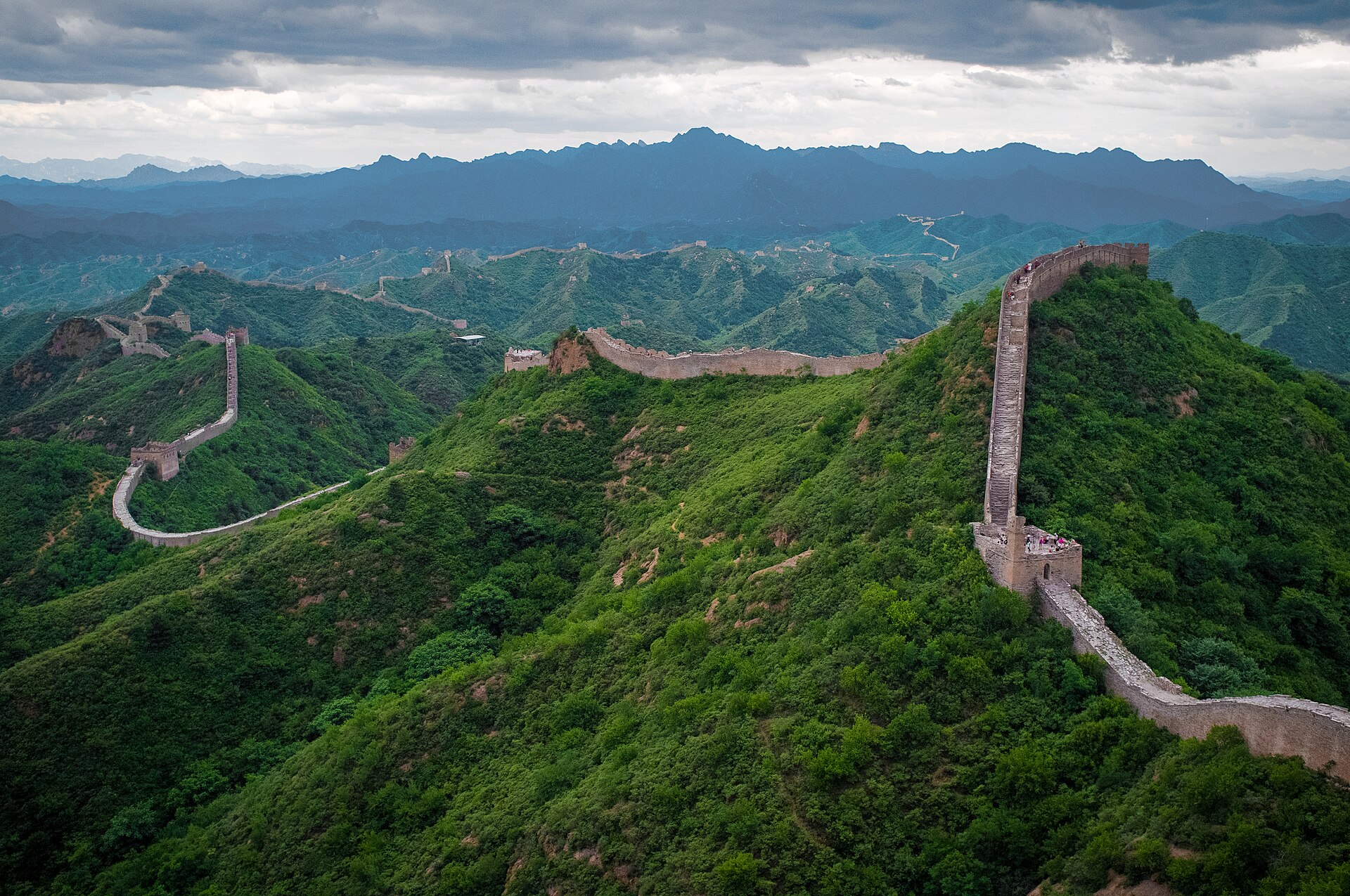
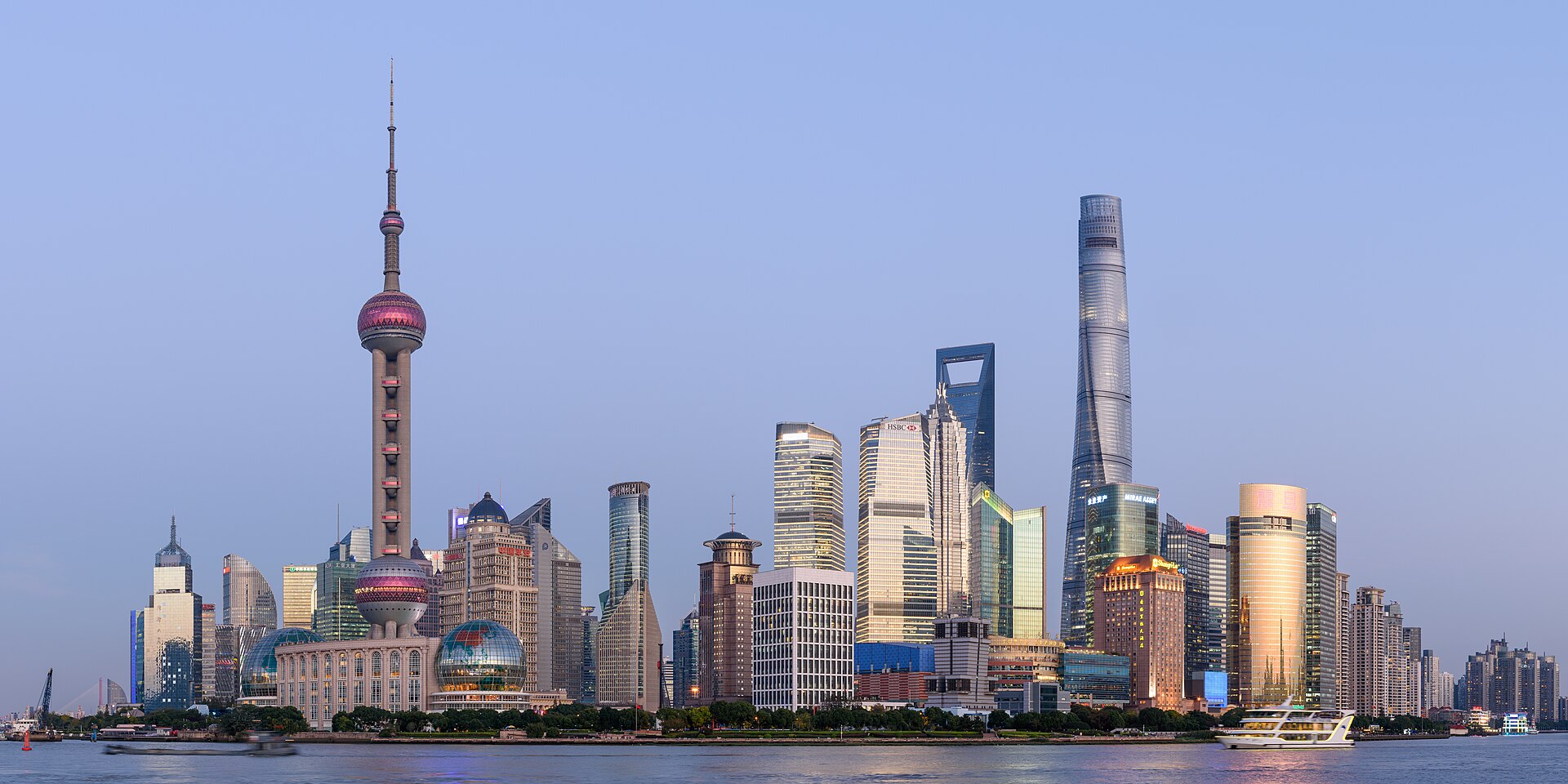
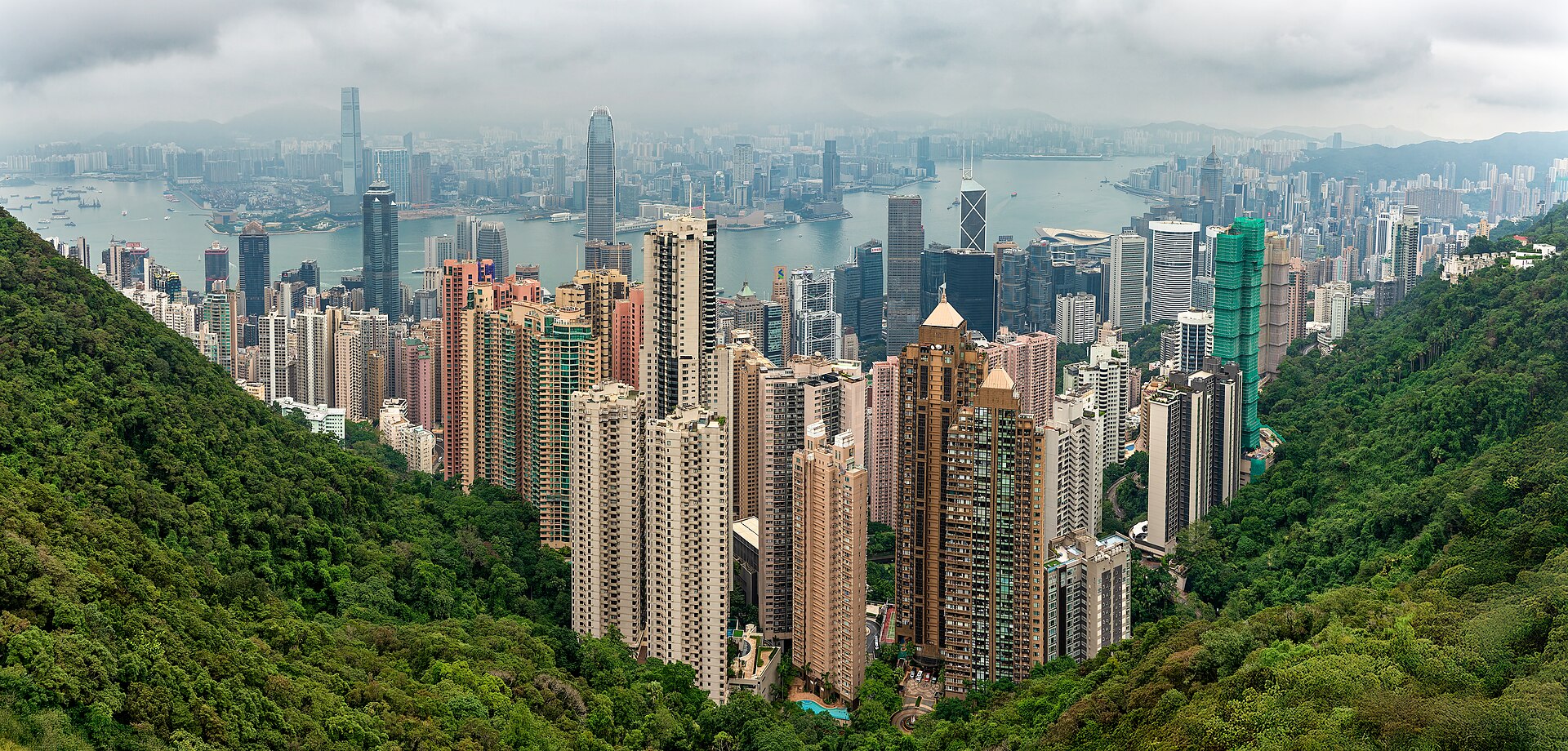
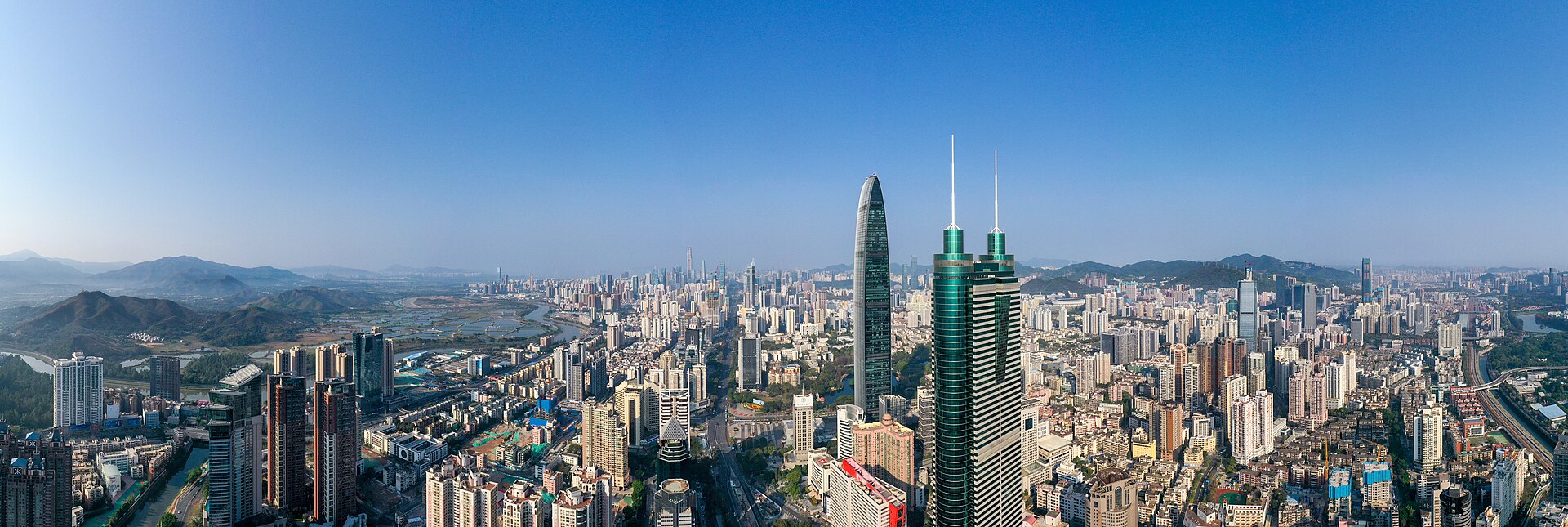
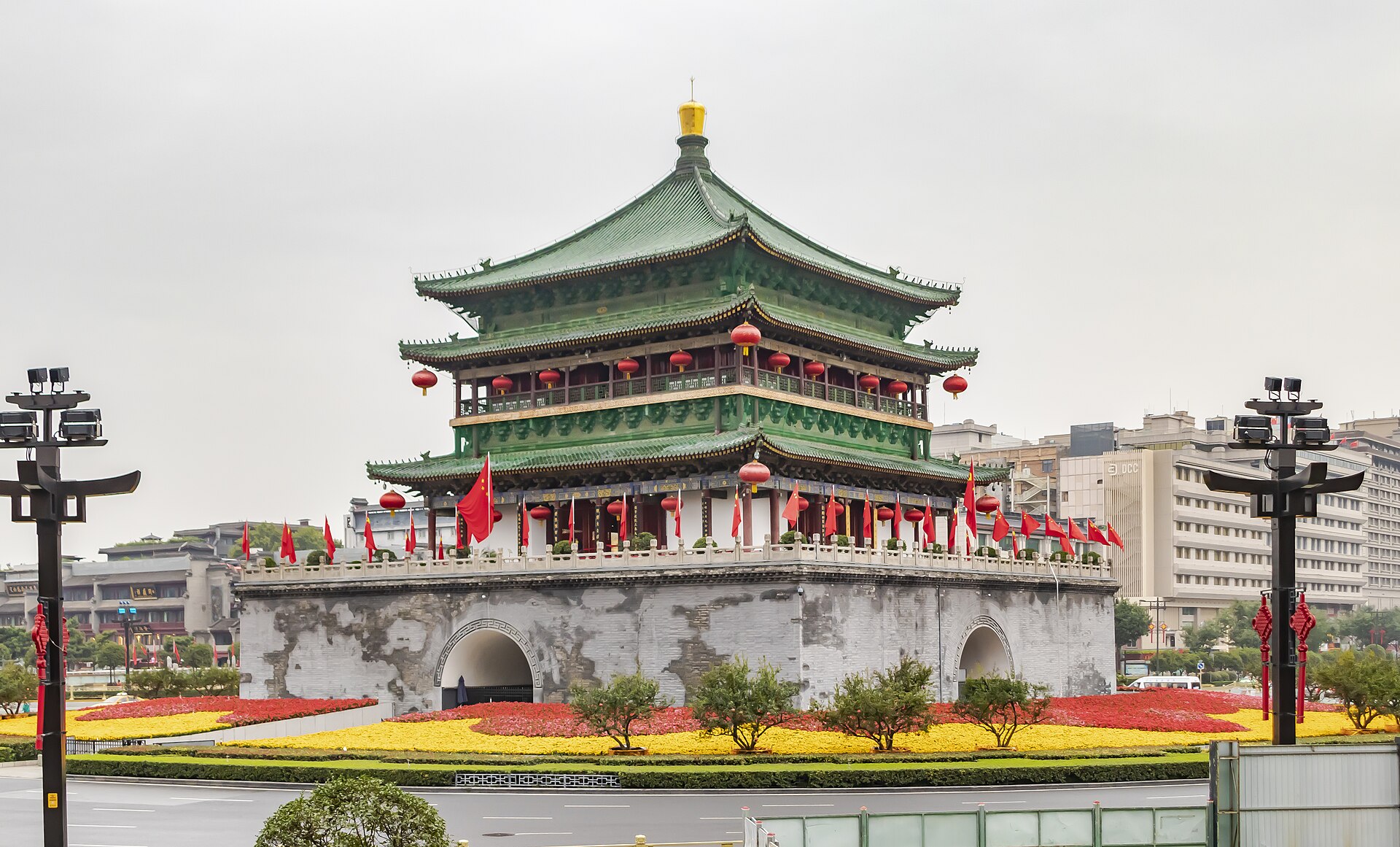
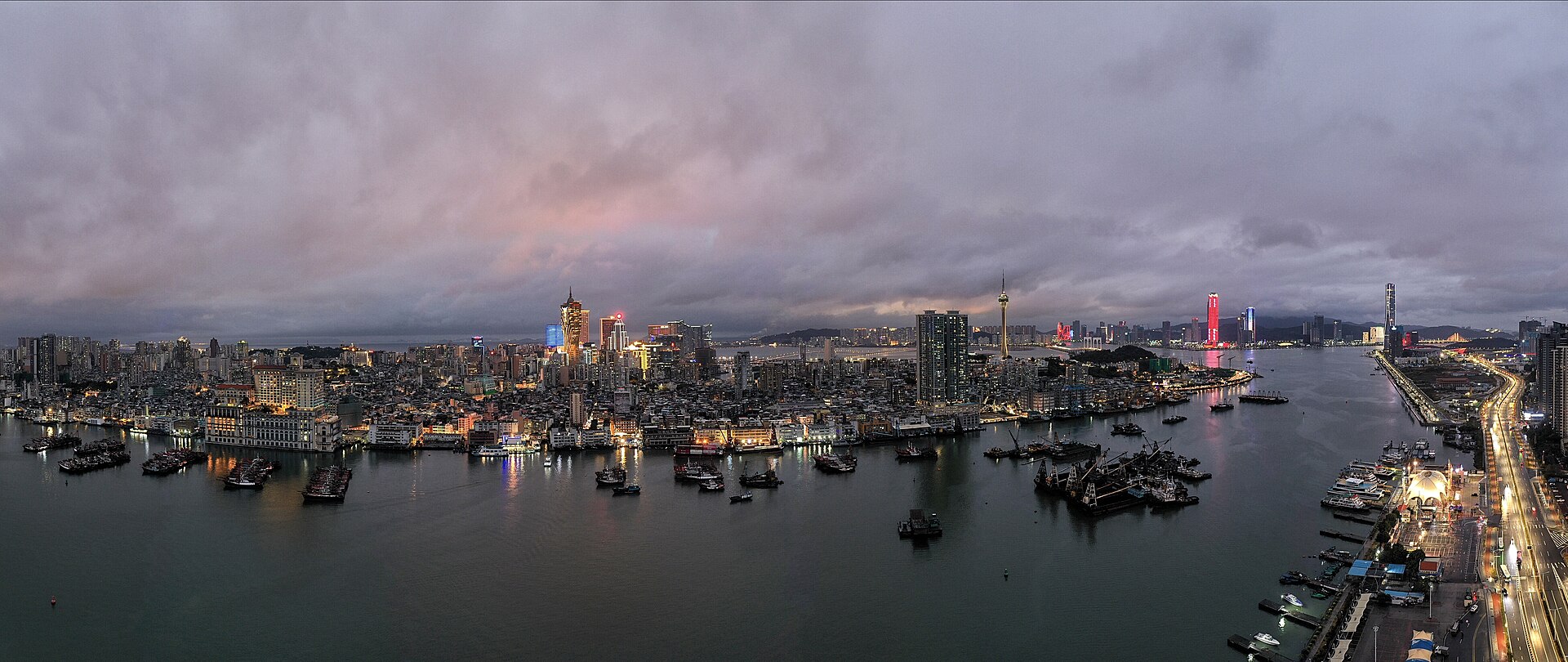
A photograph of China
Photograph · Severin.stalder · CC BY-SA 3.0

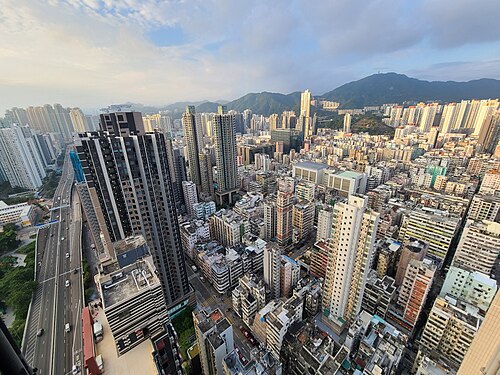
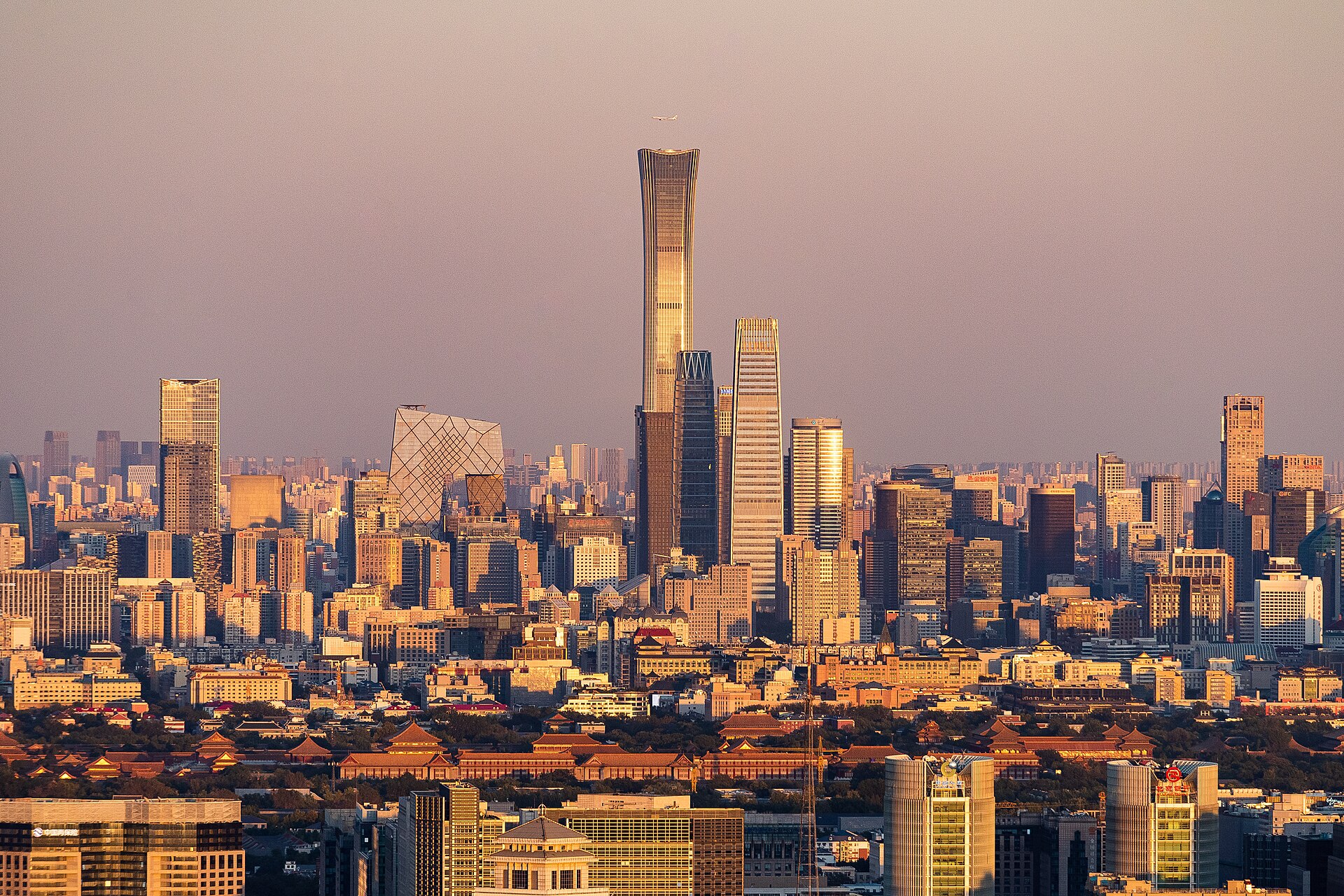
China covers 9.6 million km², third largest of any country, and holds more than 1.4 billion people — about 17 per cent of everyone alive. It is divided into 33 province-level divisions, two of them special administrative regions. Beijing is the capital; Shanghai is the most populous city by urban area. Between them the land runs from the Central Plain and the Yangtze and Yellow rivers out to desert, plateau, subtropical and temperate forest, and the Himalayas in the southwest. The first decision a visitor makes here is therefore not which sight to see but which climate to travel in.

Reviewed by Elena Voss · Roavina Travel Editor

Cities

Every city catalogued in this country so far, ranked by how much there is to see.

Practical information

Language spoken
Standard Chinese; regional languages are widely used
National practical orientation; regional and minority languages may also be used
Dialling code
+86 mainland · +852 Hong Kong · +853 Macao
International calling code; local area and mobile prefixes still apply
Currency
Renminbi (CNY); HKD and MOP in the SARs
Use the official local currency; card acceptance varies by place
Emergency number
110 police · 120 medical on the mainland
Use only for an emergency; tourist assistance may use a separate number
Plug type
Type A, C and I · 220 V
Check that chargers support the recorded voltage before using an adapter
Tap water
Not recorded
No single verified statement covers mainland China and both SARs

Planning a visit

  1. January: seasonal closure recorded
  2. February: seasonal closure recorded
  3. March: seasonal closure recorded
  4. April: seasonal closure recorded
  5. May: seasonal closure recorded
  6. June: seasonal closure recorded
  7. July: seasonal closure recorded
  8. August: seasonal closure recorded
  9. September: no seasonality data recorded — this month
  10. October: seasonal closure recorded
  11. November: seasonal closure recorded
  12. December: seasonal closure recorded

Top things to see

Ranked by importance — sitelinks, pageviews and heritage status, not editor preference.

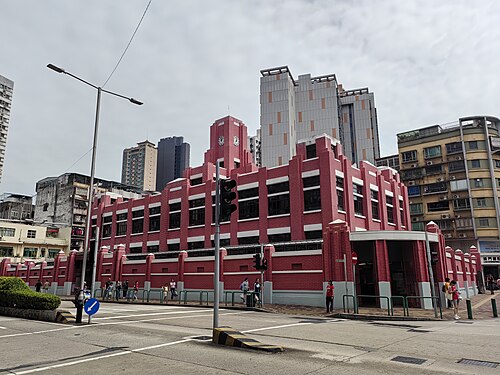
  1. Red Market Red Market
    02 45 min

    Red Market

    紅街市 Mercado Municipal Almirante Lacerda

    Red Market, or 紅街市, is a functioning wet market in Macau housed in a distinctive red-brick building. It is both an everyday shopping place and an architectural landmark, bringing visitors close to local commerce rather than a staged heritage display.

    • High
    • Market
    • Macau
  2. Cat Street Galleries Cat Street Galleries
    03 45 min

    Cat Street Galleries

    嚤囉街中心 Cat Street Galleries

    Cat Street Galleries is a commercial gallery and retail complex in Sheung Wan, within the area associated with Upper Lascar Row, commonly called Cat Street.

    • Notable
    • Market
    • Hong Kong
  3. Mong Kok Flower Market Mong Kok Flower Market
    04 45 min

    Mong Kok Flower Market

    旺角花墟 Mong Kok Flower Market

    Mong Kok Flower Market is a concentrated trading zone for flowers, plants, and gardening supplies in the Mong Kok district of Kowloon, Hong Kong. The local name 旺角花墟 reflects its identity as a historic flower market area.

    • Notable
    • Market
    • Hong Kong
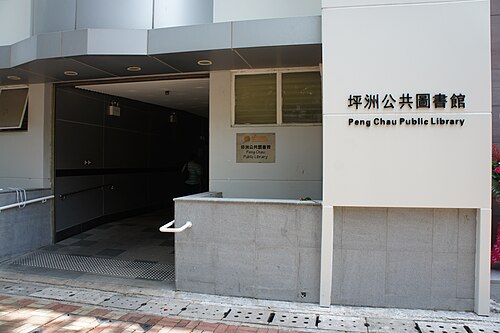
  4. Peng Chau Market Peng Chau Market
    05 45 min

    Peng Chau Market

    坪洲街市 Peng Chau Market

    Peng Chau Market is a local marketplace on Peng Chau, one of Hong Kong’s outlying islands. It serves everyday community shopping rather than functioning as a staged visitor attraction.

    • Notable
    • Market
    • Hong Kong
  5. Qianhai Snow World Qianhai Snow World
    06 45 min

    Qianhai Snow World

    前海冰雪世界

    Qianhai Snow World is an indoor snow and ice entertainment complex in Shenzhen’s Qianhai area. It offers a winter-themed leisure experience in a subtropical coastal city where natural snow is not part of everyday life.

    • Notable
    • Market
    • Shenzhen
  6. Sham Shui Po Jade Market Sham Shui Po Jade Market
    07 45 min

    Sham Shui Po Jade Market

    深水埗玉石巿場 Sham Shui Po Jade Market

    Sham Shui Po Jade Market is a specialized trading venue in Hong Kong's Sham Shui Po district, a working-class neighbourhood known for its electronics markets and street-level commerce.

    • Notable
    • Market
    • Hong Kong
  7. Shenzhen Bay Mixc Shenzhen Bay Mixc
    08 45 min

    Shenzhen Bay Mixc

    深圳湾万象城

    MixC Shenzhen Bay is a major shopping complex in Shenzhen, a city in southern China adjacent to Hong Kong. It forms part of the MixC portfolio developed by China Resources Land, a prominent mainland property developer.

    • Notable
    • Market
    • Shenzhen
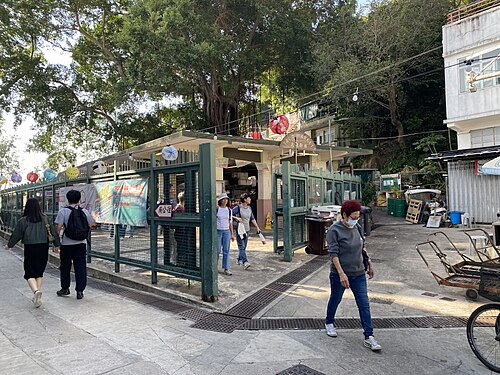
  8. Tai O Market Tai O Market
    09 45 min

    Tai O Market

    大澳街市 Tai O Market

    Tai O Market is a local marketplace situated in the historic fishing village of Tai O on Lantau Island, Hong Kong.

    • Notable
    • Market
    • Hong Kong
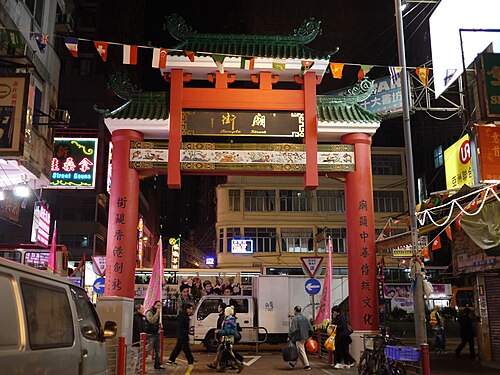
  9. Temple Street Night Market Temple Street Night Market
    10 45 min

    Temple Street Night Market

    廟街夜市 Temple Street Night Market

    Temple Street Night Market is a well-known open-air market in Hong Kong, located in Yau Ma Tei, Kowloon. The street stretches from Man Ming Lane in the north to Nanking Street in the south.

    • Notable
    • Market
    • Hong Kong
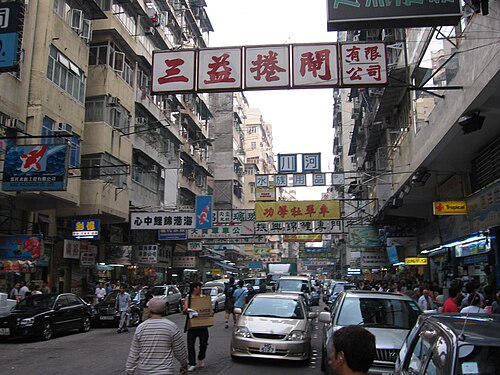
  10. Tung Choi Street Tung Choi Street
    11 45 min

    Tung Choi Street

    女人街 Ladies Market

    Tung Choi Street is the street name associated with Ladies Market, or 女人街, in Mong Kok, Kowloon. The market section is one of Hong Kong’s best-known street-shopping areas and reflects the dense commercial character of Mong Kok.

    • Notable
    • Market
    • Hong Kong
  11. Discovery Park
    14 45 min

    Discovery Park

    愉景新城商場 D • Park

    • High
    • Market
    • Hong Kong
  12. Concord Square
    15 45 min

    Concord Square

    協和廣場 Concord Square

    • High
    • Market
    • Hong Kong
  13. Ma On Shan Plaza
    16 45 min

    Ma On Shan Plaza

    馬鞍山廣場 Ma On Shan Plaza

    • High
    • Market
    • Hong Kong
  14. Hung Hom Square
    17 45 min

    Hung Hom Square

    紅磡廣場 Hung Hom Square

    • Notable
    • Market
    • Hong Kong

Source: OpenStreetMap contributors, Wikidata ·

Common questions

How long should a first trip to China be?

Twelve to eighteen days can link Beijing, Xi'an, and Shanghai by high-speed rail, with Shenzhen as a southern extension. Hong Kong and Macao need separate border planning and should not be treated as ordinary domestic stops on the same timetable.

What entry documents are needed for China?

Entry rules differ between mainland China, Hong Kong, and Macao, even within one journey. Check the official immigration authority for every border segment and match the permission to the passport, purpose, and exact itinerary.

What is the best way to travel around China?

High-speed rail and domestic flights cover mainland distances, while metros handle most urban journeys. Hong Kong uses Octopus and separate border controls, and Macao has its own formalities, so prepare payment and identity requirements for each jurisdiction.

When is a practical time to visit China?

April to May and September to October are only broad mainland planning windows. Beijing, Shanghai, the south, Hong Kong, and Macao have different heat, rain, and holiday pressures; the least flexible regional leg should set the dates.

What money and payment basics apply in China?

Mainland China uses renminbi (CNY), while Hong Kong and Macao use HKD and MOP. Payment systems and card acceptance differ across those jurisdictions, so prepare the appropriate local method before crossing each border.

What practical safety details should I save for China?

On the mainland, save 110 for police and 120 for medical help; Hong Kong and Macao use separate emergency systems. Mainland electricity is recorded as 220 V with Type A, C, and I sockets, while tap-water guidance is not recorded.