
1 min walk
Temple of Jupiter, Split
- Must see · Heritage site
- Historic monument
Language · 11 published
Historic monument · Split
Palača Cindro
Reviewed by Elena Voss · Roavina Travel Editor
Read from the OpenStreetMap access tags; anything not listed has no tag recorded.
Set the group type to family in the planner and the day window contracts to about three quarters of a solo day.
It carries the Register of Cultural Goods of Croatia heritage designation.
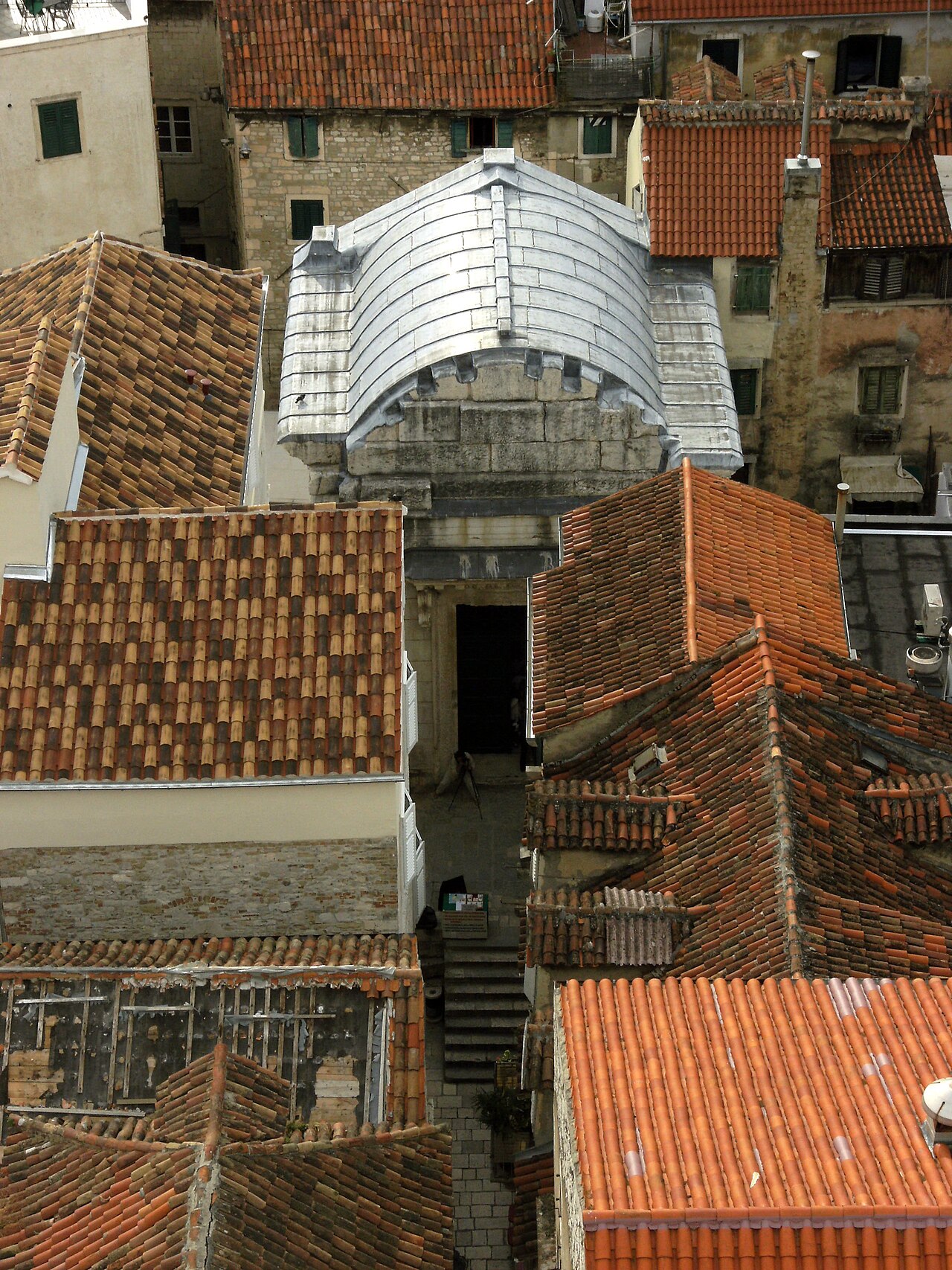
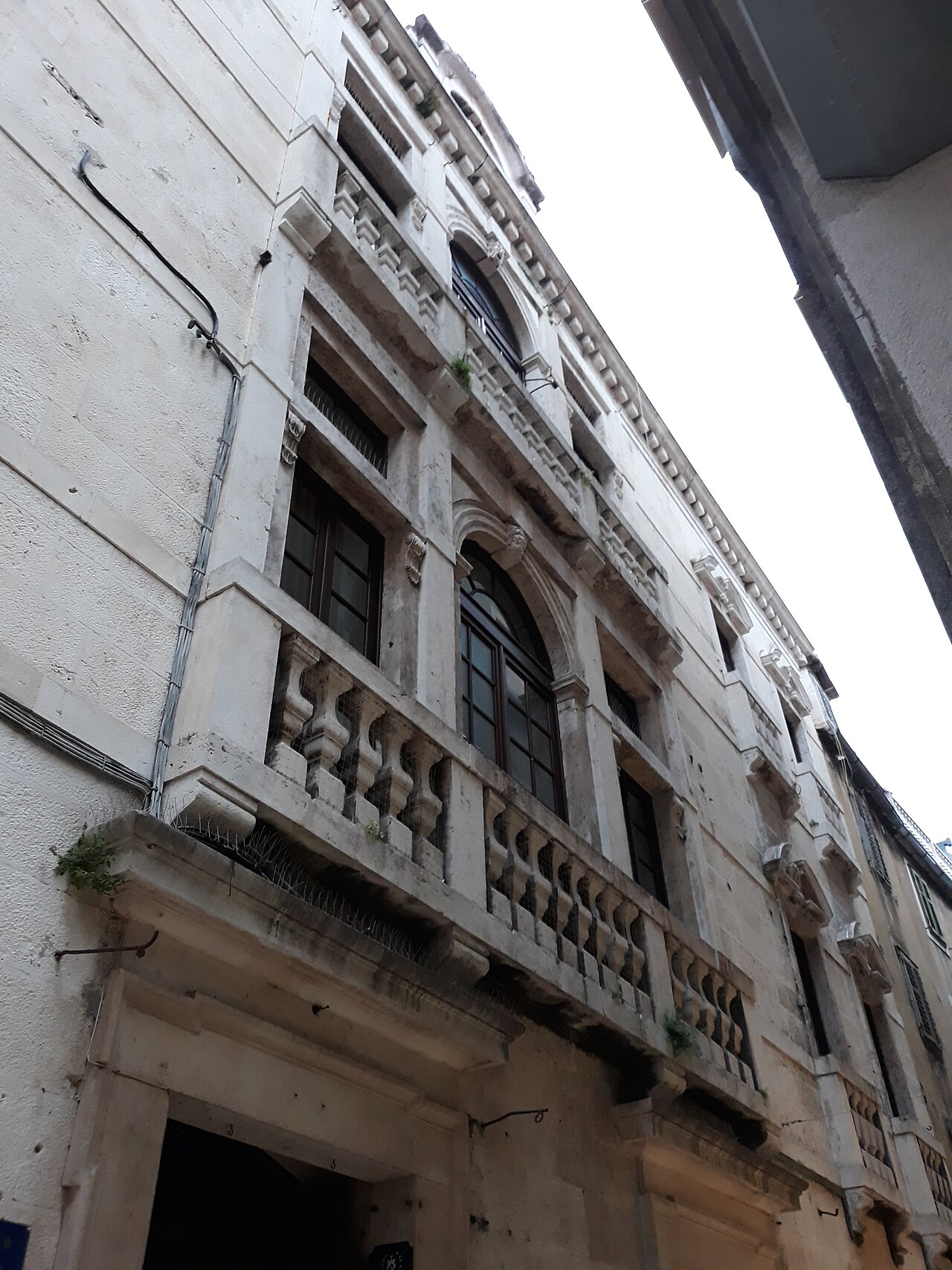
Cindro Palace is a historic residence within Split’s Diocletian’s Palace complex. The palace is associated with the Cindro family, a prominent noble family in Split, and represents the later residential layers built into and around the ancient Roman structure. It is a useful stop for understanding Split as a living historic city rather than a single Roman monument. The palace’s significance comes from the way aristocratic architecture became part of the continuously occupied urban fabric of the old town. Palača Cindro is a historic palace in Split, Croatia, situated within the UNESCO-listed Diocletian's Palace complex. The Cindro family were prominent nobles in Split, and their palace exemplifies the residential architecture that developed within and around the Roman emperor's retirement palace over centuries. The building reflects the layered history of Split, where medieval and early modern structures were integrated into the fabric of the ancient Roman monument. As part of the living urban core, it contributes to the exceptional universal value recognized by UNESCO.
Checked 2026-08-26 · Source
Cindro Palace is primarily experienced through its place in the dense streets of Diocletian’s Palace. The available guide information does not provide a confirmed public interior route, named rooms, furnishings, or exhibition arrangement. Travelers should therefore focus on the palace’s exterior relationship with the surrounding Roman, medieval, and early modern fabric. The building may include residential or mixed-use spaces, so a respectful street-level visit is the appropriate way to encounter Cindro Palace within Split’s functioning neighborhood. Visitors should not expect standardized museum presentation. The building may function primarily as private property or mixed-use space rather than purpose-built tourist attraction, which affects what interior access is available.
Checked 2026-08-26 · Source
Allow five to fifteen minutes for a street-level view of Cindro Palace. The palace works best as one detail within a longer exploration of Diocletian’s Palace, whose lanes, gates, courtyards, and monuments can occupy half a day or more. Architecture enthusiasts may pause longer to compare Cindro Palace with nearby historic residences and to study how later buildings fit into the Roman complex. The short dedicated stop leaves plenty of time for the wider old-town route.
Checked 2026-08-26 · Source
Cindro Palace’s exterior belongs to the public streetscape of Diocletian’s Palace, so it fits naturally into a morning, afternoon, or evening walk. Spring and autumn bring comfortable temperatures for exploring the stone lanes. July and August are hotter and busier, particularly around the central palace routes. Early morning and late afternoon provide softer light and a calmer atmosphere for architectural observation. Winter is quieter, although the surrounding historic quarter can have fewer active services than in summer.
Checked 2026-08-26 · Source
Viewing Cindro Palace from public streets is free. The surrounding Diocletian’s Palace complex includes monuments and museum areas with their own admission arrangements, but those tickets should not be treated as an entry ticket for Cindro Palace. The available guide information does not establish a public interior ticket or booking route for the palace itself. Include Cindro Palace in a free architectural walk, then budget separately for any paid cathedral, cellar, or museum visits on your route.
Checked 2026-08-26 · Source
Walk to Cindro Palace through Diocletian’s Palace from the Riva. The old town can be entered through the Golden, Silver, Iron, or Bronze Gate, after which the route continues through a pedestrian network of narrow stone streets. The ferry port, train station, and main bus station lie close to the palace’s western and southern approaches. Cars do not enter the historic pedestrian core, so drivers must park outside and continue on foot with comfortable footwear.
Checked 2026-08-26 · Source
Cindro Palace may include private or mixed-use space, so remain on public streets and do not enter a doorway, courtyard, or residence without a clear invitation. Ancient limestone paving can be uneven and slippery after rain. Summer crowds compress movement in the narrow lanes, while busy tourist areas require ordinary care with personal belongings. Remember that Diocletian’s Palace is a functioning neighborhood with residents and businesses, not an open-air stage built solely for sightseeing.
Checked 2026-08-26 · Source
Photograph Cindro Palace from public streets while leaving doorways, windows, and passageways unobstructed. Early morning and late afternoon light can bring out texture in the stone facades, while the narrow lanes create strong shadows at midday. If a courtyard or interior becomes accessible, request permission before photographing private areas. Avoid pointing the camera into residents’ windows. Tripods can impede movement in crowded lanes, so handheld photography is more practical for this compact architectural stop.
Checked 2026-08-26 · Source
Cindro Palace is within Diocletian’s Palace in Split’s historic core and is viewed from the surrounding public streets.
Yes. Cindro Palace represents a later residential layer within the UNESCO-listed Diocletian’s Palace complex.
No ticket is needed to view the palace from public streets. Nearby monuments and museums may have separate admission arrangements.
Allow five to fifteen minutes for the palace itself, or longer when exploring the wider Diocletian’s Palace complex.
The Cindro family were prominent nobles in Split, and the palace reflects the city’s aristocratic residential heritage.
Stay on public streets, respect residential spaces, and treat the palace as part of a functioning historic neighborhood rather than a building open for unrestricted entry.
Loading the interactive map…
The interactive map could not be loaded.
Last updated:
Source: OpenStreetMap contributors, Wikidata ·