
1 min walk
Narodni trg - Pjaca
- Must see
- Activity
Language · 11 published
Historic monument · Split
Palača Milesi
Reviewed by Elena Voss · Roavina Travel Editor
Read from the OpenStreetMap access tags; anything not listed has no tag recorded.
Set the group type to family in the planner and the day window contracts to about three quarters of a solo day.
It carries the Register of Cultural Goods of Croatia heritage designation.
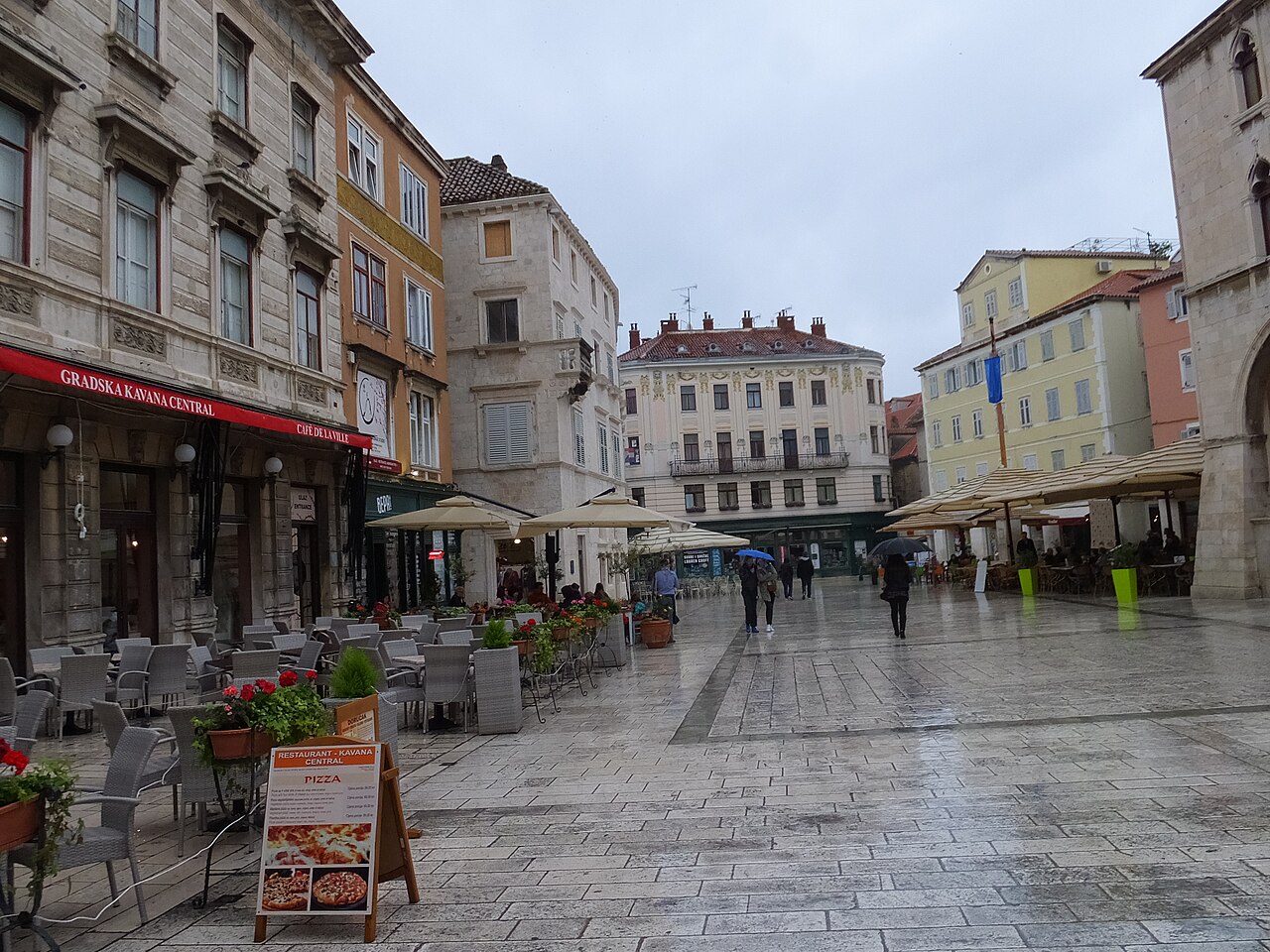
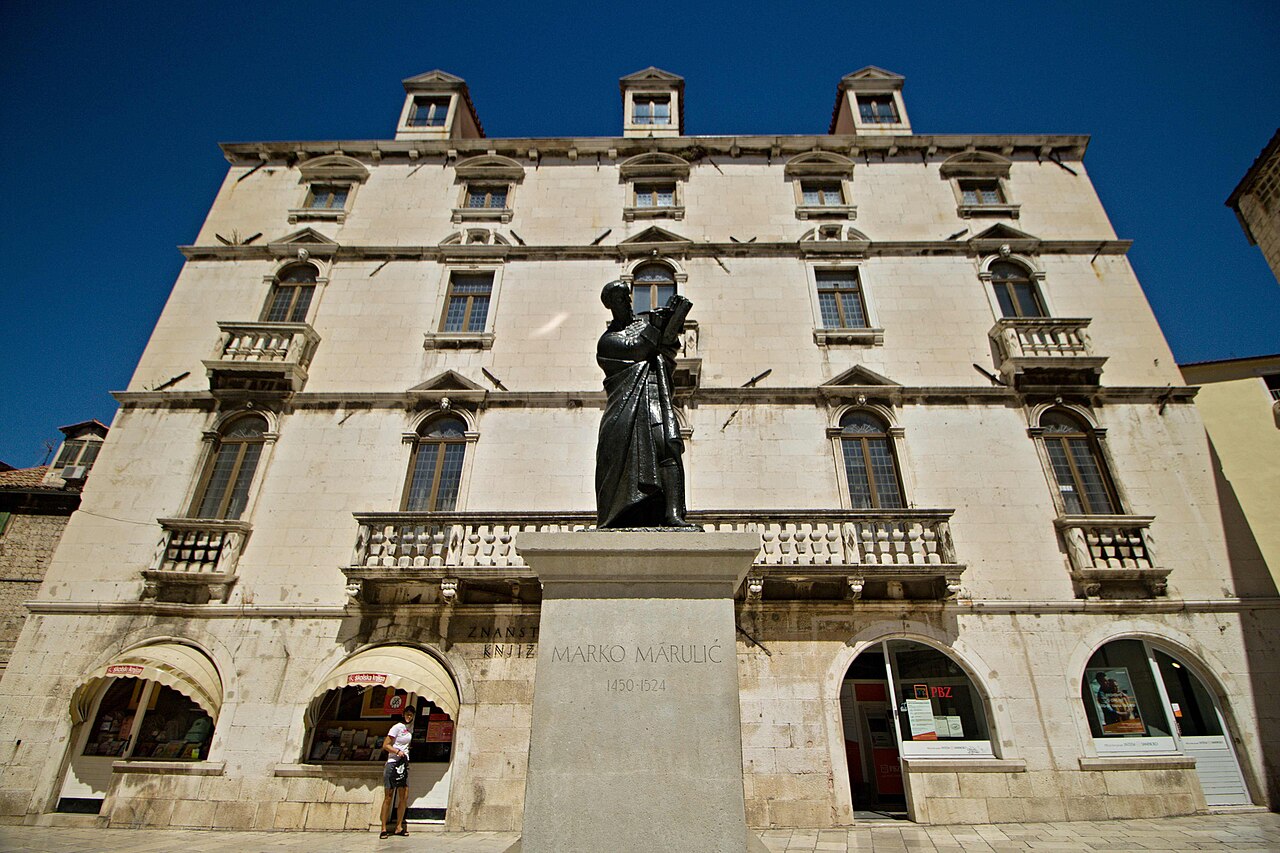
Milesi Palace, known locally as Palača Milesi, is a historic palace within Split’s UNESCO-listed Diocletian’s Palace complex. The building belongs to the layered urban fabric of Split, where an ancient Roman imperial residence was adapted through medieval and early modern centuries. Milesi Palace is best understood as part of the living old town rather than as an isolated museum building. Its value comes from seeing how residential, commercial, and civic life developed inside and around the ancient palace walls. A walk to Milesi Palace adds architectural context to the better-known streets, courtyards, and monuments nearby.
Checked 2026-08-26 · Source
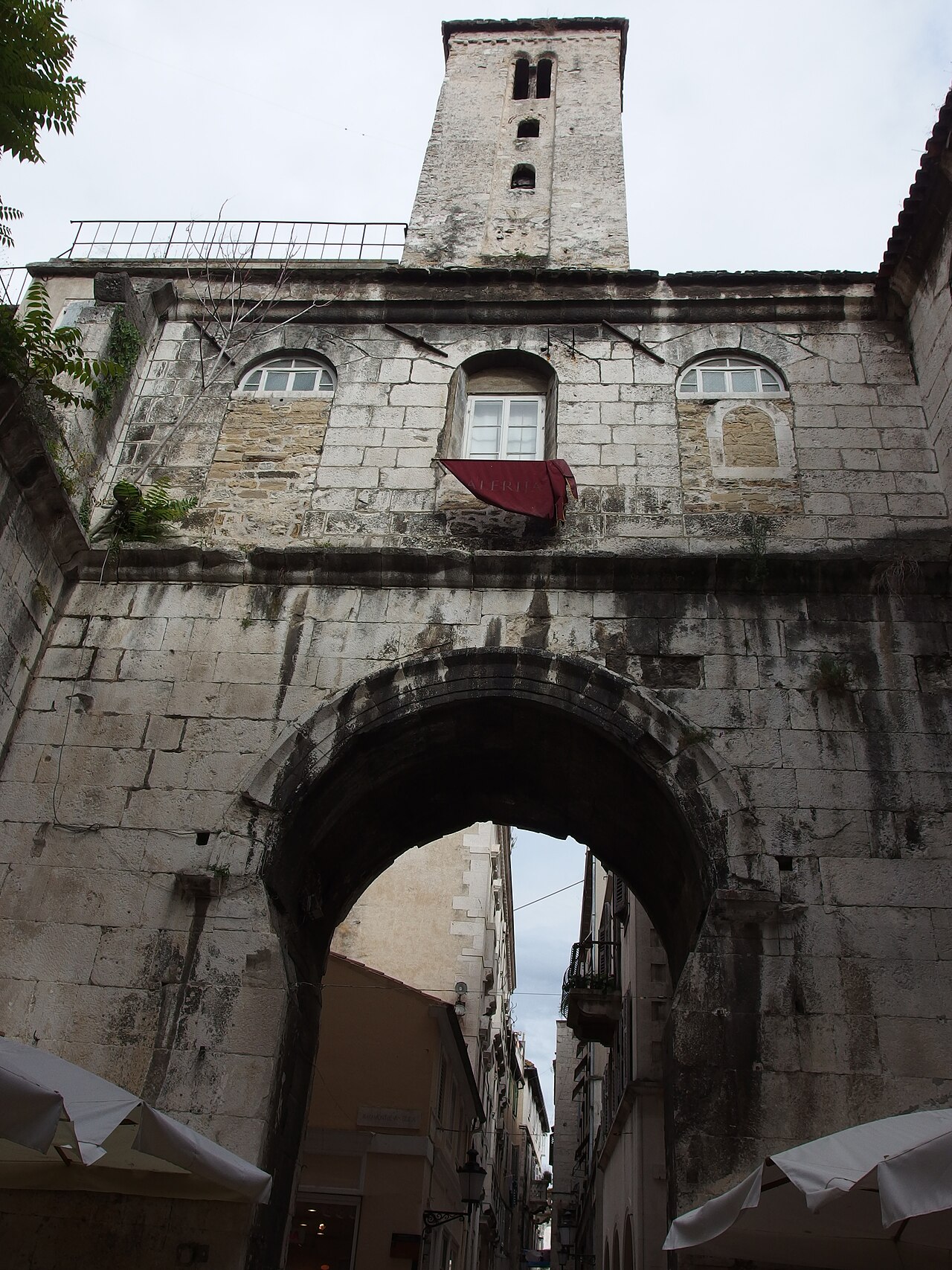
The main experience at Milesi Palace is the exterior within the historic street network of Diocletian’s Palace. Visitors can examine stone construction and the way different periods of building work meet inside the dense centre of Split. The surrounding urban setting is as important as the facade: narrow passages, adjoining historic structures, and active residential and commercial premises show that the old town remains a functioning neighbourhood. Milesi Palace works especially well as a short architectural stop during a longer walk through the palace complex, when the relationship between individual buildings and the wider Roman plan becomes easier to appreciate.
Checked 2026-08-26 · Source
Allow about 15 to 30 minutes for Milesi Palace as an exterior architectural stop. That time is enough to pause, study the building’s position in the surrounding streets, and take photographs without rushing. Visitors exploring the wider Diocletian’s Palace complex should treat Milesi Palace as one point within a half-day or full-day walking route. Architecture enthusiasts may spend longer comparing masonry, proportions, and neighbouring facades, while casual walkers may need only a few minutes before continuing toward another part of Split’s historic centre.
Checked 2026-08-26 · Source
Milesi Palace can be viewed from the public streets of Diocletian’s Palace at any time. Spring and autumn are comfortable periods for walking through Split’s historic centre, with gentler temperatures than the busiest summer months. July and August bring intense heat and heavier visitor movement, so early morning or evening is more pleasant for studying the exterior and moving through narrow lanes. Morning and late-afternoon light can bring out texture in the stone, while quieter periods make it easier to stop without obstructing local residents or other pedestrians.
Checked 2026-08-26 · Source
Viewing Milesi Palace from public streets is free. The exterior forms part of Split’s open historic centre, so travellers can include the building in a walking route without buying a separate ticket for this stop. Other attractions inside Diocletian’s Palace have their own arrangements, but those arrangements do not change the free street-level experience at Milesi Palace. The most useful way to plan the visit is to combine the palace with nearby streets and monuments, allowing time for the whole historic setting rather than treating the facade as a standalone indoor attraction.
Checked 2026-08-26 · Source
Milesi Palace is inside Diocletian’s Palace in central Split. Walk toward the old town from the Riva waterfront, Marmontova Street, the ferry port, or the main bus and train stations; each provides a practical approach to the southern edge of the historic centre. Cars do not enter the palace’s internal street network, so drivers need to leave vehicles outside the old town and continue on foot. The lanes can feel confusing because many buildings stand close together. The cathedral bell tower is a useful orientation point while moving through the complex.
Checked 2026-08-26 · Source
The ancient stone paving around Milesi Palace is uneven and can be difficult for wheelchairs, pushchairs, and anyone unsteady on their feet. Narrow passages may offer little shade, and Split’s summer heat can become tiring during a long walk. Crowds are strongest in central parts of Diocletian’s Palace during July and August. The old town is still used by residents and businesses, so keep doorways clear, move aside in narrow lanes, and treat windows and entrances as private spaces. Good footwear and water make the approach more comfortable.
Checked 2026-08-26 · Source
Milesi Palace is suited to exterior photography from the public streets of Diocletian’s Palace. Morning and late afternoon light can reveal the texture of the stone facade, while the surrounding lanes provide context that a close crop would lose. Avoid blocking narrow passages with a tripod or large group, and do not photograph residents through windows or doorways. Evening scenes can be atmospheric, although some internal lanes have limited artificial light. The strongest images usually include neighbouring historic fabric, showing Milesi Palace as part of Split’s continuously occupied old town.
Checked 2026-08-26 · Source
Milesi Palace is experienced as an exterior historic building within Diocletian’s Palace. The surrounding streets, stone construction, and adjoining buildings provide the main architectural context.
Exterior viewing from the public streets of Diocletian’s Palace is free.
The exterior is visible from the public streets at any time. Early morning and evening are more comfortable than the hottest and busiest summer periods.
Milesi Palace stands within Diocletian’s Palace in Split’s historic centre, reachable on foot from the Riva, Marmontova Street, the ferry port, and the main bus and train stations.
Allow about 15 to 30 minutes for the palace exterior, or include it within a half-day or full-day walk through Diocletian’s Palace.
Uneven ancient stone paving and narrow passages create accessibility challenges around the historic palace complex.
Loading the interactive map…
The interactive map could not be loaded.
Last updated:
Source: OpenStreetMap contributors, Wikidata ·