.jpg)
6 min walk
Ivan Meštrović Gallery
- Must see
- Museum
Language · 11 published
Activity · Split
Vrh Telegrin
Reviewed by Elena Voss · Roavina Travel Editor
Read from the OpenStreetMap access tags; anything not listed has no tag recorded.
Set the group type to family in the planner and the day window contracts to about three quarters of a solo day.
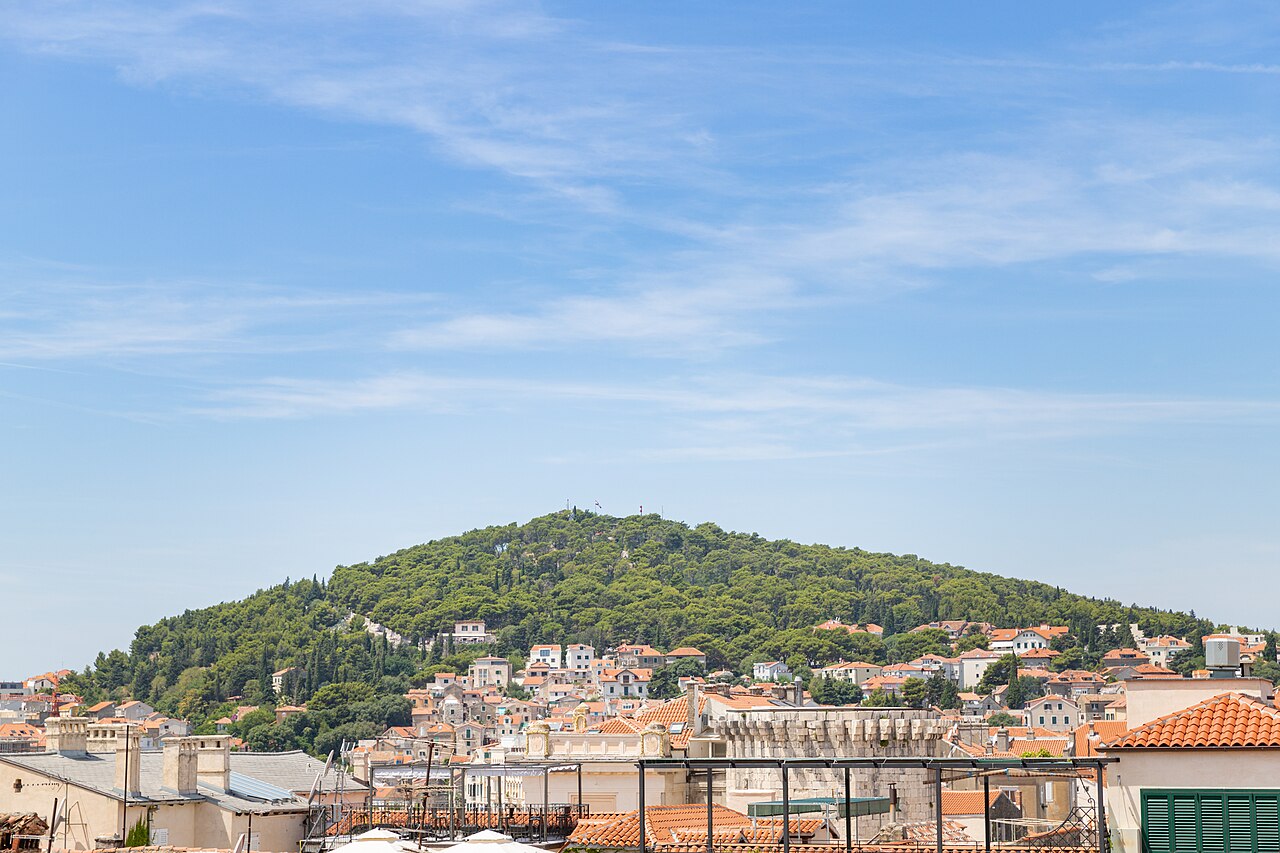
Telegrin Peak, or Vrh Telegrin, is an elevated natural viewpoint in the Split area. The peak belongs to the hilly landscape above the city and offers a different perspective from the streets, palace courtyards, and waterfront promenade below. The attraction is the combination of height, open terrain, and views across Split, the Adriatic, and the surrounding coastal geography. Telegrin Peak is best understood as an outdoor walking destination rather than a built attraction with rooms or displays. Its appeal depends on the approach, the weather, and the clarity of the horizon. Travelers who want a break from urban sightseeing can use the peak for a landscape-focused outing, while photographers can work with the relationship between the city, sea, islands, and elevated ground.
Checked 2026-08-26 · Source
Telegrin Peak consists of natural elevated terrain, vegetation, open views, and the physical landscape of the Split hinterland. The main feature is the viewpoint itself: urban Split below, the Adriatic beyond, and island silhouettes or coastal landforms shaped by weather and visibility. This is not a museum or an enclosed attraction, so the experience comes from moving through the terrain and pausing at the high ground. The supplied place identity gives the local name Vrh Telegrin, which is useful when connecting the peak with local map references. There are no described exhibition rooms, restaurants, or permanent visitor structures in the guide material. Bring attention to the landscape, the changing light, and the way Split’s dense historic core contrasts with the open slopes above it.
Checked 2026-08-26 · Source
A short outing to Telegrin Peak can take under an hour for the ascent, a viewpoint pause, and a return along the same general route. A more relaxed visit can fill several hours when you include walking, rests, changing viewpoints, and photography. Time depends on fitness, weather, ground conditions, and the approach selected. The peak works well as a dedicated outdoor excursion rather than a quick city-center stop. Carry enough water for the time you plan to spend outside, because the guide material describes the peak as natural terrain without a confirmed refreshment facility. Leave room in the schedule for the return journey, particularly when heat, wind, or uneven ground slows progress.
Checked 2026-08-26 · Source
Choose a time when walking in exposed terrain will be comfortable. Split has hot, dry summers and milder, wetter winters, so midday summer heat can make the climb and the open viewpoint more demanding. Spring and autumn offer a gentler setting for physical activity, while changing weather can still affect the ground and visibility. Early morning and late afternoon are attractive for softer light and lower sun, especially when the goal is a landscape view or photography. Rain can make natural surfaces slippery, and dry periods can leave vegetation and ground conditions dusty or fragile. Plan the outing around daylight, weather, and your walking pace so the return is as comfortable as the ascent.
Checked 2026-08-26 · Source
Telegrin Peak is a natural viewpoint rather than a ticketed indoor attraction. The guide material describes no admission mechanism, booking process, or visitor fee for reaching the elevated terrain. The practical costs of an outing can instead come from transport to an approach point, equipment, or food and water carried for the walk. Treat the peak as an outdoor destination within the Split landscape, with the main preparation focused on time, weather, footwear, and navigation. A visit does not require a museum-style schedule, but daylight and conditions matter. The absence of built facilities is part of the character of the place: the reward is the landscape and the view across the city and Adriatic.
Checked 2026-08-26 · Source
Reach Telegrin Peak through the elevated terrain around Split, using the place name Vrh Telegrin when matching local map references. The guide material identifies the peak as a walking destination but does not give a named trailhead or a step-by-step route. Treat the approach as a real outdoor outing: map the route before leaving, allow time for the return, and wear footwear suited to uneven ground. Road access, taxis, and local buses can help position you near the wider hillside, but the final approach is a walking experience. The city’s transport network is useful for reaching the area around Split; it does not turn the peak itself into an urban stop. Leave the waterfront with the equipment and daylight needed for a hillside visit.
Checked 2026-08-26 · Source
Uneven natural terrain is the main physical challenge at Telegrin Peak. Loose or wet surfaces can increase the risk of slips and ankle injuries, while summer sun and wind can make the exposed high ground tiring. Carry water, use shoes with firm grip, and keep enough daylight for the return. Dry vegetation can be fragile and, during hot periods, increases the need for care with fire and discarded materials. Inform someone of your route when walking alone, especially if you plan to stay for sunset. Natural viewpoints do not provide the same immediate assistance as city streets, so a charged phone, basic orientation, and sensible pacing matter. Stay on the ground you can cross safely and turn back when conditions deteriorate.
Checked 2026-08-26 · Source
Telegrin Peak is a strong photography stop for broad views of Split, the Adriatic, and distant island forms. Early and late light can add shape to the coastline and reduce the flatness of strong midday sun, while clear weather matters more than elaborate equipment. Use the high ground to frame the city below against the sea, then look for smaller compositions in vegetation, rock, paths, and shifting shadows. Wind can affect tripods and people standing near exposed edges, so keep equipment secure and choose stable ground. Drone use is subject to applicable aviation and local safety rules, and the open landscape still requires respect for people, wildlife, and the environment. Leave the viewpoint as you found it.
Checked 2026-08-26 · Source
The local name is Vrh Telegrin. It is an elevated natural viewpoint in the Split area with views toward the city and Adriatic coastline.
The high ground offers perspectives over Split, the Adriatic waters, surrounding coastal geography, and distant island silhouettes when visibility is clear.
A short outing may take under one hour, while walking, rests, photography, and changing viewpoints can extend the visit to several hours.
Bring water, secure footwear, a route plan, and enough daylight for the return. The attraction is natural terrain without a confirmed refreshment facility.
Early morning and late afternoon provide softer light, while clear weather gives the strongest views across Split, the Adriatic, and nearby islands.
No. Telegrin Peak is an outdoor natural viewpoint, so the visit depends on walking conditions, daylight, weather, and the landscape around Split.
Loading the interactive map…
The interactive map could not be loaded.

Last updated:
Source: OpenStreetMap contributors ·