.jpg)
01
1 hr 30 min
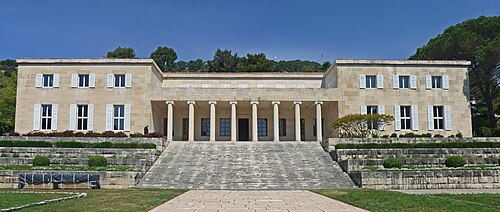
Ivan Meštrović Gallery
Galerija Meštrović
The Mestrovic Gallery is Split’s dedicated home for the work of Ivan Mestrovic, one of Croatia’s major modern sculptors.
- Must see
- Museum
Language · 11 published
City guide · Croatia
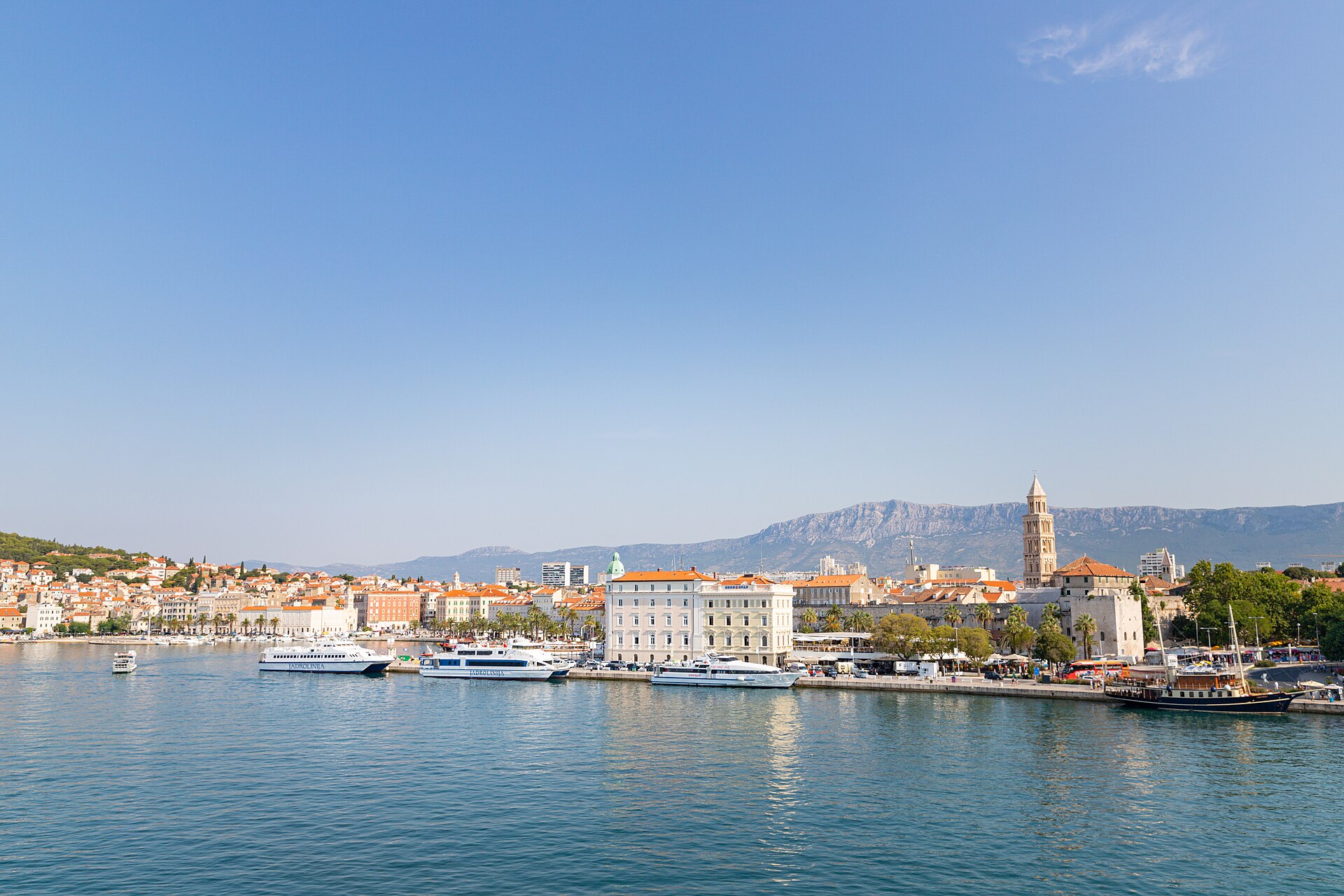
Split's historic core grows directly out of Diocletian's Palace and opens onto the Riva, creating a dense pedestrian centre between stone lanes and the harbour. Marjan rises west of that core, while city beaches spread along separate shores. Trogir and the islands are outward journeys rather than neighbourhoods of Split. The port places ferries, intercity buses and local movement in the same busy waterfront zone.
Reviewed by Elena Voss · Roavina Travel Editor
Set your days, your pace and the hours you actually want to be out. The planner works around closing days and travel time, and leaves room to eat.
Ranked by importance — sitelinks, pageviews and heritage status, not editor preference.
11 places match
Category
Typical visit duration
Interests
Galerija Meštrović
The Mestrovic Gallery is Split’s dedicated home for the work of Ivan Mestrovic, one of Croatia’s major modern sculptors.
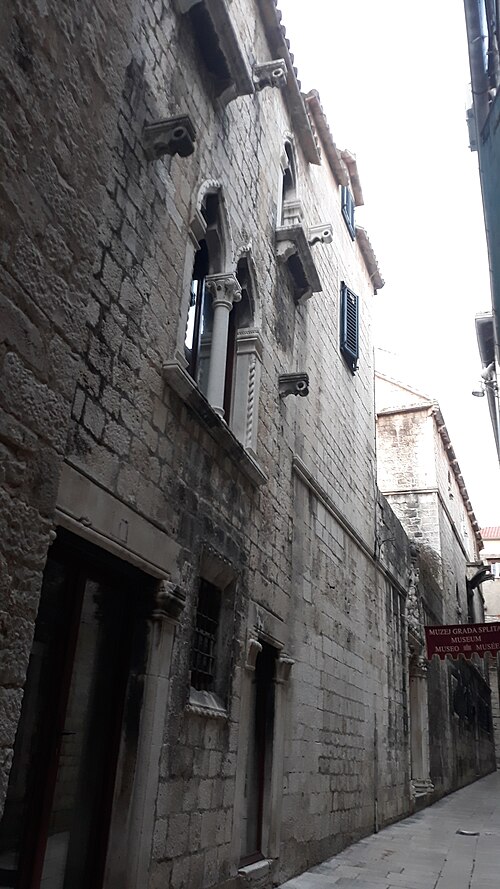
Muzej grada Splita
Split City Museum, locally Muzej grada Splita, is a municipal museum institution in Split, Croatia. It preserves and presents the urban history of Split from antiquity through the medieval period to modern times.
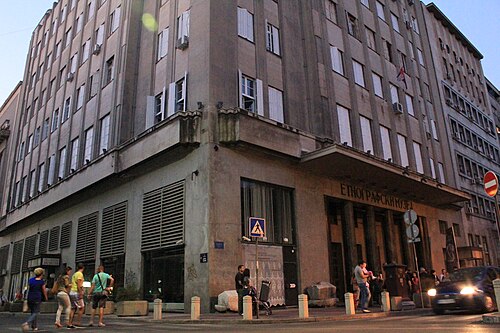
Etnografski muzej
The Ethnographic Museum Split sits in the city’s historic core and introduces travellers to the material and social traditions of Dalmatia.
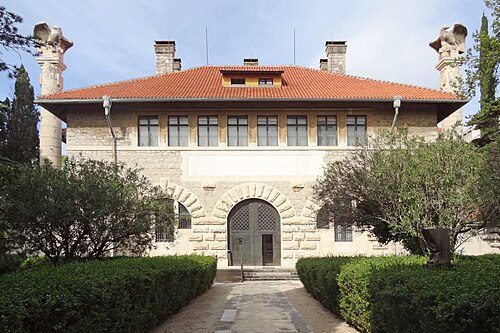
Arheološki muzej
The Archaeological Museum in Split, known locally as Arheološki muzej u Splitu, stands as a significant cultural institution in Croatia's second-largest city. It preserves and presents archaeological finds from the Split region and broader Dalmatian area.
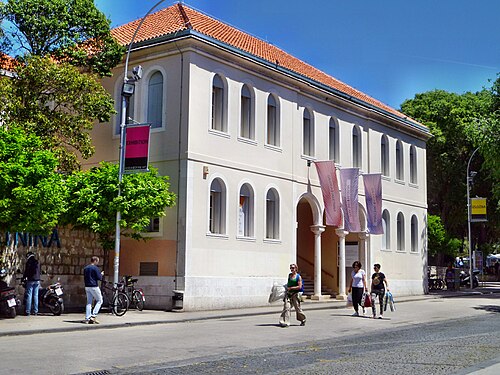
Galerija umjetnina
Gallery of Fine Arts Split, or Galerija umjetnina Split, is an art museum in Split, Croatia. The gallery gives a cultural counterpoint to the Roman remains of Diocletian’s Palace and the busy waterfront.
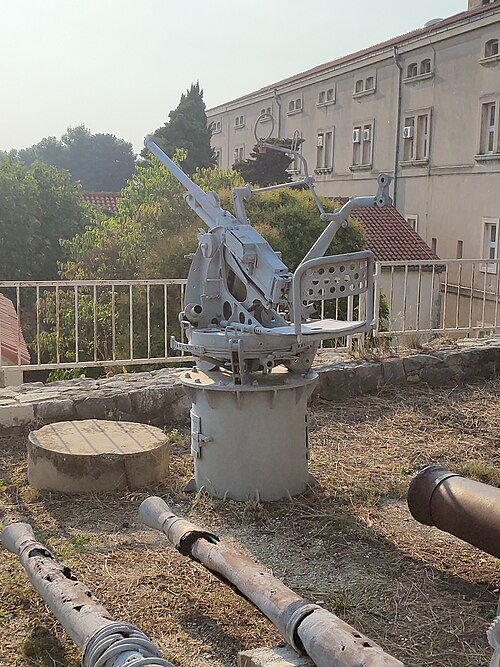
Hrvatski Pomorski muzej
The Croatian Maritime Museum occupies Split’s Gripe Fortress and explores the Adriatic through the objects, technology and traditions of seafaring.
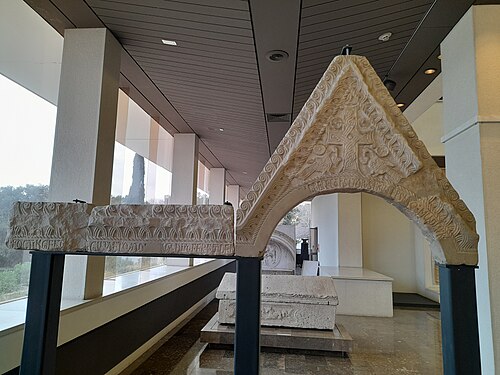
The Museum of Croatian Archaeological Monuments is a museum in Split dedicated to preserving and presenting Croatia's medieval archaeological heritage.
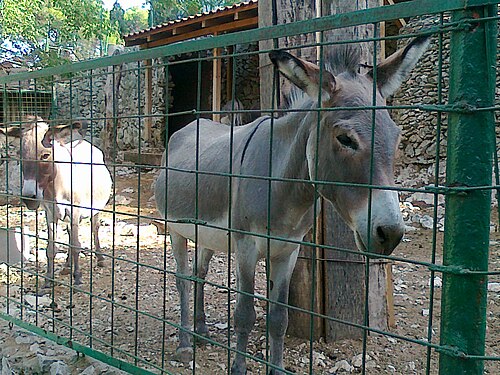
Prirodoslovni muzej i zoološki vrt Split
Split Science Museum and Zoo, locally called Prirodoslovni muzej i zoološki vrt Split, combines natural-science interpretation with a zoological setting. The attraction broadens a Split itinerary beyond Diocletian’s Palace, the waterfront, and the city’s Roman heritage.
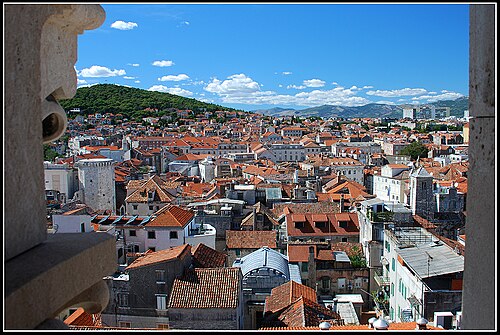
Game of Thrones Museum Split is a themed attraction devoted to the HBO series and its filming connections with Croatia. Split is closely associated with the production because Diocletian’s Palace and nearby locations provided settings for scenes in the series.
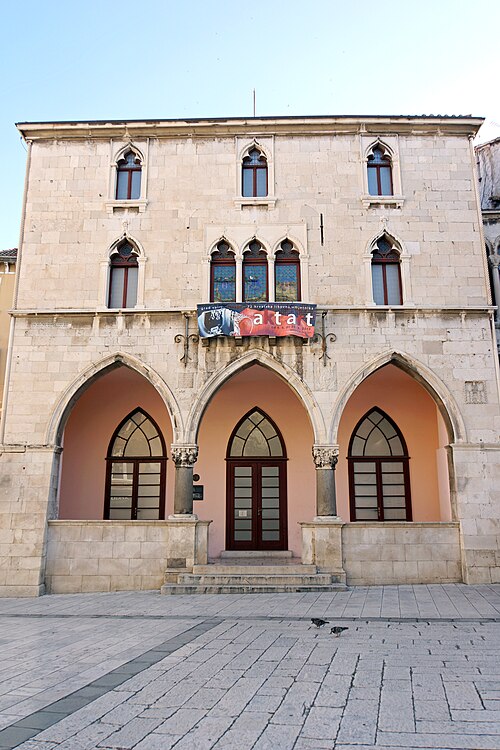
Stara gradska vijećnica
Old City Hall is a historic civic building in Split’s old town. Its administrative purpose connects it with the city’s civic heritage, while its setting places it within the layered historic centre.
Galerija Emanuela Vidovića
Emanuel Vidović Gallery, or Galerija Emanuela Vidovića, is a Split art gallery dedicated to the Croatian painter Emanuel Vidović.
Source: OpenStreetMap contributors, Wikidata ·
Explore the palace substructures, Peristyle, old-town lanes and Riva in one pedestrian sequence. Use another block for Marjan, choosing its access point before climbing, and do not assume every beach lies on that route. Trogir needs a land connection; island visits depend on the sailing selected. Keep those excursions away from a day already committed to the historic core.
Checked 2026-08-26
Walking is the default inside Diocletian's Palace and the old town, where through-traffic is not a useful way to sightsee. City buses serve Marjan approaches, beaches and outer districts, while bicycles suit selected waterfront routes. Ferries and catamarans leave from the port on independent schedules. Use the Split Tourist Board's current transport directory and the named operator for the exact bus or sailing before departure.
Checked 2026-08-26
No official city-wide stay length is recorded. Begin with Diocletian's Palace, the old town and Riva, then add Marjan or a city beach. Trogir and island travel need extra itinerary space.
Keep the palace, old-town lanes and Riva in one walking route. Plan Marjan from a chosen access point and place each beach according to its own coast. Treat Trogir or an island as an excursion.
Walk in the palace and old town, use local buses for outer districts and consult the relevant operator for ferries or catamarans. The Tourist Board's transport page links the current options.
The palace, old town and Riva are naturally pedestrian. Marjan's approaches, beaches beyond the centre, Trogir and the port connections require a route choice beyond that compact walk.
Trogir uses a land connection, while each island depends on a specific sailing. Verify the return departure and seasonal operation before leaving Split, especially when accommodation remains in the city.