
8 min walk
Bamby
- Notable
- Nightlife venue
Language · 11 published
Museum · Split
Prirodoslovni muzej i zoološki vrt Split
Reviewed by Elena Voss · Roavina Travel Editor
| Monday | 10:00 – 20:00 |
|---|---|
| Tuesday | 10:00 – 20:00 |
| Wednesday | 10:00 – 20:00 |
| Thursday | 10:00 – 20:00 |
| Friday | 10:00 – 20:00 |
| Saturday | 09:00 – 13:00 |
| Sunday | Closed |
Checked 2026-08-31 · Source
Read from the OpenStreetMap access tags; anything not listed has no tag recorded.
Set the group type to family in the planner and the day window contracts to about three quarters of a solo day.
It was established in 1924.
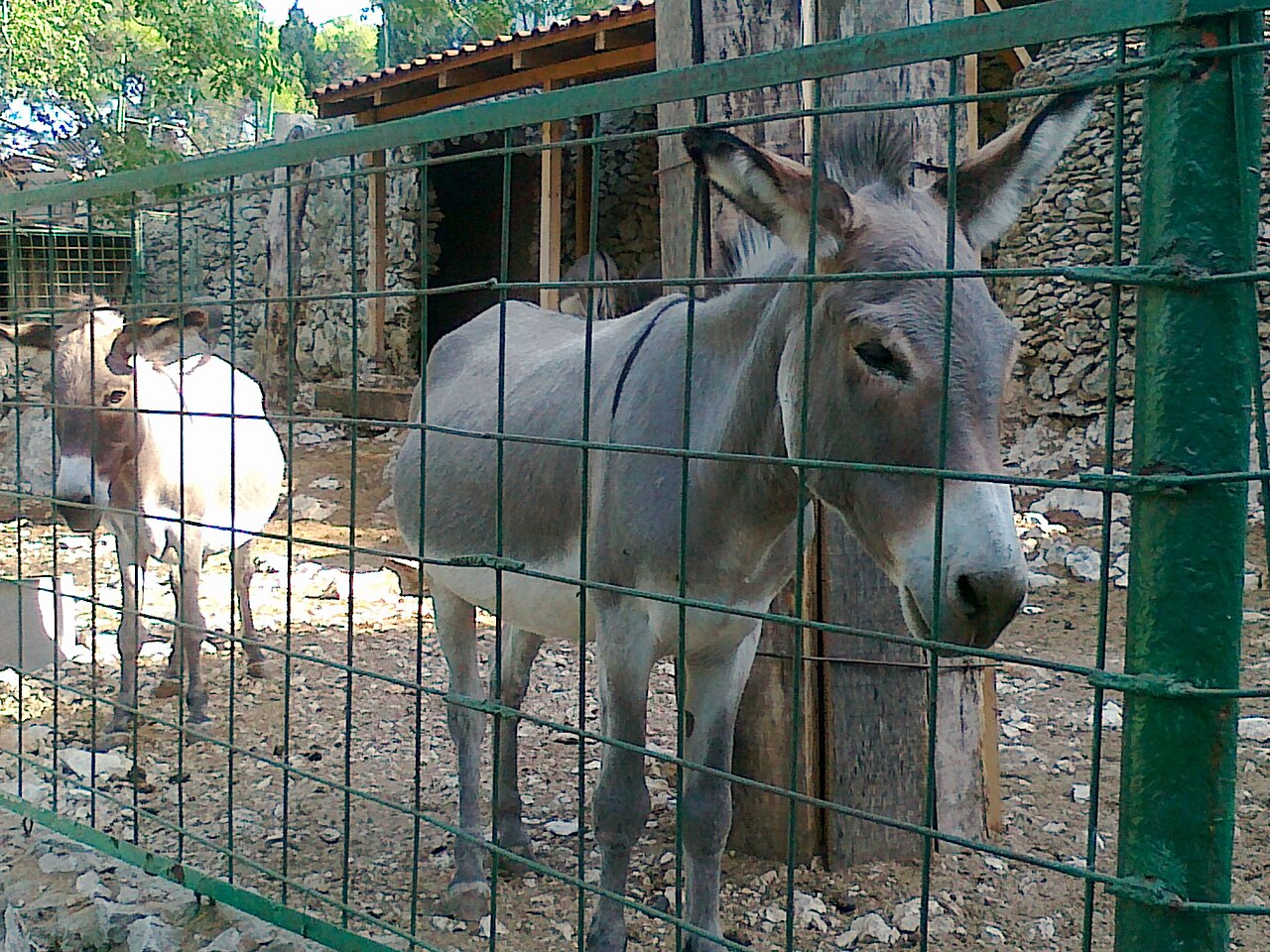
Split Science Museum and Zoo, locally called Prirodoslovni muzej i zoološki vrt Split, combines natural-science interpretation with a zoological setting. The attraction broadens a Split itinerary beyond Diocletian’s Palace, the waterfront, and the city’s Roman heritage. Its identity is defined by the pairing of a museum and a zoo: visitors can move between scientific themes and live-animal viewing within one destination. That combination suits families, travelers interested in natural history, and anyone wanting a change from dense urban sightseeing. The museum and zoo also create a different rhythm from art galleries and archaeological sites, shifting attention toward nature, animals, and education. Plan the visit as a self-contained stop, with enough time for both parts if the displays and enclosures hold your interest.
Checked 2026-08-26 · Source
The attraction brings together natural-science displays and animal enclosures. The museum side provides the educational setting, while the zoo side adds live-animal viewing and outdoor movement. The exact species, gallery themes, and arrangement can vary by presentation, but the combined identity is clear: this is a place to connect scientific subjects with the living world. The contrast between indoor interpretation and outdoor enclosures makes the visit more varied than a single-room museum. Families can use the two-part format to alternate between looking, walking, and discussing what they have seen. Adult visitors may prefer the natural-history perspective or the change of pace from Split’s built heritage. Give each part attention rather than treating one half as a corridor on the way to the other.
Checked 2026-08-26 · Source
Plan at least ninety minutes for a useful first visit to Split Science Museum and Zoo. A longer stay can extend toward half a day when children want time at the animal enclosures, adults read the scientific displays closely, or the group pauses between indoor and outdoor areas. The two-part format makes the visit flexible: a shorter route can focus on the sections that interest your group most, while a fuller visit gives the museum and zoo equal space. Allow extra time for walking between areas and for changing pace with children. The attraction works well as a dedicated outing rather than a rushed addition to a sequence of Roman monuments. Keep the rest of the day light enough for the group to enjoy both learning and animal viewing.
Checked 2026-08-26 · Source
Choose a time that suits both indoor museum viewing and outdoor animal areas. In Split’s hot summer, the outdoor portion can feel more demanding around midday, while the museum side offers a different environment from the sunlit streets. Spring and autumn are comfortable for combining the attraction with time outside. Weather can change the balance between the two parts, so leave flexibility in the day rather than tying the visit to a tight chain of outdoor appointments. Summer is also the city’s busiest visitor season, making a planned start useful for families who want a calmer rhythm. The attraction’s mixed format remains valuable in less settled weather because it combines shelter with a reason to continue exploring outside when conditions permit.
Checked 2026-08-26 · Source
Plan the visit around the combined museum-and-zoo experience rather than a promised family package or city combination ticket. If you are traveling with children, budget enough time for the group to enjoy both educational displays and animal viewing, because the value of the stop comes from the pairing. The attraction can sit alongside Split’s free outdoor sightseeing, including walks through the historic center and along the waterfront. Keep admission planning separate from those public spaces and allow a little flexibility at the entrance before beginning the visit.
Checked 2026-08-26 · Source
Place Split Science Museum and Zoo into a Split day using its full Croatian name, Prirodoslovni muzej i zoološki vrt Split, when matching local references. Split’s city network includes buses, taxis, ferries, and intercity connections, while the precise final route to this attraction is best handled as a dedicated navigation step. Travelers staying near the historic center or waterfront should allow for the distance beyond the most compact Roman core. If you arrive from another part of Croatia by ferry, bus, or rail, make the museum and zoo a planned destination rather than an unplanned detour. Families should consider the return route and the energy required for outdoor walking, especially after a full morning in the old town.
Checked 2026-08-26 · Source
The museum and zoo combine indoor rooms with outdoor areas, so dress for changing conditions and wear comfortable shoes. Summer sun, uneven ground, and the extra walking between displays and enclosures can affect children and older travelers. Live animals may be resting, hidden, or less active, and viewing can change with weather and enclosure routines. Keep voices and movements controlled near animals, and follow any barriers or conduct signs. Crowds are more noticeable during Split’s busy tourist season, particularly for families moving at different speeds. Bring water for the wider outing and plan pauses. The attraction’s mixed setting is rewarding, but it works best when the group has time to move slowly and respect both the educational displays and the animals.
Checked 2026-08-26 · Source
Photography at Split Science Museum and Zoo should follow the visible rules for both scientific displays and animal areas. Avoid flash around animals and sensitive exhibits, and keep phones or cameras from distracting other visitors. Photographing animals works best when you wait quietly rather than tapping on glass, calling out, or trying to provoke movement. A compact camera is easier to use along visitor paths than a tripod, especially when families and other groups are moving through. The contrast between indoor displays and outdoor enclosures gives the visit visual variety, while the surrounding Split landscape can provide wider images before or after entry. Respect privacy, barriers, staff directions, and animal welfare throughout the visit.
Checked 2026-08-26 · Source
It combines a natural-science museum with a zoological setting, giving visitors educational displays and live-animal viewing in one attraction.
The local name is Prirodoslovni muzej i zoološki vrt Split. Use it when matching local references or asking about the attraction.
Allow at least ninety minutes for a first visit. Families or visitors who explore both parts slowly can spend up to half a day.
Yes. Its combination of scientific displays, animal viewing, indoor space, and outdoor walking creates a varied family-oriented visit.
Yes. The museum provides indoor educational viewing, while the zoo component adds outdoor areas and live-animal enclosures.
The museum and zoo focus on science, nature, and animals, providing a different experience from Diocletian’s Palace and Split’s other Roman heritage sites.
Loading the interactive map…
The interactive map could not be loaded.

Last updated:
Source: OpenStreetMap contributors, Wikidata ·