
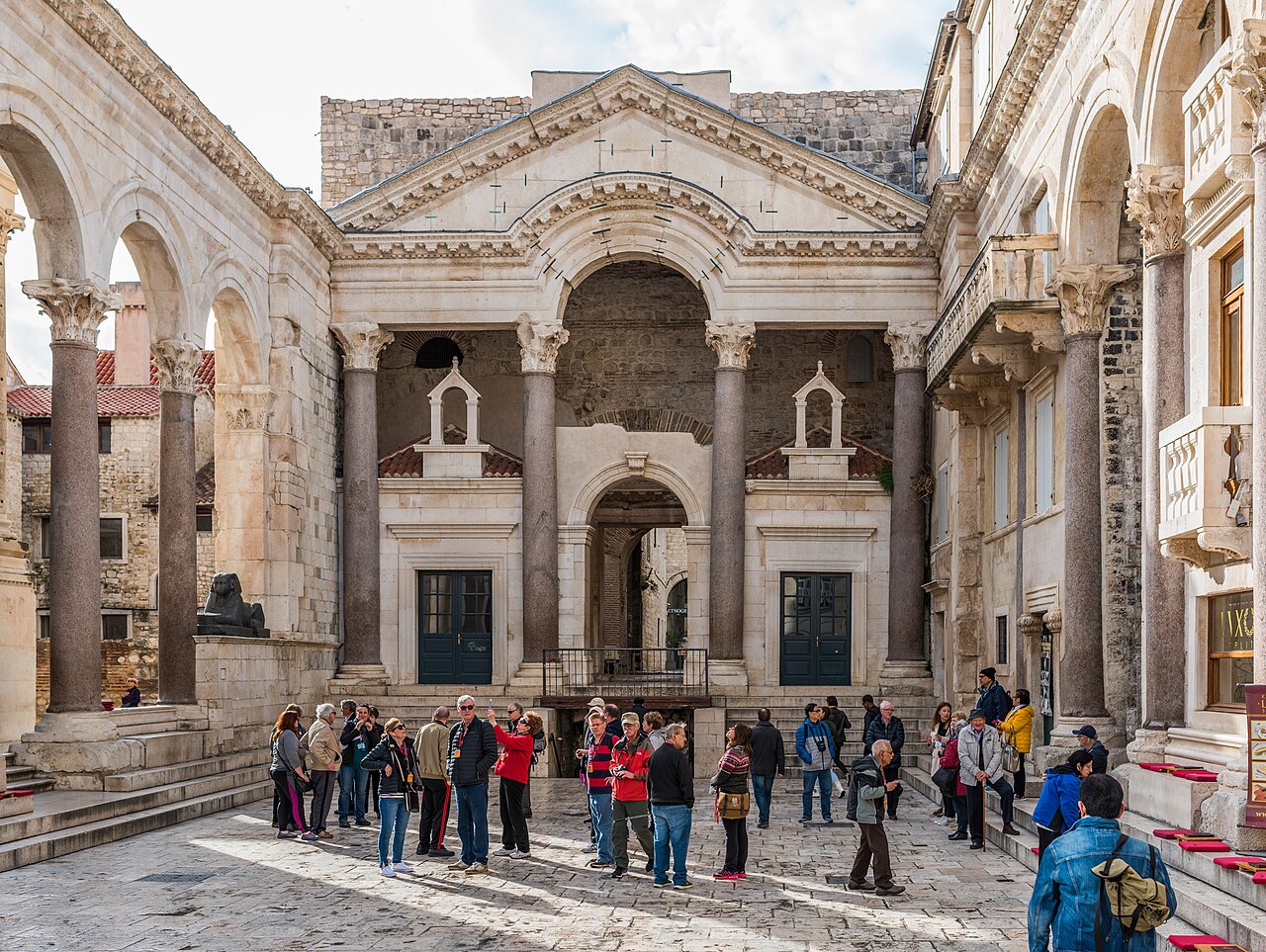
1 min walk
Peristyle Square
- Must see
- Historic monument
Language · 11 published
Museum · Split
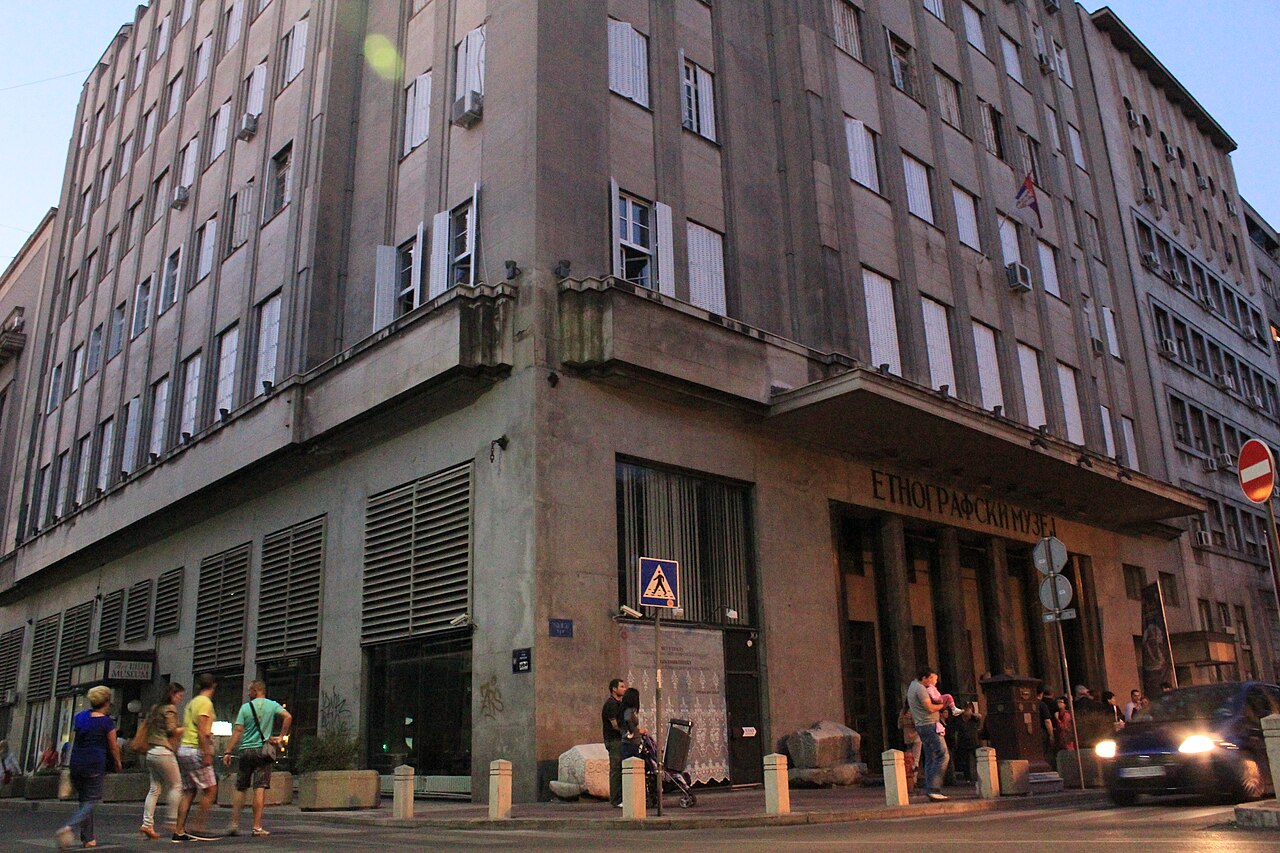
Etnografski muzej
Editorial responsibility: Elena Voss · Roavina Travel Editor
| Monday | 09:00 – 19:00 |
|---|---|
| Tuesday | 09:00 – 19:00 |
| Wednesday | 09:00 – 19:00 |
| Thursday | 09:00 – 19:00 |
| Friday | 09:00 – 19:00 |
| Saturday | 10:00 – 17:00 |
| Sunday | 10:00 – 14:00 |
Checked 2026-08-31 · Source
Read from the OpenStreetMap access tags; anything not listed has no tag recorded.
Set the group type to family in the planner and the day window contracts to about three quarters of a solo day.
This place is a Museum.
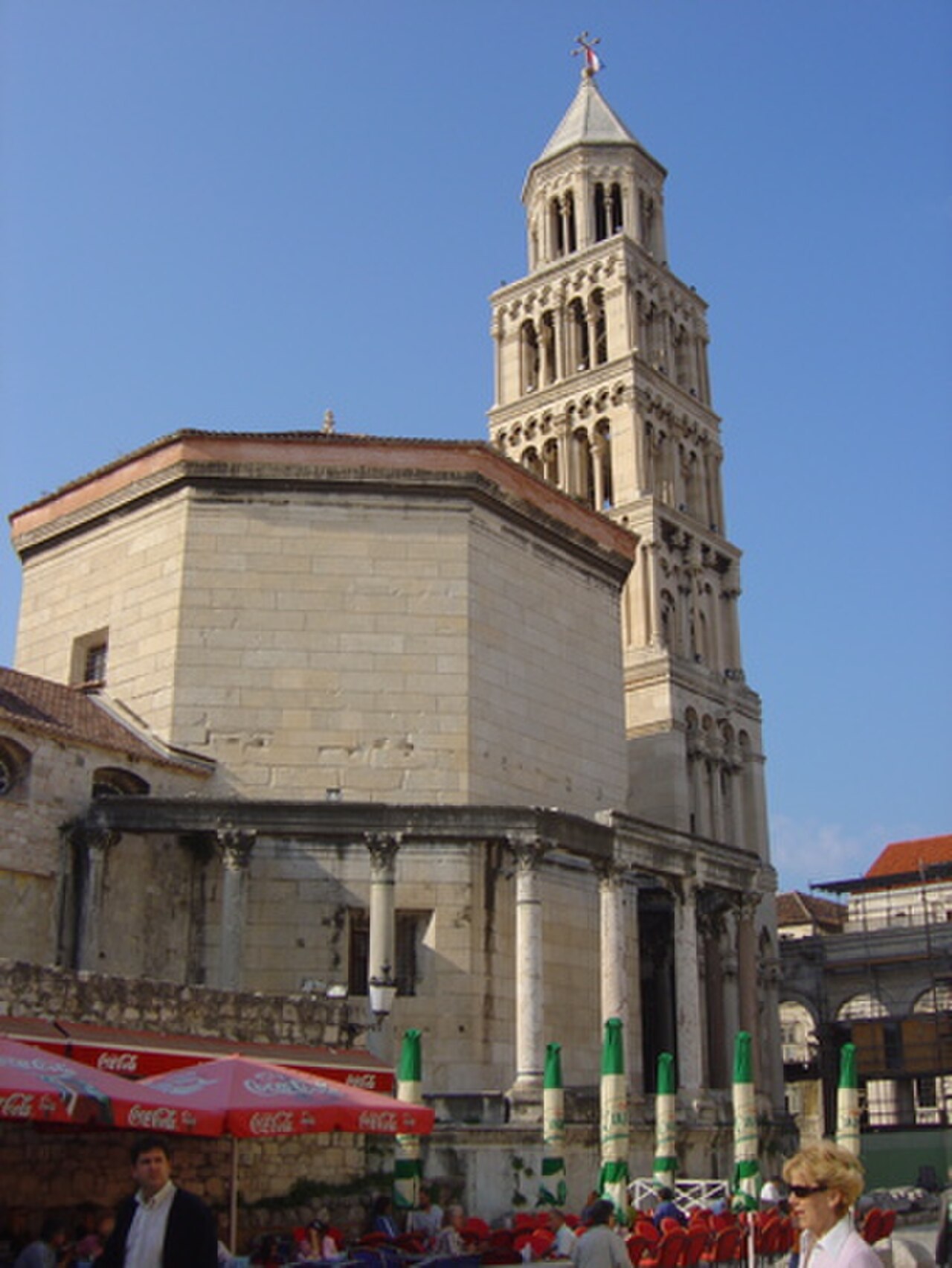
The Ethnographic Museum Split sits in the city’s historic core and introduces travellers to the material and social traditions of Dalmatia. Its setting within the old urban fabric makes the visit especially useful alongside Split’s Roman and medieval heritage: after seeing monumental stone architecture, you can turn to the clothing, household objects, crafts and everyday practices that shaped life in the region. The museum’s focus is local and human in scale. It helps explain how communities around Split lived, worked, dressed and expressed identity across generations, making it a strong choice for visitors who want cultural context beyond the headline monuments.
Checked 2026-08-26 · Source
Expect a collection centred on traditional costumes, textiles, jewellery and domestic implements from the Dalmatian region. The displays connect objects with craft skills and daily routines, helping you read clothing, decoration and household tools as evidence of community life rather than isolated antiques. Agricultural and fishing contexts are important to understanding the coastal and inland cultures around Split, while lacework, embroidery and woodcarving show the patience and technical knowledge behind regional traditions. Religious and festival objects add another layer by showing how material culture entered public and ceremonial life. Take time with details: fabrics, patterns and tools often communicate as much as the larger objects.
Checked 2026-08-26 · Source
A focused museum visit takes roughly forty-five to seventy-five minutes, depending on how closely you read the displays and examine textiles, dress and household objects. Allow longer if regional social history or traditional craft is a major interest. The museum is compact enough to fit naturally into a day built around Diocletian’s Palace, nearby historic streets and the waterfront. Treat it as a concentrated cultural stop rather than a full-day institution, and leave a little flexibility for the surrounding old town, where the irregular lanes and stone passages can slow your route between attractions.
Checked 2026-08-26 · Source
A morning visit can provide better conditions for studying detailed costumes, textiles and small objects before the historic centre becomes busier. In summer, the museum is a useful indoor pause during a day when Split’s stone streets and waterfront feel crowded and hot. Spring and autumn are comfortable seasons for combining the museum with a longer cultural walk, while winter can make a compact indoor collection a practical part of a quieter itinerary. Place this stop outside the busiest flow around cruise-ship arrivals when possible, then continue through the palace quarter while the surrounding lanes remain easier to navigate.
Checked 2026-08-26 · Source
Plan the Ethnographic Museum as a conventional museum stop within Split’s historic centre. Admission is handled separately from simply walking through the palace quarter, so keep the museum visit distinct in your day and allow time at the entrance. The value lies in the concentrated regional collection: costumes, textiles, jewellery, tools and household objects give a different perspective on Dalmatian life from the monumental architecture outside. If you are planning several cultural attractions, group this museum with the nearby historic sights and keep enough flexibility to spend longer with finely worked fabrics and craft objects.
Checked 2026-08-26 · Source
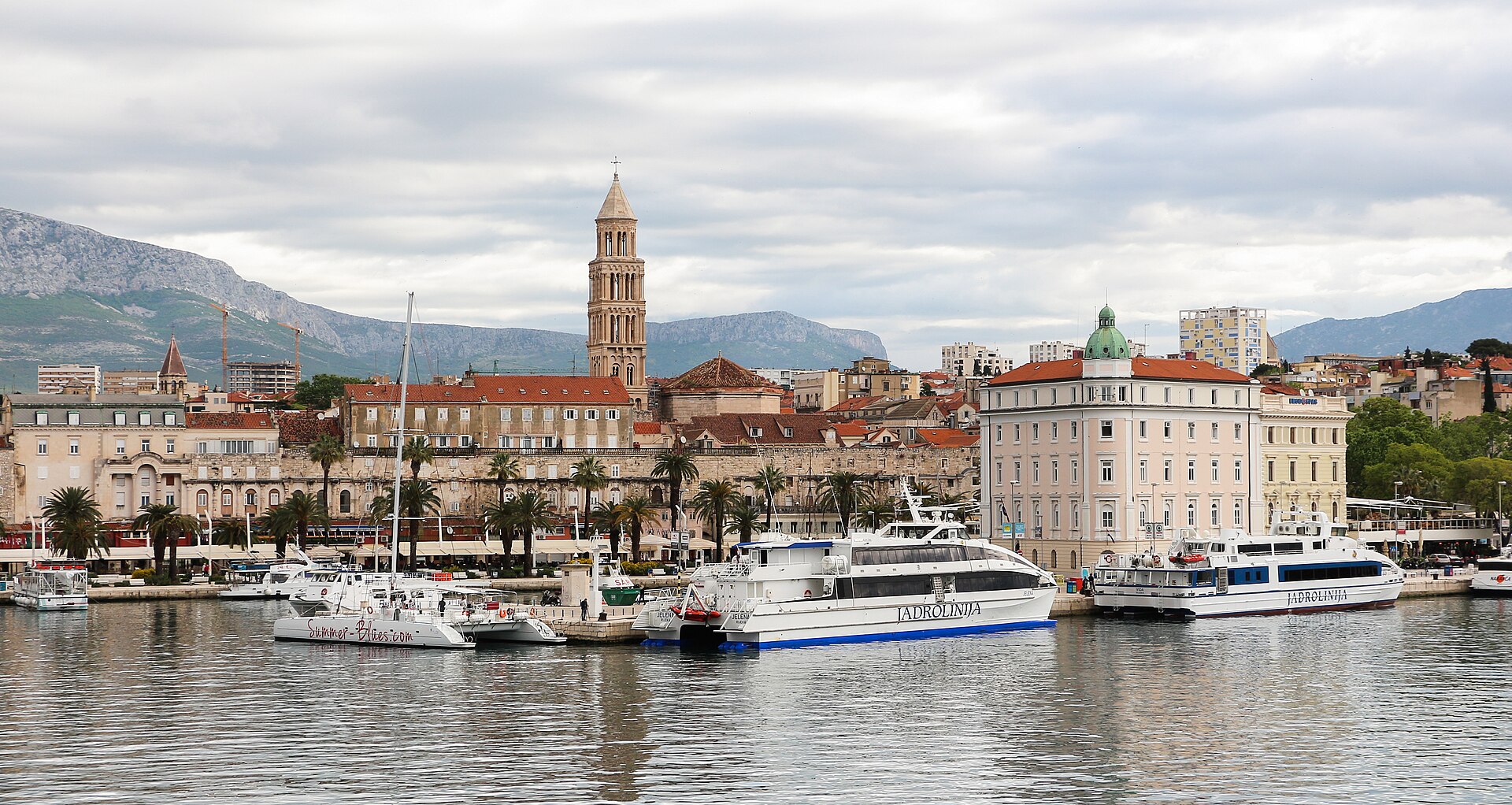
The museum is in Split’s pedestrian-focused historic centre, close to the streets and spaces associated with Diocletian’s Palace. Reach it on foot from the Riva waterfront or through the palace quarter, then follow the narrow and irregular lanes of the old city. Buses serve the wider centre, but the final approach is a walk. Ferries arriving at Split’s port can also be followed by a walk into the historic core. Private vehicles are inconvenient here because parking is scarce and access around the heritage zone is restricted. Comfortable shoes make the stone surfaces and steps easier to manage.
Checked 2026-08-26 · Source
The surrounding historic quarter has uneven stone paving, steps, narrow passages and busy pedestrian movement. Wear shoes with a secure sole and allow extra time when moving through the palace area, particularly in summer. The museum’s displays include textiles and other objects whose details may be easier to appreciate under changing interior light, so take your time rather than rushing room to room. Travellers with mobility needs should treat the old structure and its lanes as a practical consideration when planning the visit. Keep belongings close in crowded streets, and remember that the museum experience depends on moving carefully through a dense heritage setting.
Checked 2026-08-26 · Source
The museum’s strongest photographic subjects are the textures and forms of Dalmatian material culture: woven fabrics, embroidery, jewellery, carved wood and the shapes of domestic tools. Work carefully in the galleries, keeping equipment compact and avoiding flash where collection care or museum rules require it. The old building and the surrounding palace quarter also provide architectural context before or after the visit. A small camera is easier in confined rooms and busy lanes than a large setup. Photograph with attention to other visitors, especially when examining detailed displays that invite people to pause close to the cases.
Checked 2026-08-26 · Source
It is in Split’s historic core, in the pedestrian-focused area associated with Diocletian’s Palace. The Riva waterfront, ferry port and surrounding palace streets can all be reached on foot.
The collection focuses on Dalmatian life through traditional costumes, textiles, jewellery, household implements and craft traditions such as lacework, embroidery and woodcarving.
Allow about forty-five to seventy-five minutes for a focused visit. You may want longer if textiles, traditional dress, craft techniques or Dalmatian social history are central interests.
Yes. The museum is in Split’s historic centre, making it easy to pair with the palace quarter, nearby stone lanes and the Riva waterfront in one walking-focused cultural outing.
It adds everyday Dalmatian life to a city itinerary dominated by ancient architecture. Costumes, textiles, tools, jewellery and craft objects show how communities around Split lived and worked across generations.
Wear comfortable shoes with a secure sole. The historic centre has uneven stone paving, steps and narrow passages, and the final walk through the palace quarter is more practical on foot than by car.
Loading the interactive map…
The interactive map could not be loaded.
Last updated:
Source: OpenStreetMap contributors ·