
1 min walk
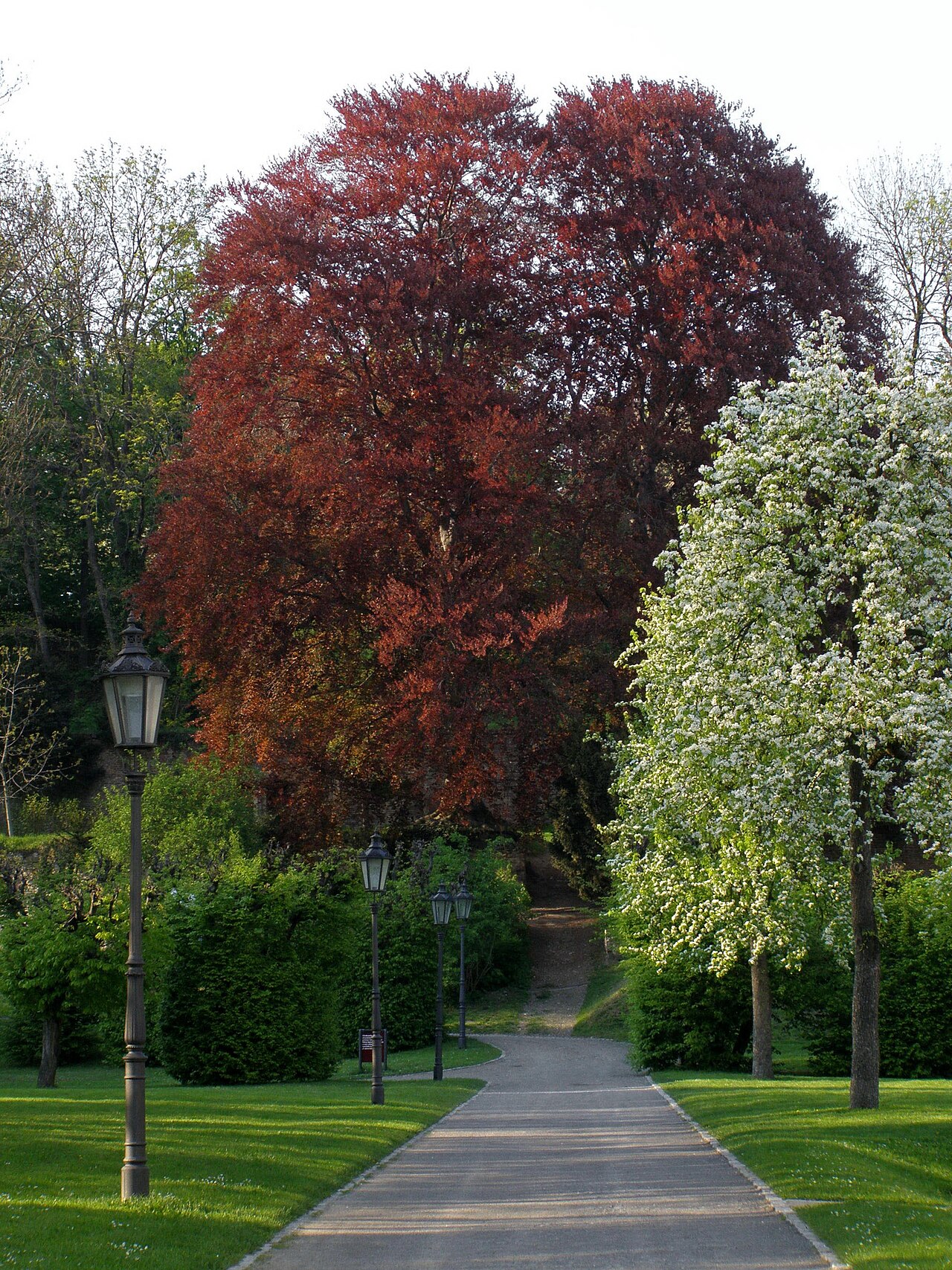
Břevnov Monastery garden
- High · Heritage site
- Nature site
Language · 11 published
Historic monument · Prague
Břevnovský klášter
Reviewed by Elena Voss · Roavina Travel Editor
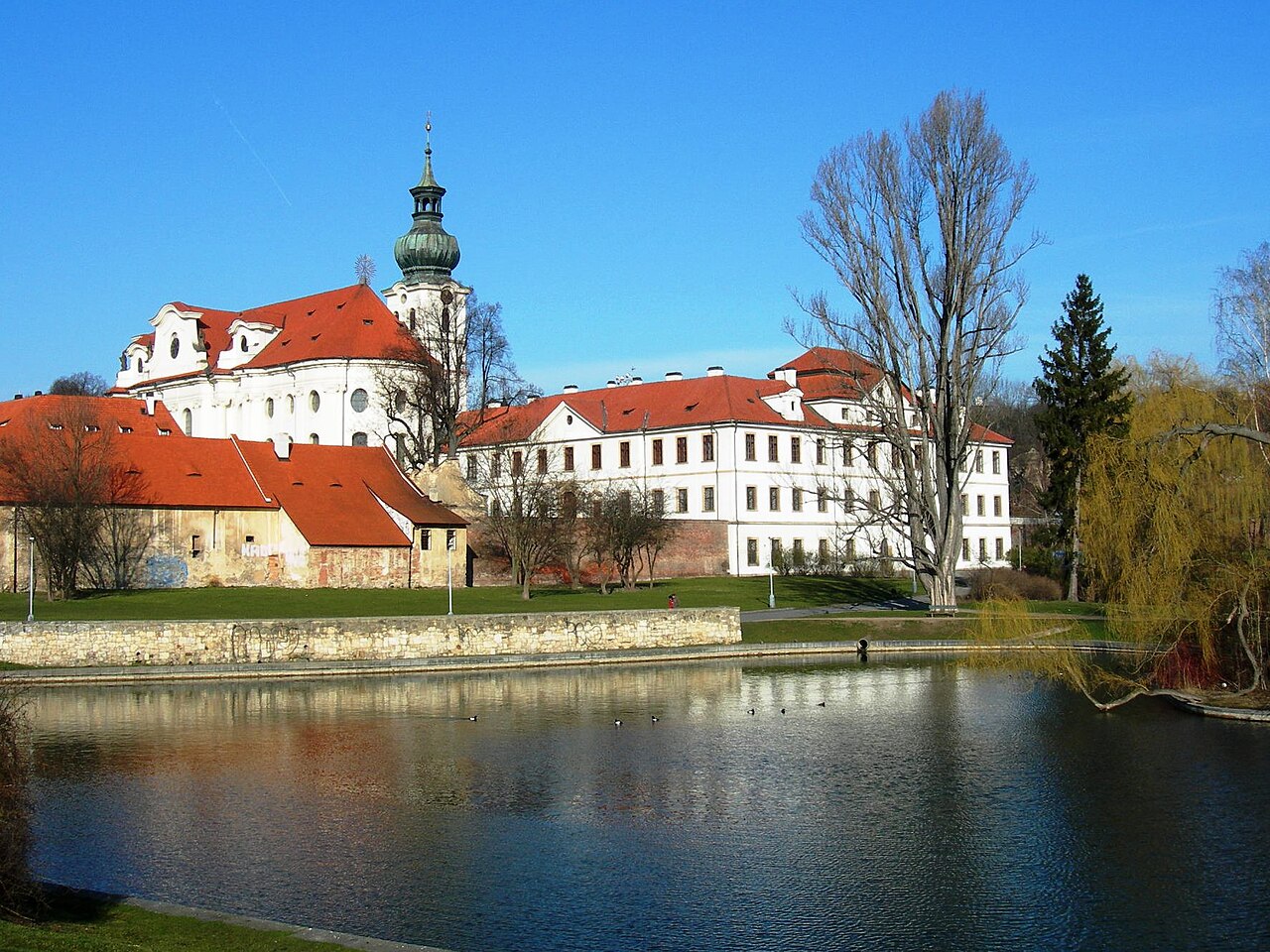
This place is a Attraction. It was established in 993. It was built in the baroque architecture style. It carries the national cultural monument of the Czech Republic heritage designation.
Břevnov Monastery is a Benedictine monastery in Prague 6 and one of the oldest monastic foundations in Bohemia. Its origins reach back to 993, when the monastery was founded by Saint Adalbert and Duke Boleslaus II. The complex remains a place of religious life as well as a monument of Czech history. Travellers visit for the Baroque architecture, the Church of Saint Margaret and the atmosphere of a historic monastery outside Prague’s busiest centre. Břevnov Monastery is valuable because its buildings, gardens and religious function belong to one continuous place rather than a detached museum display. Plan the visit with respect for both the heritage and the resident community.
Checked 2026-08-26 · Source
The complex brings together Baroque architecture, the Church of Saint Margaret, cloisters, monastic quarters, gardens, a historic pharmacy and a library. The buildings show how worship, scholarship and community life were organised within a Benedictine foundation. Some rooms and areas serve the monastic community and are not part of ordinary visitor circulation. The gardens provide a calmer setting than Prague’s historic core, while the church gives the visit its strongest architectural focus. Look for the relationship between the church, the surrounding buildings and the open grounds: Břevnov Monastery is best understood as a working complex, not simply as a single church façade.
Checked 2026-08-26 · Source
Allow about one to two hours for Břevnov Monastery when the visit includes the church, accessible parts of the complex and the gardens. Travellers mainly interested in the exterior and Baroque setting can make a shorter stop, while visitors drawn to Benedictine history, architecture or the historic pharmacy and library may need longer. The site’s active religious function means that the visit should not be planned as a tightly timed sequence of rooms. Leave room for quiet observation and for changes in access around religious activity. Břevnov Monastery works well as a dedicated Prague 6 outing rather than a rushed detour from the Old Town.
Checked 2026-08-26 · Source
Spring through autumn is the most comfortable period for appreciating Břevnov Monastery’s exterior spaces and gardens. Winter offers a quieter atmosphere but gives less time for outdoor exploration. Religious observances and the daily life of the Benedictine community take priority over sightseeing, so visitor movement can change around services or other monastic activity. Choose a time when you can accept a slower, respectful visit rather than expecting every part of the complex to function like a public museum. The monastery’s distance from central Prague also makes it better suited to a planned half-day in Prague 6 than to an improvised stop between Old Town landmarks.
Checked 2026-08-26 · Source
Břevnov Monastery is a religious and historic complex, but this guide does not state a current admission price or a standard ticket structure. The visitor experience may differ between the church, gardens and areas used by the monastic community. Plan the stop around the architecture and atmosphere rather than assuming that every interior belongs to one public route. Bring patience for access arrangements at a living religious site, and give priority to worshippers and resident monks. The monastery’s value does not depend on a large exhibition: the Baroque church, historic buildings and gardens form the central experience.
Checked 2026-08-26 · Source
Břevnov Monastery lies in Prague’s Břevnov district, west of the historic centre. Prague’s integrated public-transport network serves the district, with a walk from the nearest stop. From central accommodation, allow more journey time than for Old Town attractions. Driving can be inconvenient because parking is limited around historic urban religious sites. The monastery is most comfortable as the western end of an itinerary rather than as a quick crossing between central landmarks. Once in the district, use the monastery’s full name when navigating, since the destination is a substantial complex rather than a single isolated monument.
Checked 2026-08-26 · Source
Břevnov Monastery remains a functioning Benedictine community, so silence, modest dress and respectful behaviour are appropriate throughout the complex. Religious services take priority and can change access to the church or other visitor areas. Historic grounds may include uneven surfaces, steps and older staircases, which can make movement difficult for some visitors. Do not enter private monastic spaces or cross barriers around protected areas. The monastery is a place of worship as well as a heritage attraction; keep conversations quiet, follow signs and give people attending religious activities the right of way.
Checked 2026-08-26 · Source
The Baroque church, historic buildings and gardens provide strong subjects for respectful architectural photography. Interior photography should never interrupt worship or disturb the monastic community, and flash can be inappropriate in a church setting. Keep cameras away from private quarters and restricted areas, and follow signs or instructions within the complex. Exterior views from visitor areas are the safest focus for a short photographic stop. Tripods, commercial equipment and aerial photography require particular care around an active religious site; the quiet character of Břevnov Monastery matters more than obtaining every possible image.
Checked 2026-08-26 · Source
Yes. Břevnov Monastery remains a functioning Benedictine monastery with resident monks and ongoing religious life.
Břevnov Monastery was founded in 993 by Saint Adalbert and Duke Boleslaus II and is among the oldest monastic foundations in Bohemia.
The Baroque Church of Saint Margaret is the principal architectural focus, set within a larger complex of cloisters, gardens and monastic buildings.
Allow about one to two hours for the church, accessible parts of the complex and gardens, with more time for detailed architectural interest.
The complex includes cloisters, monastic quarters, gardens, a historic pharmacy and a library, although some areas serve the resident community rather than ordinary visitors.
Břevnov Monastery is in Prague 6, west of the historic centre, and is reached from central Prague by public transport followed by walking.
Loading the interactive map…
The interactive map could not be loaded.
Last updated:
Source: OpenStreetMap contributors, Wikidata ·