
3 min walk
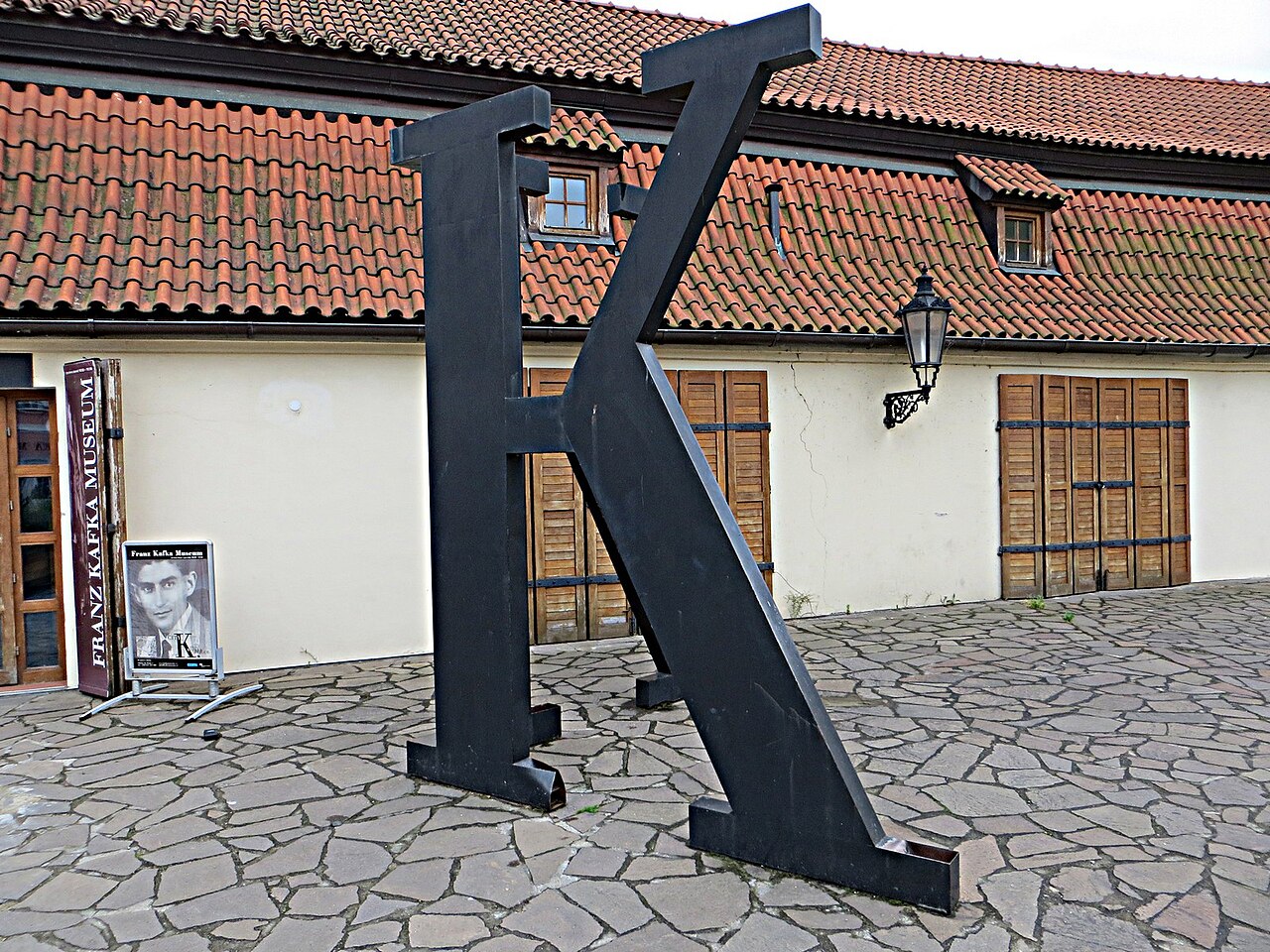
Franz Kafka Museum
- Must see
- Museum
Language · 11 published
Historic monument · Prague
Karlův most
Reviewed by Elena Voss · Roavina Travel Editor
| Monday | 00:00 – 23:59 |
|---|---|
| Tuesday | 00:00 – 23:59 |
| Wednesday | 00:00 – 23:59 |
| Thursday | 00:00 – 23:59 |
| Friday | 00:00 – 23:59 |
| Saturday | 00:00 – 23:59 |
| Sunday | 00:00 – 23:59 |
Checked 2026-08-31 · Source
Read from the OpenStreetMap access tags; anything not listed has no tag recorded.
Set the group type to family in the planner and the day window contracts to about three quarters of a solo day.
This place is a Attraction. It opened in 1402. It was built in the Gothic architecture style. It was designed by Peter Parler. It is built of sandstone. It carries the national cultural monument of the Czech Republic heritage designation.
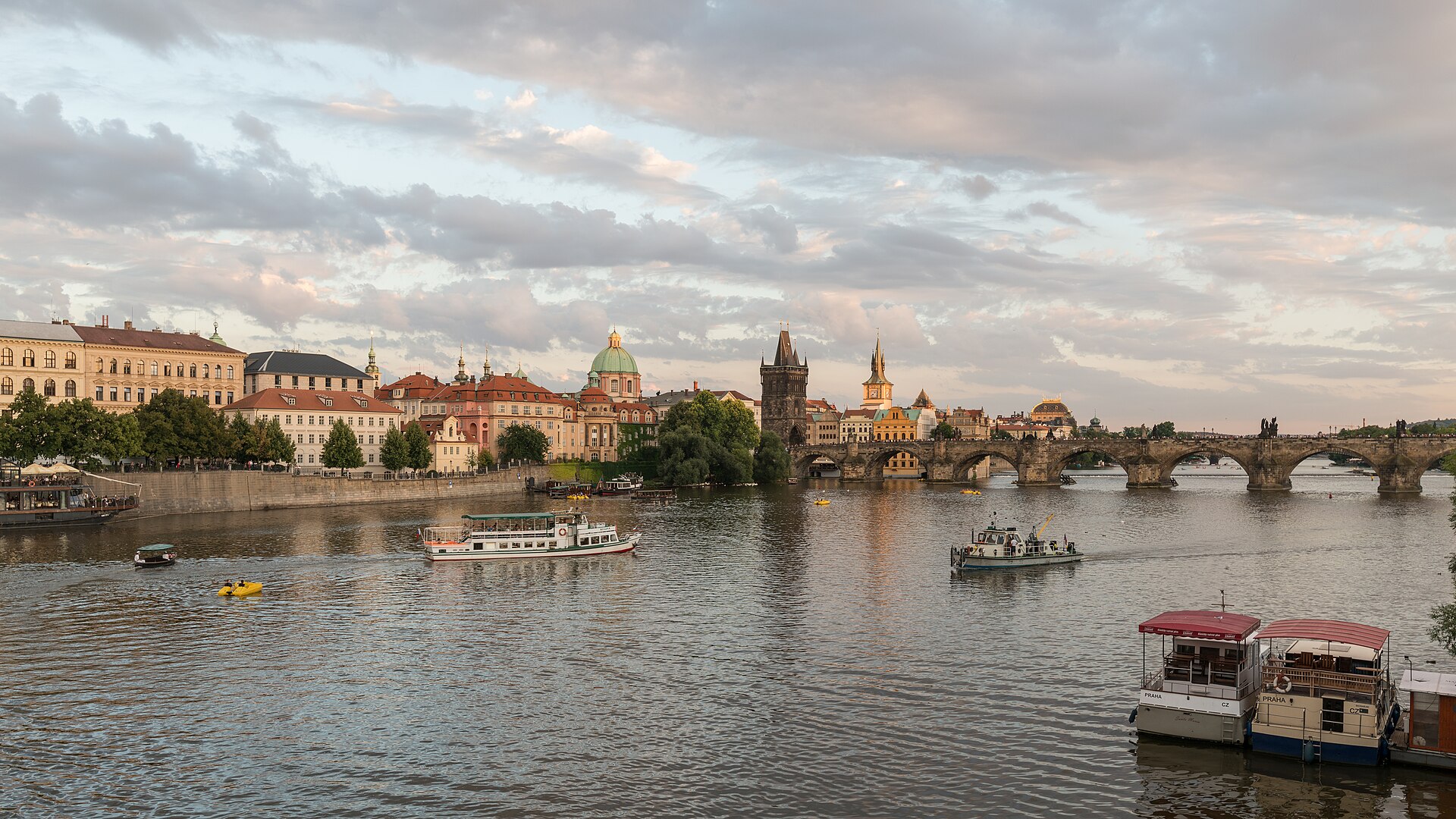
Charles Bridge carries walkers across the Vltava between the Old Town and Malá Strana, and it has done so in the same stone since the beginning of the fifteenth century. Prague City Tourism records that it replaced the Judith Bridge, wrecked by the flood of 1342; work on the new crossing began in 1357 under Charles IV and finished in 1402. Petr Parléř took charge of the construction and died before it was done. Cars last drove across it in 1965. Daily, 24 hours.
Checked 2026-08-31 · Source
Thirty statues and sculptural groups stand on the balustrades. Prague City Tourism dates the carving of them to the years between 1683 and 1928, with most of the group made between 1706 and 1714. The oldest still standing in its original form is the bronze St John of Nepomuk of 1683, set up on the three-hundredth anniversary of his death — an anniversary its donor miscalculated, since Nepomuk was drowned in 1393. City maintenance reported in July 2026 left pedestrian access unrestricted.
Checked 2026-08-31 · Source
Forty minutes is the duration this guide records, and it assumes the crossing is the visit rather than a way of getting somewhere. The deck is 515.76 metres end to end, which is a seven-minute walk at a normal pace; the other half hour goes on stopping. Anyone crossing at eleven in the morning in summer should add ten minutes for sheer congestion. Free to cross; no admission ticket is required for Charles Bridge itself. Free to cross; no admission ticket is required for Charles Bridge itself. The Old Town and Lesser Town bridge towers are separate ticketed attractions.
Checked 2026-08-31 · Source
Prague City Tourism publishes no opening hours for the bridge itself — the seasonal tables on its site belong to the two bridge towers, not to the deck. Shortened hours are published separately around Christmas and New Year. Daily, 24 hours. Use tram 22 to Malostranské náměstí. Use tram 22 to Malostranské náměstí. From the stop, take the signal-controlled crossing with low kerbs toward Mostecká Street, then follow the right-hand walkway toward the bridge; this is the side with a sloped kerb at the bridge approach. Expect coarse paving on Mostecká and cobbles across Charles Bridge.
Checked 2026-08-31 · Source
Prague City Tourism publishes no admission price for Charles Bridge. Its page for the bridge carries no ticket section at all, unlike its pages for the towers, which carry full price lists — so nothing on the operator's site indicates that walking across costs anything, and no figure is recorded here. Free to cross; no admission ticket is required for Charles Bridge itself. The Old Town and Lesser Town bridge towers are separate ticketed attractions. The bridge can be reached without stairs from the Lesser Town side, but the route is difficult for wheelchair users.
Checked 2026-08-31 · Source
No car is needed and none is possible: the bridge is mapped as a pedestrian way with motor vehicles, motorcycles and all other vehicles prohibited, and cyclists are required to dismount. It is approached on foot from both ends. Use tram 22 to Malostranské náměstí. Use tram 22 to Malostranské náměstí. From the stop, take the signal-controlled crossing with low kerbs toward Mostecká Street, then follow the right-hand walkway toward the bridge; this is the side with a sloped kerb at the bridge approach. Expect coarse paving on Mostecká and cobbles across Charles Bridge.
Checked 2026-08-31 · Source
The paving is the first thing. The deck is laid in setts and the stones have been worn, relaid and worn again; they are hard on thin soles, treacherous when wet and worse in frost, and a heel goes into a joint easily. Wear something flat with a sole that grips. The fourth is where tickets come from. The bridge can be reached without stairs from the Lesser Town side, but the route is difficult for wheelchair users. Mostecká Street has coarse paving; only its right-hand walkway has a sloped kerb at the bridge approach.
Checked 2026-08-31 · Source
Everyone photographs the same view and almost nobody gets it, because the picture that works needs the deck empty and the deck is only empty at two hours of the day. First light from the Old Town end gives the towers, the statues and the castle in one line with the sun behind Petřín rather than in the lens; the same frame after ten in the morning is a wall of shoulders. The Old Town exit enters busy, difficult-to-navigate Karlova Street. The right-hand walkway can be narrow and obstructed, and the official accessibility guide recommends assistance.
Checked 2026-08-31 · Source
Construction began in 1357 under Emperor Charles IV and was completed in 1402.
It was known as the Stone Bridge or Prague Bridge; the name Charles Bridge became established in 1870.
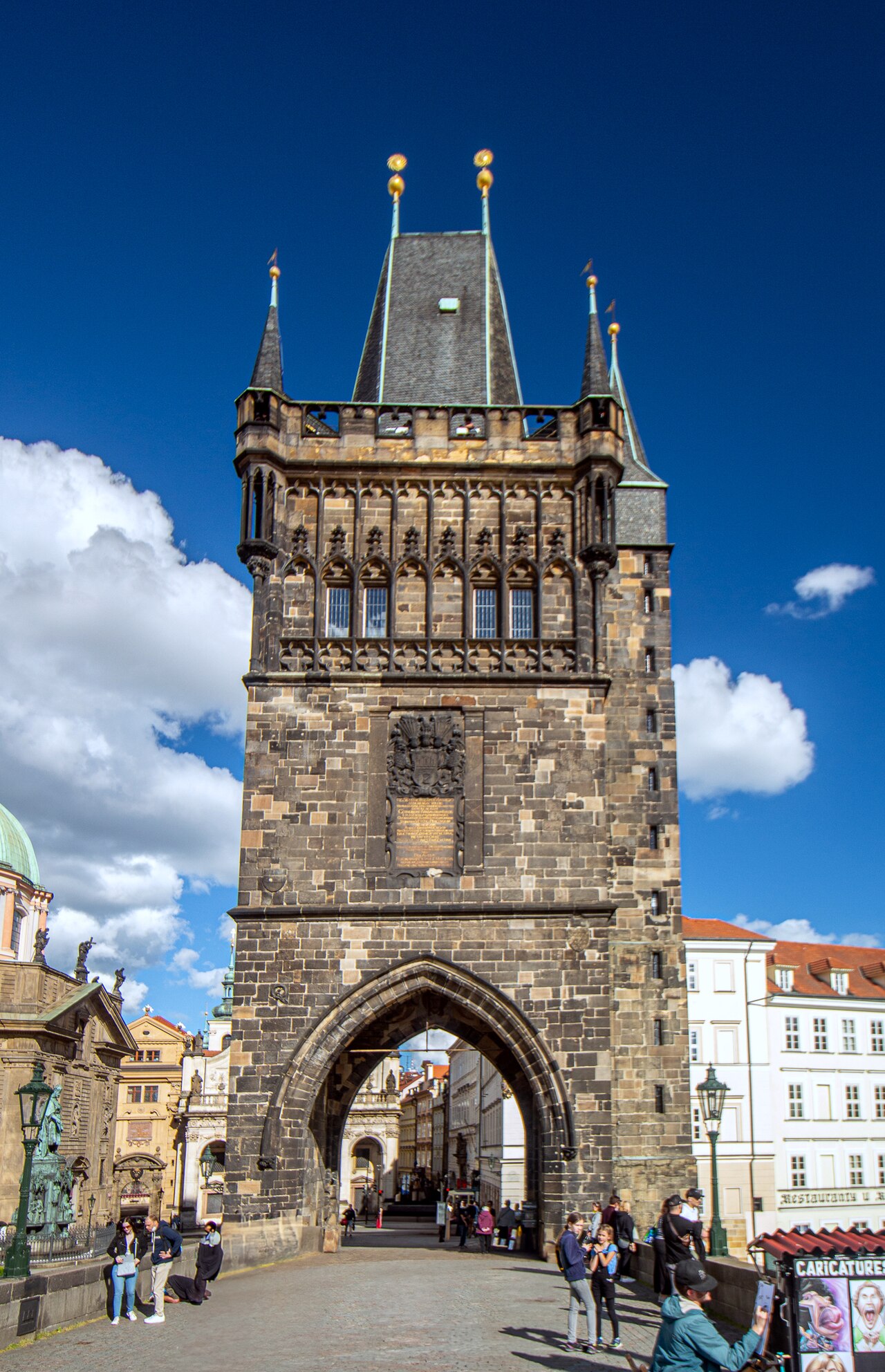
The bridge is built from sandstone blocks and is bounded by fortified bridge towers at both ends.
Thirty statues and sculptural groups of saints were installed between 1683 and 1928.
The Romanesque Judith Bridge, built around 1170, occupied approximately the same crossing until a flood destroyed it in 1342.
Horse trams began crossing in 1883, electric trams followed in 1905, buses replaced them in 1908, and cars stopped crossing in 1965.
Loading the interactive map…
The interactive map could not be loaded.
Last updated:
Source: OpenStreetMap contributors, Wikidata ·