
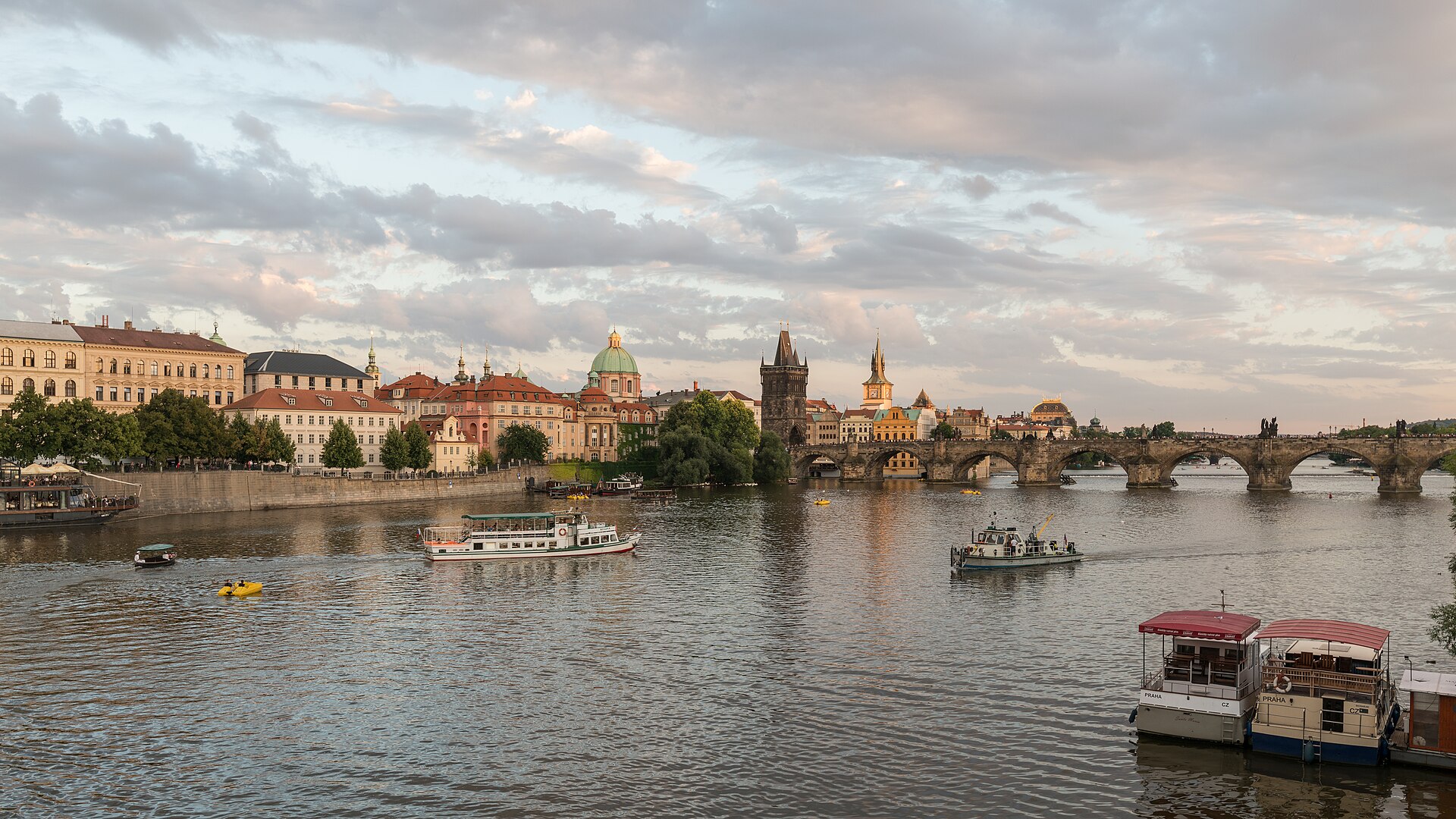
3 min walk
Charles Bridge
- Must see
- Historic monument
Language · 11 published
Museum · Prague
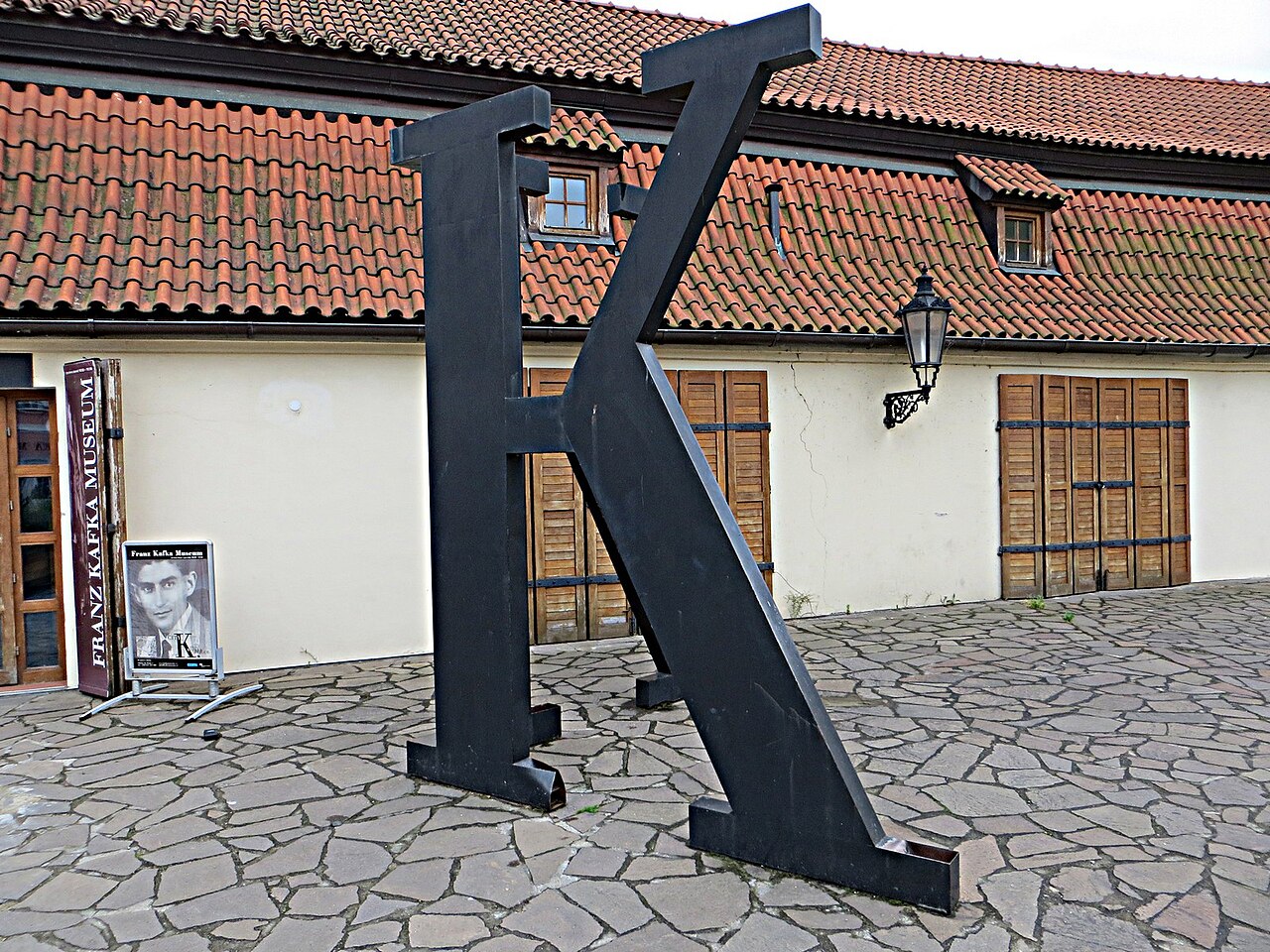
Kafka Museum
Reviewed by Elena Voss · Roavina Travel Editor
| Monday | 10:00 – 18:00 |
|---|---|
| Tuesday | 10:00 – 18:00 |
| Wednesday | 10:00 – 18:00 |
| Thursday | 10:00 – 18:00 |
| Friday | 10:00 – 18:00 |
| Saturday | 10:00 – 18:00 |
| Sunday | 10:00 – 18:00 |
Parsed from OpenStreetMap opening hours on 2026-09-09.
This place is a Museum. It was established in 2005.
The Franz Kafka Museum explores the life and writing of Franz Kafka, the Prague-born author whose work is closely tied to the city. Located in Malá Strana near the Vltava, it offers a literary stop within one of Prague’s most historic districts. Kafka’s family life, employment and creative career are presented alongside the city that shaped his imagination. Visit for an atmosphere that connects biography, literature and Prague’s multilingual, bureaucratic and often unsettling urban character. The Franz Kafka Museum is a cultural institution in Prague dedicated to the life and work of Franz Kafka, one of the most influential writers of the 20th century. Located in the Malá Strana district near the Vltava River, the museum occupies a distinctive space that reflects the city's deep literary heritage. Kafka was born in Prague and spent most of his life there, making the city central to his identity and creative output. The museum serves as a pilgrimage site for literary enthusiasts and scholars seeking to understand the writer's complex relationship with his hometown. The museum addresses complex psychological and existential themes from Kafka's work. Some installations contain provocative elements. Parental discretion is advised for younger visitors.
Checked 2026-08-26 · Source
The museum presents documents, photographs, correspondence, first editions, manuscripts, diaries and drawings connected with Kafka’s personal and professional world. Displays follow his family background, work as an insurance clerk and difficult literary career. Reconstructions and artistic installations create a claustrophobic, dreamlike mood that echoes themes in his fiction. The collection also shows how Prague influenced Kafka’s subjects, including alienation, guilt, bureaucracy and existential anxiety, making the visit as much about place as about literary biography.
Checked 2026-08-26 · Source
Plan on about one to two hours, depending on how closely you read the documentary material and how much time you spend with the installations. A quicker visit can take around ninety minutes, while readers and Kafka enthusiasts may stay longer with the correspondence, images and manuscripts. The museum is compact enough to combine with a walk through Malá Strana, across Charles Bridge or beside the Vltava. Indoor galleries make the visit manageable in poor weather.
Checked 2026-08-26 · Source
Morning is a good choice when you want more room for quiet reading and reflection. Summer and the Christmas period bring heavier tourist traffic to Prague’s centre, which can make the compact galleries feel busier. Because the visit takes place indoors, weather has little effect on the exhibition itself, although the riverside setting is especially atmospheric in mist or overcast light. Combine the museum with nearby Malá Strana sights for an efficient cultural walk.
Checked 2026-08-26 · Source
Set aside this museum as a dedicated cultural stop within a day in Malá Strana. The visit focuses on Kafka’s documents, photographs, correspondence and literary world, so its value comes from time spent reading and looking rather than from a quick landmark photograph. If you are visiting several paid attractions in central Prague, place the museum beside a nearby walking route to avoid unnecessary crossings of the city. The compact setting makes it easy to schedule between larger sights.
Checked 2026-08-26 · Source
The museum is in Malá Strana, within walking distance of Charles Bridge and Prague Castle. Nearby tram stops include Malostranské náměstí and Hellichova, while Malostranská metro station on Line A requires a walk. Its riverside position works well with a route along the Vltava or through the district’s narrow historic lanes. Keep extra orientation time in the plan: the medieval street pattern can make short distances feel less direct than they appear on a map.
Checked 2026-08-26 · Source
The museum includes psychologically intense themes and a provocative courtyard installation featuring urinating figures, which may not suit every child or visitor. Some areas have uneven floors and stairs. Popular photographic points can become congested, especially during busy periods. Documentary material may include Czech and German, so the reading experience can vary by language. Parents should consider the subject matter before visiting with younger children, while visitors with mobility limitations should be prepared for the historic building’s internal changes in level.
Checked 2026-08-26 · Source
The courtyard sculpture and the museum exterior beside the Vltava provide distinctive photographs associated with Kafka’s Prague. Inside, the installations, documents and dark architectural details create a more atmospheric subject than a conventional art gallery. Move carefully through compact spaces and avoid interrupting other visitors’ reading. The riverside setting is particularly expressive in subdued weather, while the interior’s low light suits mood-focused images. The museum’s Kafka material also rewards looking closely at details rather than photographing every display quickly.
Checked 2026-08-26 · Source
The museum deals with mortality, guilt, psychological distress and existential themes, and its courtyard includes a provocative kinetic sculpture. It may suit older children more than young visitors.
Displays include documents, photographs, correspondence, first editions, manuscripts, diaries and drawings connected with Kafka’s life and writing.
It is in Prague’s Malá Strana district, near the Vltava River and within walking distance of Charles Bridge and Prague Castle.
Most visitors should allow one to two hours; a focused visit can take about ninety minutes, while close readers may stay longer.
Trams serve nearby Malostranské náměstí and Hellichova, and Malostranská metro station on Line A is within walking distance.
The courtyard sculpture, the riverside exterior, Kafka-related installations and the atmospheric architecture of the museum provide distinctive photographic subjects.
Loading the interactive map…
The interactive map could not be loaded.
Last updated:
Source: OpenStreetMap contributors, Wikidata ·