It was established in 1755.
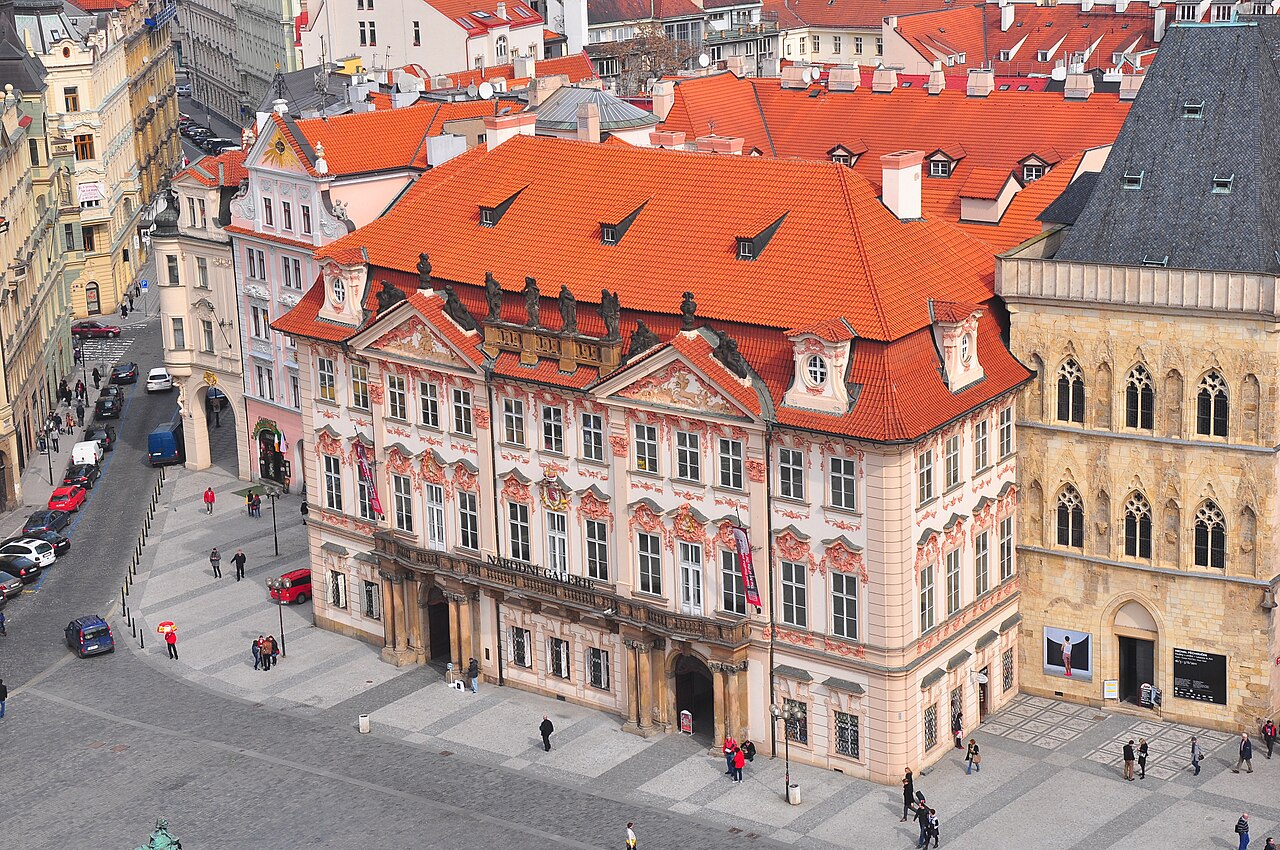
It was built in the Rococo style.
It was designed by Kilián Ignaz Dientzenhofer.
It carries the national cultural monument of the Czech Republic heritage designation.
Palác Kinských is the pale historic palace on the eastern side of Prague’s Old Town Square. Its Czech name connects the building with the Kinsky noble family, while its position places it directly within Prague’s medieval civic centre. The palace is most distinctive as part of the square’s architectural composition: an aristocratic facade facing one of the city’s busiest public spaces. That setting separates palác Kinských from secluded palace compounds elsewhere in Prague. Begin outside, reading the building together with the square, surrounding streets and the constant movement of pedestrians.
The supplied research does not record a current exhibition list or a confirmed sequence of rooms open to visitors. Palác Kinských is associated with aristocratic residential architecture, so its visible character lies in the relationship between facade, ceremonial scale and the square outside rather than in a guaranteed museum route. If interior access is available, look for the decorative character of the building and the way formal spaces express status and representation. The palace has accommodated changing institutional and cultural functions, so interior access may depend on the programme operating on the day. Treat the exterior as the reliable part of the experience and any interior display as dependent on current use.
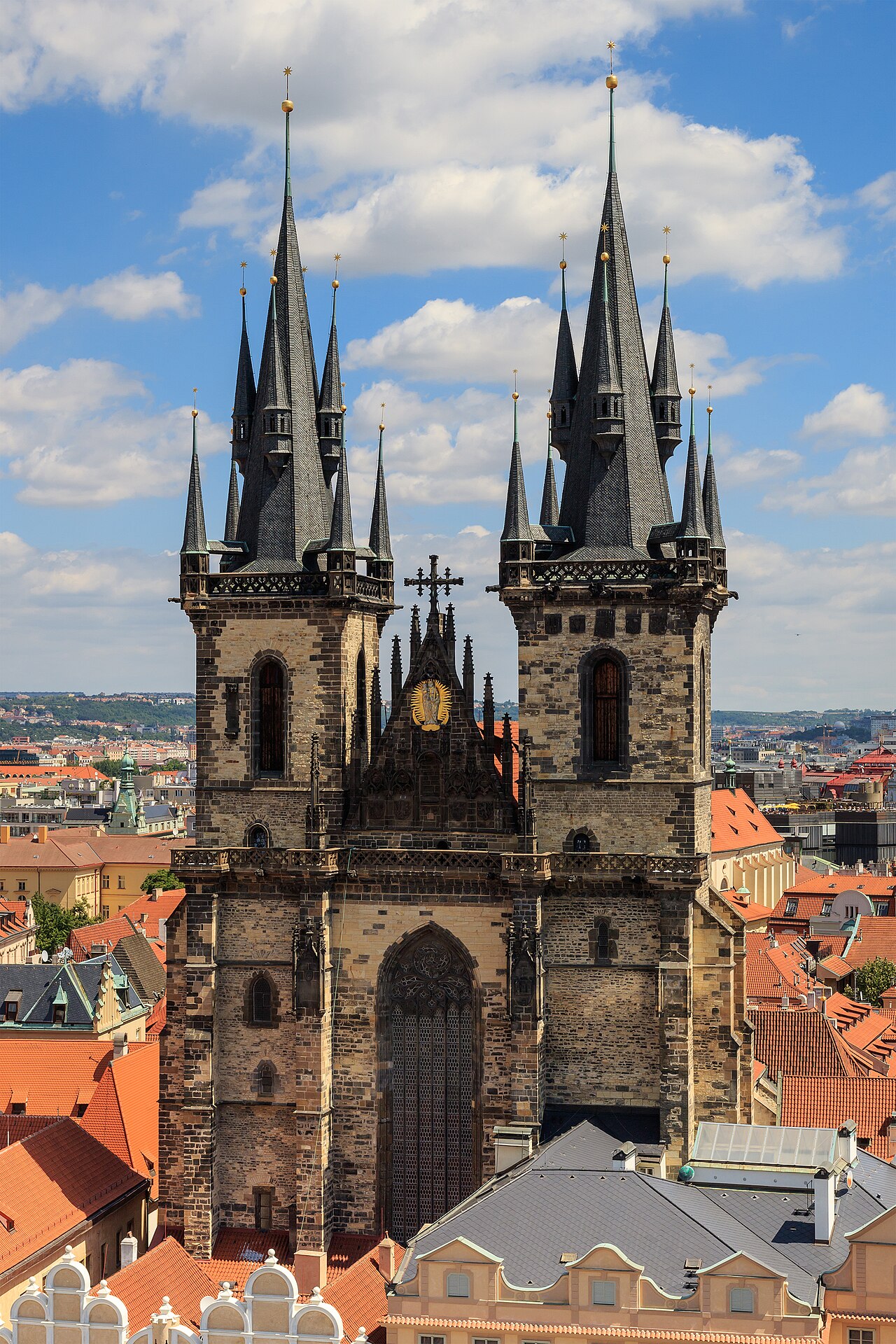
Allow about 20 to 30 minutes for a focused exterior visit to palác Kinských, including time to cross Old Town Square, compare the facade with neighbouring buildings and take photographs. Add time only if confirmed interior access or a specific exhibition gives the palace a defined route. The location works well as a short stop between the square’s astronomical clock, the Church of Our Lady before Týn and the lanes leading towards the river. Build palác Kinských into a wider Old Town walk, then extend the stop only when a definite public programme is available.
Morning is the most comfortable time to study palác Kinských from Old Town Square, before the central streets become more heavily occupied by tour groups and passing visitors. Earlier light can separate the palace facade from the visual busyness of the square, although the best angle changes with weather and season. Midday remains practical when the palace is one stop in a broader historic-centre route. Rain makes the square’s paving less comfortable, while winter daylight provides a shorter window for detailed facade photography. Exterior viewing is tied to the public square, not to a recorded interior timetable.
No operator-sourced admission price or confirmed interior ticket arrangement is recorded for palác Kinských in the supplied research. The facade can be viewed from Old Town Square as part of the public cityscape, without treating that exterior view as paid museum entry. Interior admission, exhibition access, concessions, combined tickets and guided visits should not be budgeted from this page. A historic palace may be visible from the square while its rooms operate under a separate cultural programme. Plan around the exterior experience and regard any interior visit as dependent on the public access arrangement in force when you arrive.
Palác Kinských stands on Old Town Square, so the final approach is on foot through Prague’s historic centre. From a central metro or tram connection, expect a walk through streets where vehicle access is restricted and the medieval layout can make a short map distance feel indirect. Driving to the immediate frontage is impractical because of pedestrian areas and central access restrictions. Once you reach Old Town Square, the palace is easy to identify along the square’s built edge. Walking is the simplest arrival method, and the open square provides a clear orientation point before continuing towards other Old Town landmarks.
Old Town Square is a busy tourist setting, so keep bags and phones secure, especially when stopping for photographs. The surrounding historic paving can be uneven and slippery in wet weather. Visitors with limited mobility should treat interior access as unresolved because the supplied research records no detailed route, lift or toilet information. Follow building notices and staff instructions if an interior programme is operating. Allow extra space around tour groups and street activity: the square is an active public place, not a controlled museum forecourt.
Old Town Square gives palác Kinských its strongest photographic setting: frame the palace as part of the square rather than isolating it from Prague’s historic streetscape. Step back across the open space for a full facade view, then move closer for architectural details and changing perspectives along the building line. Morning or late-afternoon light can reveal more relief than flat overhead sun, while cloudy conditions soften contrast on the facade. People, street activity and neighbouring monuments will enter many compositions because this is a public urban square. For a quieter frame, wait between passing groups and use the square’s broad geometry to keep the facade legible.
Palác Kinských stands on Old Town Square in Prague’s historic centre, along the square’s prominent eastern built edge.
Can I see palác Kinských without entering?
Yes. The palace facade can be viewed from Old Town Square as part of the public historic cityscape.
How long should I allow for palác Kinských?
Allow about 20 to 30 minutes for an exterior visit, adding time only if confirmed interior access or a specific exhibition is available.
How do I reach palác Kinských?
Walk from a central metro or tram connection through Prague’s historic centre. Driving directly to the palace is impractical because of pedestrian areas and access restrictions.
Is an entrance price recorded for palác Kinských?
No operator-sourced admission price is recorded in the supplied research. The exterior view from Old Town Square is the dependable visit experience described here.
Can I photograph palác Kinských?
Exterior photography from Old Town Square is practical. Interior photography permissions have not been established in the supplied research, so follow posted restrictions or staff instructions.
Nothing non-essential is set before you choose, in regions where consent is required. If you decline, ads still appear and analytics is switched off entirely.