
2 min walk
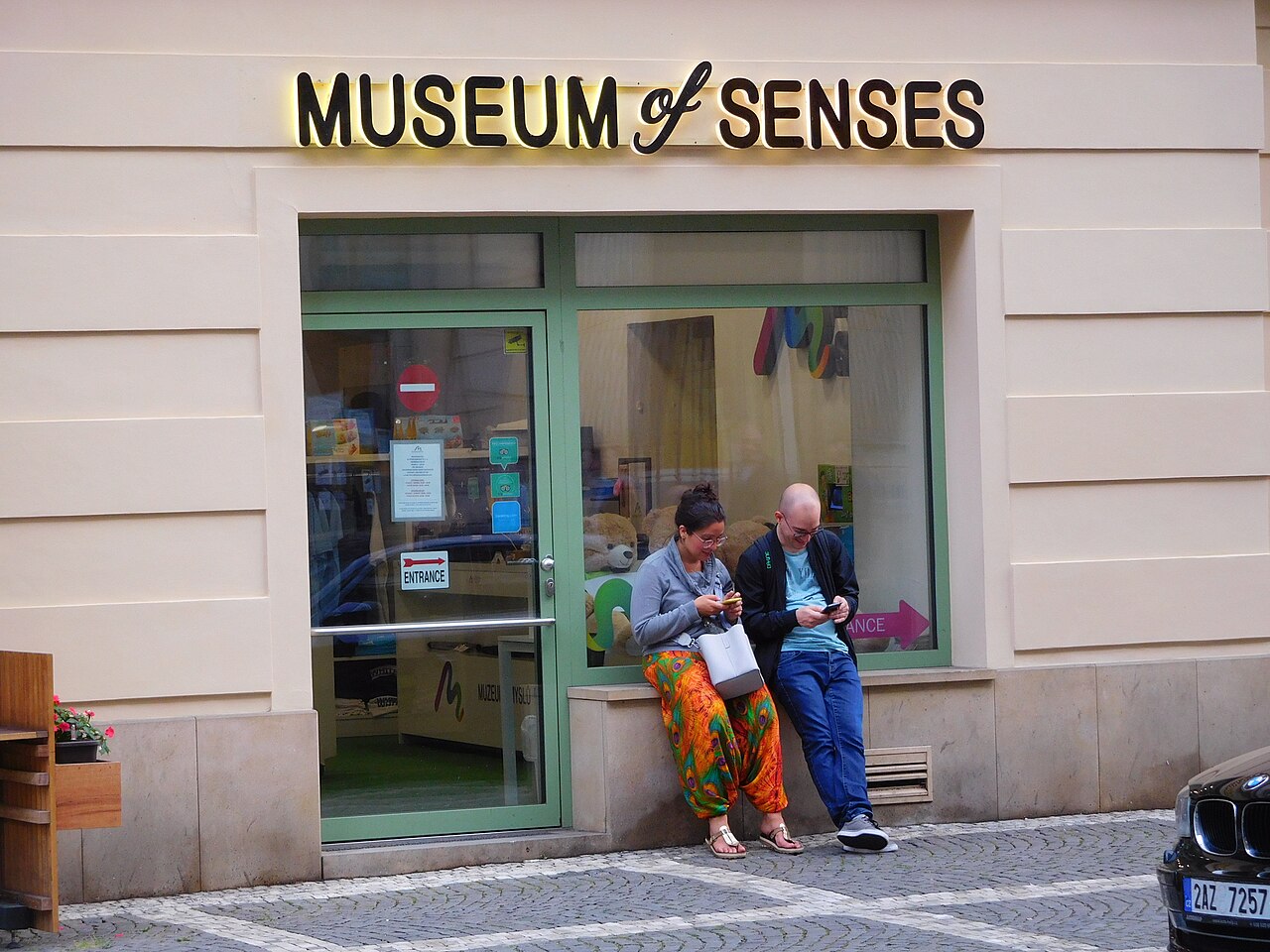
Museum of Senses
- High
- Museum
Language · 11 published
Museum · Prague
Mucha museum
Reviewed by Elena Voss · Roavina Travel Editor
| Monday | 10:00 – 18:00 |
|---|---|
| Tuesday | 10:00 – 18:00 |
| Wednesday | 10:00 – 18:00 |
| Thursday | 10:00 – 18:00 |
| Friday | 10:00 – 18:00 |
| Saturday | 10:00 – 18:00 |
| Sunday | 10:00 – 18:00 |
Parsed from OpenStreetMap opening hours on 2026-09-09.
This place is a Museum. It was established in 1997.
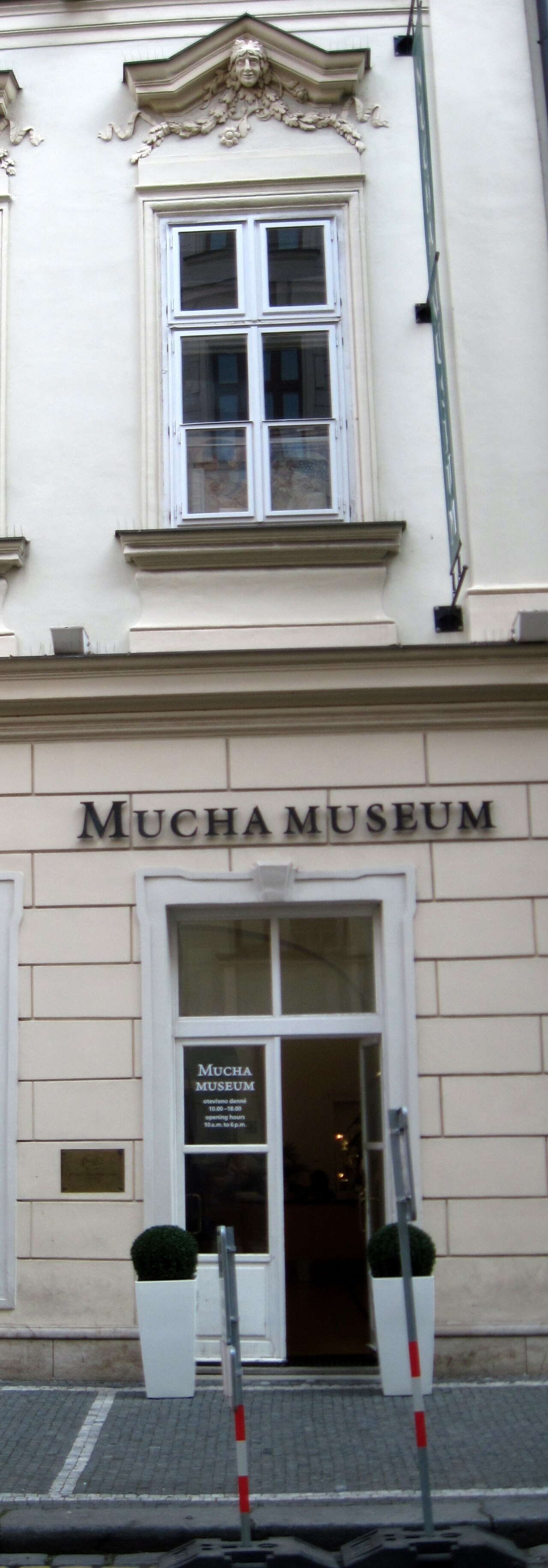
The Mucha Museum is devoted to Alphonse Mucha, the Czech painter and decorative artist associated with Prague’s Art Nouveau style. In the city centre, it introduces the artist through his theatrical posters, decorative designs and personal world. Mucha became internationally known for posters featuring Sarah Bernhardt and for compositions built from flowing lines, floral forms and idealised figures. The museum is a useful stop for visitors who want to connect Prague’s visual identity with European fin-de-siècle design. The Mucha Museum is a Prague institution dedicated to the life and work of Alphonse Mucha, the Czech Art Nouveau painter and decorative artist. Located in the city centre, it occupies a historic building and presents the largest collection of Mucha's works in the world. The museum opened to commemorate the artist's contribution to European visual culture. Mucha gained international fame for his posters of Sarah Bernhardt and his distinctive style featuring flowing lines, floral motifs, and ethereal female figures. The museum presents fine art in a traditional gallery setting without dedicated interactive elements for younger visitors. Children with emerging interest in visual arts or Art Nouveau aesthetics may find engagement; others may prefer more participatory Prague attractions. Parental discretion advised based on individual temperament and prior museum experience.
Checked 2026-08-26 · Source
The collection includes paintings, posters, decorative panels, drawings, personal effects, jewellery, sculpture and photographs from Mucha’s career in Paris and America. Visitors can see theatre posters, commercial advertising and studies related to the monumental Slav Epic cycle. Period furniture and studio-style displays evoke the world in which Mucha worked. The museum shows how his artistic language moved across illustration, design and decorative art, while also presenting his later interest in Czech cultural identity. The museum displays paintings, posters, decorative panels, drawings, and personal effects belonging to Alphonse Mucha.
Checked 2026-08-26 · Source
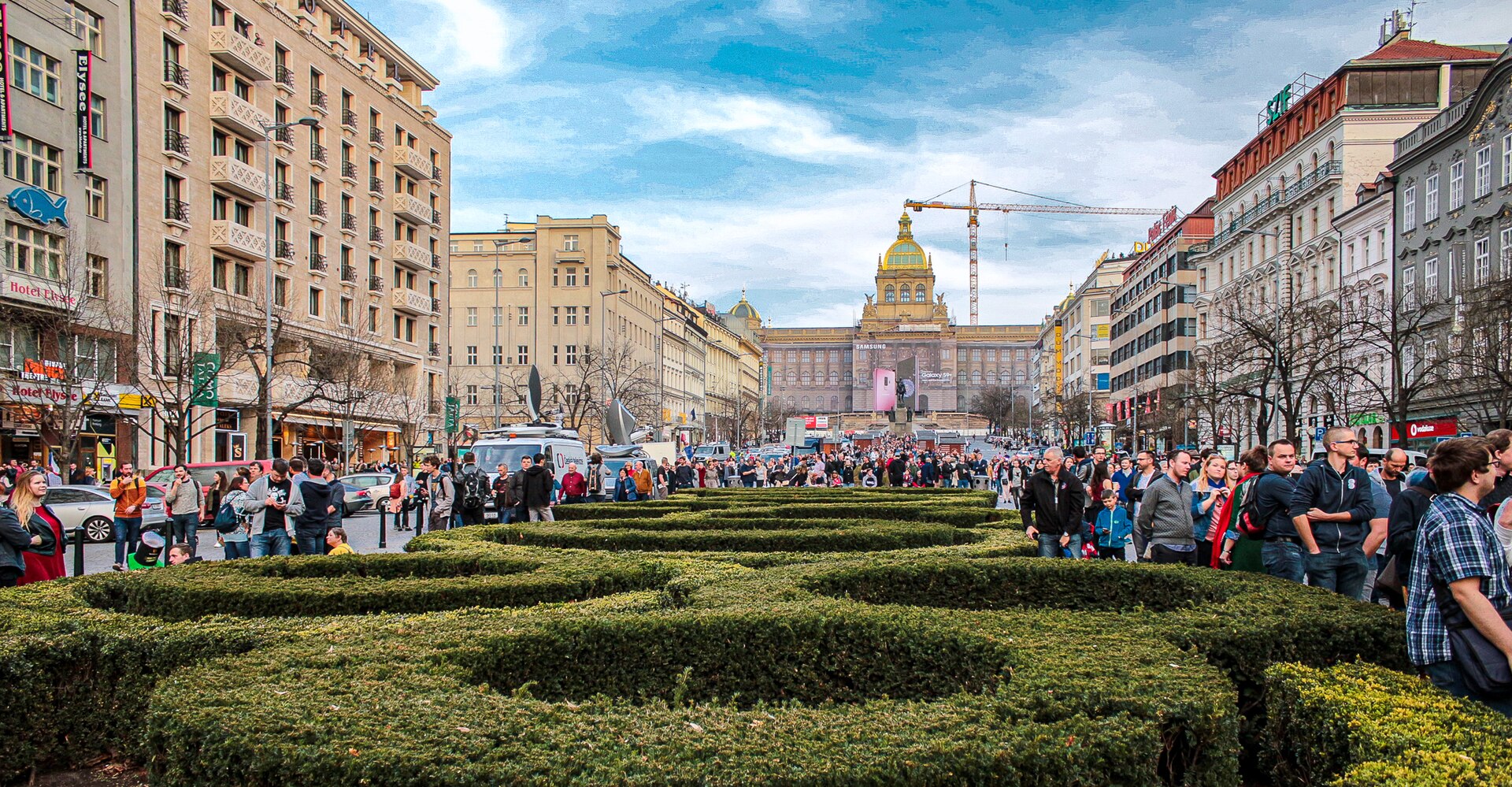
Allow roughly sixty to ninety minutes for a focused visit through the galleries. The museum’s compact scale makes it possible to see a representative range of Mucha’s work without a demanding amount of walking. Visitors interested in poster design, Art Nouveau, decorative arts or Czech nationalism may want more time to study individual works and related studies. Its central location makes the museum easy to place between Old Town, Wenceslas Square and other city-centre stops.
Checked 2026-08-26 · Source
A morning visit can give you more space in the compact galleries before larger groups arrive. Summer and the December holiday period are busy times in Prague, while a visit in a shoulder season may feel calmer. Weather does not shape the gallery experience, making the museum a practical indoor stop on a rainy day. Leave room in the itinerary for your own viewing pace, especially if you want to compare Mucha’s posters, drawings and decorative motifs closely.
Checked 2026-08-26 · Source
Plan the Mucha Museum as a self-contained art visit rather than as a quick pass through a single display. The galleries reward visitors who want to compare theatre posters, commercial designs, drawings and studies for the Slav Epic. Its central position also makes it simple to connect the museum with a wider city-centre walking route. The compact layout helps when you are fitting art between major Prague landmarks, but the works deserve enough time for close looking.
Checked 2026-08-26 · Source
The museum is centrally located and can be reached on foot from Old Town Square or Wenceslas Square through Prague’s established city-centre streets. Metro stations and tram stops serve the surrounding district. Taxi and rideshare vehicles operate nearby, although historic street restrictions can affect the final approach. The central setting is convenient for combining the museum with other sights, while walking remains the clearest way to understand how the museum fits into Prague’s dense historic core.
Checked 2026-08-26 · Source
The galleries are compact and can feel crowded during busy periods, affecting both movement and views of the artwork. Preservation conditions may make the rooms cooler than the street outside. Original works on paper are sensitive objects, so follow the gallery rules around photography and flash. The exit route passes through the museum shop. Visitors who need step-free movement should be prepared for a historic city-centre building whose internal access may not be uniform across all areas.
Checked 2026-08-26 · Source
Mucha’s posters and decorative works are full of strong outlines, floral patterns and carefully arranged figures, making them rewarding subjects for close observation. In a busy gallery, keep your camera close and avoid blocking another visitor’s view. The compact rooms make large equipment awkward. Focus on composition and detail rather than photographing every work rapidly; the museum’s strength is the relationship between posters, drawings, decorative panels and the broader Art Nouveau language.
Checked 2026-08-26 · Source
It presents Alphonse Mucha’s paintings, posters, drawings, decorative panels, personal effects and related studies, including material connected with the Slav Epic.
No. The museum presents studies, sketches and related material, while the complete cycle is not housed there.
Most visitors should allow about sixty to ninety minutes, with extra time for close study of the posters, drawings and Art Nouveau details.
It is in central Prague, within walking distance of Old Town Square and Wenceslas Square.
The museum focuses on Mucha’s Art Nouveau language, including flowing lines, floral motifs, theatrical posters, decorative designs and idealised figures.
Yes. The visit takes place in indoor galleries, and the central location makes it easy to combine with other Prague city-centre sights.
Loading the interactive map…
The interactive map could not be loaded.
Last updated:
Source: OpenStreetMap contributors, Wikidata ·