
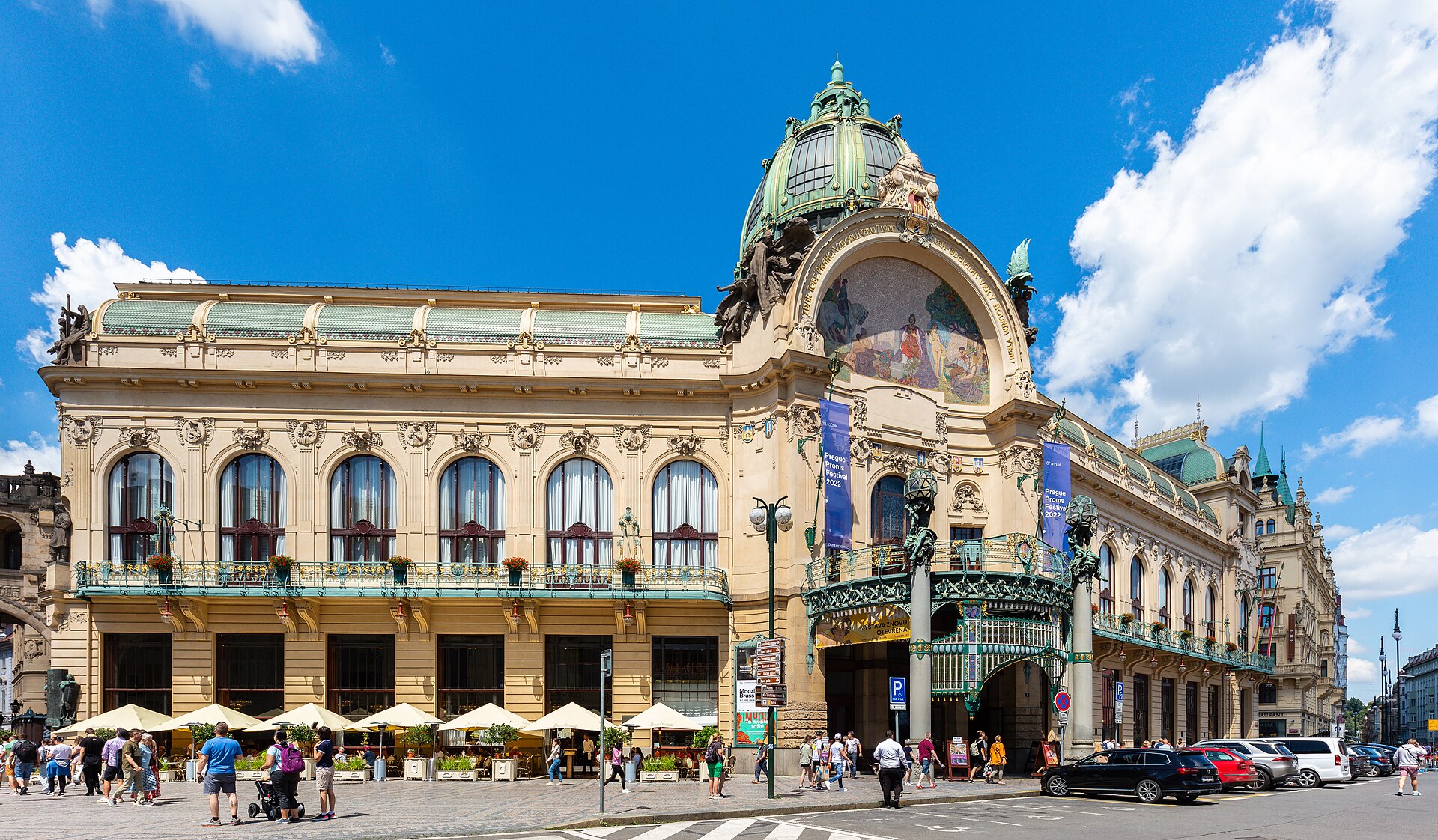
3 min walk
Obecní dům
- Must see
- Art and culture venue
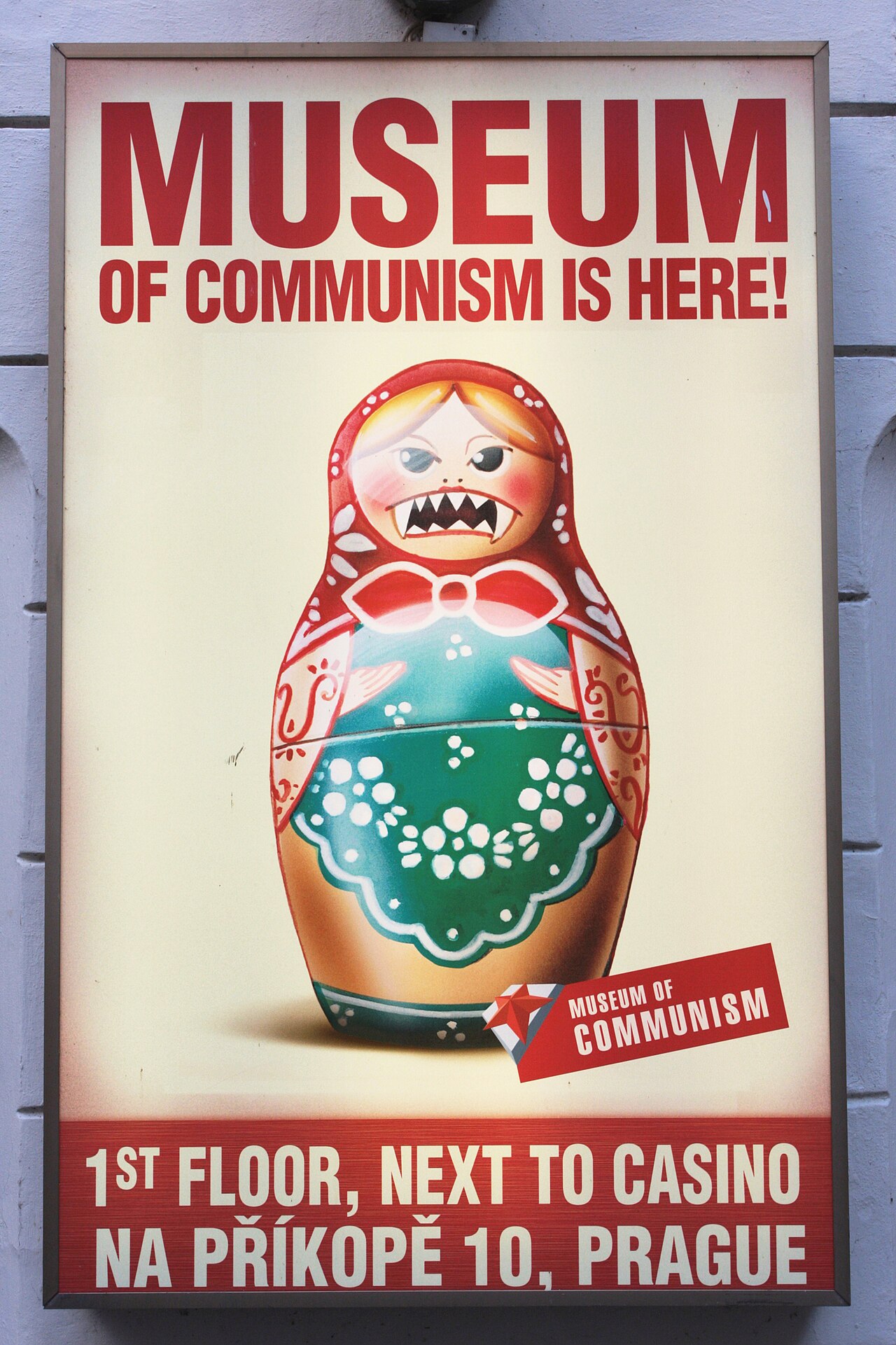
Museum · Prague
Muzeum komunismu
Museum of Communism presents Czechoslovak life under communist rule from 1948 to 1989. The Prague museum places political history alongside the routines of ordinary life, helping visitors understand how ideology shaped work, education, shopping, media and personal choices. Its setting near Na Příkopě makes it an easy historical stop in the centre. The museum is especially useful for travellers who want context for the Velvet Revolution and for the political changes that transformed Czechoslovakia at the end of the 1980s. Give the visit time for both the objects and the explanations, because the subject is easier to understand when public events are connected with everyday experience.
Checked 2026-08-26 · Source
The displays combine historical artefacts, propaganda posters, photographs, documentary footage and personal accounts. Reconstructed spaces include an interrogation room, a school classroom and a socialist-era shop, giving the exhibition a physical sense of institutions and consumer life. Other displays address the secret police, political trials, censorship and party membership. Consumer goods and official documents show how the system was experienced beyond its leadership and slogans. The museum also presents the pressure of political repression and the gradual movement towards the Velvet Revolution. Read the personal testimony sections carefully: they add human scale to the institutional history and make the objects more than period decoration.
Checked 2026-08-26 · Source
Allow about one to two hours for Museum of Communism. A shorter visit can cover the main reconstructed rooms and principal historical themes, while a slower visit leaves time for documentary footage, personal accounts and the smaller objects displayed throughout the galleries. Travellers with little background in Czech history will benefit from reading the chronology rather than moving quickly from one room to the next. The museum is compact enough to fit into a central Prague walking day, but the subject rewards concentration. If political history is a main interest, leave extra space after the visit to reflect on the transition from communist rule to the Velvet Revolution.
Checked 2026-08-26 · Source
Museum of Communism is an indoor attraction, so it works in any season and is a practical choice during rain or cold weather in Prague. Morning is a useful time for visitors who want a quieter reading experience, while the central location also suits an afternoon between Old Town and Wenceslas Square. Summer and the December holiday period bring more visitors to central Prague, which can make the compact galleries feel busier. The museum deals with political imprisonment, censorship and violence, so choose a time when you can give the material proper attention rather than treating it as a hurried stop between unrelated sights.
Checked 2026-08-26 · Source
The museum is a paid cultural attraction in central Prague, but this guide does not state a current price. Plan the visit as a separate museum stop rather than relying on a city-wide assumption about free entry or combined admission. The collection’s value comes from the exhibition itself: reconstructed rooms, propaganda, documents, footage and personal testimony are presented together as one account of Czechoslovak communism. Allow enough time for the displays after entering, because the ticket is most worthwhile when the visit includes both the visual environments and the written historical explanation.
Checked 2026-08-26 · Source
Museum of Communism is near Na Příkopě in Prague’s central historic area. Můstek, served by Metro lines A and B, is a practical public-transport landmark for reaching the museum. The museum can also be reached on foot from Old Town Square or Wenceslas Square, making it easy to combine with a day in the Old Town and New Town. Central Prague streets around the museum carry heavy pedestrian traffic, so walking may take longer than the map distance suggests. Use the museum’s name and the Na Příkopě area when navigating rather than searching only for a general Old Town destination.
Checked 2026-08-26 · Source
The museum addresses political repression, imprisonment, interrogation and violence, and some visitors may find the material disturbing. The exhibition includes reconstructed interiors and documentary material rather than a light overview of Prague’s past. Read the displays at your own pace and give younger visitors context before entering the most serious sections. The compact layout may feel crowded during busy periods, particularly where visitors stop to read or watch footage. A visit works best when treated as a history museum, not as a quick photo stop. Respect the atmosphere and other visitors while moving through the galleries.
Checked 2026-08-26 · Source
The exhibition includes documents, photographs, reconstructed rooms and historical objects, so photography should remain secondary to reading and viewing. Do not use flash where it could disturb other visitors or affect sensitive material, and follow signs inside each gallery. Reconstructed interrogation and school spaces are part of the museum’s interpretation of communist Czechoslovakia; photographing them is most useful when it helps you remember the historical argument rather than replacing it. Keep walkways clear in the compact rooms, especially when other visitors are studying posters, footage or personal testimony.
Checked 2026-08-26 · Source
The museum covers Czechoslovak life under communist rule from 1948 to 1989, including the political changes that led to the Velvet Revolution.
The displays include propaganda, photographs, documentary footage, personal accounts, political documents and reconstructed interrogation, classroom and socialist-era shop interiors.
Allow about one to two hours, with extra time if you want to read the historical explanations, watch footage and study personal testimonies closely.
The museum deals with repression, imprisonment and political violence. Older children and teenagers may find it valuable with suitable explanation, while sensitive younger visitors may find parts difficult.
It is near Na Příkopě in central Prague, within walking distance of Old Town Square and Wenceslas Square and close to Můstek Metro station.
The museum’s period ends in 1989, the year of the Velvet Revolution and the collapse of communist rule in Czechoslovakia.
Loading the interactive map…
The interactive map could not be loaded.
Last updated:
Source: OpenStreetMap contributors, Wikidata ·