
2 min walk
National Technical Museum
- Must see · Heritage site
- Museum
Museum · Prague
Národní zemědělské muzeum
Closed today, Monday. Next open Tuesday at 09:00 — the planner will not place a stop here on a Monday.
Plan around it| Monday | Closed |
|---|---|
| Tuesday | 09:00 – 17:00 |
| Wednesday | 09:00 – 17:00 |
| Thursday | 09:00 – 17:00 |
| Friday | 09:00 – 17:00 |
| Saturday | 09:00 – 17:00 |
| Sunday | 09:00 – 17:00 |
Parsed from OpenStreetMap opening hours on 2026-09-09.
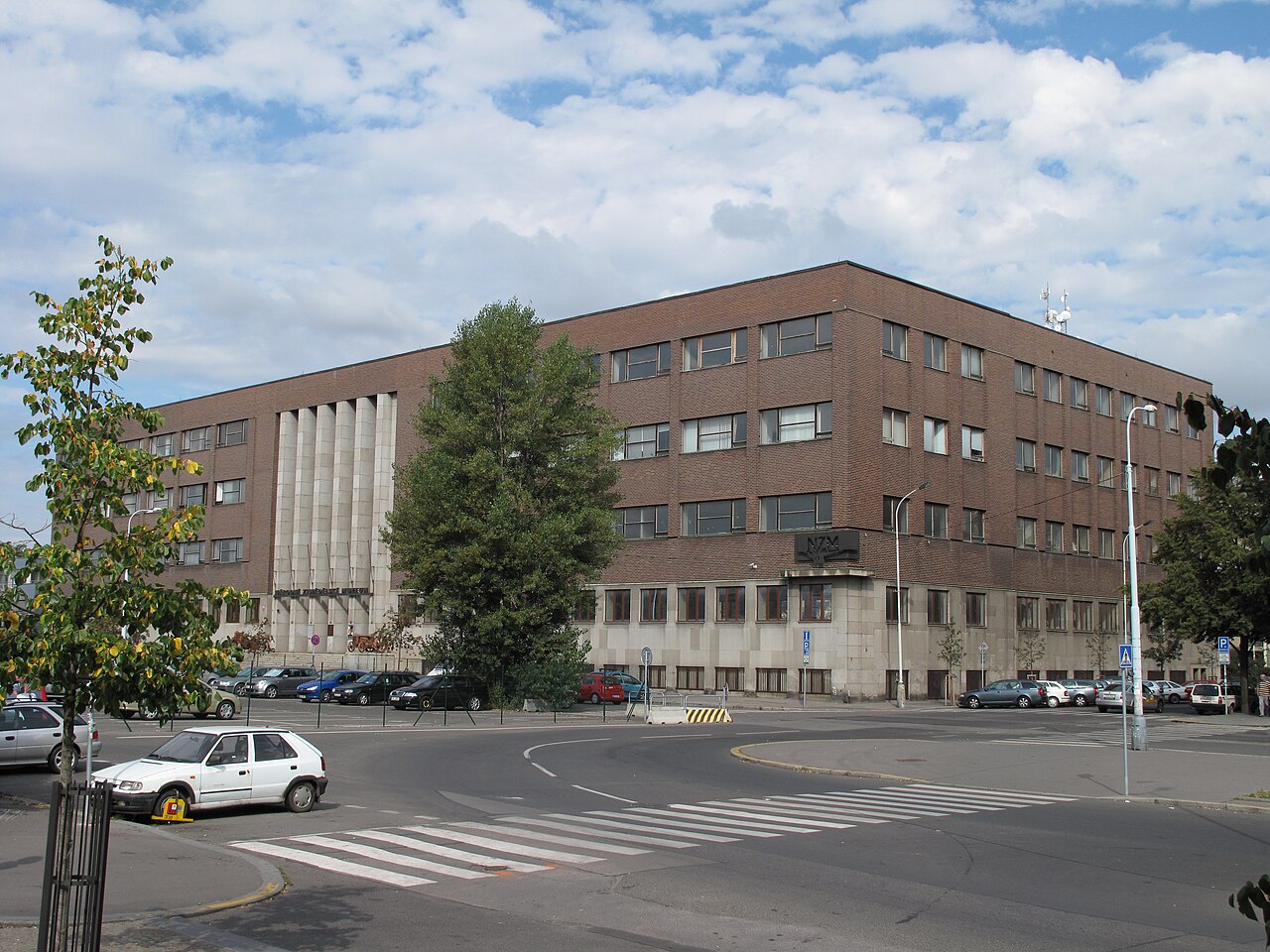
The National Museum of Agriculture in Prague explores farming, forestry, fishing, food production, and rural life in the Czech lands. It presents agriculture as both practical work and a force that shaped landscapes, communities, technology, and the national economy. The museum suits travelers who want a subject beyond Prague’s royal, religious, and fine-art landmarks. Its collections connect everyday food and land management with the tools, machinery, and knowledge that transformed rural life over time. The National Museum of Agriculture in Prague is a specialized cultural institution dedicated to the history and development of farming, forestry, food production, and rural life in the Czech lands. Established to preserve and present agricultural heritage, it occupies a significant position among Prague's museum landscape. The museum documents centuries of agrarian tradition through collected artifacts and exhibitions. Its location in Prague makes it accessible to visitors exploring beyond the city's most famous landmarks. The institution serves both educational purposes and public engagement with Czech rural history. The museum's agricultural machinery and rural life exhibits may engage children with visual and tangible elements, though sustained interest varies by age and individual preference.
Checked 2026-08-26 · Source
Exhibits cover agricultural tools and machinery from different periods, together with displays on crop cultivation, animal husbandry, viticulture, forestry, fishing, and food processing. Historical documents, photographs, and models add social context to the physical objects. The museum’s central theme is change: visitors can follow the movement from manual rural labor toward mechanized farming and organized agricultural science. It is particularly rewarding for travelers curious about how food, landscapes, technology, and village life connect. The museum's collections encompass agricultural machinery, tools, and equipment spanning multiple eras of farming technology.
Checked 2026-08-26 · Source
Allow one to two hours for the main exhibitions. A faster visit of around an hour gives a broad introduction, while travelers interested in machinery, forestry, food production, or Czech rural history may want longer for labels and detailed displays. Families can move at a quicker pace or pause at the most visually striking objects. The museum works well as a dedicated cultural outing, but its manageable scale also makes it possible to combine with other Prague sights.
Checked 2026-08-26 · Source
Choose a weekday morning for a calmer museum atmosphere, especially during school terms when organized groups may visit later in the day. Summer brings more visitors to Prague, while spring and autumn offer comfortable conditions for combining the museum with outdoor sightseeing. Winter makes the indoor galleries a useful refuge from short daylight and cold weather. The museum’s subject remains engaging in every season because the exhibits focus on technology, land, food, and rural life rather than seasonal outdoor scenery.
Checked 2026-08-26 · Source
Plan the National Museum of Agriculture as a dedicated museum admission within your Prague itinerary. Its specialized collections reward visitors who want a focused look at Czech agricultural heritage rather than a general city-history survey. If you are traveling with children, large machinery and recognizable farming tools can provide a natural visual entry point before you move to the more detailed material on food, forestry, fishing, and rural society.
Checked 2026-08-26 · Source
The museum is served by Prague’s extensive urban transport network, including metro, tram, and bus connections in the surrounding district. The final approach may require walking from a transit stop. Prague’s time-based public-transport tickets can make multimodal journeys convenient, while cycling is another practical option in the city. Driving is less attractive in central areas because street parking is limited and paid garages may be necessary. Use the museum as one stop in a wider route through Prague.
Checked 2026-08-26 · Source
Agricultural museums contain large machinery, uneven thresholds, dimmed galleries, and changes in flooring between exhibition areas. Wear comfortable shoes and take care around substantial objects, narrow passages, and low or sharp components. Some labels may be easier to follow with extra time, particularly when displays use Czech terminology alongside English. Crowds can gather around prominent machines or interactive displays. Keep personal belongings close and follow photography, barrier, and staff instructions throughout the galleries.
Checked 2026-08-26 · Source
The museum’s machinery, tools, models, and documentary displays offer strong subjects for detail photography. Follow the rules posted in each exhibition area, especially where documents or sensitive materials are shown. Keep flash disabled whenever signs require it, and avoid using equipment that blocks narrow routes or other visitors’ views. Wide shots help show the scale of agricultural machines, while close details reveal construction and wear. The most useful photographs support the story of changing rural technology rather than simply recording objects.
Checked 2026-08-26 · Source
It covers farming, forestry, fishing, food production, viticulture, agricultural technology, and rural life in the Czech lands.
Allow about one to two hours, with more time for detailed interest in machinery, food production, forestry, or Czech rural history.
Yes, the large agricultural machines, tools, models, and visual displays provide accessible starting points for children interested in how food and farming work.
The museum also presents forestry, fishing, viticulture, food processing, land management, agricultural science, and the social history of rural communities.
Collections include agricultural machinery, hand tools, historical documents, photographs, models, and objects connected with food and rural production.
Its displays trace the shift from traditional manual labor toward mechanized farming, agricultural science, and modern land-management practices.
Loading the interactive map…
The interactive map could not be loaded.
Last updated:
Source: OpenStreetMap contributors, Wikidata ·