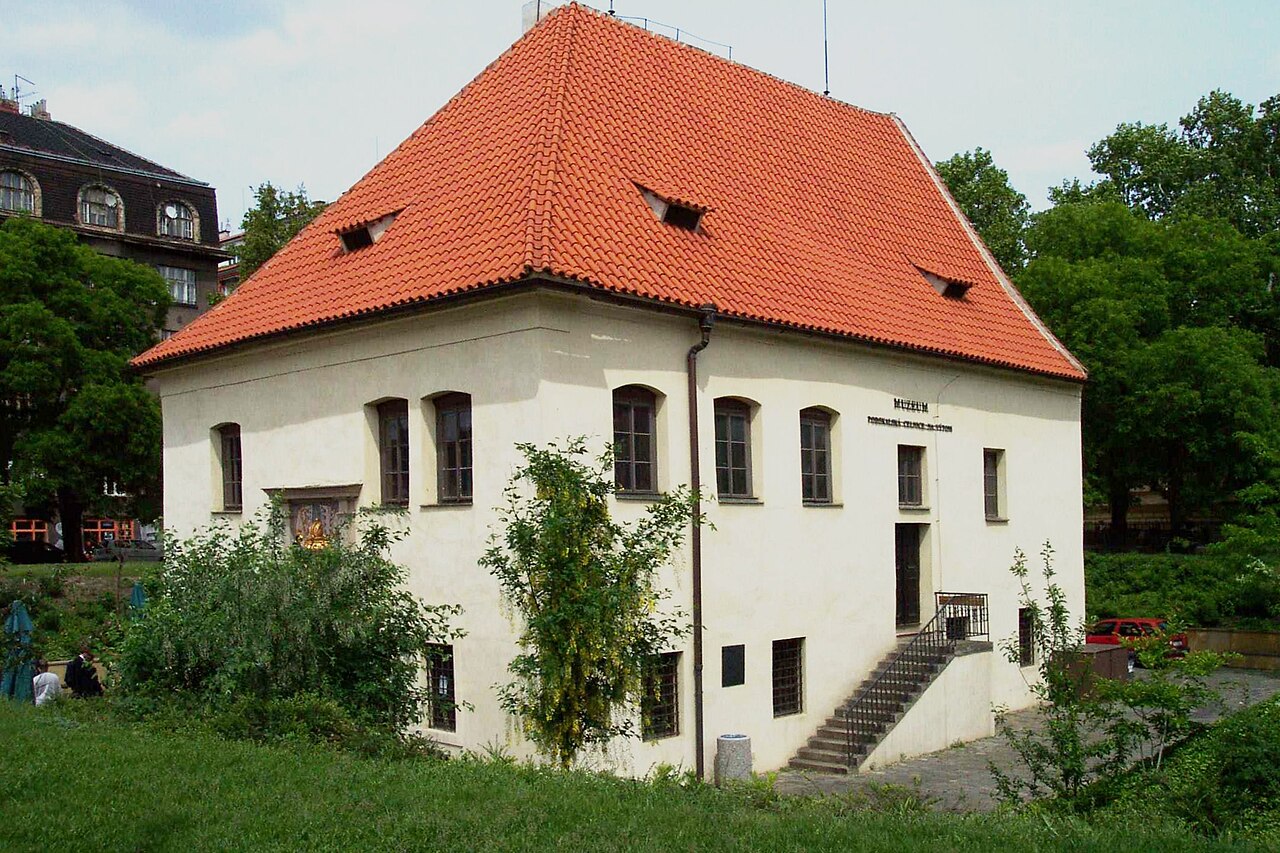
Podskalská celnice na Výtoni is a historic customs house beside the Vltava River on Prague’s Výtoň embankment. Its purpose was linked to regulating riverborne trade and the movement of goods into and out of the city. Today, the building gives a riverside walk a clear historical focus, connecting the scenery of the Vltava with Prague’s commercial and transport past. It is best understood as a heritage landmark within the district rather than as a large standalone attraction. Podskalská celnice na Výtoni is a historic customs house situated on the Výtoň embankment in Prague, Czech Republic. The building occupies a significant position along the Vltava River, reflecting Prague's long history as a vital trade and transit hub. Customs houses of this nature historically served as control points for riverborne commerce, regulating goods entering and departing the city. The structure represents an architectural remnant of Prague's economic infrastructure, dating from periods when river traffic constituted a primary commercial artery. Its preservation within the contemporary urban landscape offers visitors tangible connection to the city's mercantile past and the evolution of Central European trade networks.
The building’s significance is primarily visible in its historic exterior and its position along the river. It represents the kind of practical infrastructure that supported Prague’s trading life, with a customs function connected to goods transported on the Vltava. The present visitor experience is therefore strongly tied to the surrounding embankment, river views, and the building’s preserved place in the urban landscape. Plan to appreciate it as part of the wider Výtoň setting. The building may retain original architectural features characteristic of historic customs facilities, potentially including storage chambers, administrative offices, or inspection rooms that facilitated the processing of commercial goods. The physical fabric of the building, including any preserved historical elements, decorative treatments, or structural modifications across successive periods, requires direct observation or authoritative documentation to describe accurately.
Allow around twenty to thirty minutes for an exterior-focused visit, including time to look at the building, understand its customs-house role, and take photographs from the embankment. A longer riverside walk can turn the stop into part of a broader Vltava itinerary. The site works particularly well as a short heritage pause between other destinations in Prague, rather than requiring a full half-day devoted only to the building.
Choose a dry period with comfortable conditions for walking beside the Vltava, because the riverside setting is central to the experience. Longer summer daylight makes it easier to combine the building with an extended embankment walk. In winter, frost or wet surfaces can make the route less comfortable, although the quieter atmosphere can suit travelers interested in heritage photography. Daylight is useful for reading the building’s form and surroundings.
Treat Podskalská celnice na Výtoni as a riverside heritage stop rather than planning around a standard museum ticket. The customs-house identity and the building’s contribution to the Výtoň embankment are the main reasons to include it. A visit centered on the exterior can be incorporated into a walking route without setting aside time for a major ticketed exhibition. The surrounding public streets and riverfront provide the broader context for seeing it.
Head toward the Výtoň embankment in Prague and approach the building on foot along the Vltava. The district is connected to Prague’s public transport network, while the riverside route is suitable for combining the stop with a walk through the surrounding neighborhood. From the historic center, a route crossing the river offers a scenic arrival. Cycling is also natural along the river corridor, but pedestrians and cyclists share the embankment environment.
The embankment is an active urban riverside space, so watch for cyclists and other pedestrians when stopping to look or photograph. Wet, icy, or uneven surfaces can make the route difficult, particularly near the water. The riverfront is exposed to weather, and the building should not be treated as a guaranteed source of shelter or visitor facilities. Keep valuables secure and respect any boundary around the historic structure.
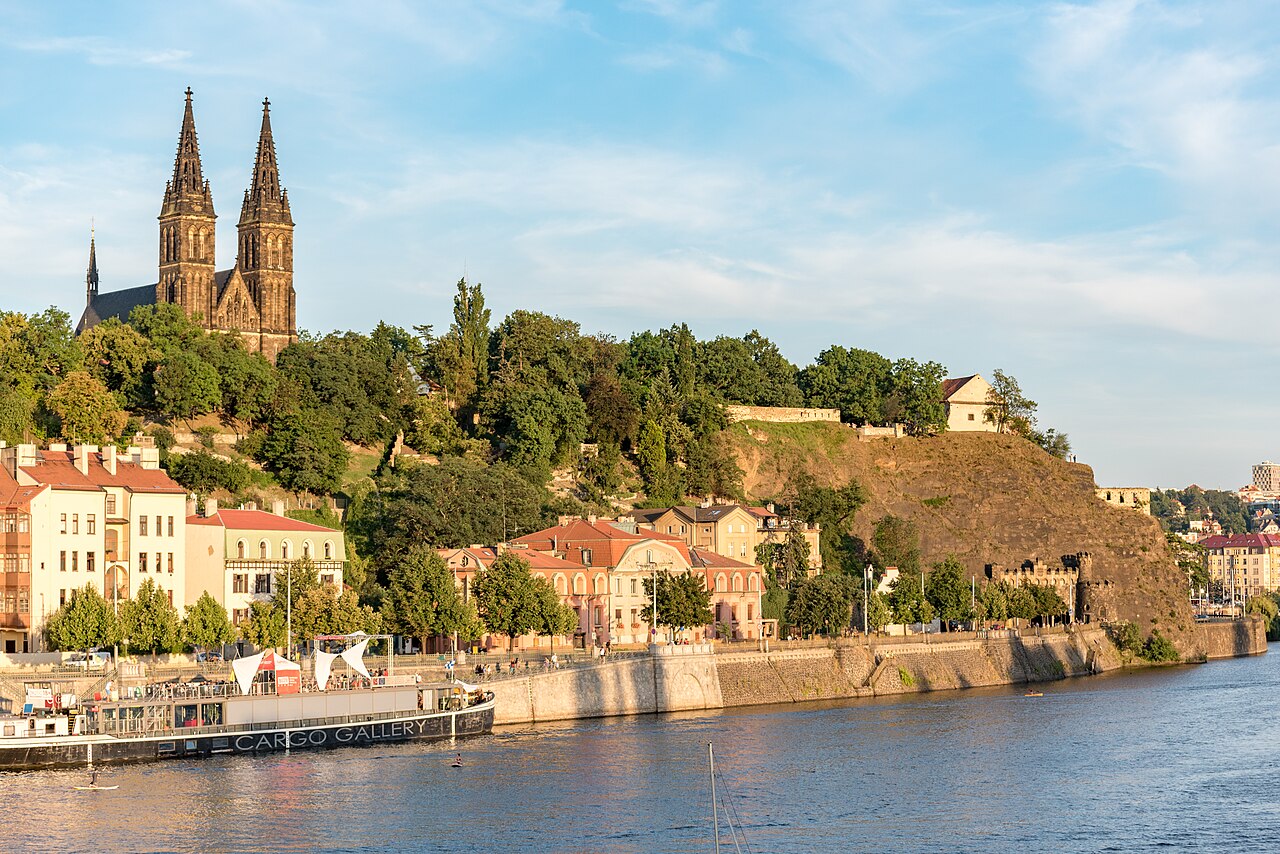
Photograph the customs house with the Vltava behind it to show how the building belonged to Prague’s river-trade landscape. Views along the embankment can place the structure within the wider urban setting, while closer images can emphasize its historic character. Morning and late-afternoon light can give the facade more texture than harsh midday sun. Leave room for pedestrians, avoid blocking the path, and respect any visible restrictions around the building.
It is a historic customs house on Prague’s Výtoň embankment beside the Vltava River, connected with the regulation of riverborne trade and the movement of goods.
Where is Podskalská celnice na Výtoni?
The building stands on the Výtoň embankment along the Vltava River in Prague, within a riverside district suited to walking and cycling.
How long should I allow for a visit?
Allow about twenty to thirty minutes for an exterior visit, or more if you combine the building with a longer walk along the Vltava.
What makes the building interesting?
Its interest comes from the customs-house function, its connection with Prague’s historic river trade, and its preserved position within the Výtoň riverside landscape.
Can I combine it with a walk?
Yes. The building is naturally suited to a Vltava embankment walk, with the riverfront providing context for its historic role in Prague’s trading life.
What should I bring for the riverside visit?
Wear comfortable walking shoes and bring weather-appropriate clothing, since the experience centers on the exposed embankment and its outdoor surroundings.