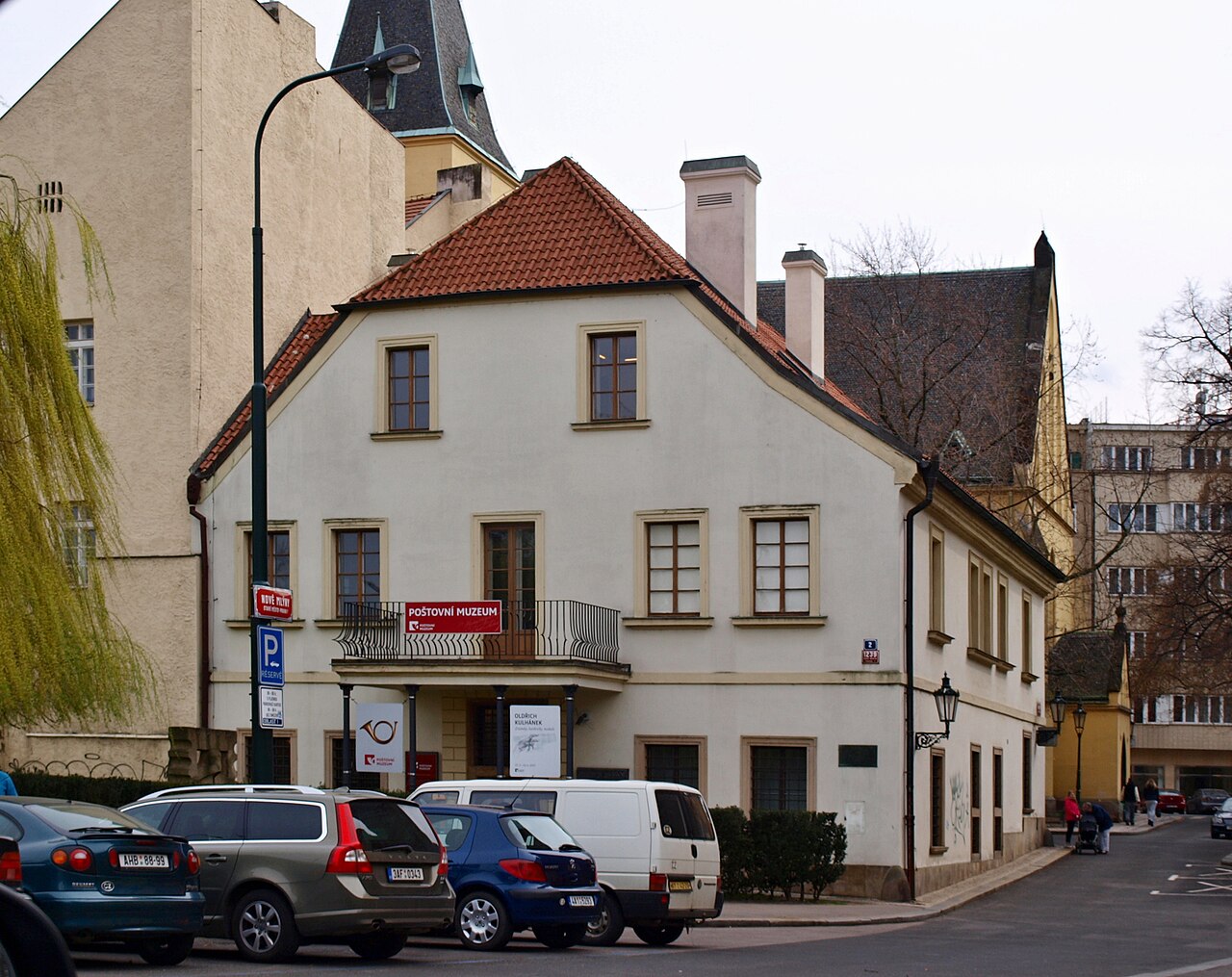
Postal Museum, also known locally as Poštovní muzeum, is a Prague museum devoted to postal history and philately. Its subject brings together stamps, correspondence, mail services and the material culture of communication. This makes it a purposeful stop for collectors, graphic-design enthusiasts, social historians and travellers curious about how messages moved across distance. The museum offers a quieter alternative to Prague’s major monuments, showing how ordinary systems of sending letters and packages can reveal changing technology, design, administration and daily life. Postal Museum, locally called Poštovní muzeum, is a Prague museum devoted to postal history and philately. Its subject is the culture and infrastructure of correspondence: stamps, mail, communication and the material world around sending letters. That focused identity distinguishes it from broad art or city-history institutions. It is a purposeful stop for travellers interested in collecting, graphic design, social history or the everyday systems that connect people across distance. Postal Museum, or Poštovní muzeum, is a specialist museum focused on postal history and philately.
Postal history and philately define the museum experience. Stamps, mail and postal communication provide the central lens through which visitors can think about design, collecting, bureaucracy and the human need to stay connected. The specific exhibition title and individual object list are not part of the confirmed place information, so the best preparation is thematic rather than checklist-based. Look closely at the visual details of postage and correspondence, and consider how printed materials transformed communication between people, cities and countries.
Give Postal Museum a flexible cultural block. Visitors making a targeted stop may move through a specialist subject efficiently, while collectors and philatelists can spend much longer examining stamps, design details and explanatory text. The museum rewards patience more than speed, because postal history is built from small visual and material clues. Leave the next activity movable if you enjoy reading and discussion. It fits naturally into a quieter Prague day rather than a tightly packed sequence of headline attractions.
Choose Postal Museum when your Prague itinerary needs a specialist cultural stop focused on communication, collecting or graphic design. Its postal-history theme offers a change of rhythm from churches, palaces and major art institutions. It can suit travellers seeking an indoor activity or anyone who wants to understand cultural history through everyday objects rather than grand events. Keep your expectations centred on the enduring postal subject, while allowing the particular emphasis of the visit to emerge through the displays you encounter.
Plan the museum as a cultural attraction whose admission cost remains separate from the confirmed postal-history information. No entry fee, free-entry rule, booking arrangement or payment method is included here, so avoid building a precise Prague budget around a number taken from elsewhere. The museum can still be a strong choice for travellers who value specialist collections and design. When comparing several paid attractions, leave the cost unresolved in your calculations and judge the visit primarily by its distinctive subject.
The precise map reference for Postal Museum is OSM node/3303681505. Use that point for the final approach through Prague, beginning from your hotel or the previous itinerary stop. The city’s metro, tram and bus network supports travel between districts, while central streets can often be explored on foot. The place record identifies the mapped location but does not name a nearest stop or route. Navigate to the exact node rather than relying on the museum name alone.
Postal Museum is a focused specialist destination, not a general survey of every aspect of Prague’s history. The confirmed themes are postal history and philately; a particular stamp, room or temporary display should not define your expectations before arrival. Travellers with a research question or collecting interest may want to allow extra time for close observation. Those seeking a broad landmark experience should pair it with another attraction, while visitors who enjoy material culture can let the details of correspondence guide the pace.
Follow gallery notices and staff directions before photographing stamps, correspondence or other displays. The postal subject encourages close attention to graphic detail, but interest in an object does not establish permission to photograph or publish its image. Keep equipment unobtrusive and avoid blocking views for other visitors. If a particular display carries restrictions, respect them without exception. The museum is best remembered through careful looking as well as photographs, especially when small printed details are central to the experience.
Nothing non-essential is set before you choose, in regions where consent is required. If you decline, ads still appear and analytics is switched off entirely.