

3 min walk
Písek Gate
- Must see · Heritage site
- Historic monument
Historic monument · Prague
Letohrádek královny Anny
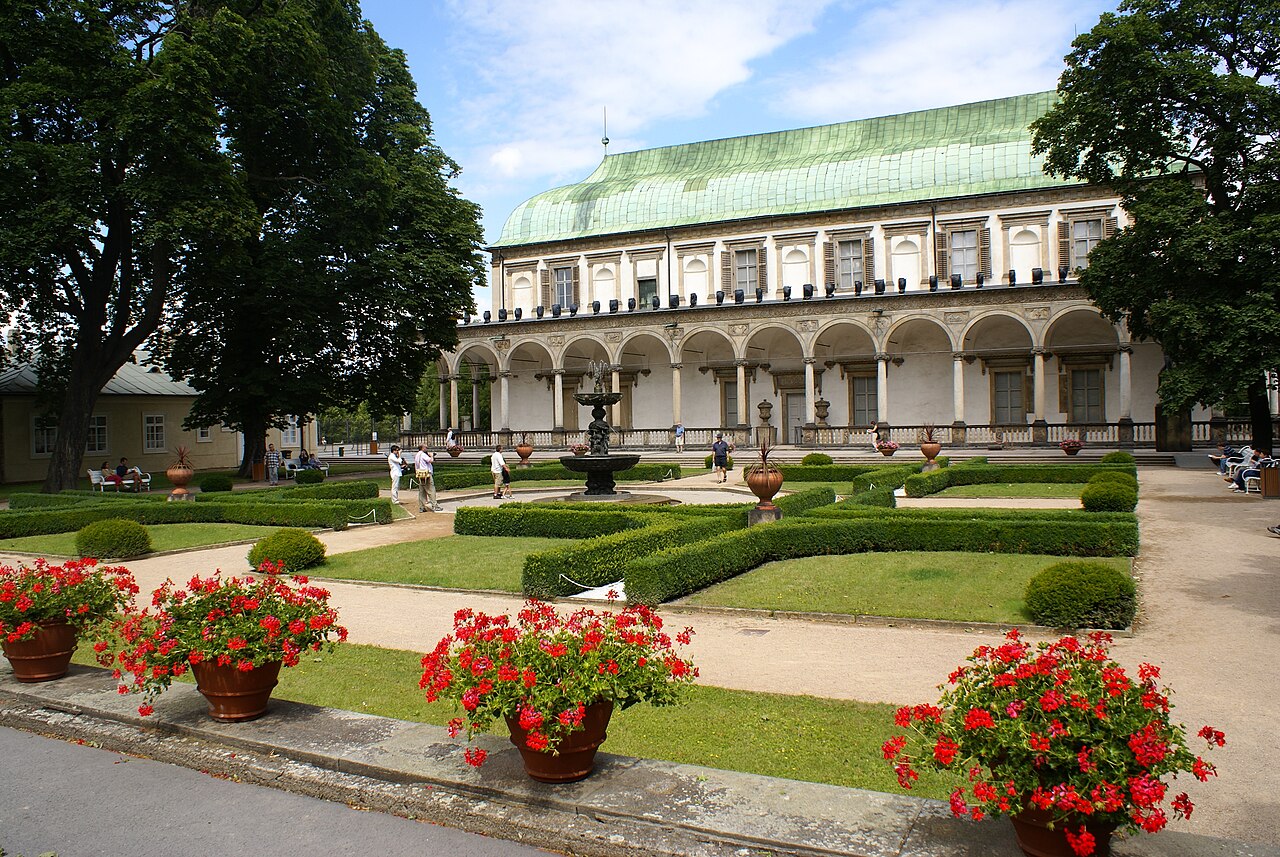
Queen Anne's Summer Palace, known locally as Letohrádek královny Anny, is a Renaissance pleasure palace located in the Royal Garden of Prague Castle. Built in the mid-16th century, it represents one of the finest examples of Italian Renaissance architecture north of the Alps. The palace was commissioned for Anne of Bohemia, wife of Ferdinand I. Its distinctive sgraffito-decorated facade and elegant proportions make it a significant cultural monument within the Prague Castle complex, which is a major visitor destination in the Czech capital.
Checked 2026-08-26
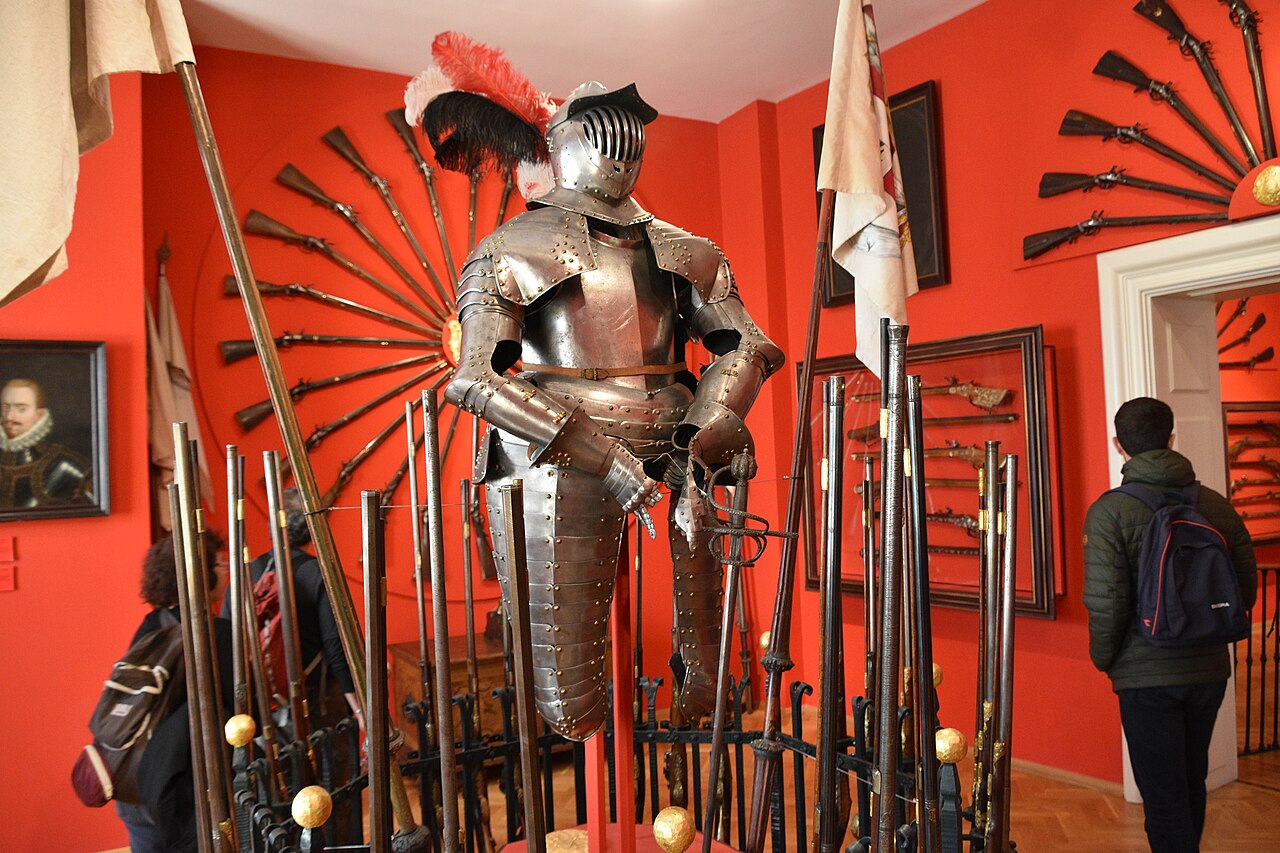
The interior of Queen Anne's Summer Palace contains notable architectural and decorative elements from the Renaissance period. The building features a central hall with a distinctive vault and historical ornamentation. Over centuries, the palace has served various functions including as a residence, storage space for gunpowder, and exhibition venue. Artworks and historical objects have been displayed within its rooms. The structure's design incorporates classical elements typical of Italian-influenced Central European architecture of its era, with attention to proportional harmony and decorative detail throughout the interior spaces.
Checked 2026-08-26
A visit to Queen Anne's Summer Palace typically requires between thirty minutes and one hour for most visitors. This duration allows for viewing the interior spaces and appreciating the architectural details at a moderate pace. The compact scale of the Renaissance pleasure palace means that extensive time is not needed to experience its main features. Visitors often combine their visit with exploration of the surrounding Royal Garden and other Prague Castle attractions, making it one component of a longer itinerary through this historically significant area of the city.
Checked 2026-08-26
Visitors should verify current opening times through official Prague Castle sources before planning their visit. The Royal Garden, where the palace is situated, has seasonal access patterns that affect availability. Weather conditions influence the experience, as the garden setting is best enjoyed in favorable conditions. Peak tourist seasons at Prague Castle bring larger crowds to all attractions. Early morning visits may offer a more tranquil experience. Checking official communications close to the travel date is advisable for accurate scheduling information. Check the operator's own site for the travel date before relying on a schedule or fare.
Checked 2026-08-26
Admission to Queen Anne's Summer Palace may be included in combination tickets for Prague Castle attractions or may require separate purchase depending on current policy. Visitors should consult official Prague Castle ticketing information for accurate pricing structures. Various ticket categories typically exist for different visitor groups. The palace's status within the broader castle complex means that access arrangements can change. Verifying payment methods and reservation requirements through official channels before visiting is strongly recommended to avoid complications at the entrance. Check the operator's own site for the travel date before relying on a schedule or fare.
Checked 2026-08-26
Queen Anne's Summer Palace is located within the Royal Garden of Prague Castle, situated on Castle Hill in the Hradčany district of Prague. The castle complex is accessible by public tram, with multiple lines serving nearby stops. Walking approaches include the steep but scenic Old Castle Steps or the longer route through Hradčany. The area is well-signposted for pedestrians. Visitors should be prepared for uphill walking regardless of approach route. The palace's position within the garden means navigation through the castle grounds is necessary after reaching the main castle area.
Checked 2026-08-26
Visitors should be aware that the Royal Garden has seasonal closures and access restrictions that affect palace availability. The garden terrain includes uneven surfaces and steps that may present challenges for mobility-impaired visitors. Weather protection is limited in the garden areas. Security checks operate at Prague Castle entrances. Photography restrictions may apply inside the palace. The combination of historical architecture and garden setting means appropriate footwear is advisable. Crowding at peak times can affect movement through confined interior spaces. Following posted guidelines preserves both visitor safety and the historical structure.
Checked 2026-08-26
Photography opportunities at Queen Anne's Summer Palace include the distinctive sgraffito exterior decoration, Renaissance architectural details, and the surrounding Royal Garden landscape. The palace's position within the garden offers contextual shots showing the relationship between building and designed landscape. Interior photography may be subject to restrictions that visitors should observe. Natural lighting conditions vary throughout the day and seasons, affecting photographic results. Tripod use typically requires permission in historical sites. Respect for other visitors and protection of historical surfaces should guide photography behavior. The golden hour light on the Renaissance facade can produce particularly striking images.
Checked 2026-08-26
Yes, the palace is located within the Royal Garden of Prague Castle, making it part of the castle complex though it is a separate historical structure with its own identity.
Access arrangements depend on current ticketing policy; visitors should verify whether separate admission to the Royal Garden area is available or if combination access applies.
The historical terrain of the Royal Garden and the palace's Renaissance construction present challenges; visitors with mobility concerns should verify current accessibility provisions through official sources.
Specific guided tour availability for this individual structure is not recorded; visitors should check Prague Castle visitor services for information about tours covering the Royal Garden area.
The palace was commissioned for Anne, wife of Ferdinand I, in the mid-16th century, serving as a pleasure residence within the castle grounds rather than a primary royal dwelling.
No, its functions have changed over centuries, including periods as a gunpowder storage facility, reflecting the adaptive reuse common to historical structures in active castle complexes.
Loading the interactive map…
The interactive map could not be loaded.

Last updated:
Source: OpenStreetMap contributors, Wikidata ·