.jpg)
1 min walk
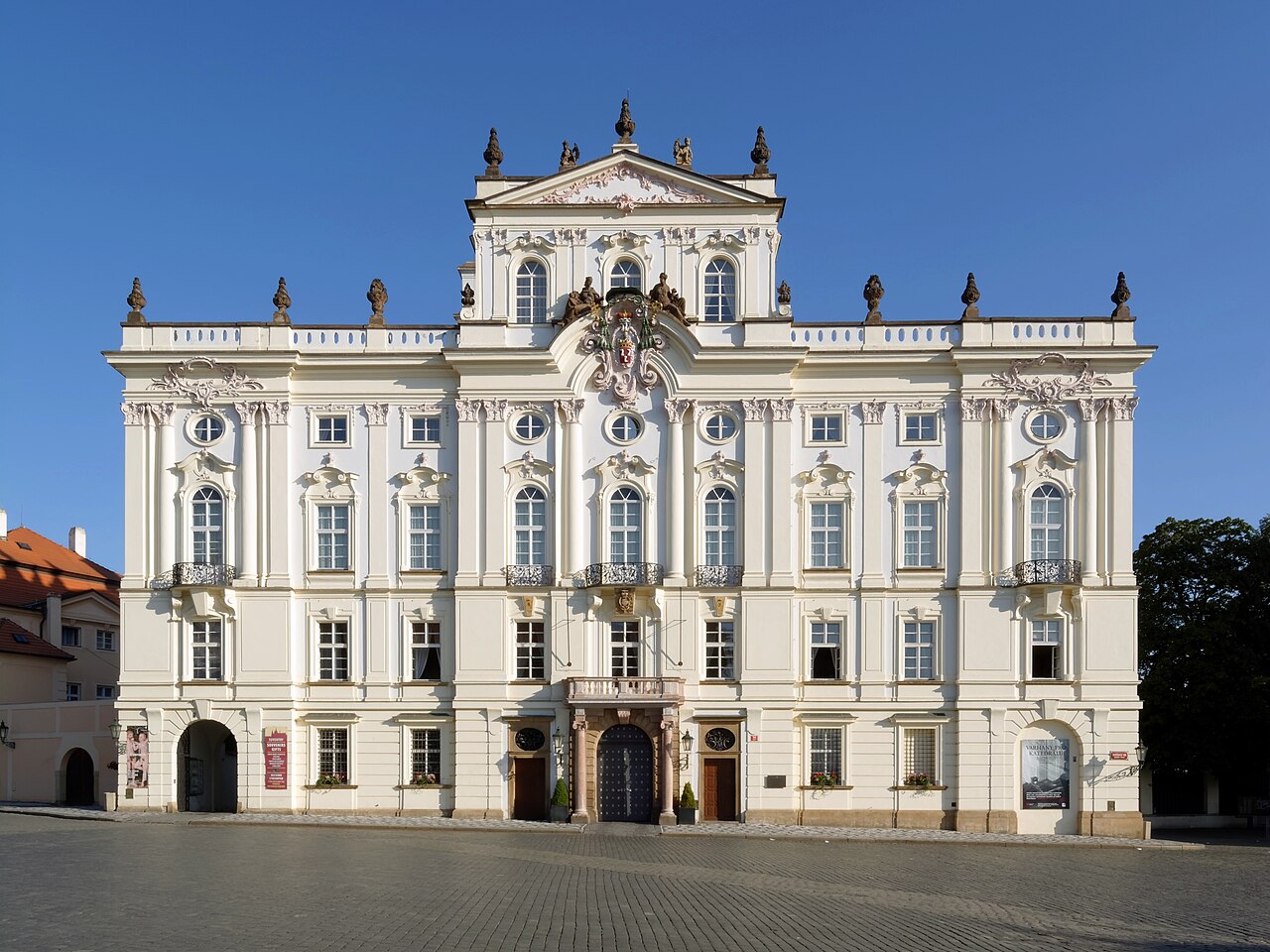
Archbishop Palace
- Must see · Heritage site
- Historic monument
Language · 11 published
Historic monument · Prague
Šternberský palác
Reviewed by Elena Voss · Roavina Travel Editor
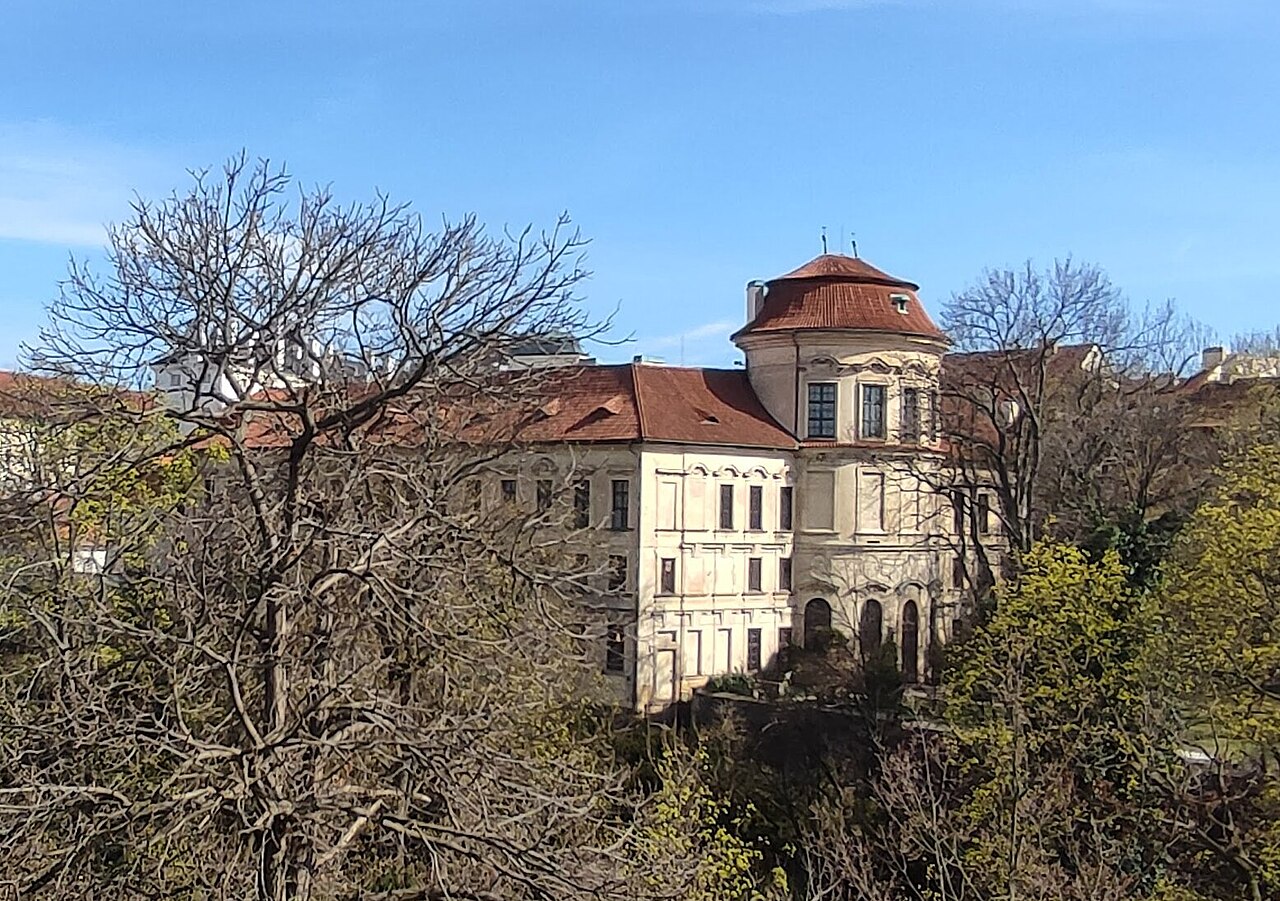
It was established in 1698. It was built in the baroque architecture style. It was designed by Giovanni Battista Alliprandi. It carries the cultural monument of the Czech Republic heritage designation.
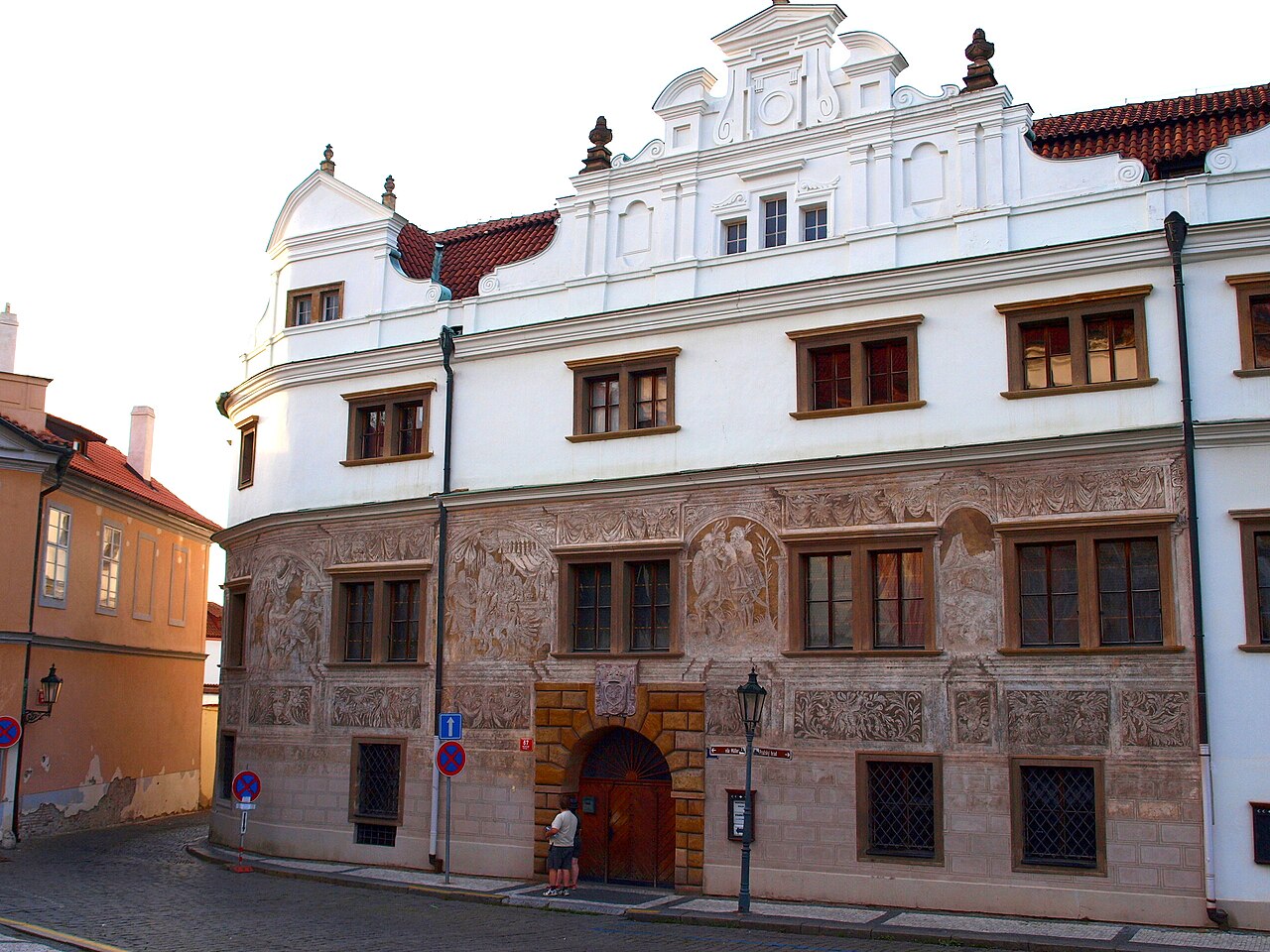
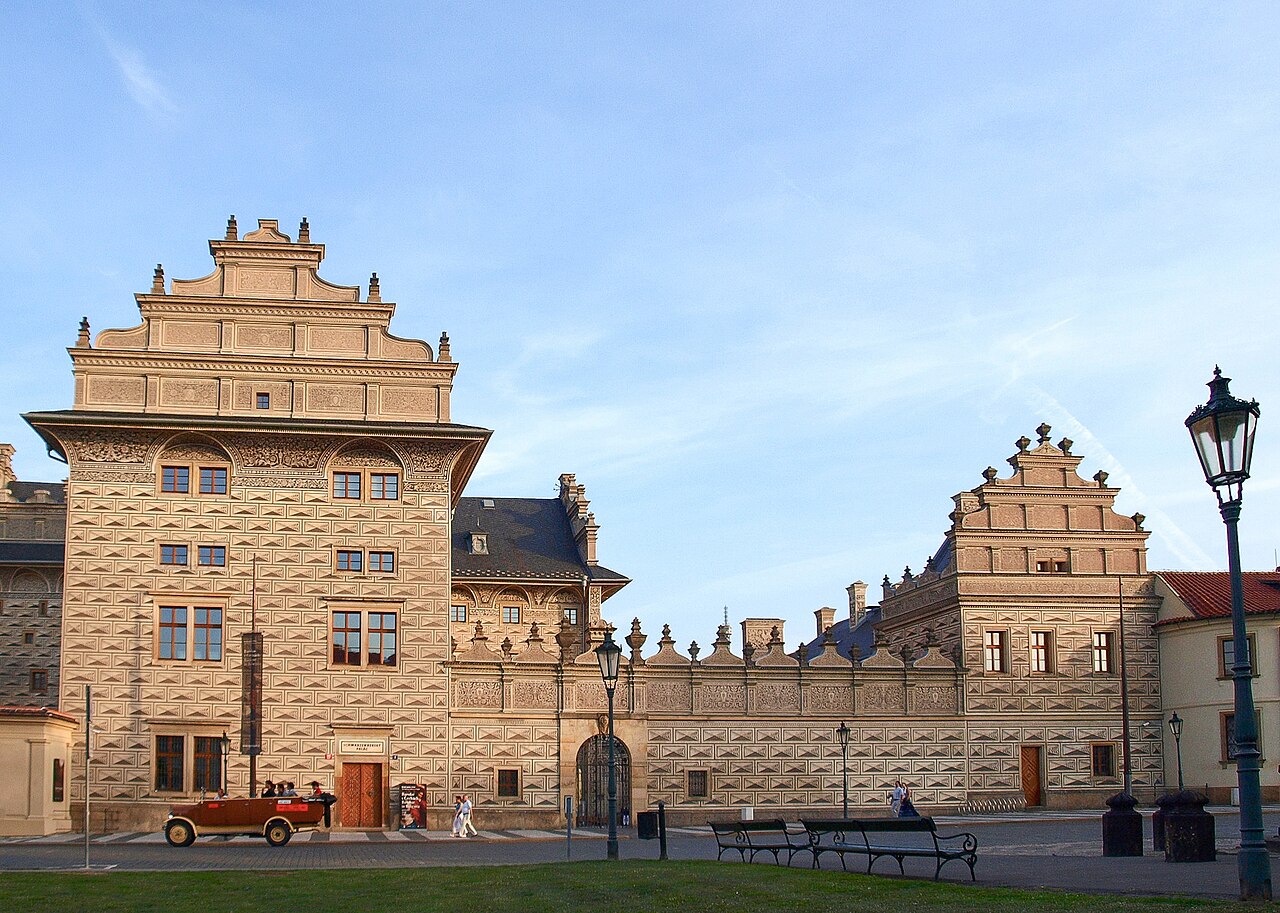
Sternberg Palace is a Baroque palace in Prague, Czech Republic. It stands near Prague Castle in the Hradčany district. The building serves as a significant cultural institution within the historic urban fabric of the city. Its architectural form represents the Baroque period and contributes to the distinctive skyline of the castle area. The palace has undergone various phases of use throughout its history. Visitors encounter it as part of the broader Prague Castle cultural zone. The structure holds registered monument status.
Checked 2026-08-26
The palace houses collections of European art from antiquity through the Baroque era. Paintings, sculptures, and decorative arts occupy its interior spaces. The arrangement follows historical and stylistic progression through the galleries. Religious and secular works appear in sequence. The collection includes Italian, German, Dutch, Flemish, and Central European masters. Period rooms display furnishings contextual to the building's era. The upper floors contain the main exhibition circuit. The palace interior preserves original architectural elements including stucco decoration and ceiling treatments.
Checked 2026-08-26
A thorough visit requires approximately ninety minutes to two hours. Casual visitors may complete a faster circuit in sixty minutes. Art enthusiasts typically linger longer before individual works. The vertical circulation through multiple floors adds transit time between galleries. Crowding varies by season and time of day, affecting pace. Visitors should allocate additional time for entry procedures during peak periods. Combination with nearby Prague Castle attractions extends the overall visit substantially. Personal interest in Baroque and Renaissance art determines optimal duration.
Checked 2026-08-26
Seasonal patterns in Prague tourism suggest morning arrivals generally encounter reduced congestion. Summer months bring peak visitor volumes to the castle district. Winter offers quieter conditions though daylight hours contract. Weather affects queue comfort for any external waiting. The palace forms part of a dense cultural cluster; sequencing with other nearby sites requires planning. Midweek visitation typically reduces competition with weekend travelers. Local holidays may influence accessibility without specific confirmation available. Sternberg Palace also earns time in a prague itinerary because A visitor-relevant POI matched exactly to the production city pool; stored identity, local name and coordinates were copied without approximation. Its value becomes clearer when the stop is compared with the surrounding streets and the other ranked places nearby. Check the operator's own site for the travel date before relying on a schedule or fare.
Checked 2026-08-26
The palace operates under the National Gallery Prague system, suggesting integrated ticketing possibilities with other institutional venues. Category-based pricing for adults, students, seniors, and families commonly applies at comparable Czech cultural sites. Free-entry promotional days may occur periodically per national museum policy. Group arrangements potentially require advance reservation. Audio guide availability and supplementary fees remain unconfirmed. Visitors should verify current rates through official National Gallery Prague channels before arrival to ensure accurate budgeting. Check the operator's own site for the travel date before relying on a schedule or fare.
Checked 2026-08-26
Sternberg Palace occupies the Hradčany district adjacent to Prague Castle complex. Tram lines serve the immediate area with stops requiring uphill walking. The nearest metro station lies at a distance necessitating connection by tram or foot. The castle hill terrain involves inclines and cobblestone surfaces. Signage within the Prague Castle zone directs toward palace locations. Walking from Malostranská metro through Lesser Town and upward represents a common approach. Taxi and rideshare access faces restrictions in the historic core. Cycling presents challenges due to elevation change.
Checked 2026-08-26
The Baroque palace environment contains original flooring and staircases with irregular surfaces. Lighting conditions vary between galleries, affecting visibility of labels and floor transitions. Climate control maintains preservation standards that visitors may perceive as cool. Bag size restrictions likely apply given museum security norms. Photography policies require verification on arrival. The historic structure lacks modern accessibility features in certain areas. Crowding concentrates at narrow passages and popular works. Personal belongings security demands attention in any tourist-dense location. Emergency exit routes may differ from entry paths.
Checked 2026-08-26
Photography policies remain unconfirmed for Sternberg Palace specifically. Many European national galleries restrict flash photography to protect light-sensitive artworks. Tripod and selfie stick prohibitions represent standard museum practice. Some institutions permit non-flash still photography for personal use while banning video recording. Commercial or publication purposes universally require advance written authorization. Visitors should observe posted signage and staff instructions upon entry. Mobile telephone use for calls typically faces restriction within exhibition spaces. Respect for other viewers' sightlines should govern any permitted image capture. Verification of current rules at entry is essential.
Checked 2026-08-26
It stands in the Hradčany district near Prague Castle but operates as a distinct National Gallery Prague venue.
European art from antiquity through the Baroque era, with emphasis on Italian, German, Dutch, Flemish, and Central European works.
Original architectural elements including stucco decoration and ceiling treatments remain visible within the gallery spaces.
Multiple floors with original staircases, irregular historic flooring, and castle hill terrain require moderate mobility.
Integrated ticketing possibilities exist though specific combinations require verification through official channels.
No specific requirement is recorded; group arrangements may benefit from advance contact per comparable institutional norms.
Loading the interactive map…
The interactive map could not be loaded.
Last updated:
Source: OpenStreetMap contributors, Wikidata ·