


.jpg)

2 min walk
Danish War Museum
- Must see · Heritage site
- Museum
Language · 11 published
Historic monument · Copenhagen
Christian 4.s Bryghus
Reviewed by Elena Voss · Roavina Travel Editor

It was established in 1608. It was built in the Renaissance architecture style. It carries the monument on Kulturstyrelsen register heritage designation.
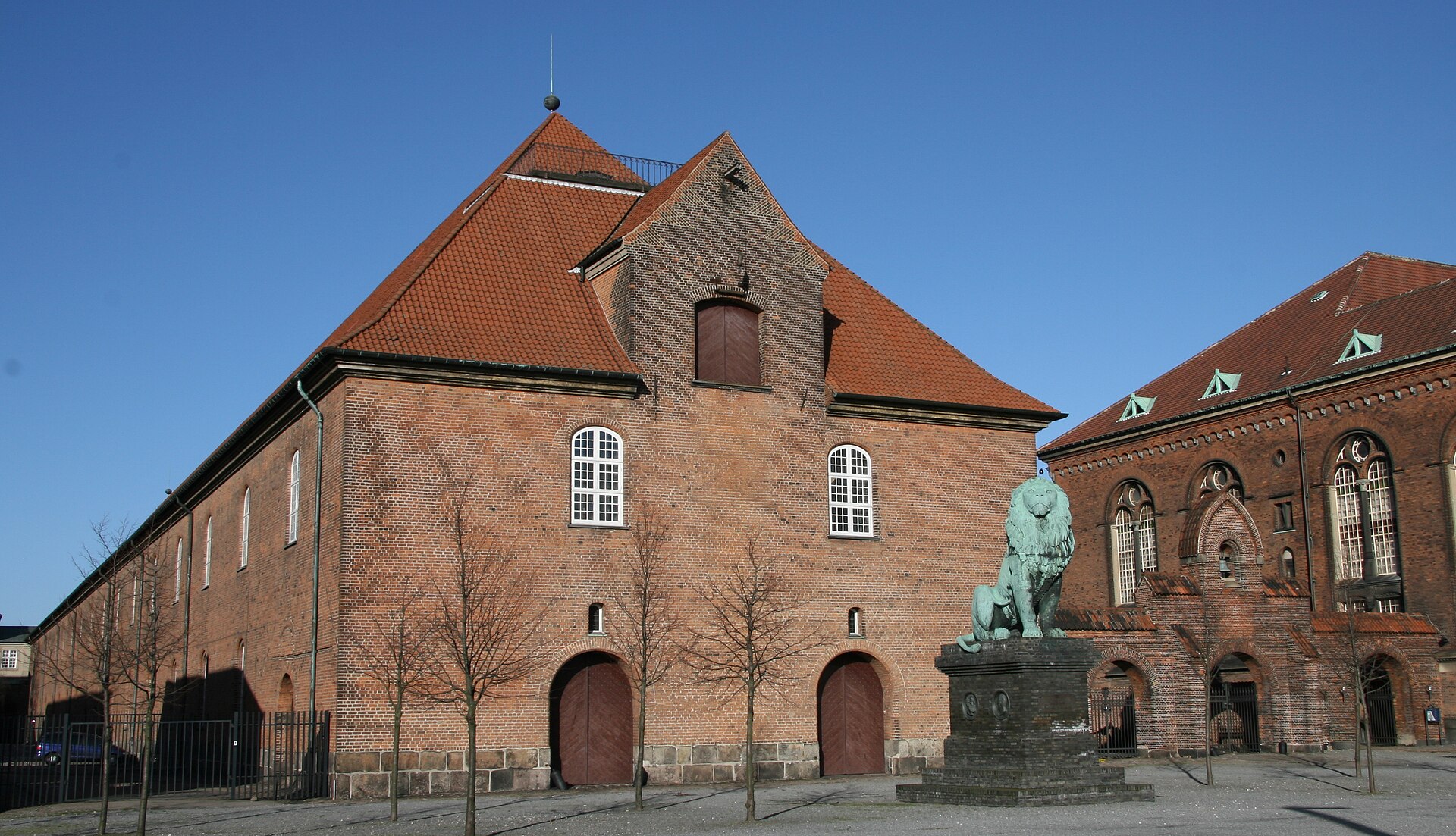
Christian IV's Brewhouse, known locally as Christian 4.s Bryghus, is a historic Copenhagen building associated with King Christian IV and the early seventeenth century. The brewhouse connects the city’s architecture with royal commercial enterprise and Denmark’s brewing heritage. Today, the building is best understood as a historical landmark rather than a functioning brewery. Its setting places royal history within Copenhagen’s urban centre, where visitors can combine architectural observation with nearby cultural and historic sights. The name links the building directly to Christian IV, whose reign shaped many important parts of Copenhagen’s built environment. The brewhouse offers a compact encounter with the city’s royal and industrial past.
Checked 2026-08-26 · Source
Christian IV's Brewhouse is primarily valuable for its historic structure and architectural character. The building is not presented as an active brewery, so visitors should focus on the surviving exterior, proportions, materials, and relationship with the surrounding historic city. No brewing demonstrations or preserved machinery are described here. The experience is therefore different from a modern brewery tour or a museum built around working equipment. A visitor interested in Copenhagen’s royal history can use the brewhouse as a visual landmark and a starting point for understanding how commerce, industry, and royal ambition shaped the capital. The surrounding urban setting adds context to the building’s significance.
Checked 2026-08-26 · Source
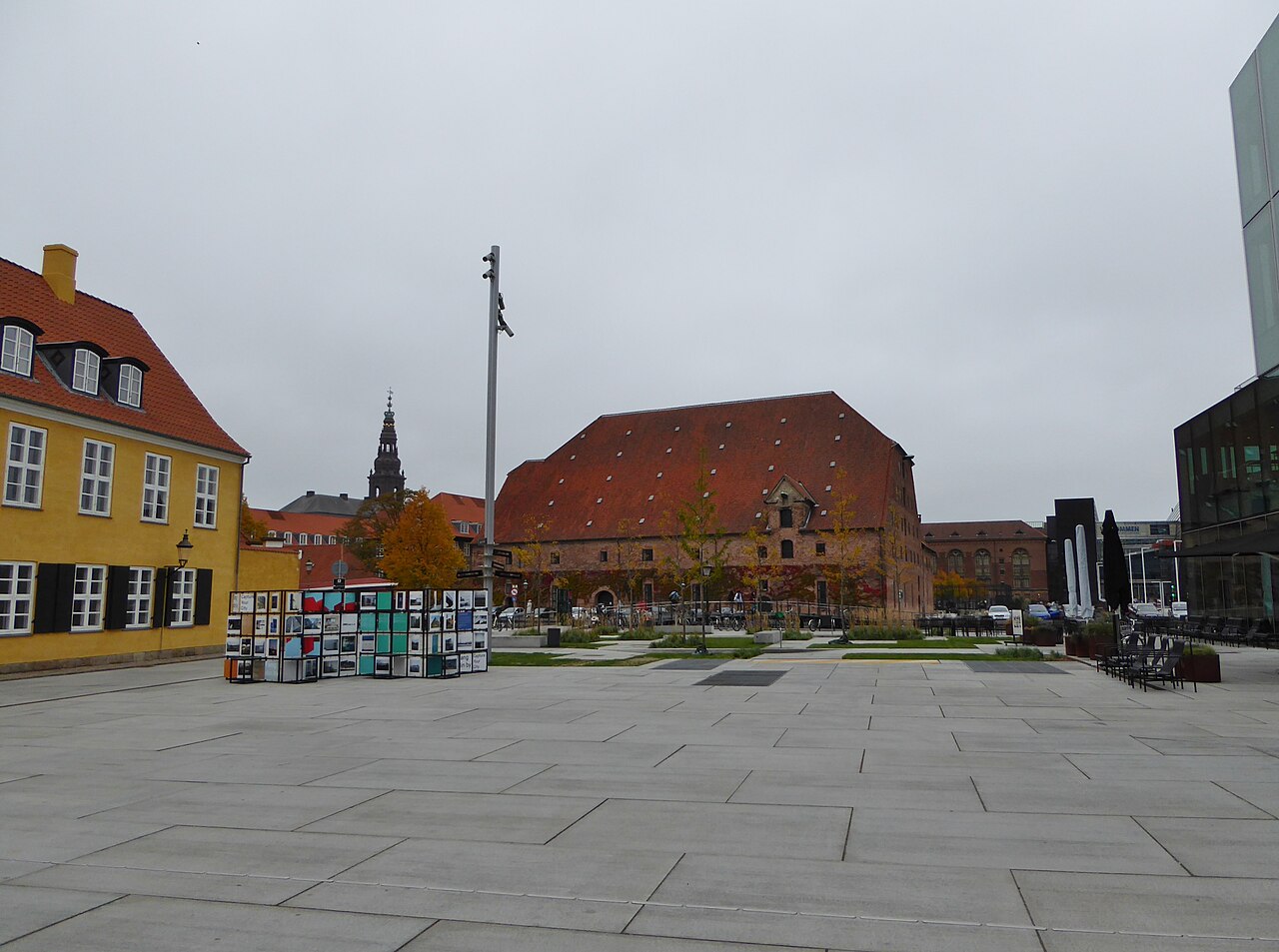
Allow about fifteen to thirty minutes for an exterior-focused visit to Christian IV's Brewhouse. That time gives visitors room to study the building, take photographs, and place the landmark within a wider walk through central Copenhagen. The brewhouse works well as a short historical stop rather than a destination requiring a full half-day. Visitors who enjoy architectural details may stay longer to examine masonry, openings, scale, and the building’s position among neighbouring streets. Combining the brewhouse with other central landmarks creates an efficient itinerary while preserving time for Copenhagen’s larger museums, palaces, and waterfront areas.
Checked 2026-08-26 · Source
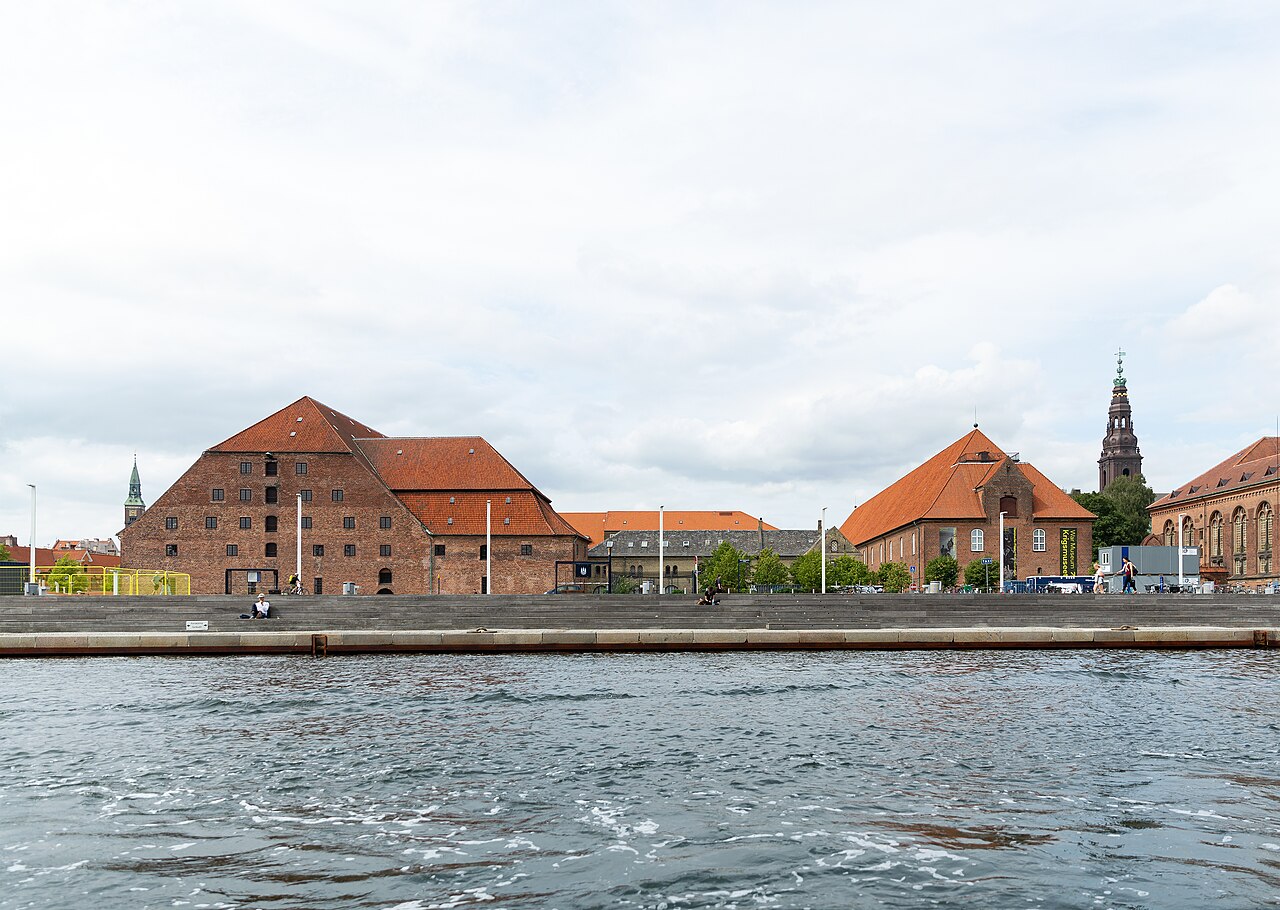
Christian IV's Brewhouse suits visits in any season when the building can be viewed from public space. Late spring through early autumn usually provides longer daylight and more comfortable conditions for studying the exterior and walking between nearby sights. Winter brings shorter days and cooler weather, but the austere light can emphasise the building’s historic materials and massing. An earlier visit can provide a quieter architectural experience before central Copenhagen becomes busier. Weather changes quickly in Copenhagen, so a warm layer and protection from rain make an exterior stop more comfortable. The brewhouse is especially easy to include in a flexible walking day.
Checked 2026-08-26 · Source
Christian IV's Brewhouse is suitable for a no-ticket architectural stop when viewed from the outside. No separate admission arrangement is described for exterior observation. Visitors should treat any interior visit or special programme as a different experience from viewing the landmark in the city streets. The brewhouse can therefore fit naturally into a Copenhagen day without making it the centre of the day’s ticket budget. Its strongest value comes from seeing a royal-era structure in context, then continuing on foot toward other historic buildings and cultural institutions in the surrounding centre.
Checked 2026-08-26 · Source
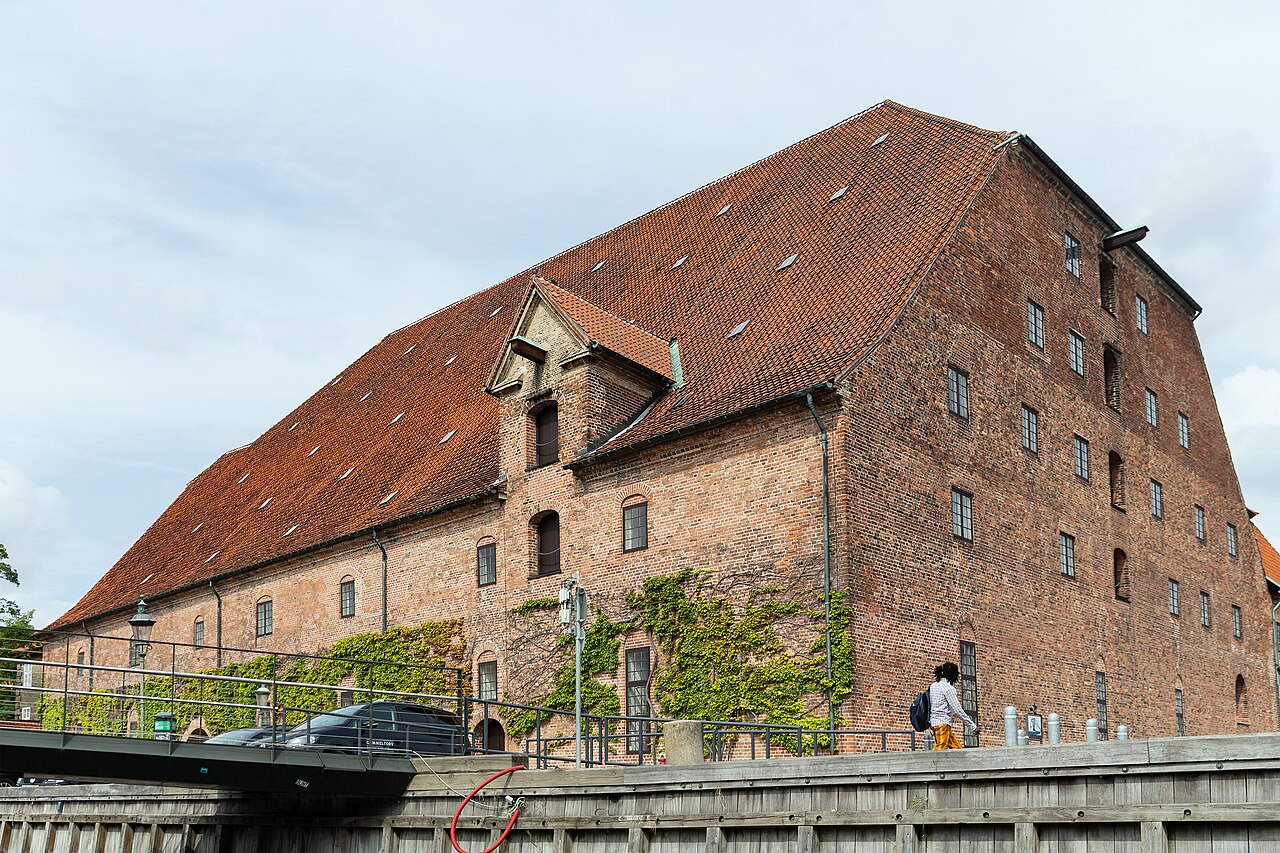
Christian IV's Brewhouse stands within Copenhagen’s central urban fabric, making it practical to combine with a city-centre walking route. Visitors can reach the central area through Copenhagen’s Metro, S-train, and bus network, then continue on foot between historic landmarks. Cycling is another natural way to move through Copenhagen, whose street network is well suited to bicycles. The precise walking approach and nearest stop are not part of this guide, so the mapped location should be used when planning the final approach. Once nearby, allow time to look at the building from the public streets around it.
Checked 2026-08-26 · Source
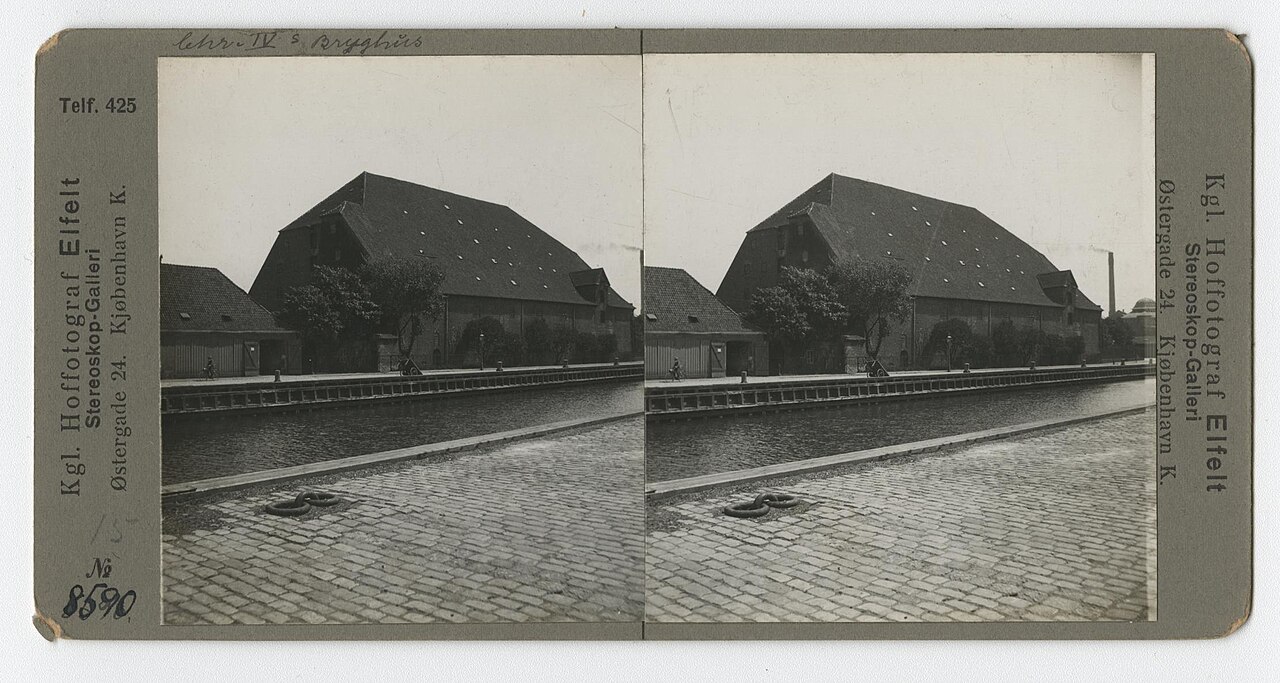
Christian IV's Brewhouse is best planned as an exterior landmark, because the visitor experience centres on the historic building rather than a functioning brewery. Preservation work, restricted areas, or temporary building works can affect the view of an old structure. Central Copenhagen also brings normal urban concerns, including traffic, bicycles, and busy pavements. Visitors seeking a detailed interpretation should pair the brewhouse with other historical sights rather than expecting a large exhibition on site. Wear weather-appropriate clothing for an outdoor stop, and respect barriers, entrances, and any signs around the building.
Checked 2026-08-26 · Source
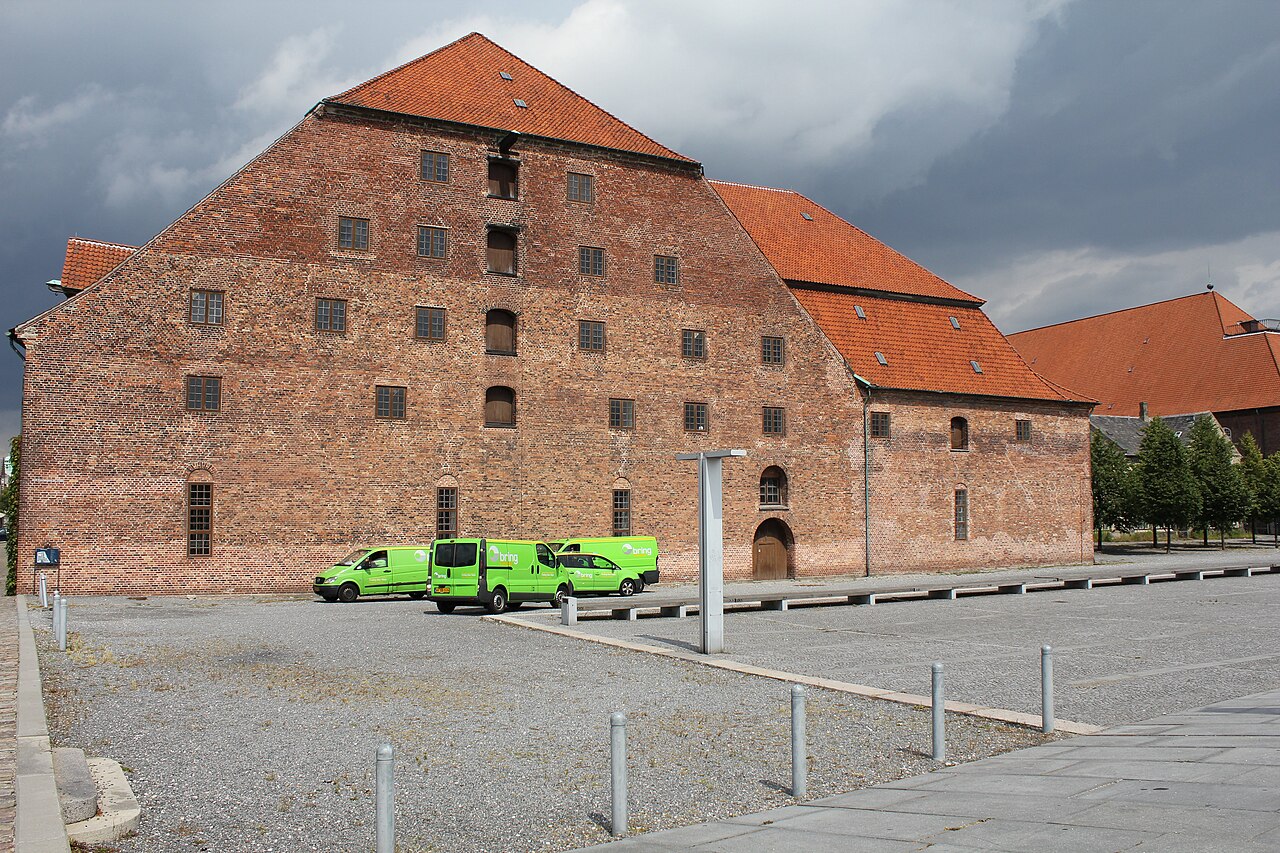
Christian IV's Brewhouse offers a useful subject for architectural photography, especially when the frame includes the building’s historic proportions and its Copenhagen street setting. Exterior photographs should be taken from public space while keeping entrances, pavements, and other pedestrians clear. Morning and late-afternoon light can bring out texture in masonry and create stronger contrast across the façade. Interior photography is a separate matter if access is available. Tripods, commercial equipment, and aerial photography can be subject to restrictions in urban areas, so ordinary handheld photography is the simplest approach for a short visit.
Checked 2026-08-26 · Source
Christian IV's Brewhouse is a historic Copenhagen building associated with King Christian IV, the early seventeenth century, and Denmark’s royal brewing heritage.
The building is presented as a historical landmark rather than a functioning brewery, so visitors should plan for architectural and historical appreciation.
Allow about fifteen to thirty minutes for an exterior-focused visit, with extra time if you enjoy studying historic architecture or photographing the building.
Yes. The brewhouse stands within Copenhagen’s central urban fabric and works well as a short stop between other historic and cultural landmarks.
Focus on the historic structure, its proportions, architectural materials, and relationship with the surrounding Copenhagen streets.
Christian IV was the Danish king whose reign is associated with the building and with major commercial, industrial, and architectural developments in Copenhagen.
Loading the interactive map…
The interactive map could not be loaded.
Last updated:
Source: OpenStreetMap contributors, Wikidata ·