.jpg)
01
3 hours
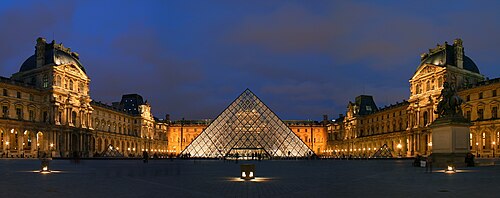
Louvre Museum
Musée du Louvre
The Louvre is the most-visited art museum on earth and it was a fortress before it was anything else.
- Must see
- Museum
- Paris 1er Arrondissement
Language · 11 published
City guide · France
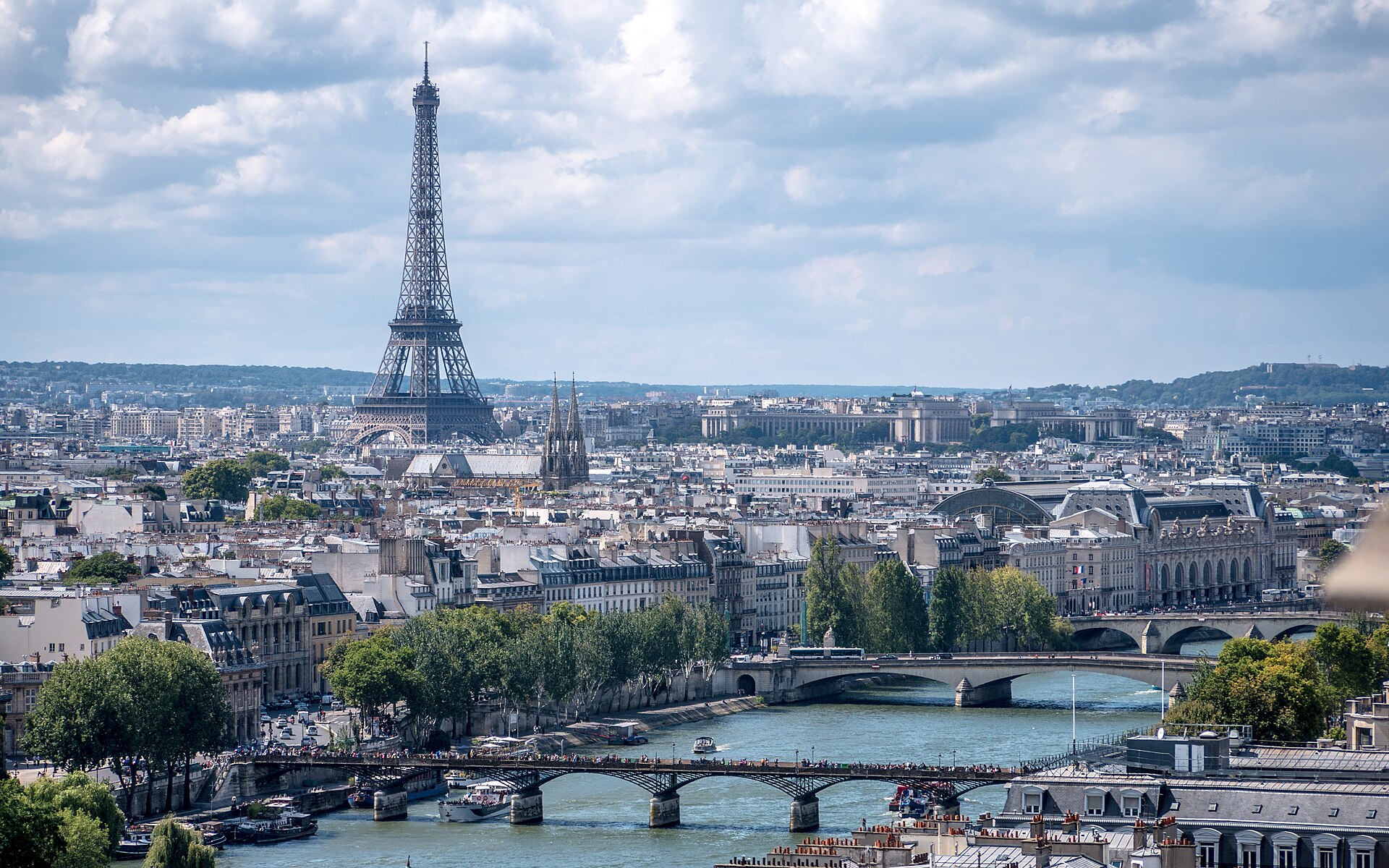
Paris is 105.4 km² holding 2,047,602 people, wrapped in twenty arrondissements that spiral outward from the Louvre. Almost everything a visitor comes for is inside that spiral, and most of it is walkable. The Seine cuts the city in two and everything is described in relation to it. The Right Bank to the north holds the commerce and the great institutions; the Left Bank to the south holds the universities and the bookshops. Between them the Île de la Cité and the Île Saint-Louis are where the city started.
Reviewed by Elena Voss · Roavina Travel Editor
Set your days, your pace and the hours you actually want to be out. The planner works around closing days and travel time, and leaves room to eat.
Ranked by importance — sitelinks, pageviews and heritage status, not editor preference.
51 places match
Category
Typical visit duration
Musée du Louvre
The Louvre is the most-visited art museum on earth and it was a fortress before it was anything else.
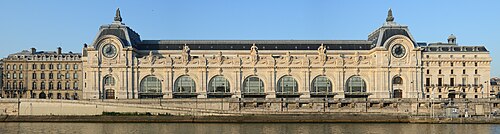
The Musée d'Orsay is a railway station that outlived its trains. The Gare d'Orsay was built between 1898 and 1900 on the Left Bank for the Exposition Universelle, by Lucien Magne, Émile Bénard and Victor Laloux, in full Beaux-Arts dress.
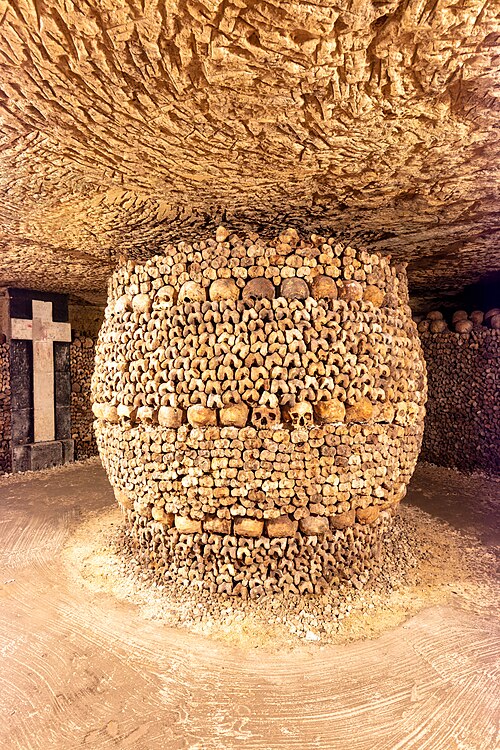
Catacombes de Paris
The Catacombs of Paris hold roughly six million people in a former limestone quarry, moved there because the city's cemeteries had run out of room.

Treat the what it is details as provisional when arranging this stop in Paris. Keep enough flexibility to move the visit within the same area if current conditions differ from the plan.
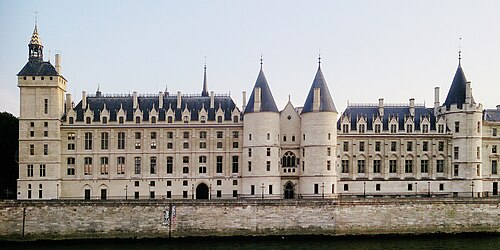
The Conciergerie was a royal palace before it was a prison, and the prison is what everyone remembers.
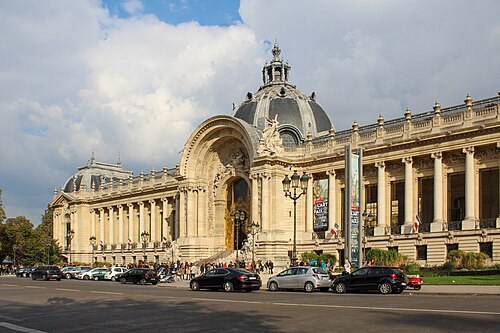
Petit Palais, Musée des beaux-arts de la Ville de Paris
The Petit Palais was built for the 1900 World's Fair as an exhibition hall and has held the City of Paris's fine arts museum ever since.
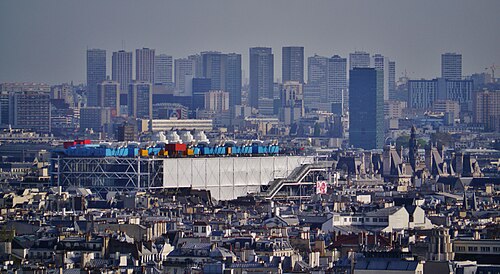
The Centre Pompidou is a building turned inside out, and it is closed until 2030.
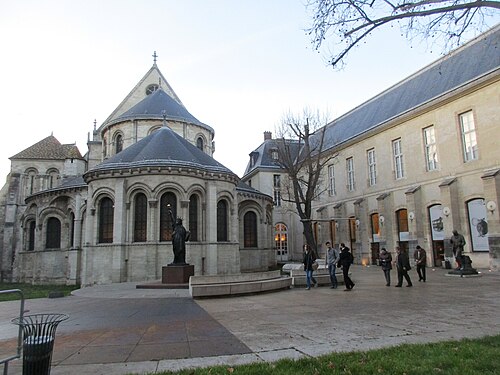
The Musée des Arts et Métiers is Europe's oldest technology museum, founded in 1794 to collect and preserve the machines and instruments of French industry, and it has occupied a former medieval priory ever since.
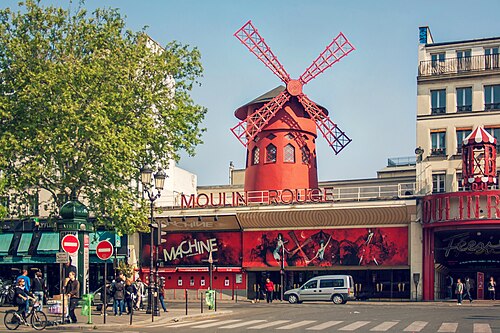
Moulin Rouge is the famous cabaret on Boulevard de Clichy in Pigalle, at the southern foot of Montmartre. Its illuminated red windmill marks a venue closely associated with the French cancan and Parisian nightlife.

Le Bataclan
The Bataclan is a concert hall of 1,694 seats at 50 Boulevard Voltaire, and it is the site of one of the worst attacks in modern French history.
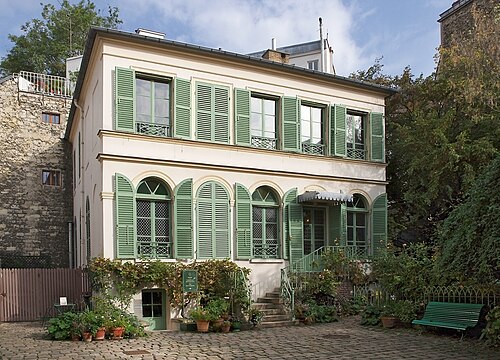
Musée de la Vie Romantique
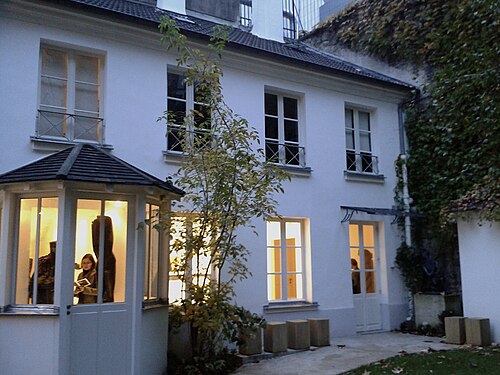
The Musée de la Vie romantique occupies the house and studio of the painter Ary Scheffer, in a district that was the address of Romantic-era Paris rather than a stop added to it later.

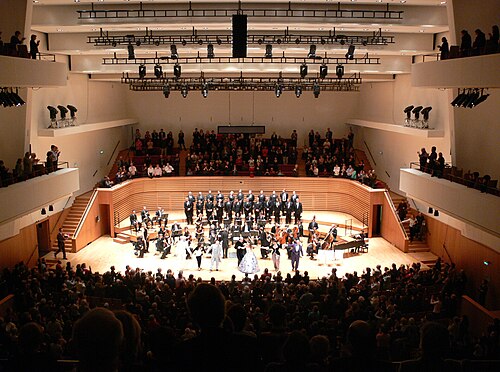
The Philharmonie de Paris is a concert hall clad in a swirl of aluminium panels shaped like birds in flight, built to give the city's main orchestra a home purpose-built for symphonic sound.
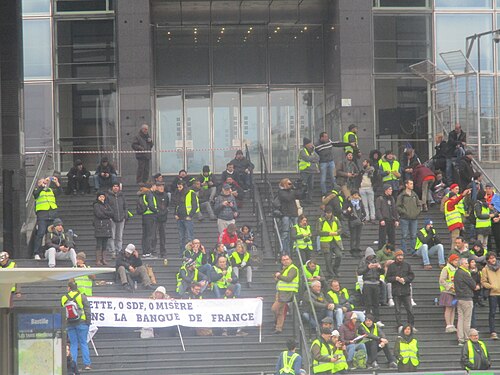
Opéra Bastille opened on 13 July 1989, timed to the bicentenary of the storming of the Bastille prison, on the footprint of the old Bastille railway station at Place de la Bastille.
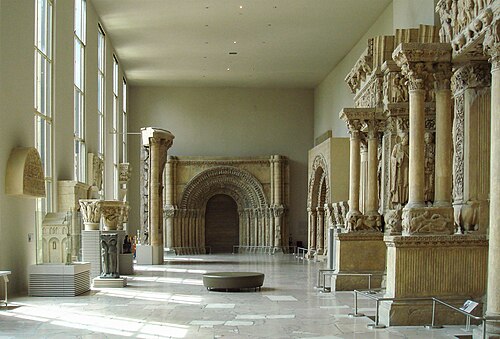
Cité de l'architecture et du patrimoine is a museum of French architecture and heritage in the east wing of the Palais de Chaillot at Trocadéro, opened in its current form in 2007.
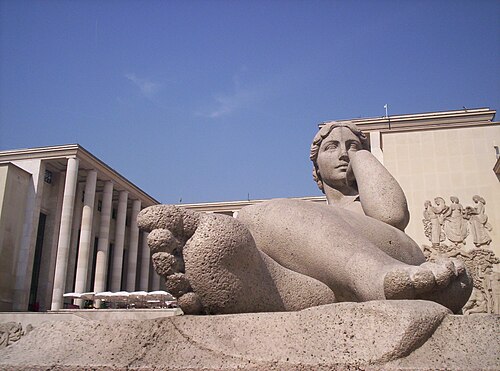
Musée d'Art Moderne de Paris
Musée d'Art Moderne de Paris is the city of Paris's own museum of modern art, occupying the east wing of the Palais de Tokyo on Avenue du Président Wilson.
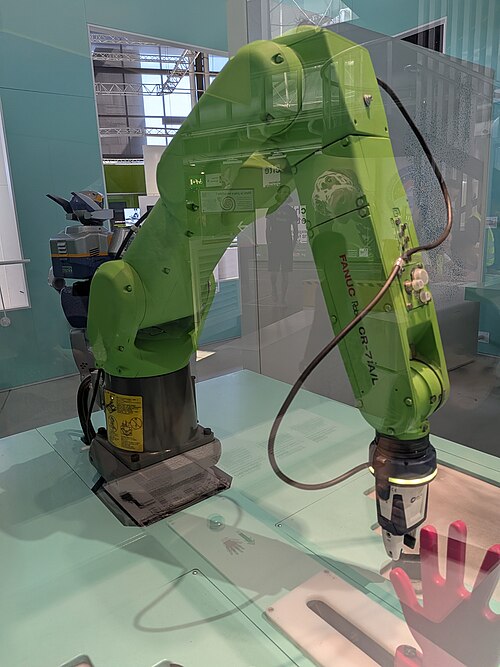
Cité des Sciences et de l'Industrie sits inside Parc de la Villette in the north-east of Paris and opened in 1986 inside the shell of a large, unfinished cattle-market building from the 1960s that was repurposed for the museum rather…

The Musee Rodin occupies the Hotel Biron, an eighteenth-century mansion on Rue de Varenne in the 7th arrondissement that had already passed through use as a convent school before the state let it out cheaply as artists' studios in the…
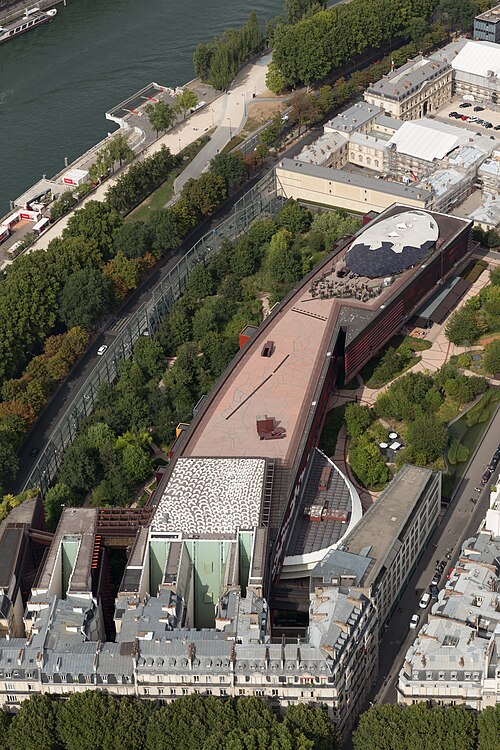
The Musee du quai Branly - Jacques Chirac gathers non-Western art and material culture from Africa, Asia, Oceania and the Americas under one roof, a collection that had previously been split between the ethnographic Musee de l'Homme and the Musee…
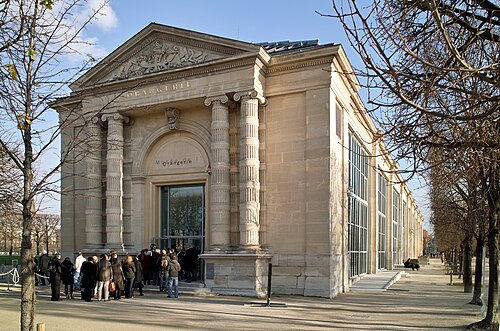
The Musee de l'Orangerie sits at the western end of the Tuileries Garden, in a building put up in 1852 under Napoleon III to overwinter the garden's orange trees, a purely functional greenhouse rather than a building meant to be…
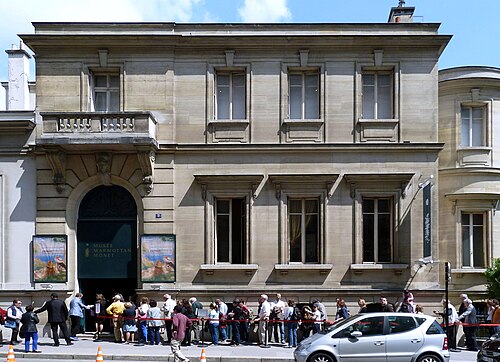
The Musee Marmottan Monet occupies a former hunting lodge built for the Duke of Valmy on the edge of the Bois de Boulogne, bought in the late nineteenth century by the businessman Jules Marmottan and later expanded by his son…
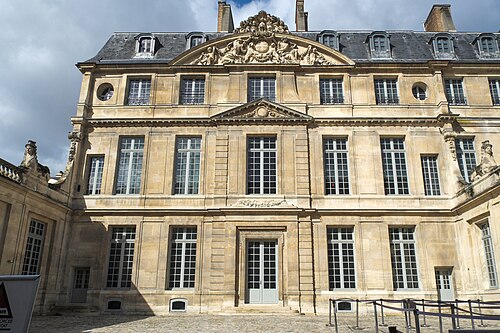
Musée national Picasso-Paris
The Musee Picasso occupies the Hotel Sale, a seventeenth-century mansion in the Marais built in the 1650s for Pierre Aubert de Fontenay, a salt-tax collector whose unpopular trade gave the building its nickname, sale meaning salted.

Bourse de Commerce
The Bourse de Commerce is a Paris contemporary art museum housed in a historic circular building near Les Halles and the Louvre district.
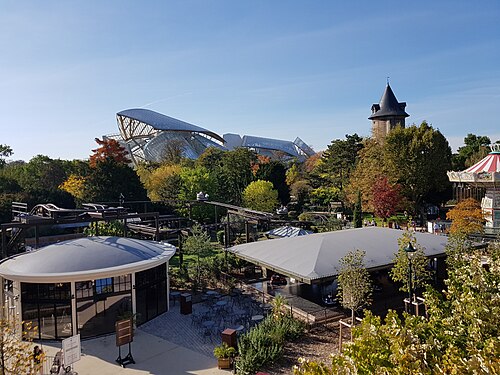
Fondation Louis Vuitton
The Fondation Louis Vuitton is a contemporary art museum in the Bois de Boulogne, commissioned by Bernard Arnault, chairman of the luxury group LVMH, and designed by the American architect Frank Gehry.

Musée Grévin is a wax museum on Boulevard Montmartre, opened in 1882.

Jeu de Paume
The Jeu de Paume is a photography and moving-image gallery in the Tuileries Garden's north-west corner, in a building constructed in 1861 as a court for jeu de paume, the indoor precursor of tennis played by Napoleon III's court.
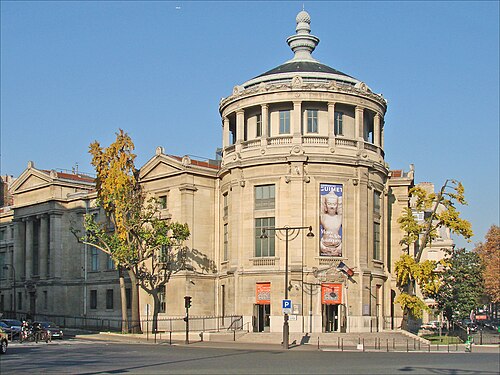
Musée Guimet
The Musee national des Arts asiatiques - Guimet holds the largest collection of Asian art outside Asia itself, spanning Afghanistan, Pakistan, India, Nepal, Tibet, China, Korea, Japan and Southeast Asia in one national museum.
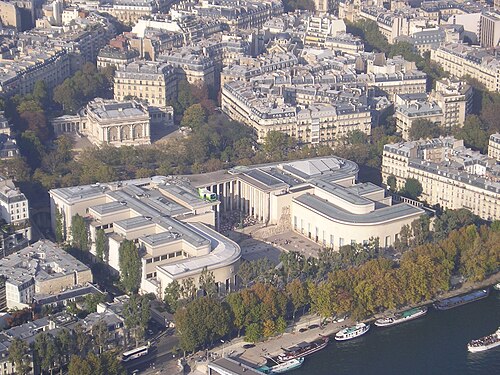
The Palais de Tokyo is Paris's largest centre for contemporary art, occupying the eastern wing of a building raised for the 1937 International Exposition by architects Jean-Claude Dondel, Andre Aubert, Paul Viard and Marcel Dastugue.
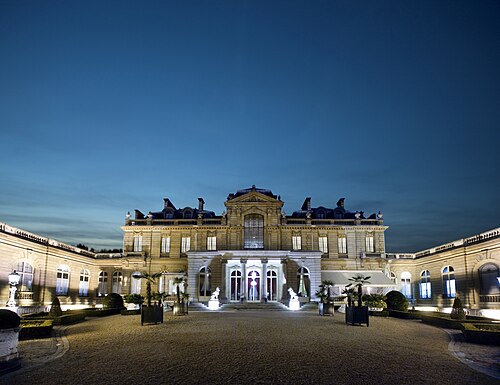
Musée Jacquemart-André is a Paris museum housed in the former private mansion of Édouard André and Nélie Jacquemart.
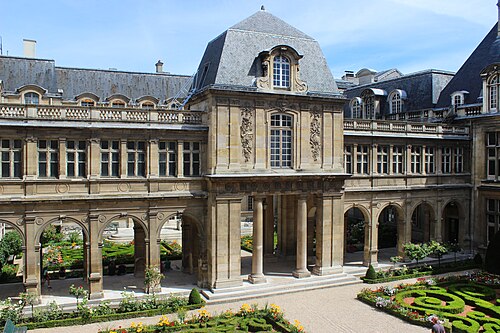
Musee Carnavalet is the museum of the history of Paris, occupying two adjoining Marais mansions: the Hotel Carnavalet, built in the 16th century and remodelled by Francois Mansart in 1655, and the neighbouring Hotel Le Peletier de Saint-Fargeau.
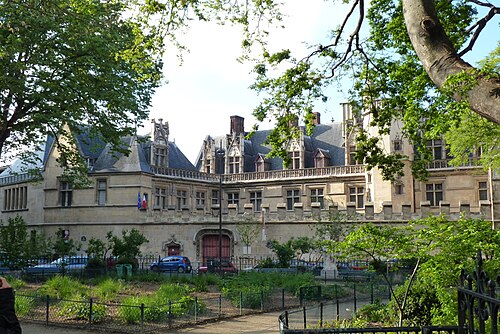
Musée de Cluny, formally the Musée national du Moyen Âge, brings together Roman archaeology, a late-medieval residence and medieval art in one compact Latin Quarter site.
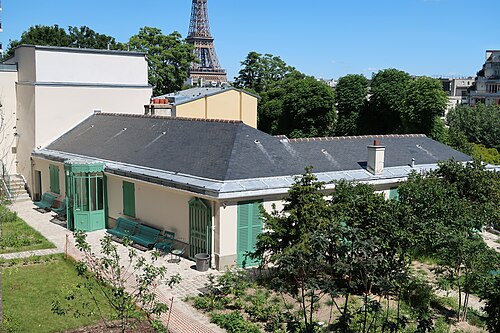
Maison de Balzac is the house where the novelist Honore de Balzac lived from 1840 to 1847, on rue Raynouard in what was then the village of Passy and is now the 16th arrondissement of Paris.
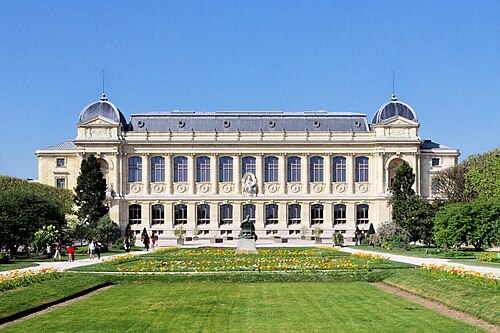
The Museum national d'histoire naturelle is France's national natural history museum, founded in 1793 out of the royal Jardin du Roi, and it occupies several linked sites across the Jardin des Plantes in the 5th arrondissement.
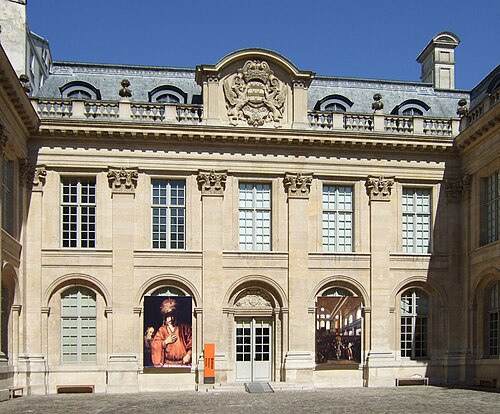
The Musee d'art et d'histoire du Judaisme, known as the MAHJ, is France's museum of Jewish art and history, opened in 1998 in the Hotel de Saint-Aignan, a 17th-century mansion in the Marais, 3rd arrondissement.
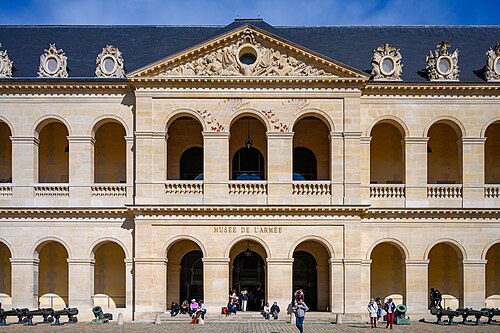
The Musee de l'Armee is France's national army museum, occupying wings of the Hotel des Invalides in the 7th arrondissement, the complex Louis XIV built in the 1670s as a hospital and retirement home for wounded soldiers.
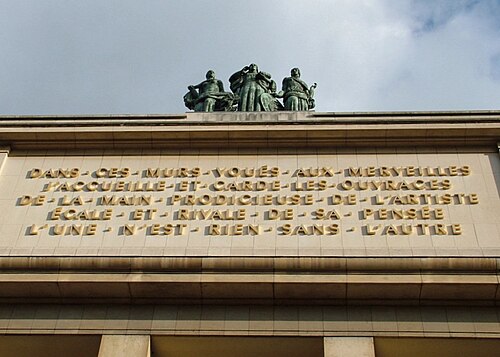
The Musee de l'Homme is France's national anthropology museum, and it studies one subject only: what makes a human being, told through evolution, biological diversity and culture rather than through any single region or period.
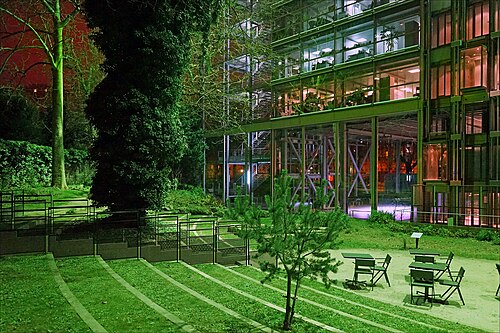
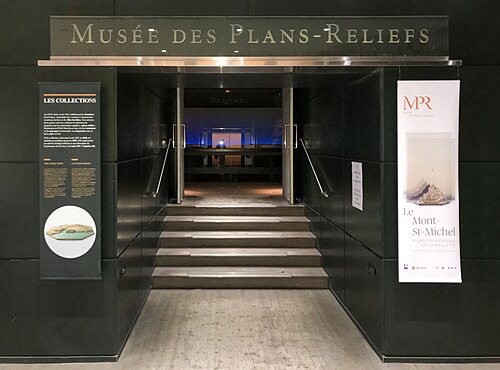
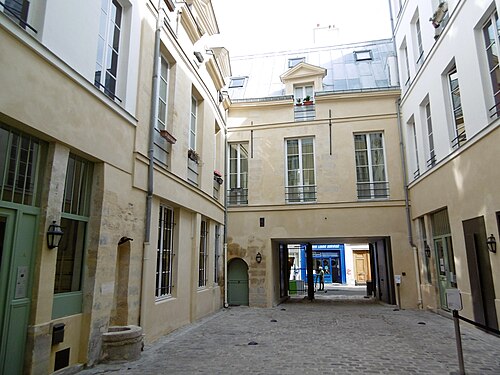
Fondation Henri Cartier-Bresson
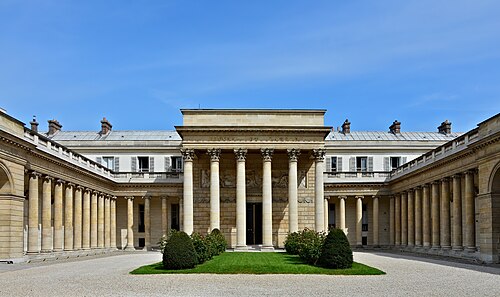
Musée de la Légion d'Honneur et des Ordres de Chevalerie
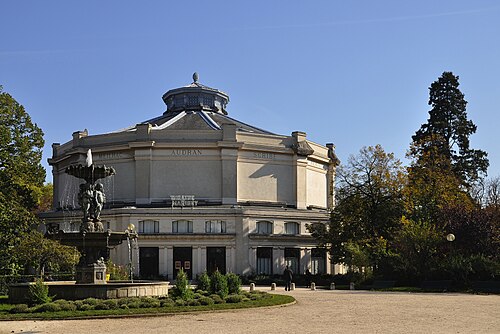
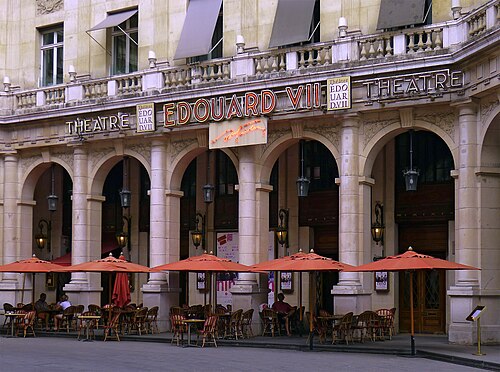

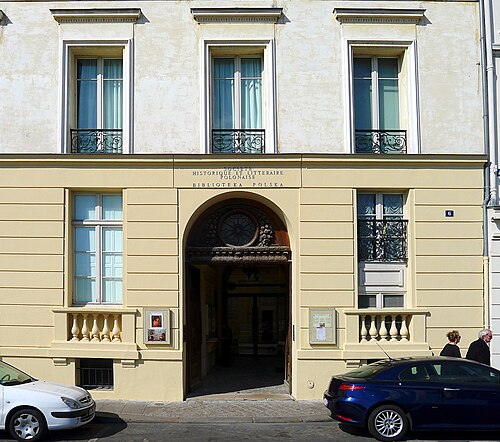
Musée Bolesław Biegas is an exhibition devoted to the Polish sculptor, painter, playwright and essayist Bolesław Biegas, who lived from 1877 to 1954.
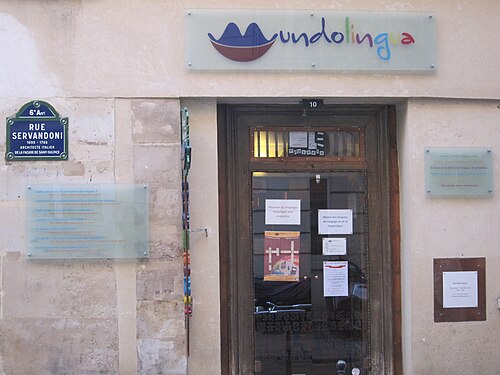

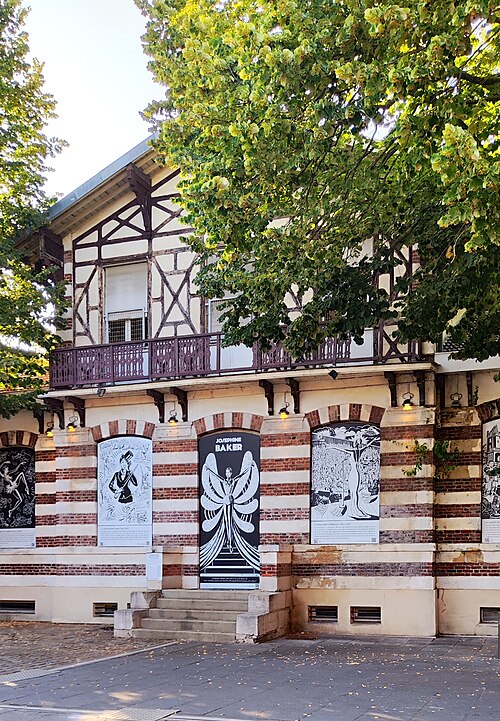
Le Hall de la Chanson
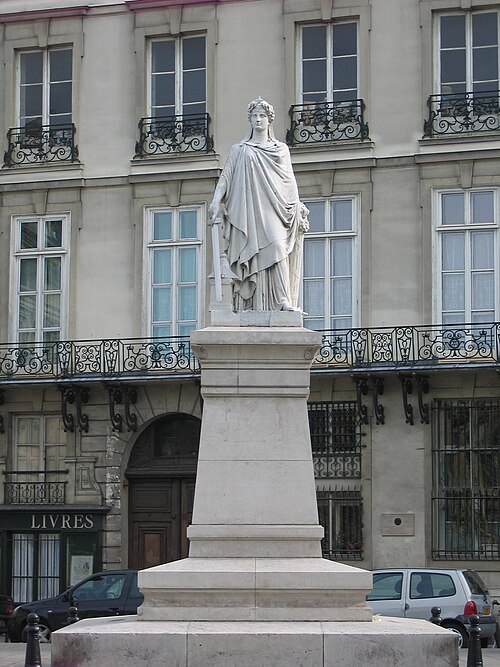
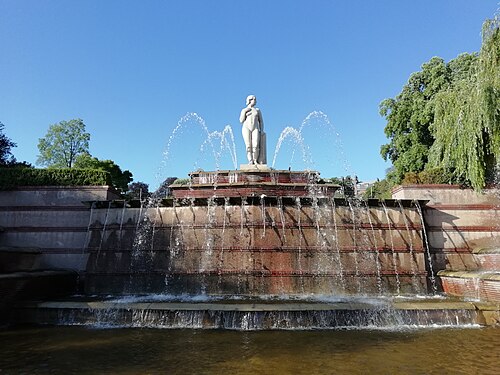
Ève
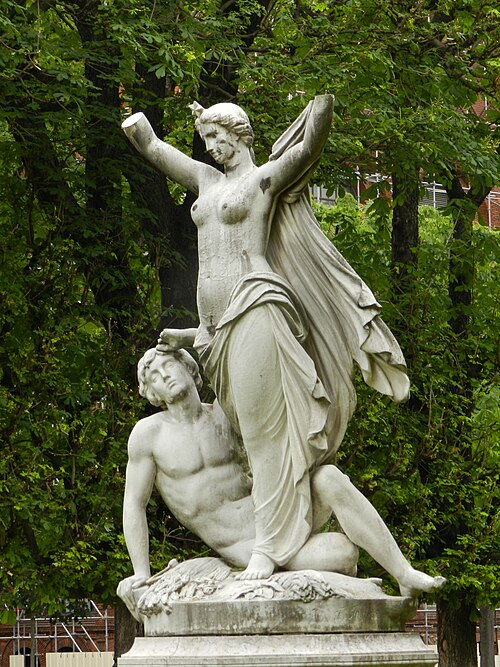
L'Aurore
Source: OpenStreetMap contributors, Wikidata ·
District boundaries come from OSM administrative relations, so a district page holds exactly the places inside it — plus, for the islands and the coast, the nearest district by proximity.
The arrondissements spiral clockwise from the centre: the 1st sits at the Louvre and the Île de la Cité, and the numbers wind outward to the 20th. Learning that shape is the single most useful thing a first-time visitor can do, because every address in the city carries its arrondissement and the number tells you roughly where you are.
The Right Bank — north of the Seine — is the 1st through 4th at the centre, then the grand avenues of the 8th and 16th to the west and Montmartre in the 18th to the north. The Louvre, the Champs-Élysées, the Opéra and Sacré-Cœur are all Right Bank.
The Left Bank — south — is the 5th, 6th and 7th: the Latin Quarter, Saint-Germain, the Panthéon, the Musée d'Orsay and the Eiffel Tower. It is the older-feeling half and the one with the bookshops.
The Périphérique, completed in 1973, rings the whole of it. Inside is Paris; outside is the metropolitan area of 13,320,752 people across 18,940.7 km², which is a different thing.
Checked 2026-08-23
The Métro, and then walking. Paris is small enough that the two together cover everything.
The Métro opened on 19 July 1900 during the World's Fair and now runs 16 lines — numbered 1 to 14 plus 3bis and 7bis — across 321 stations, 61 of which are interchanges. Stations sit 548 m apart on average, which is why a Métro journey of two stops is usually a walk. It carries 1.523 billion passengers a year, 4.17 million a day.
The RER extends further out into the suburbs and is what takes you to the airports and to Versailles. Châtelet–Les Halles, where five Métro lines meet three RER lines, is the largest interchange and the one to avoid at rush hour.
Single tickets and multi-use passes are both sold, and the Navigo Easy card is the contactless option.
Checked 2026-08-23
Four to five. Three days covers the central monuments — the Louvre, Notre-Dame, the Eiffel Tower, the Champs-Élysées — at a pace that is not punishing. A fourth adds a proper museum day, and a fifth adds Montmartre or a day out at Versailles.
They spiral clockwise from the centre. The 1st is at the Louvre and the Île de la Cité and the numbers wind outward to the 20th. Every Paris address carries its arrondissement, so the number tells you roughly where something is.
The Seine. The Right Bank to the north holds the commerce and the great institutions — the Louvre, the Champs-Élysées, the Opéra, Montmartre. The Left Bank to the south holds the universities, the Latin Quarter, the Panthéon, the Musée d'Orsay and the Eiffel Tower.
For anything over a kilometre, yes. It opened on 19 July 1900 and runs 16 lines across 321 stations, with stations 548 m apart on average — which means a two-stop journey is usually faster on foot.
April to June and September to October. August is when Parisians leave and tourists arrive, which is the worst of both — shuttered restaurants and full museums.
The city proper is 105.4 km² with 2,047,602 people, ringed by the Périphérique completed in 1973. The metropolitan area outside it holds 13,320,752 people across 18,940.7 km².