avenue des Champs-Élysées
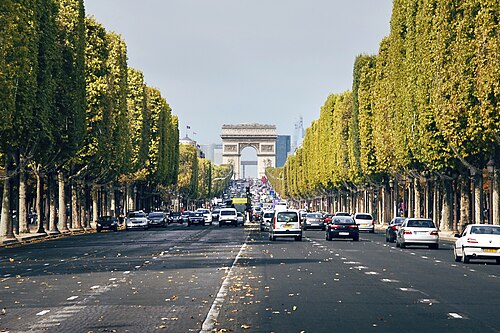
Champs Élysées
The Champs-Élysées is 1.91 km long, 70 m wide, and it is a garden path that became a shopping street. André Le Nôtre laid it out in 1667 as an extension of the Tuileries.
- Must see
- Historic monument
Language · 11 published
District guide · Paris
The 8th arrondissement forms part of central Paris, characterized by grand historical monuments and cultural institutions. The Champs Élysées and Place de la Concorde anchor the district, while the Grand Palais and Petit Palais house significant art collections. The arrondissement provides substantial interest through its concentration of museums, theatres, and architectural landmarks spanning centuries.
Editorial responsibility: Elena Voss · Roavina Travel Editor
Set your days, your pace and the hours you actually want to be out. The planner works around closing days and travel time, and leaves room to eat.
Ranked by importance — sitelinks, pageviews and heritage status, not editor preference.
26 places match
Category
Typical visit duration
Interests
Champs Élysées
The Champs-Élysées is 1.91 km long, 70 m wide, and it is a garden path that became a shopping street. André Le Nôtre laid it out in 1667 as an extension of the Tuileries.
Place de la Concorde
The Place de la Concorde is a 7.6-hectare traffic island that was once the busiest execution ground in Europe. It is the largest public square in Paris.
Treat the what it is details as provisional when arranging this stop in Paris. Keep enough flexibility to move the visit within the same area if current conditions differ from the plan.
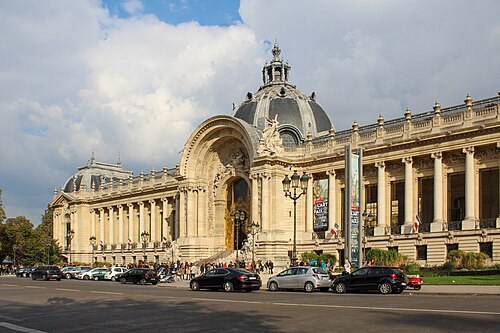
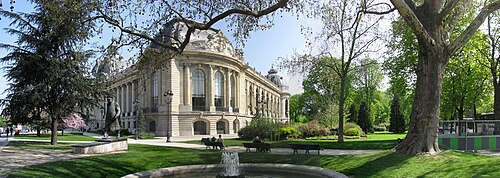
Petit Palais, Musée des beaux-arts de la Ville de Paris
The Petit Palais was built for the 1900 World's Fair as an exhibition hall and has held the City of Paris's fine arts museum ever since.
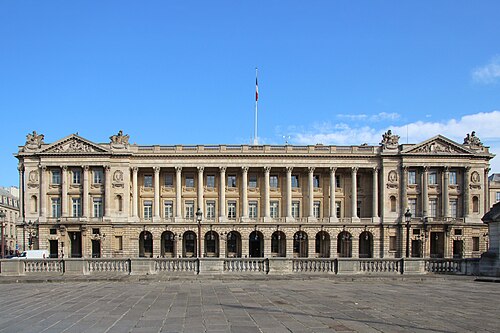
Hôtel de la Marine is a paid-ticket monument on Place de la Concorde, one of a matching pair of colonnaded palaces — its twin across the square today houses the Hôtel de Crillon — built between 1758 and 1774 to…
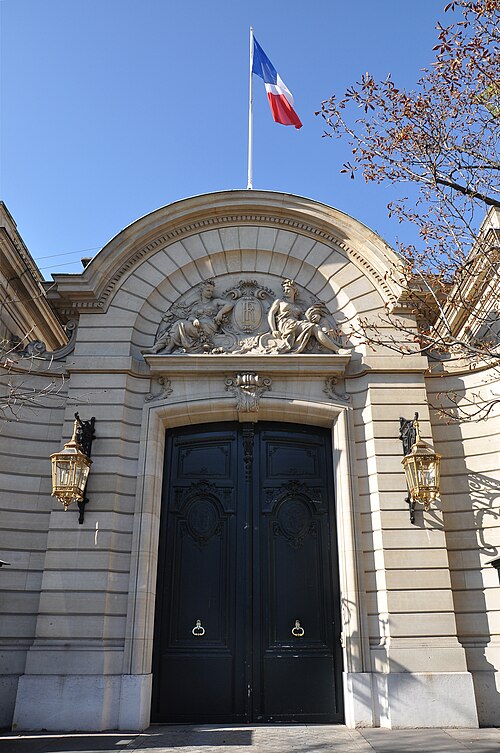
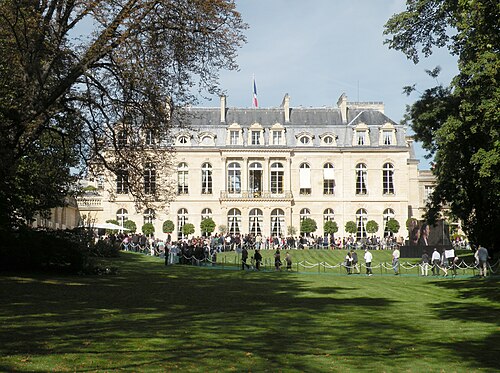
Palais de l'Élysée
The Élysée Palace is where the President of France lives and works, and it is closed to visitors for all but one weekend a year.
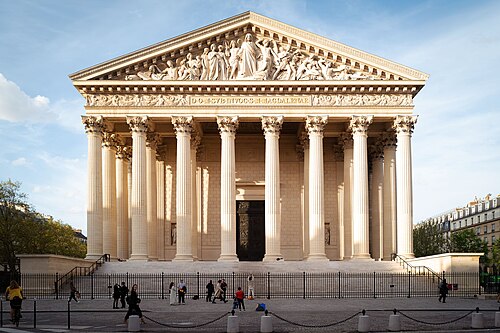
Église de la Madeleine
La Madeleine is a Greek temple in the middle of Paris, and it took seventy-nine years and several changes of mind to finish.
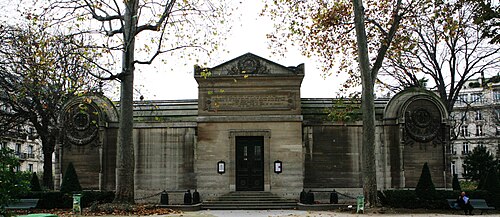
The Chapelle expiatoire is a neoclassical funerary chapel built between 1815 and 1826 on the site of the former Madeleine cemetery, where the guillotined bodies of Louis XVI and Marie Antoinette were buried in unmarked graves covered with quicklime in…
Tombe du Soldat inconnu
The Tomb of the Unknown Soldier is a flat paving stone beneath the Arc de Triomphe, at the centre of Place Charles de Gaulle, marking the grave of an unidentified French soldier from the First World War.
Obélisque de Louxor
The Luxor Obelisk stands at the centre of Place de la Concorde, a 3,300-year-old pink granite obelisk that once stood at the entrance to Luxor Temple in Egypt, one of a matching pair carved in the reign of Ramesses II.
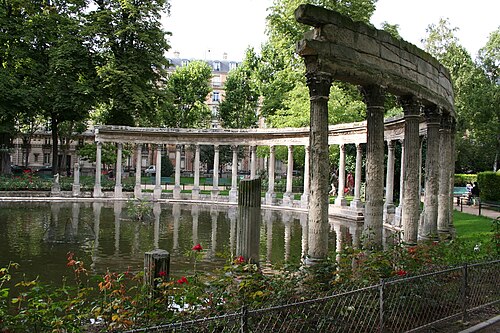
Parc Monceau
Parc Monceau began in 1769 as a private pleasure garden for Philippe d'Orleans, Duke of Chartres, laid out by the writer and painter Louis Carrogis, known as Carmontelle, in the English landscape style then fashionable as a counterpoint to the…
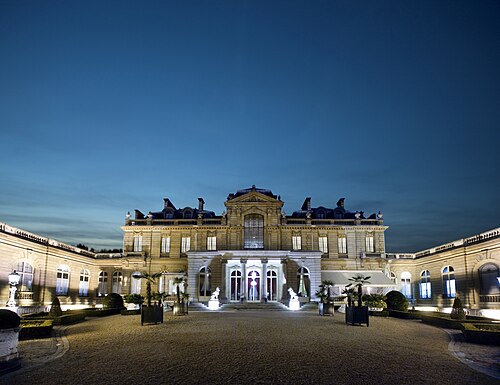
Musée Jacquemart-André is a Paris museum housed in the former private mansion of Édouard André and Nélie Jacquemart.
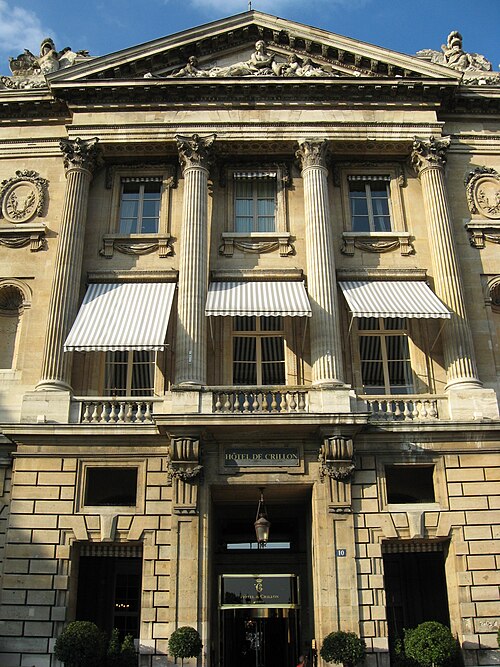
Hotel de Crillon opened as a hotel in 1909, but the building itself is a 1758 royal commission: Louis XV had Ange-Jacques Gabriel build two identical stone palaces flanking the Rue Royale on the new Place de la Concorde, and…
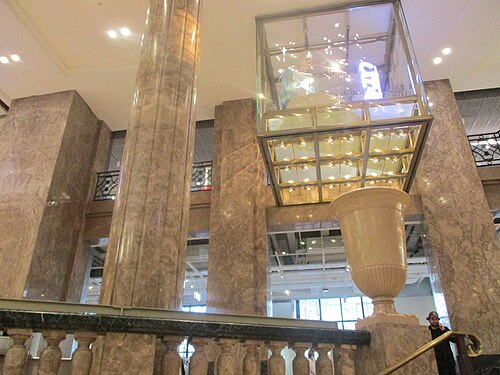
Galeries Lafayette
This is the group's newest flagship, not the domed department store on Boulevard Haussmann most visitors picture at the name Galeries Lafayette.
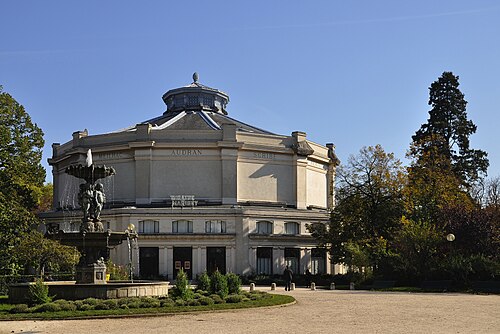
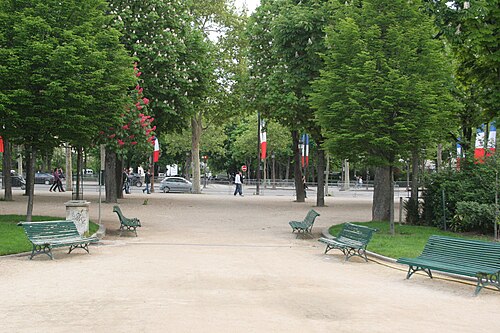
Jardins des Champs-Élysées
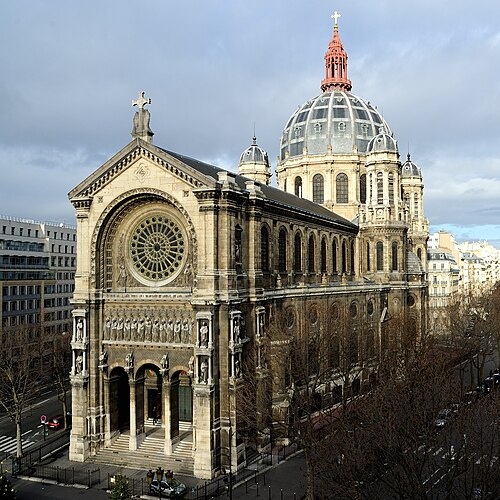
Église Saint-Augustin
Carré Marigny
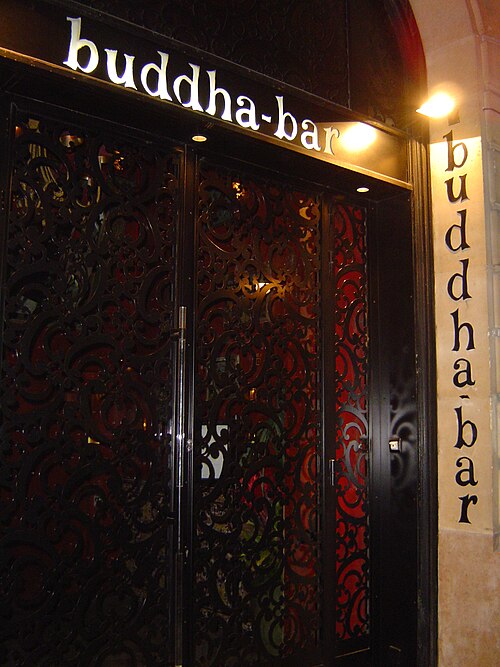
Buddha-Bar Paris
Jardin du Palais de l'Élysée
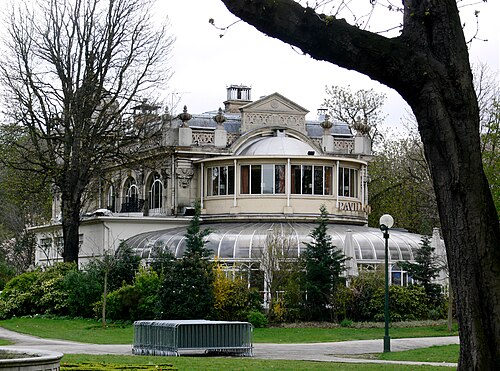
Pavillon Élysée Lenôtre
Source: OpenStreetMap contributors, Wikidata ·