
39 min walk
Λευκή
- Notable
- Art and culture venue
Language · 11 published
Place of worship · Athens
Reviewed by Elena Voss · Roavina Travel Editor
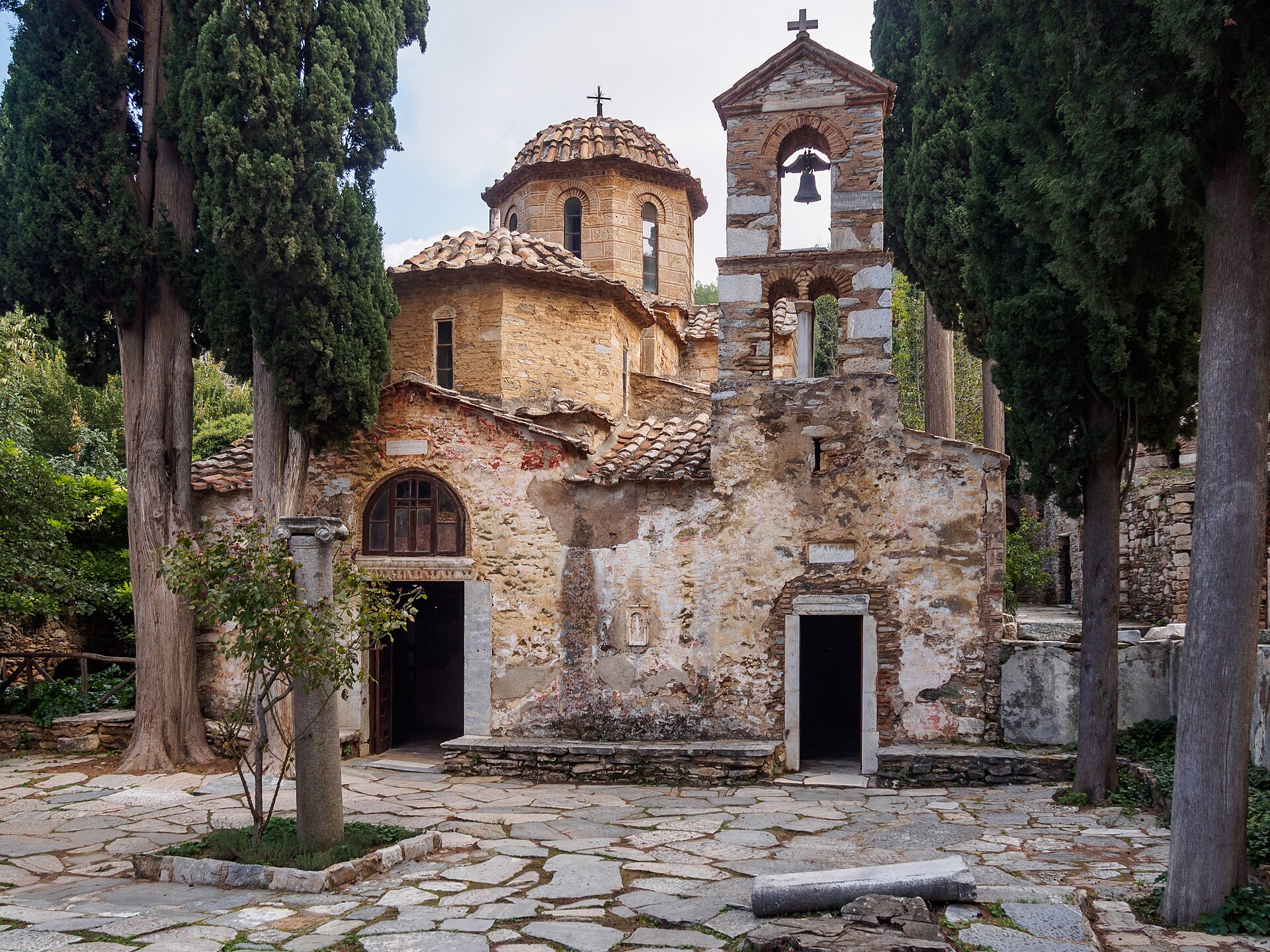
It was built in the Byzantine architecture style. It carries the archaeological site in Greece heritage designation.
Kaisariani Monastery is a Byzantine-era monastery on the wooded slopes of Mount Hymettus, east of central Athens. It combines a historic Orthodox religious complex with a peaceful mountain setting, making it a rewarding change from the city's archaeological centre. The surrounding forest, elevation and natural resources have shaped the site's character for centuries. Visit for architecture, religious heritage and the contrast between quiet woodland and the busy Attica basin below. Kaisariani Monastery is a Byzantine-era monastery located on the slopes of Mount Hymettus, east of central Athens. The site occupies a position within a forested area that has historically provided natural resources including water and botanical materials. The monastery complex represents a significant example of religious architecture in the Attica region. Its construction reflects patterns of monastic settlement typical of the Byzantine period in Greece. The surrounding landscape of Mount Hymettus contributes to the setting, with terrain characteristics that have shaped visitor access and the historical use of the location.
Checked 2026-08-26 · Source
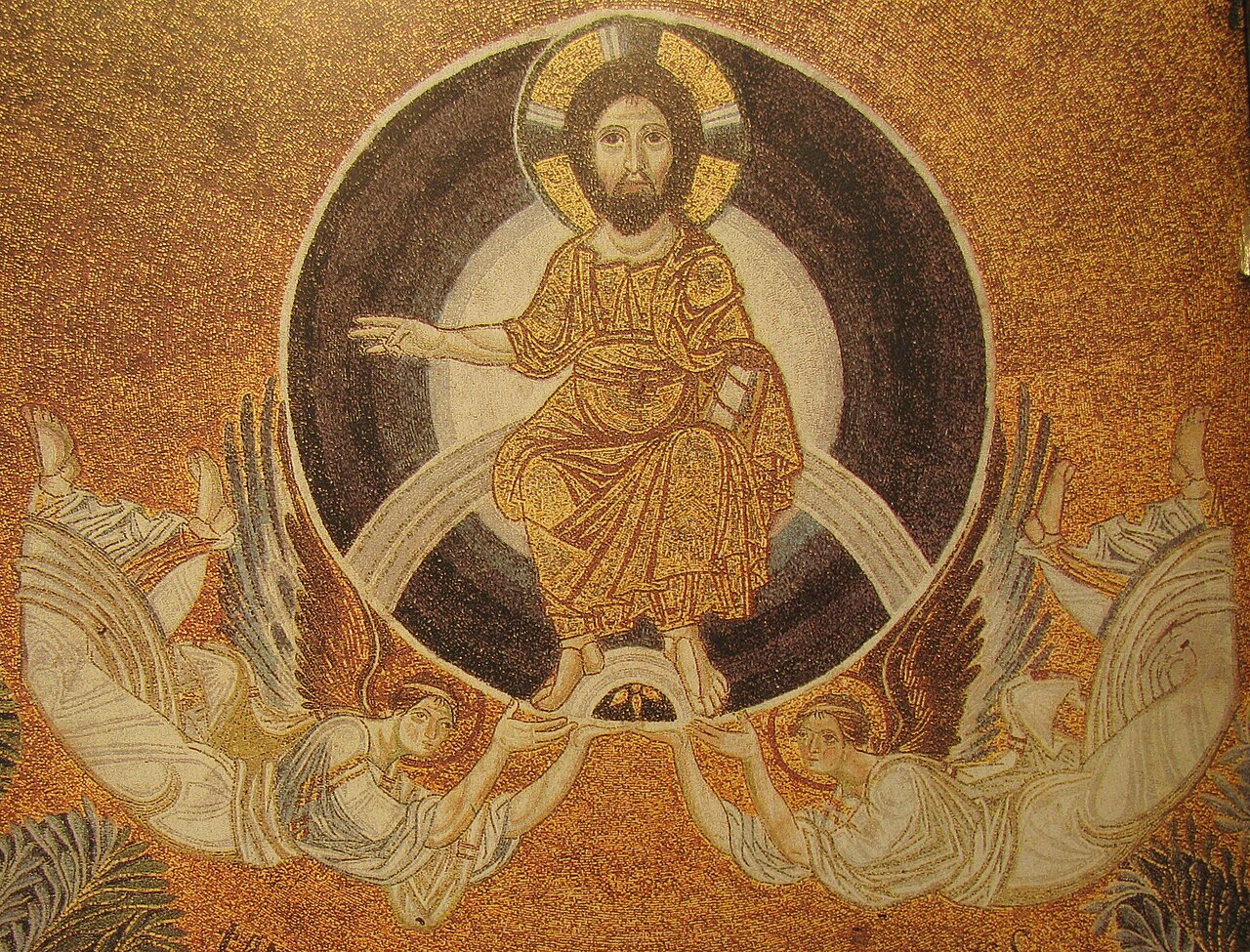
The complex brings together a Byzantine church, courtyard spaces and monastic buildings arranged around a traditional religious foundation. Decorative elements and wall paintings are part of the site's artistic interest, while the layout helps visitors understand how worship and monastic life shared the same enclosure. Take time to look at the relationship between the church, surrounding buildings and mountain landscape. Access to individual interiors can vary, so remain within areas open to visitors. The monastery contains architectural and artistic elements consistent with Byzantine religious buildings. These include church structures with decorative programs, courtyard spaces, and monastic living quarters arranged according to traditional patterns. The complex layout follows organizational principles common to Orthodox monastic foundations. Visitors should examine available on-site information or seek guidance from attending personnel regarding which interior spaces are accessible, as configurations may vary and not all areas may be open to public entry at any given time.
Checked 2026-08-26 · Source
Allow enough time to see the exterior, enter the visitor-accessible interior spaces and absorb the woodland setting without rushing. A focused architectural visit can be brief, while visitors interested in Byzantine religious art may want a slower circuit around the complex. The Mount Hymettus surroundings can extend the outing beyond the monastery itself. Treat this as a calm cultural stop rather than a quick landmark photograph, especially if you enjoy quiet historic places.
Checked 2026-08-26 · Source
The monastery's position on Mount Hymettus gives the visit a cooler, greener setting than central Athens, while weather can change with elevation. Choose daylight hours that suit both the historic complex and the surrounding forest. Dry, comfortable conditions make the outdoor approach more pleasant; warmer periods call for protection from the sun. The site has a religious character, so plan a quiet visit and leave enough flexibility for worship or other activity within the complex.
Checked 2026-08-26 · Source
Plan the visit around the monastery's cultural and spiritual value rather than a paid attraction format. Keep your itinerary flexible because access to parts of a functioning religious complex can differ from access at a conventional museum. Respect any local arrangements at the entrance and avoid treating worship spaces as ordinary exhibition rooms.
Checked 2026-08-26 · Source
Reach Kaisariani Monastery by travelling east from central Athens towards Mount Hymettus. The final approach leaves the dense urban environment and enters a higher, forested setting. A private vehicle or taxi provides the most direct journey; public-transport users need to plan the connection and final approach carefully. Expect mountain terrain rather than a flat city walk. Build return time into the outing, particularly when combining the monastery with central Athens sightseeing.
Checked 2026-08-26 · Source
Mount Hymettus brings uneven ground, slopes and outdoor conditions that differ from central Athens streets. Wear secure footwear and take care on the approach, courtyard surfaces and any steps. The monastery is a sacred Orthodox place, so choose respectful clothing, keep conversation subdued and follow local directions. Avoid blocking entrances or disturbing worship. The forest setting also rewards carrying water and allowing extra time for a comfortable return, especially during warm weather.
Checked 2026-08-26 · Source
Photograph the monastery as part of its setting: Byzantine architecture framed by Mount Hymettus woodland creates a more atmospheric subject than an isolated façade. Exterior details, courtyard geometry and the contrast between stonework and vegetation offer varied compositions. Inside religious spaces, put reverence before photography and follow any local direction. Keep equipment discreet, do not photograph worshippers or resident clergy without permission, and avoid letting a camera interrupt the quiet character of the complex.
Checked 2026-08-26 · Source
It is a Byzantine-era monastery on the wooded slopes of Mount Hymettus, east of central Athens, combining religious architecture with a forested mountain setting.
The monastery stands on Mount Hymettus, east of Athens city centre, in a forested area above the urban landscape.
Visitors can explore the historic monastery complex, including its church, courtyard spaces, monastic buildings and religious decorative elements where access is available.
It offers Byzantine religious heritage in a peaceful wooded setting, giving an Athens itinerary a cultural stop away from the dense historic centre.
Choose respectful clothing suitable for an Orthodox religious site, keep your behaviour quiet and follow directions concerning worship spaces and visitor areas.
It is east of central Athens on Mount Hymettus, so the journey leaves the urban core and reaches a higher, forested landscape.
Loading the interactive map…
The interactive map could not be loaded.
Last updated:
Source: OpenStreetMap contributors, Wikidata ·