
2 min walk
Ancient Agora of Athens
- Must see · Heritage site
- Historic monument

Place of worship · Athens
Άγιοι Απόστολοι
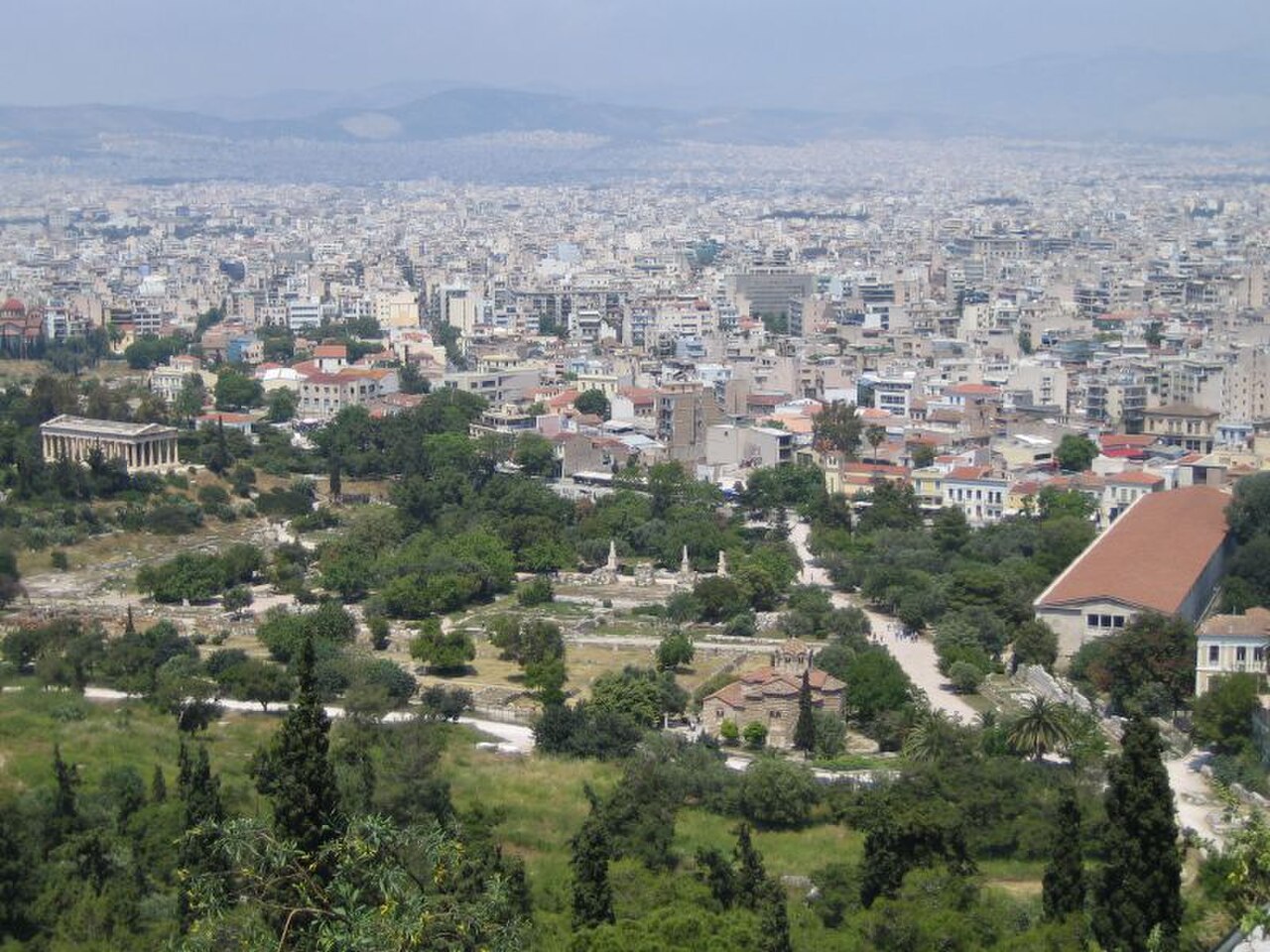
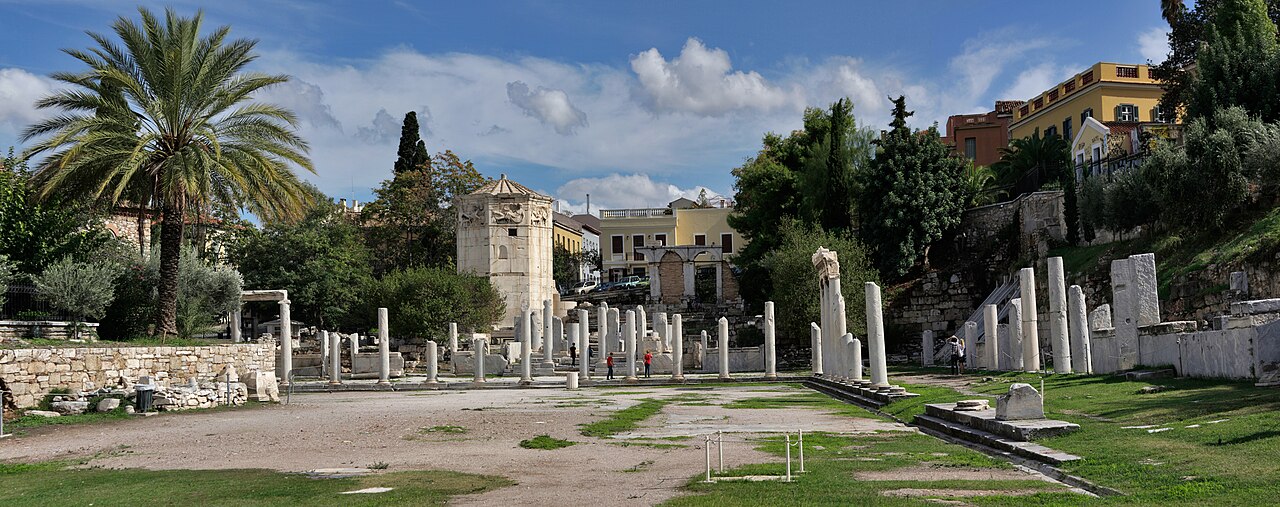
The Church of the Holy Apostles is a Byzantine-era church within Athens’s Ancient Agora archaeological site. Dating from the late tenth century, it is an important example of Middle Byzantine architecture and a reminder that the city’s history extends far beyond classical Greece. Its survival within the Agora creates a layered visit: ancient civic life surrounds a medieval place of worship, allowing travelers to read several periods of Athens in one archaeological landscape. The Church of the Holy Apostles is a Byzantine-era church located in Athens, Greece. It stands within the Ancient Agora archaeological site, one of the most significant historical areas of the Greek capital. The church dates to the late 10th century and represents an important example of Middle Byzantine architecture in Athens. Its construction coincided with a period of renewed building activity in the city following centuries of decline. The church served the religious needs of the local community during the Byzantine period and later. The church has historical origins as a place of worship.
Checked 2026-08-26 · Source
The church follows the cross-in-square plan associated with Middle Byzantine design. Its dome, supporting structures, masonry, and compact interior show how the building organized both architecture and worship. Even a brief look rewards attention to the relationship between the central space and its surrounding supports. The church’s scale contrasts with the open archaeological grounds outside, making the interior feel concentrated and atmospheric. Read it as part of the Agora rather than as an isolated building detached from the site around it.
Checked 2026-08-26 · Source
Allow roughly fifteen to thirty minutes for the Church of the Holy Apostles itself. That is enough to observe the exterior, enter the compact interior, and appreciate its Byzantine plan and surviving structure. The church belongs inside a longer Ancient Agora visit, which generally takes one to two hours when the wider remains are included. Move slowly enough to notice the contrast between the church’s enclosed form and the open archaeological landscape surrounding it.
Checked 2026-08-26 · Source
Visit the church as part of your Ancient Agora route, choosing a period when you can walk the archaeological grounds comfortably. Spring and autumn are especially pleasant seasons for combining the church with outdoor ruins and historic neighborhoods. Summer sun can make the open site feel intense, so water, a hat, and a slower pace help. The church may feel most memorable when you alternate between the shaded, compact interior and the broad historical setting of the Agora.
Checked 2026-08-26 · Source
The Church of the Holy Apostles stands inside the Ancient Agora archaeological site, so include it in an Agora visit rather than planning it as a separate street-side monument. Your archaeological-site admission is the relevant part of the experience. This arrangement is useful for travelers building a history-focused day because one entry connects the church with the Agora’s other remains. Plan enough time to explore the wider site after seeing the church instead of leaving immediately after the interior.
Checked 2026-08-26 · Source
The church is in the Ancient Agora, northwest of the Acropolis in Athens’s historic center. Walking from Monastiraki or other central locations is practical for many visitors and turns the approach into part of the archaeological day. Metro, buses, and trolley services serve the surrounding central area. Enter through the Agora’s designated access points and follow the site layout toward the church. The historic district rewards walking, but comfortable footwear matters on archaeological ground and uneven paths.
Checked 2026-08-26 · Source
The Ancient Agora includes uneven surfaces, ancient stones, and open ground, so wear stable shoes and take care on the approach to the church. Summer exposure can be strong; carry water and protect yourself from the sun. Treat the building as a historic place of worship and follow the atmosphere of the site quietly. The church can have limited interior access during conservation work or religious use, while the wider Agora remains an essential part of the visit.
Checked 2026-08-26 · Source
The church is particularly photogenic in context: frame its Byzantine form against the Ancient Agora and the surrounding archaeological landscape. Exterior views help communicate the unusual layering of medieval and classical Athens. Inside, the compact dimensions and limited light reward patience rather than elaborate equipment. Photograph quietly and give priority to worship, conservation, and other visitors. A sequence of wide views outside and close architectural details inside can record the visit without reducing the church to a single façade.
Checked 2026-08-26 · Source
It is inside the Ancient Agora archaeological site in Athens, northwest of the Acropolis.
The church dates from the late tenth century and is an example of Middle Byzantine architecture.
Allow about fifteen to thirty minutes for the church, then continue through the wider Ancient Agora site.
No. The church is located within the Ancient Agora archaeological site and belongs to that site visit.
Look for the cross-in-square plan, dome, supporting structures, and masonry characteristic of Middle Byzantine design.
Wear comfortable shoes for uneven archaeological ground and carry water and sun protection for the open Agora site.
Loading the interactive map…
The interactive map could not be loaded.
Last updated:
Source: OpenStreetMap contributors, Wikidata ·