
5 min walk
National Gallery - Alexandros Soutsos Museum
- Must see
- Museum
Language · 11 published
Place of worship · Athens
Ιερά Μονή Ασωμάτων - Πετράκη
Reviewed by Elena Voss · Roavina Travel Editor
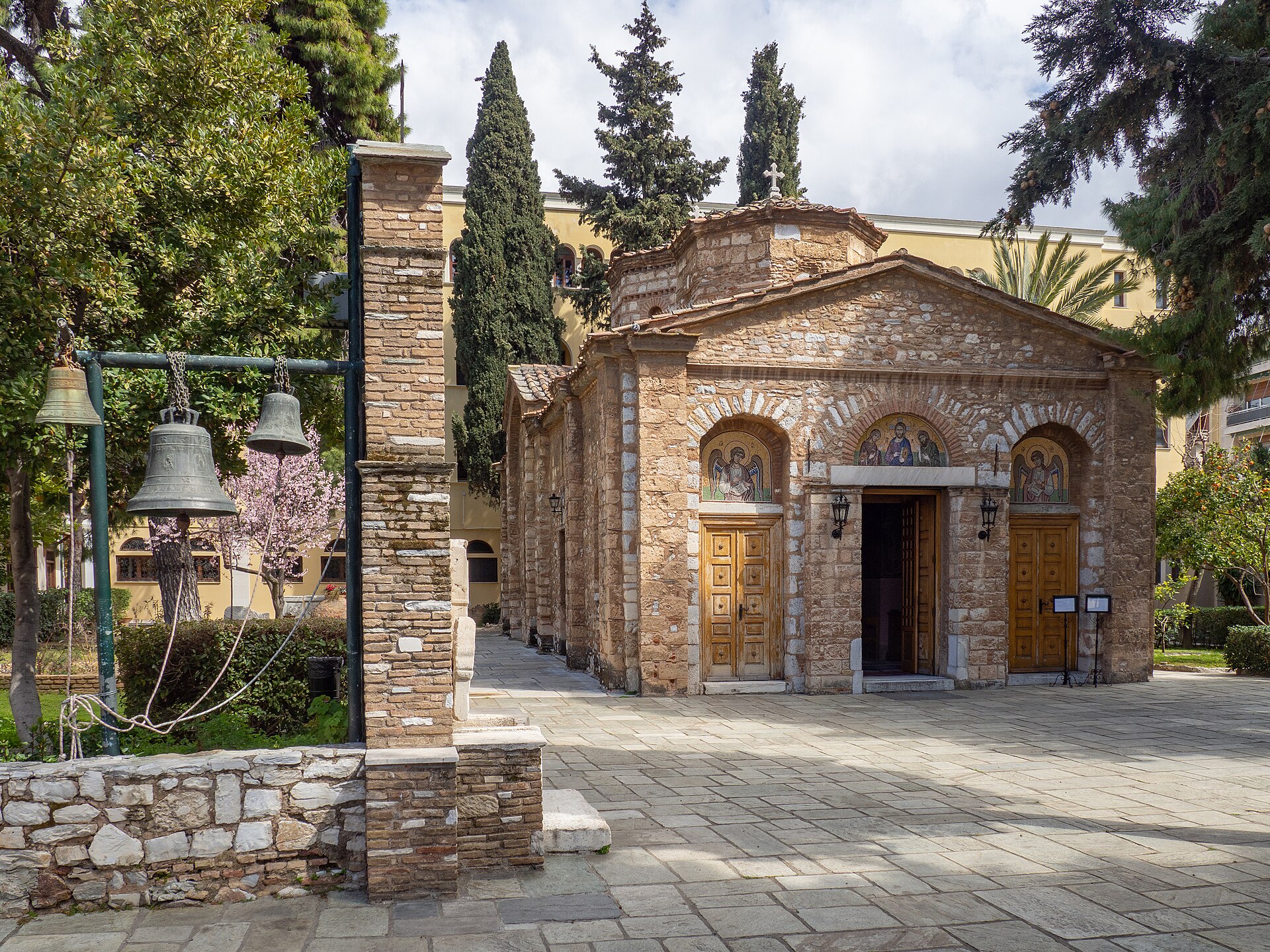
It was built in the Byzantine architecture style.
Petraki Monastery is a working Orthodox religious site in central Athens, offering a quieter encounter with the city’s ecclesiastical life than the Acropolis and its archaeological monuments. Its importance is connected to worship, monastic tradition, and the continuing presence of a religious community. Visitors should treat the monastery as a sacred place first and a sightseeing stop second. The setting suits travellers who want to understand Athens beyond classical ruins, museums, and busy commercial streets. A respectful visit rewards patience: the atmosphere, architecture, and devotional character matter more than a long list of tourist exhibits. Contact the monastery directly before visiting.
Checked 2026-08-26 · Source
The monastery’s central experience is its religious environment rather than a museum collection. Visitors may encounter a church or chapel, devotional images, liturgical furnishings, and spaces connected with monastic life, but the site should be read through its spiritual purpose. Interior areas may be limited to worshippers or opened only under particular circumstances. Spend time noticing the relationship between the sacred interior and the urban surroundings of Athens. The value of the visit lies in observing a living institution, not in expecting galleries, labels, theatrical displays, or a purpose-built visitor route.
Checked 2026-08-26 · Source
Allow roughly thirty minutes for a concise visit focused on the exterior, the atmosphere, and any areas open to visitors. Travellers attending worship or spending time in quiet reflection may stay longer, while those encountering the monastery during a neighbourhood walk may need only a short pause. Because this is not a conventional museum, the visit does not need to occupy a large block of an Athens itinerary. Pair it with nearby central districts, churches, cafés, or cultural landmarks, leaving enough flexibility for a calm and unhurried experience.
Checked 2026-08-26 · Source
Choose a time when you can visit quietly and without rushing between major Athens attractions. Religious activity can shape the atmosphere, and access may differ when services or other observances are taking place. Morning or early afternoon works well for combining the monastery with central sightseeing, provided the community’s routines are respected. Avoid treating the location as a guaranteed drop-in attraction during a tightly timed day. Build the stop into a flexible walking route, and be prepared to remain outside if worship or monastic activity takes priority.
Checked 2026-08-26 · Source
Petraki Monastery is a religious destination rather than a conventional ticketed attraction. The visit should be planned around respectful access, not around an exhibition admission system or a timed museum entry. If a contribution is invited, offer it discreetly and within your means. Do not expect the same ticket arrangements found at Athens museums and archaeological sites. Keep your visit simple: observe the setting, follow local guidance, and avoid turning worship into a commercial sightseeing transaction. Any special visit connected with research or organised groups should be arranged in advance.
Checked 2026-08-26 · Source
The monastery is within Athens’ urban area and can be incorporated into a central walking day using the city’s public transport, taxis, or a combination of transit and walking. Use the mapped location as your navigation point, then approach through the surrounding streets rather than expecting a large attraction entrance or visitor forecourt. A taxi is practical when time is limited, while walking gives a better sense of the neighbourhood’s transition between ordinary city life and religious space. Leave room for a short orientation pause before entering.
Checked 2026-08-26 · Source
Wear modest clothing with shoulders and knees covered, and keep voices low near worship areas. Follow signs, staff directions, and the behaviour of people attending for religious reasons. Do not enter closed spaces, interrupt prayer, or treat monks and worshippers as photographic subjects. Interior floors, thresholds, and steps may require care in an older religious building. Plan for a brief, self-contained stop rather than expecting tourist facilities. The most important preparation is an attitude of respect: Petraki Monastery remains part of Athens’ living religious community.
Checked 2026-08-26 · Source
Keep photography restrained and subordinate to the monastery’s religious purpose. Exterior views can record the building’s relationship with the Athens streetscape, but interior photography may be restricted. Ask before using a camera inside, and never photograph worshippers or members of the monastic community without clear permission. Avoid flash, tripods, posed scenes, and any setup that blocks movement or changes the atmosphere. If photography is not welcome, put the camera away and experience the place directly. A quiet visit will leave a stronger impression than a forced image.
Checked 2026-08-26 · Source
It is a working Orthodox religious site in Athens, valued for its monastic and devotional character rather than for a conventional museum display.
Wear modest clothing, speak quietly, follow local directions, and give priority to worshippers and monastic activity.
Around thirty minutes suits a concise visit, with extra time if you are attending worship or spending time in reflection.
Yes. Its urban setting makes it suitable for a flexible central-Athens walking route alongside churches, neighbourhoods, cafés, and cultural landmarks.
No. Its primary role is religious and monastic, so visitors should not expect the galleries, labels, or fixed route of a museum.
Keep photography limited, ask before photographing interiors, and never photograph worshippers or the monastic community without permission.
Loading the interactive map…
The interactive map could not be loaded.
Last updated:
Source: OpenStreetMap contributors, Wikidata ·