


1 min walk
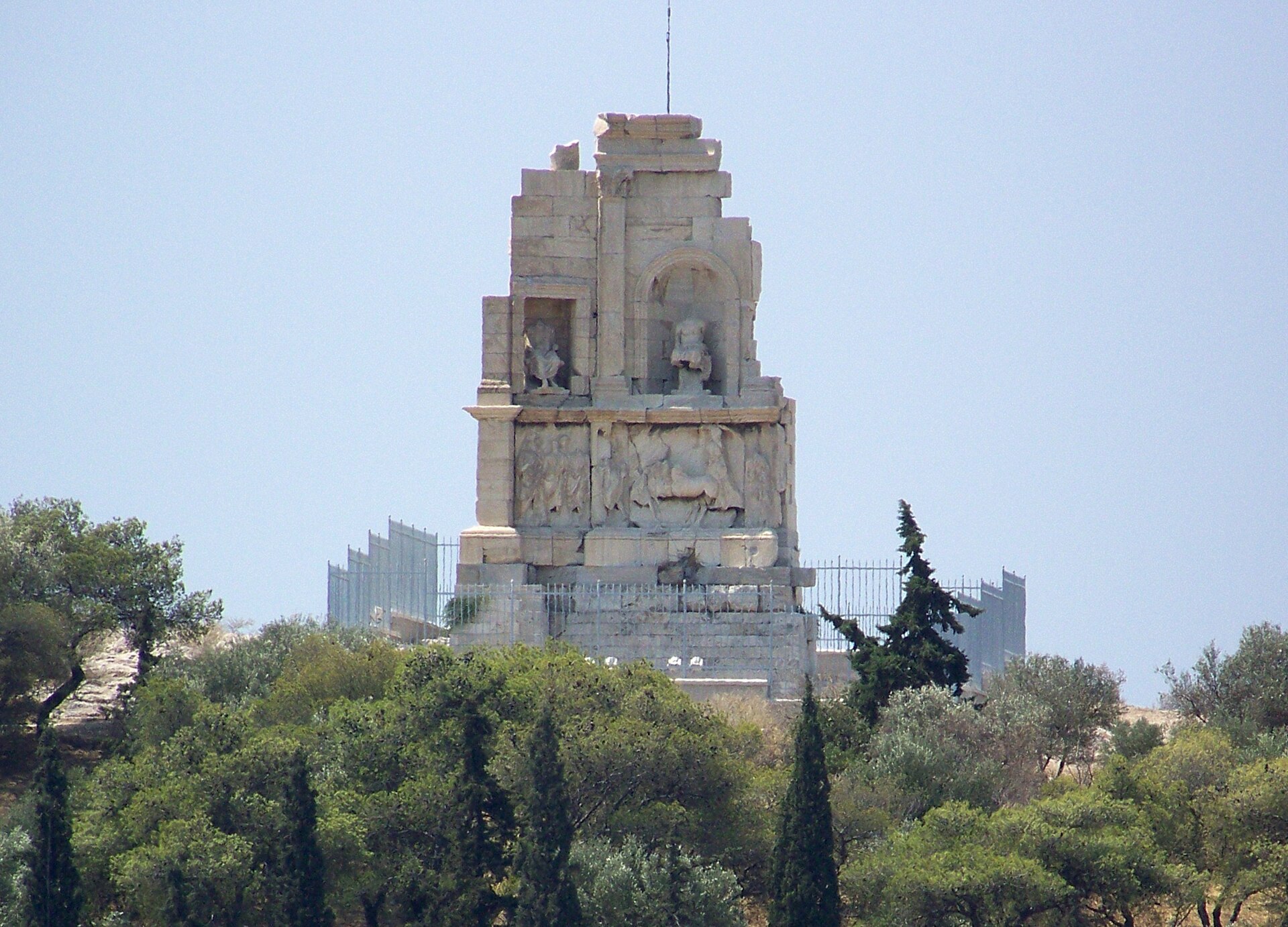
Philopappos Monument
- Must see · Heritage site
- Historic site
Viewpoint · Athens
Λόφος Φιλοπάππου
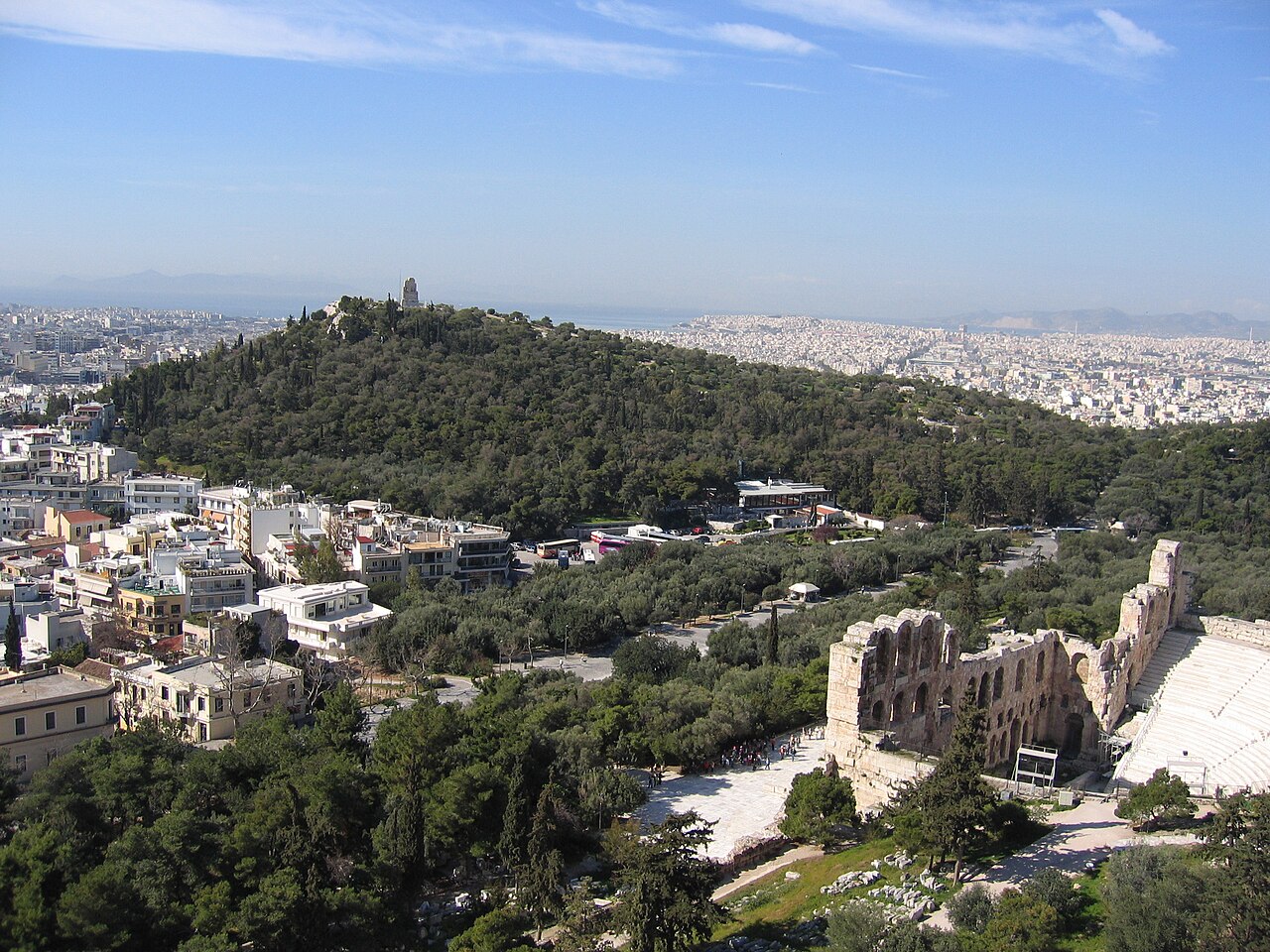
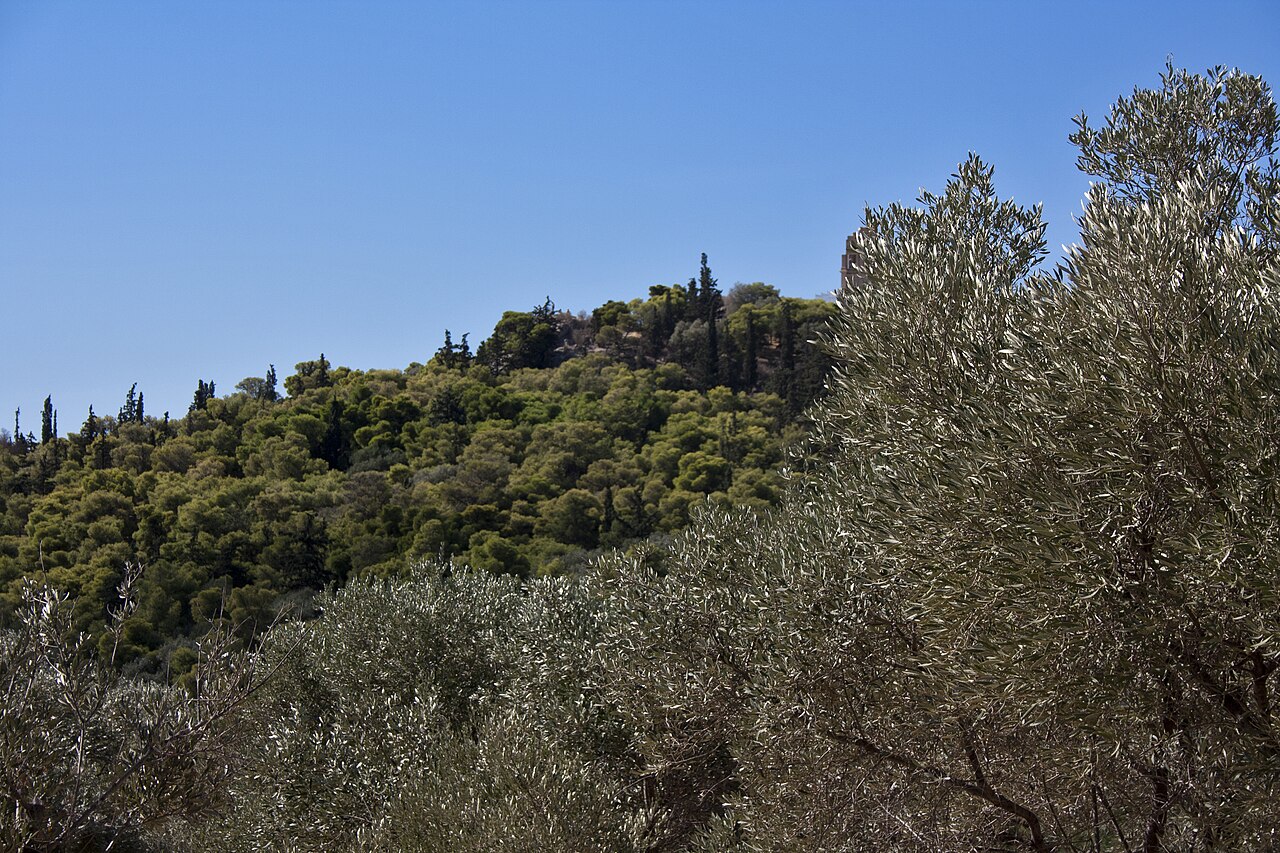
Filopappou Hill, also called Mouson Hill or Seggio Hill, rises opposite the Acropolis to the south-west and is connected to the neighbouring hills of Asteroskopeio (the Hill of the Nymphs) and Pnyka. It takes its name from the monument of Philopappos on its summit, built for a prince of the Kingdom of Commagene who lived in the 1st and 2nd centuries. The older name, Seggio, dates from the Frankish period and probably comes from the Italian segno, 'signal', after a signalling station on the southern spur of the summit. The Dora Stratou theatre stands on the south side of the hill, which is surrounded by the districts of Filopappou, Koukaki, Petralona and Acropolis.
Checked 2026-11-05 · Source
The summit is crowned by the Philopappos Monument, a Roman mausoleum for Gaius Julius Antiochus Epiphanes Philopappos (65–116 AD), a prince of Commagene, erected after his death by his sister Julia Balbilla and the citizens of Athens. The two-storey structure measures 9.80 by 9.30 metres and is built of white Pentelic marble. The lower level carries a frieze of Philopappos as consul riding a chariot; the upper level held statues of Antiochus IV, Philopappos and Seleucus I, the last now lost, with Greek and Latin inscriptions recording his titles. Only two-thirds of the façade survives, and the tomb chamber behind it is destroyed except for the base.
Checked 2026-11-05 · Source
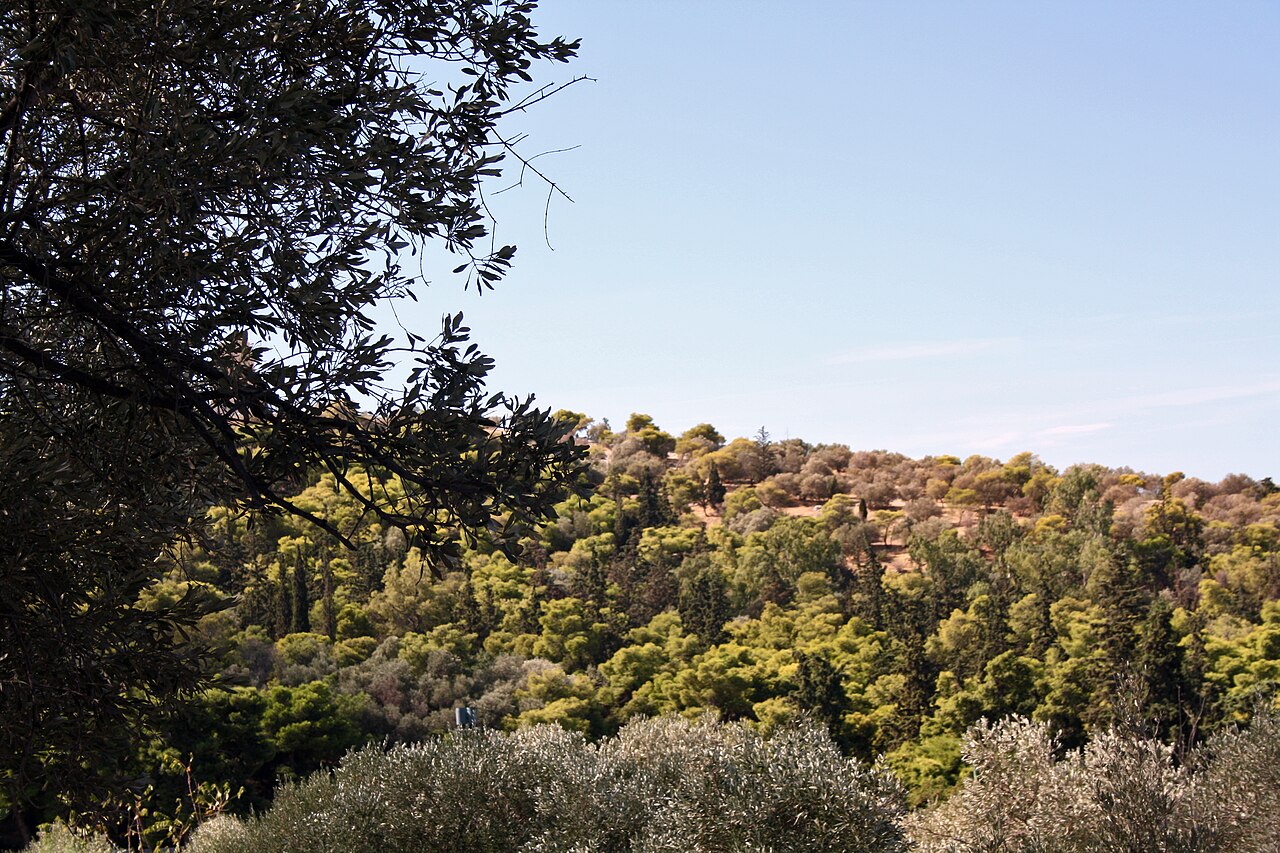
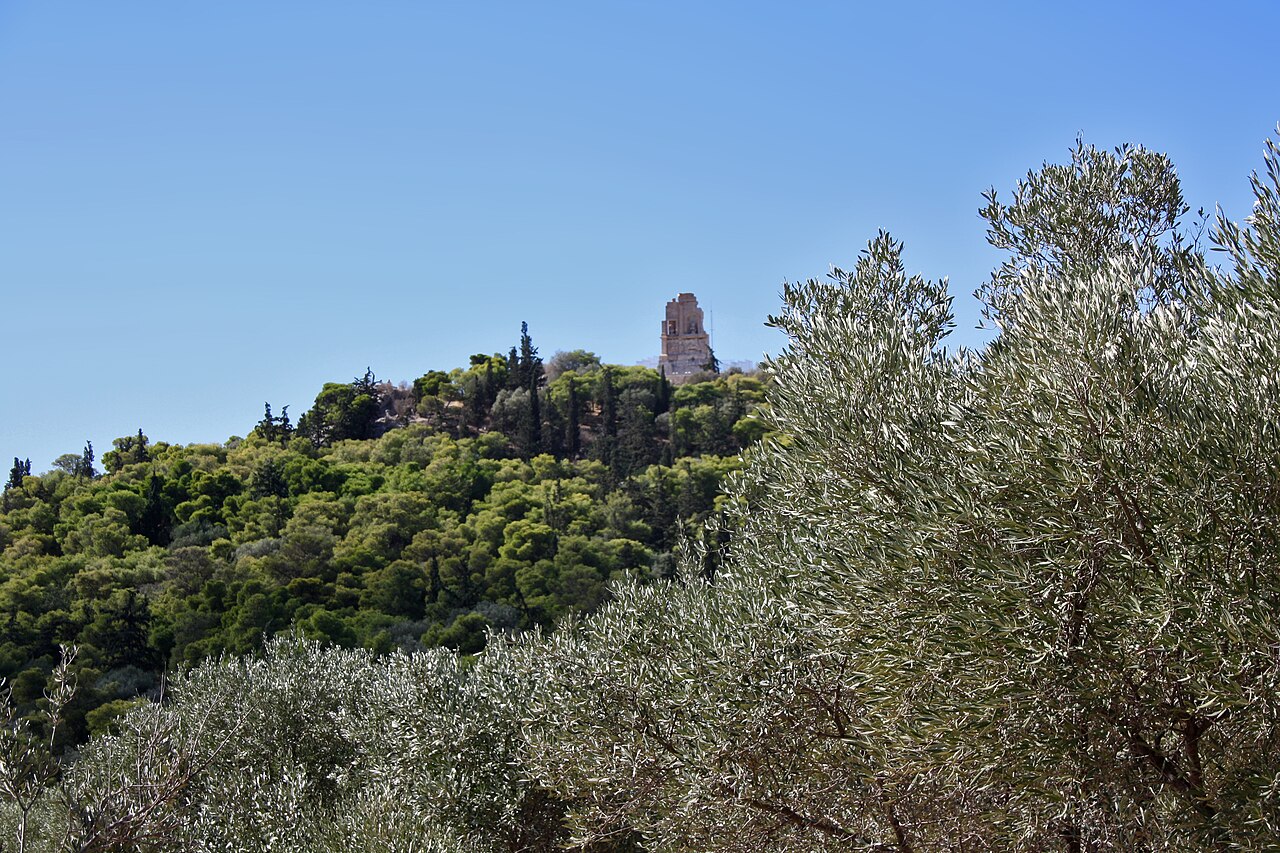
The nearest Athens Metro stations are Petralona on Line 1 and Syngrou–Fix on Line 2, and the area is also served by a trolleybus stop on line 15 named after the district. The hill is open land rather than a fenced site: in 2002 plans were made to fence it off and admit visitors only at scheduled times as part of the unified ticket for the city's archaeological sites, but a residents' movement formed in November 2002 opposed this and defended open access, winning the case before the Council of State in 2015.
Checked 2026-11-05 · Source
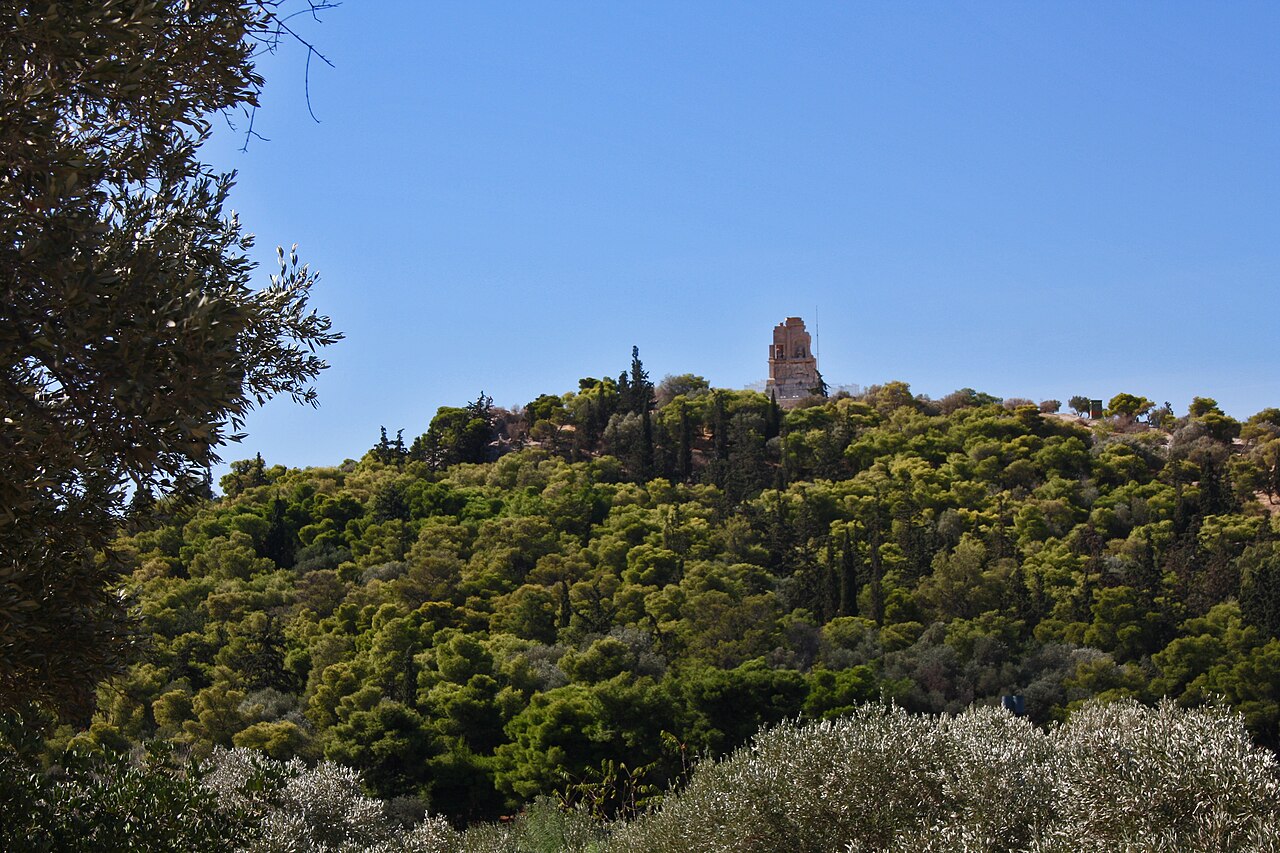
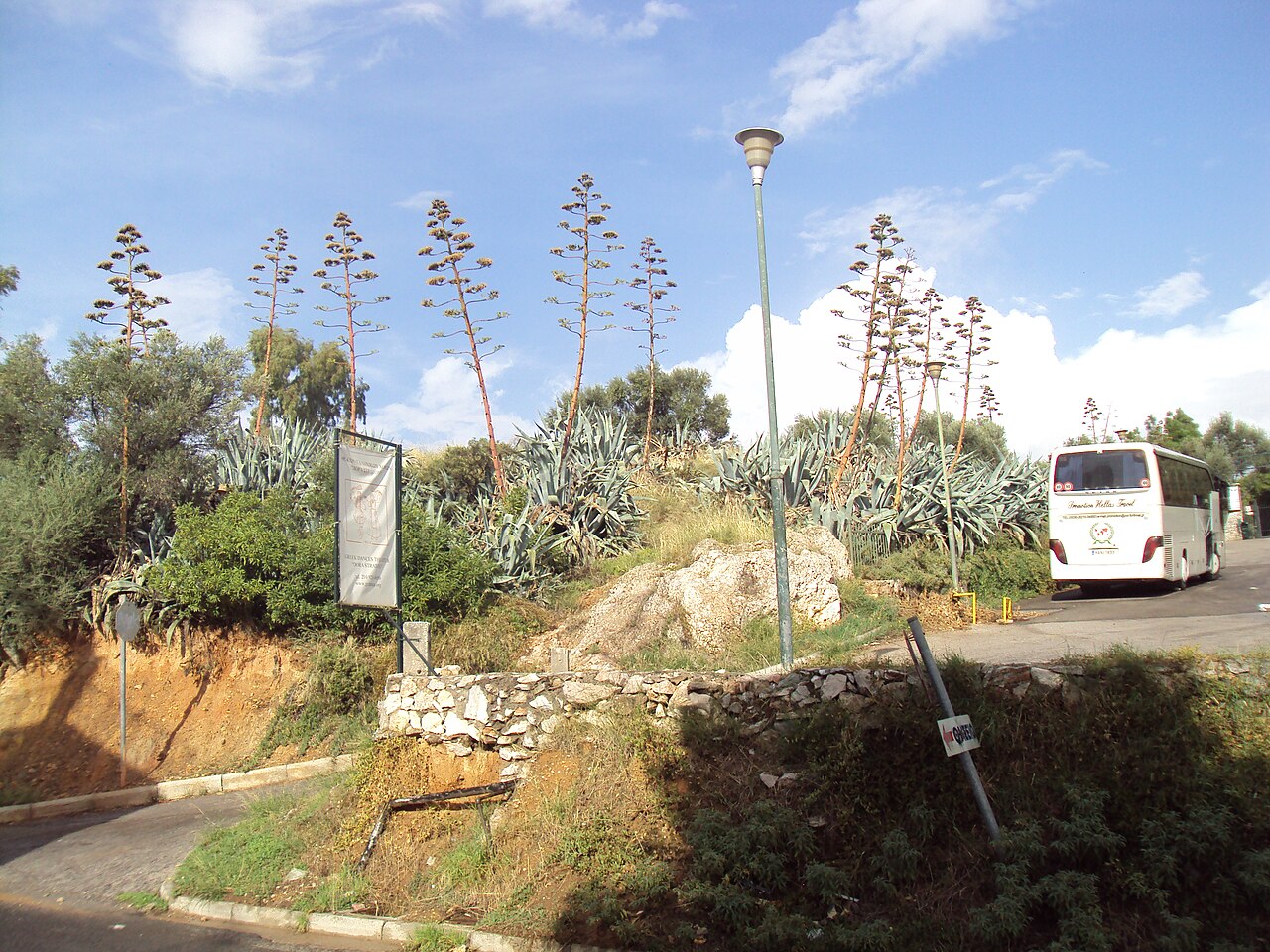
Petralona on Line 1 or Syngrou–Fix on Line 2.
No. Plans from 2002 to fence it and include it in a single ticket were stopped by residents, who won the case for open access in 2015.
Gaius Julius Antiochus Epiphanes Philopappos (65–116 AD), a prince of Commagene.
Loading the interactive map…
The interactive map could not be loaded.
Last updated:
Source: OpenStreetMap contributors, Wikidata ·