
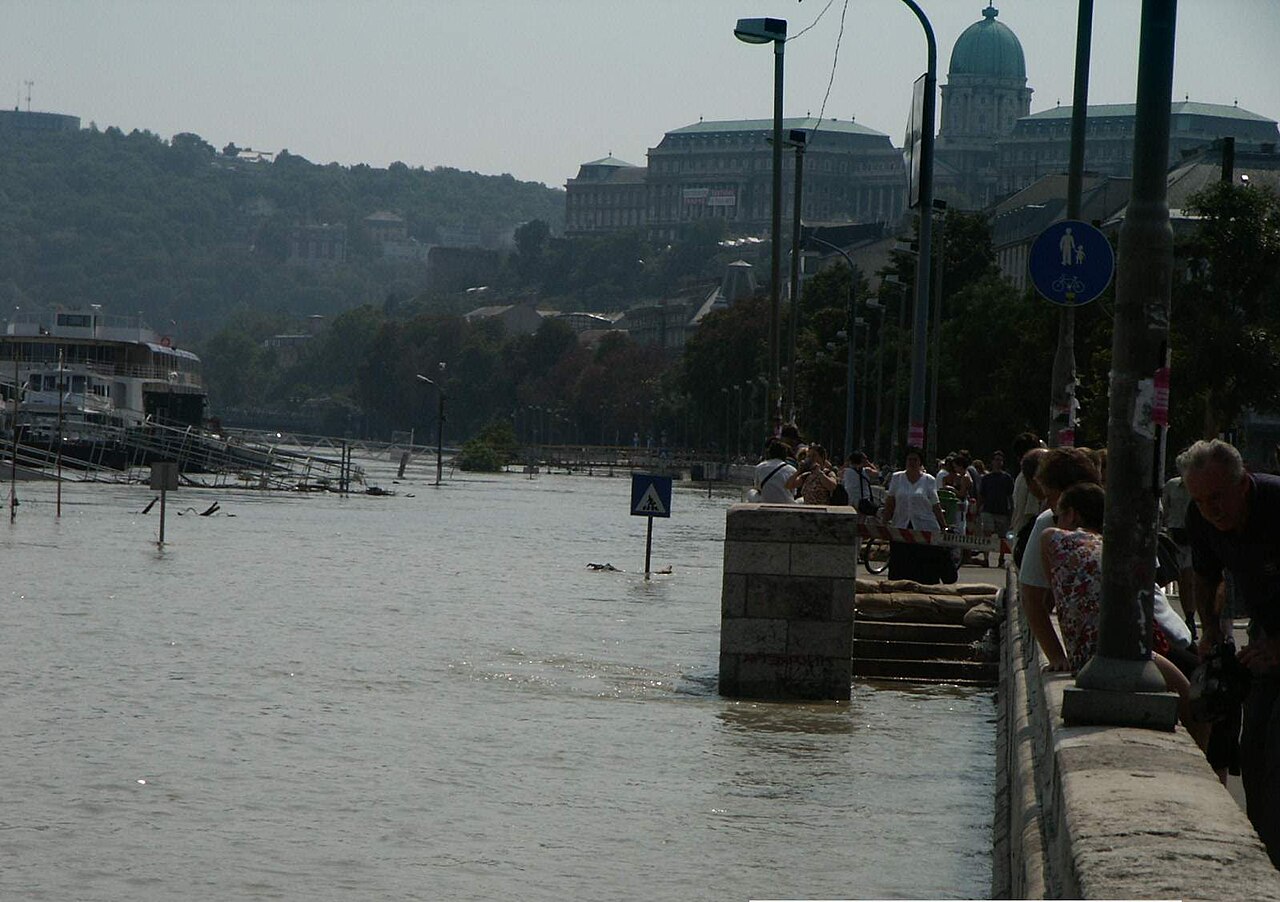
7 min walk
Batthyany Square
- Must see
- Historic monument
Language · 11 published
Family attraction · Budapest
Király fürdő
Closed today, Saturday. The next opening is not recorded — the planner will not place a stop here on a Saturday.
Plan around itReviewed by Elena Voss · Roavina Travel Editor
| Monday | Closed |
|---|---|
| Tuesday | Closed |
| Wednesday | Closed |
| Thursday | Closed |
| Friday | Closed |
| Saturday | Closed |
| Sunday | Closed |
Parsed from OpenStreetMap opening hours on 2026-09-09.
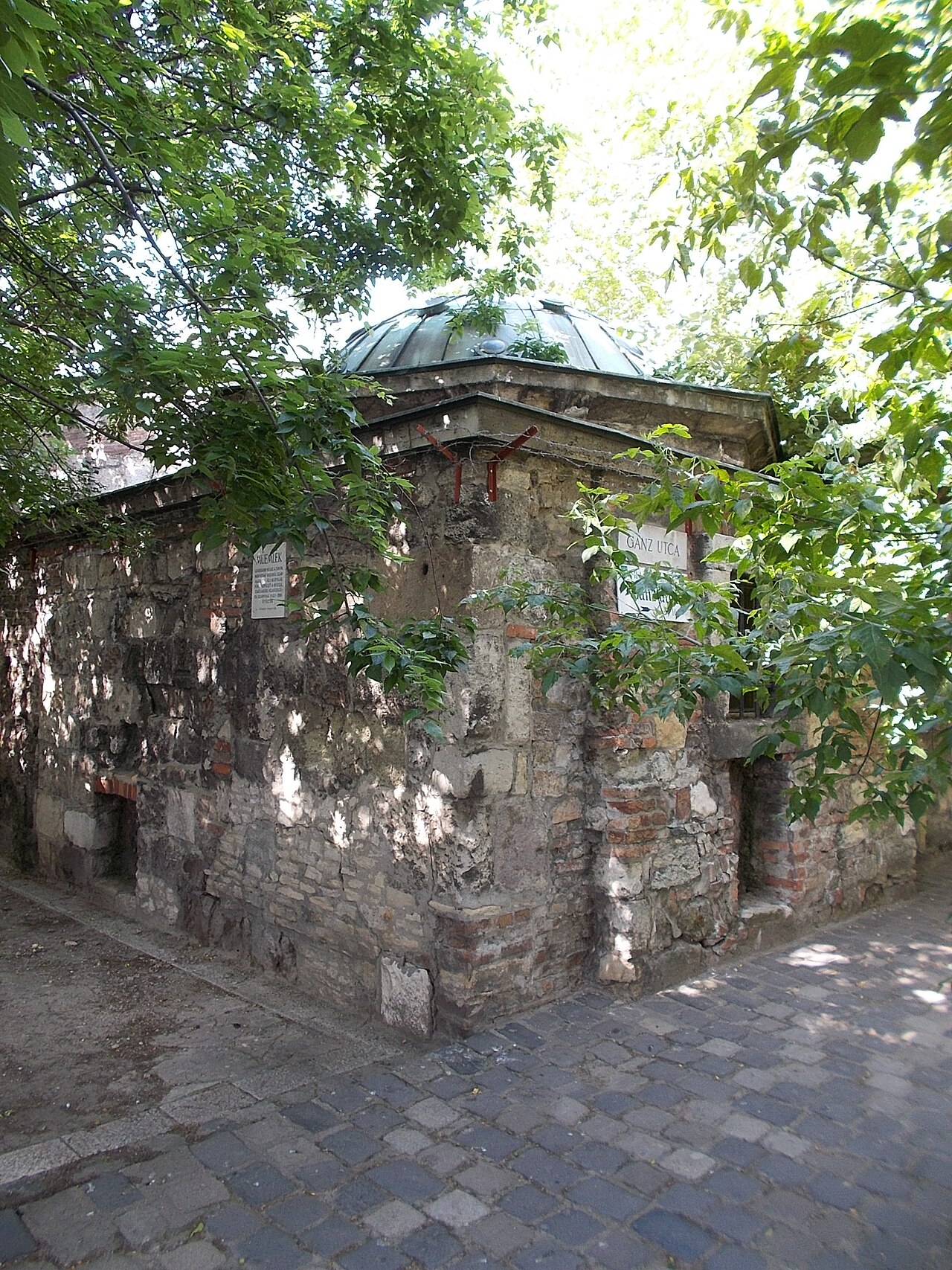
This place is a Attraction. It was established in 1565.
Kiraly Thermal Bath is a historic Budapest bath associated with the city’s Ottoman period and traditional thermal-water culture. Its defining architectural feature is an Ottoman-style pool hall with a central dome and octagonal layout. Thick walls, subdued light, and the compact historic structure create an atmosphere different from Budapest’s larger modern bathing complexes. The bath combines heritage with the practical experience of soaking in thermal water, making the building itself as important to the visit as the pools. Kiraly Thermal Bath is a historic thermal bath in Budapest, Hungary. It is one of the city's traditional Turkish-era baths, distinguished by its characteristic Ottoman architecture including a central dome and octagonal pool hall. The building represents an important part of Budapest's bathing culture heritage. The structure dates from the period of Ottoman rule in Hungary. It operates as a functional bath facility serving both local residents and visitors to the city. The bath maintains historical architectural features while providing thermal water services. Kiraly Thermal Bath is historically significant as a surviving example of Ottoman-era bath architecture in Budapest, representing the Turkish period of Hungarian history through its distinctive architectural features.
Checked 2026-08-26 · Source
The centre of Kiraly Thermal Bath is the domed octagonal pool hall, a space shaped by Ottoman-era design and natural thermal springs. Pools of different temperatures support the traditional rhythm of warm bathing and cooling down. The thick historic walls and small windows produce the characteristic dim interior associated with an old Turkish bath. This is a compact architectural experience rather than a sprawling resort, so notice the dome, pool geometry, masonry, and quiet relationship between the bathing spaces. The interior features the distinctive Ottoman-era pool hall with its central octagonal space beneath a dome.
Checked 2026-08-26 · Source
Plan on spending two to four hours for a relaxed thermal-bath visit, including changing, showering, time in the pools, and rest between bathing sessions. Kiraly’s compact historic setting may suit visitors who want a shorter experience than a large modern complex, while those seeking extended relaxation can use the full afternoon. The unhurried pace is part of the tradition: move between temperatures gradually and leave time to appreciate the architecture rather than treating the visit as a quick photo stop.
Checked 2026-08-26 · Source
The indoor, historic character of Kiraly Thermal Bath suits thermal bathing in every season. Weekends and the main Budapest tourist season can bring a livelier atmosphere, while an early or weekday visit traditionally offers a calmer setting. Weather matters less once you are inside, but the surrounding city walk changes with the season. Allow extra flexibility around your bath session so changing, resting, and moving through the historic rooms do not feel rushed.
Checked 2026-08-26 · Source
Kiraly Thermal Bath is a paid bathing attraction, with traditional Budapest bath entry generally organised around single visits or session access. Additional services, locker or cabin arrangements, and visitor-category discounts can affect the final cost. Treat admission as separate from optional treatments and personal rentals. Bring a practical plan for changing and storing belongings, and allow time at the entrance before entering the pool hall. The fare structure belongs to the operating bath, not to the historic building alone.
Checked 2026-08-26 · Source
Kiraly Thermal Bath is in Budapest and forms part of the city’s network of historic central baths. The supplied location record identifies the site but does not include a named address or nearest transit stop. Use the mapped position to build a route by walking, tram, bus, metro, taxi, or a combination of these modes. The surrounding historic building may include stairs or uneven surfaces, so keep the final approach realistic for your mobility needs.
Checked 2026-08-26 · Source
Historic bath architecture can mean stairs, uneven flooring, low light, and a circulation pattern unlike a modern spa. Walk carefully around wet surfaces and follow the bath’s rules for moving between pools. Thermal water can be physically demanding, so drink water, take breaks, and leave the hot areas if you feel unwell. Keep valuables secured in the storage provided. Swimwear and conduct rules apply to the shared bathing environment, where privacy and calm matter.
Checked 2026-08-26 · Source
The architectural dome, octagonal pool hall, masonry, and restrained light are visually distinctive, but bathing spaces are also private spaces. Keep cameras and phones away from changing areas and do not photograph other bathers. If the venue permits photography in selected areas, use discreet equipment and follow staff directions. Tripods and commercial shoots require permission. A respectful visit prioritises the experience of the people using the bath over a complete photographic record of every room.
Checked 2026-08-26 · Source
It is a surviving example of Ottoman-era bath architecture in Budapest, with a central dome and octagonal pool hall linked to the city’s Turkish-period history.
The bath uses water from natural thermal springs, part of Budapest’s long-standing thermal-water culture.
Allow roughly two to four hours for changing, showering, bathing, resting, and moving between pools at a comfortable pace.
The main feature is a domed Ottoman-style pool hall arranged around a central octagonal space, with thick walls and subdued natural light.
Yes. It operates as a paid thermal-bathing venue, with entry separate from optional services and possible locker or cabin arrangements.
Plan for swimwear, time to change and shower, and a secure way to store personal belongings while using the pools.
Loading the interactive map…
The interactive map could not be loaded.
Last updated:
Source: OpenStreetMap contributors, Wikidata ·