
01
1 hr 30 min
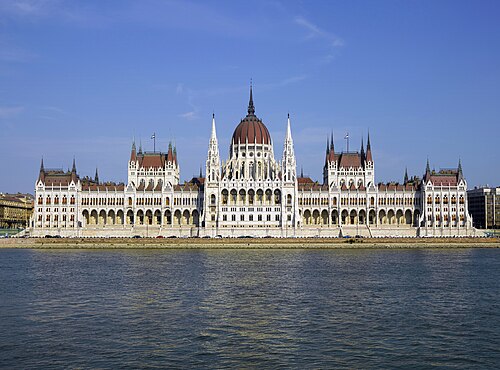
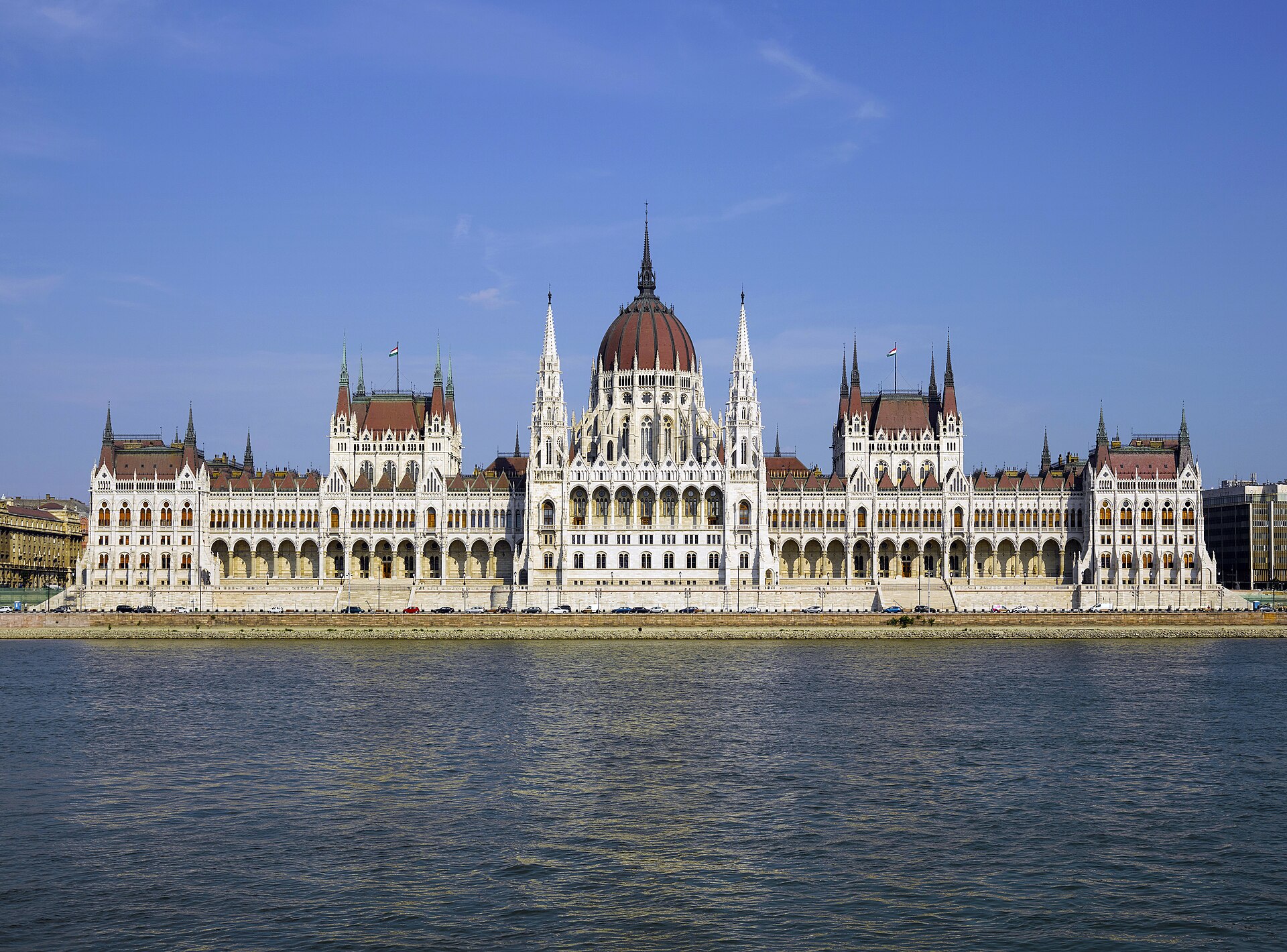
Hungarian Parliament Building
Országház
Országház — House of the Country — is the seat of the National Assembly of Hungary and the largest building in the country.
- Must see
- Historic site
City guide · Hungary
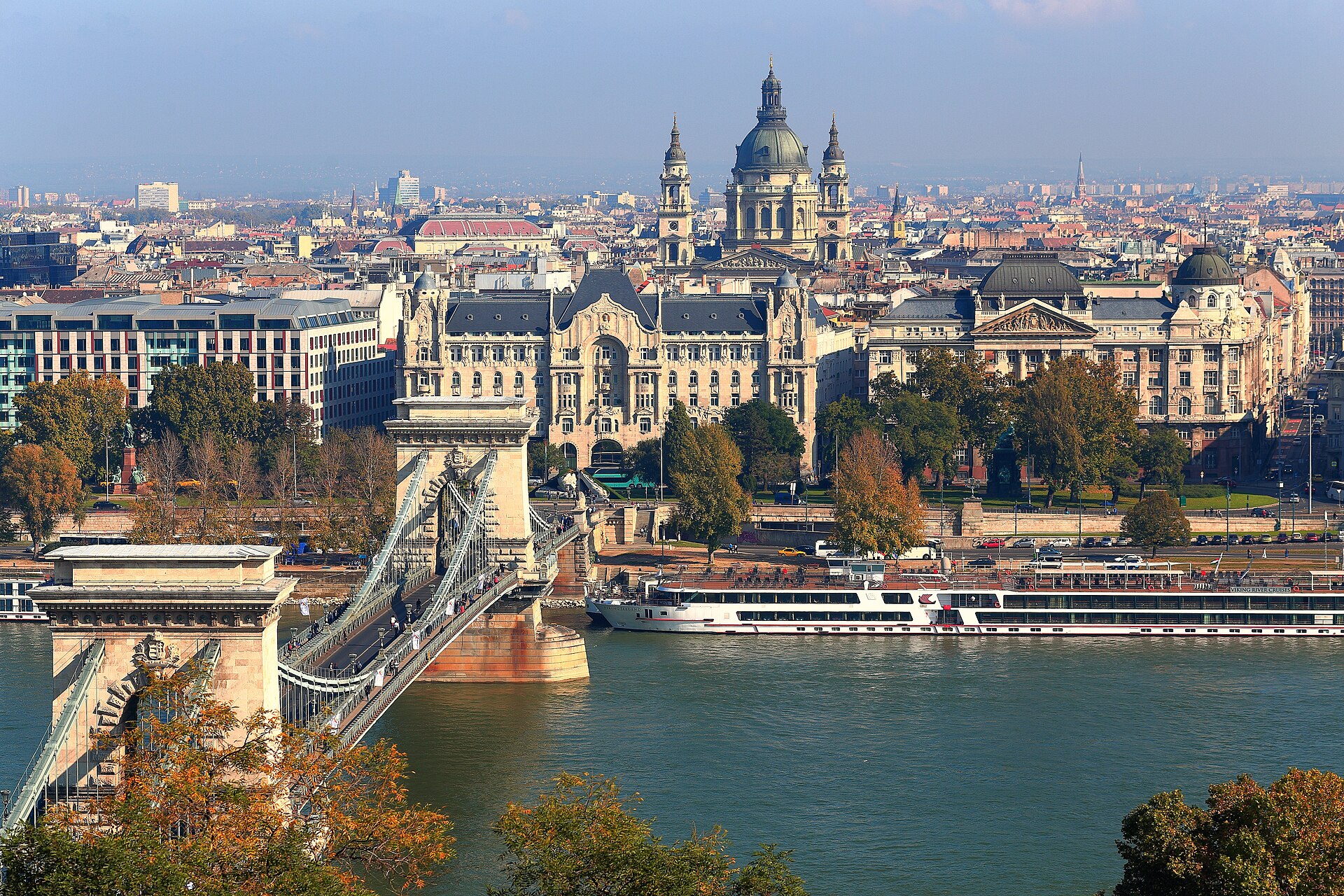
Budapest is divided by the Danube into hilly Buda and flatter Pest. Castle Hill and the Buda riverbank hold major historic sights, while Pest contains Parliamen...
Photograph · Thomas Depenbusch (Depi) from Cologne, Germany · CC BY 2.0
Set your days, your pace and the hours you actually want to be out. The planner works around closing days and travel time, and leaves room to eat.
Editorial responsibility: Elena Voss · Roavina Travel Editor
Budapest is divided by the Danube into hilly Buda and flatter Pest. Castle Hill and the Buda riverbank hold major historic sights, while Pest contains Parliament, the central boulevards, the Jewish Quarter, the main market and much of the nightlife. Bridges connect the two halves, but steep terrain and river crossings make geographic grouping more efficient than repeatedly switching banks.
Checked 2026-08-26
November · November drops Budapest to an 8.5°C mean high and receives 49.3 mm of precipitation, making cold weather a material constraint.
Ranked by importance — sitelinks, pageviews and heritage status, not editor preference.
69 places match
Category
Typical visit duration
Good for
Országház
Országház — House of the Country — is the seat of the National Assembly of Hungary and the largest building in the country.
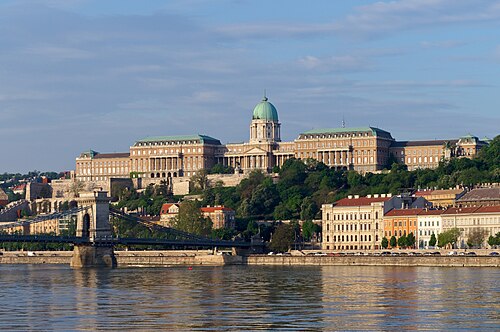
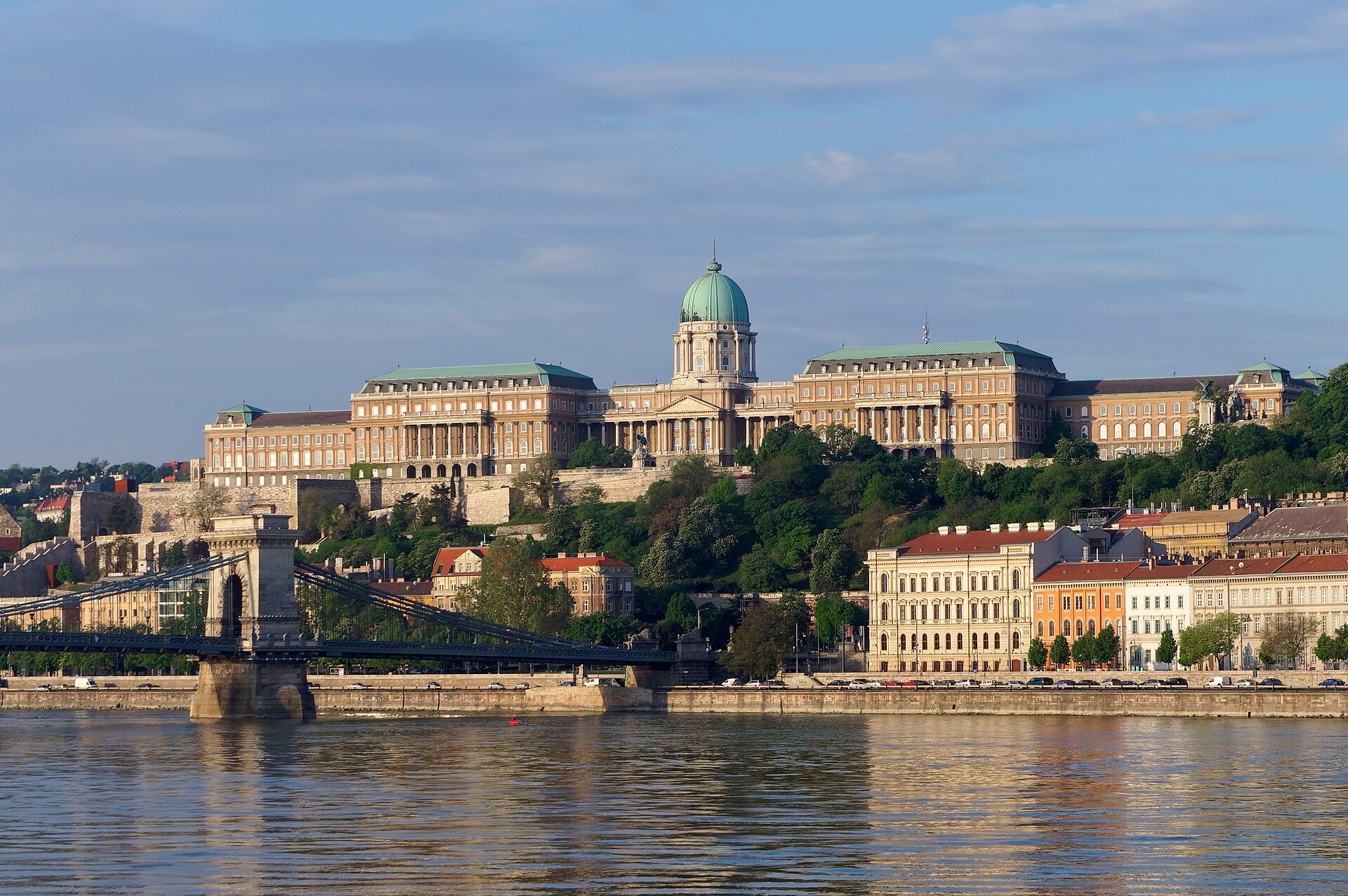
Budavári Palota
Budavári Palota occupies the southern tip of Castle Hill and is less one building than five centuries of demolition arguing with each other. A royal residence stood here by 1265, under Béla IV.
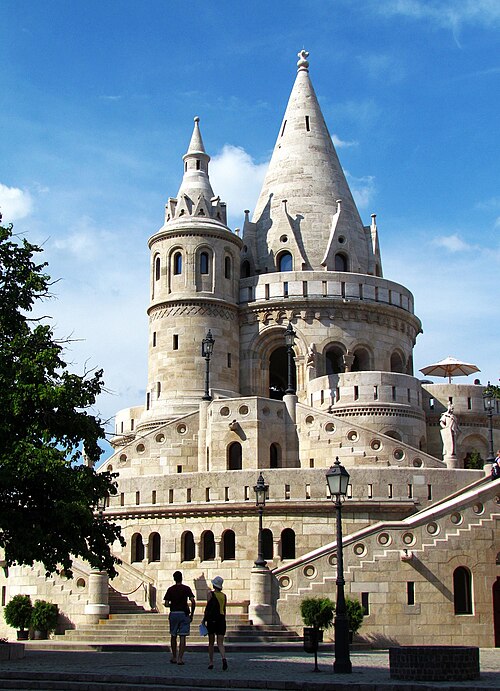
Halászbástya
Fisherman's Bastion is a viewing terrace on the crown of Buda Castle Hill, built between 1895 and 1902 to a design by Frigyes Schulek as part of the works marking a thousand years of the Hungarian state.
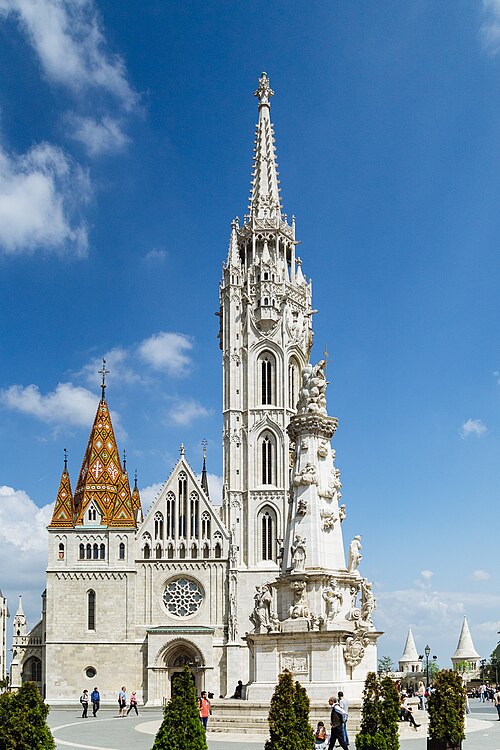
Budavári Nagyboldogasszony-templom
The Church of Our Lady of Buda Castle, known to almost everyone as Matthias Church, stands on Szentháromság tér at the top of the castle hill in Buda.
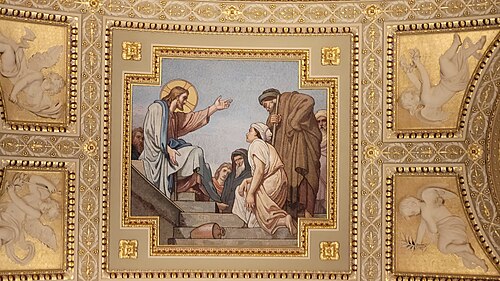
Szent István-bazilika
St Stephen's Basilica stands on Szent István tér in Lipótváros, the flat nineteenth-century grid of central Pest, and is the largest church in Budapest and the third largest in Hungary.
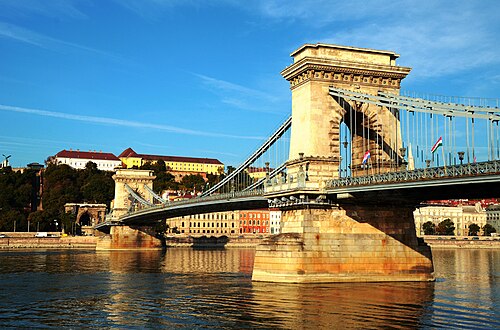
Széchenyi lánchíd
Széchenyi Chain Bridge is the Danube crossing between Széchenyi István tér in Pest and Clark Ádám tér in Buda. Use it to connect a riverside walk with the foot of Castle Hill.
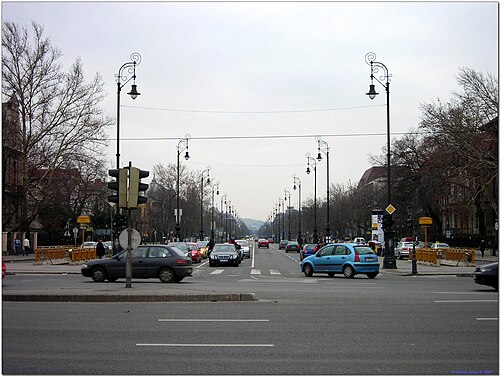
Andrassy Avenue is a prominent boulevard in central Budapest, Hungary. The avenue stretches from Deak Ferenc Square to Heroes' Square and forms part of the Budapest World Heritage Site.
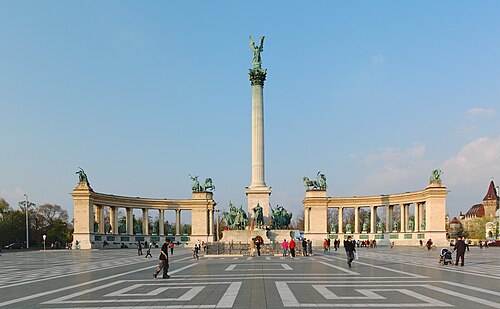
Hősök tere
Hősök tere is a major square in Budapest, Hungary, recognised as part of the UNESCO World Heritage Site inscription for Andrássy Avenue and its surroundings.
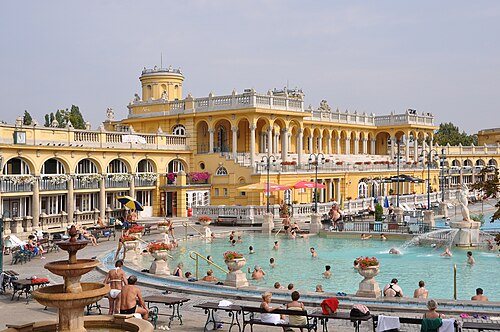
Széchenyi Gyógyfürdő és Uszoda
Szechenyi Thermal Bath is a thermal bath complex in Budapest, Hungary. It is one of the largest public thermal bath complexes in Europe. The facility operates from a neo-baroque palace building constructed in the early twentieth century.
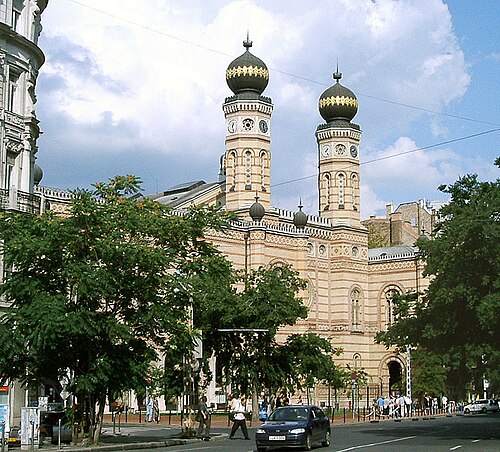
Dohány utcai zsinagóga
The Dohany Street Synagogue stands as a major Jewish religious and cultural monument in Budapest. Located on Dohany utca in the city's seventh district, it serves as the largest synagogue in Europe and a significant centre of Neolog Judaism.
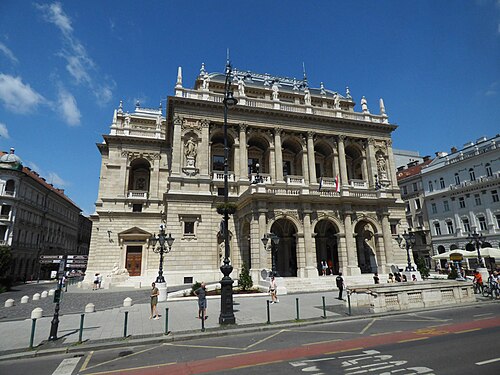
Magyar Állami Operaház
The Hungarian State Opera House is a prominent performing arts venue in Budapest. It serves as a major centre for opera and ballet performances in Hungary.
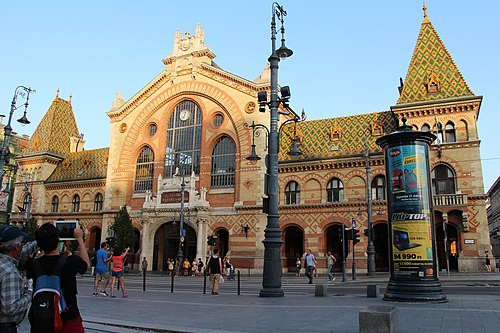
Központi Vásárcsarnok
The Nagyvásárcsarnok, signposted in English as the Central Market Hall and known to most visitors as the Great Market Hall, stands at Vámház körút 1-3 at the Pest foot of Liberty Bridge.
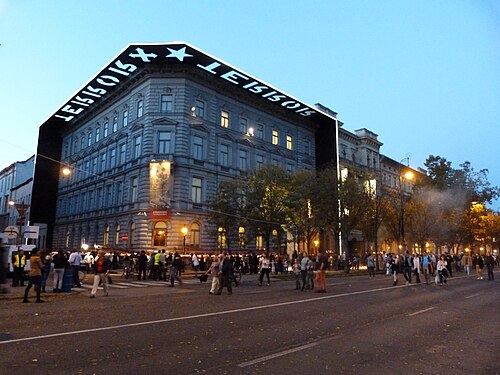
Terror Háza Múzeum
The House of Terror Museum is a memorial museum located on Andrássy Avenue in Budapest. It occupies a building that served as headquarters for the Nazi Arrow Cross Party and later the Soviet-aligned ÁVH secret police.
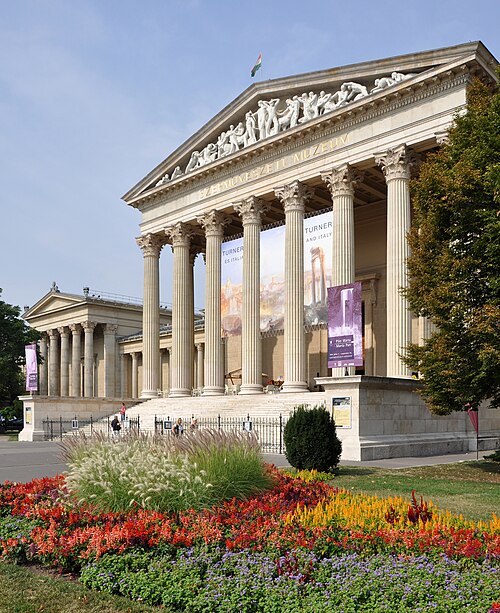
Szépművészeti múzeum
The Museum of Fine Arts is a major art museum in Budapest, Hungary. It stands on Heroes' Square in the city, forming part of a significant cultural ensemble with the Palace of Art and Millennium Monument.
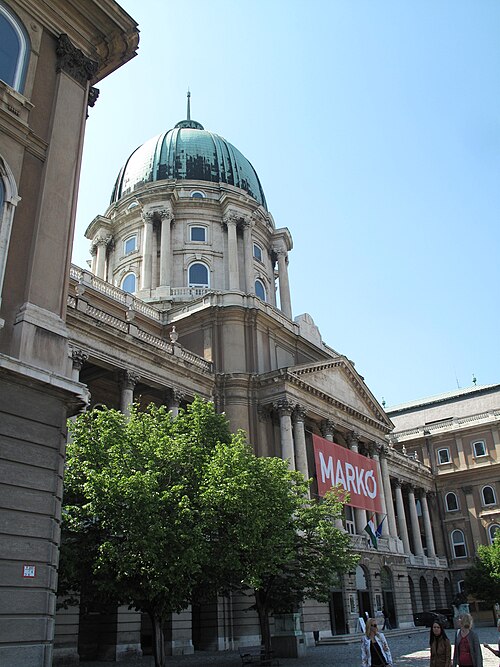
Magyar Nemzeti Galéria
The Hungarian National Gallery occupies a prominent position within Buda Castle, the historic palace complex overlooking the Danube from the Buda side of the capital.
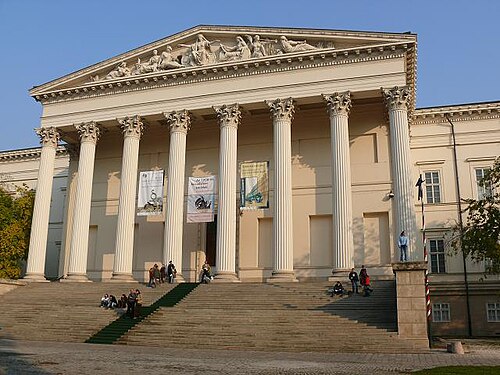
Magyar Nemzeti Múzeum
The Hungarian National Museum stands as a major institution in Budapest, dedicated to the history, archaeology and art of Hungary. Founded in 1802, it occupies a neoclassical building designed by Mihály Pollack that opened in 1847.
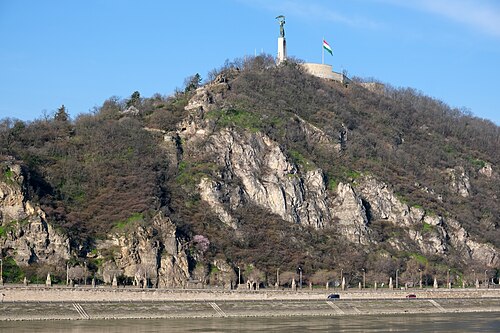
Gellért-hegy
Gellért Hill is a 235-metre dolomite bluff on the Buda bank of the Danube, straddling the 1st and 11th districts and rising about 140 metres above the water directly opposite the Pest embankment.
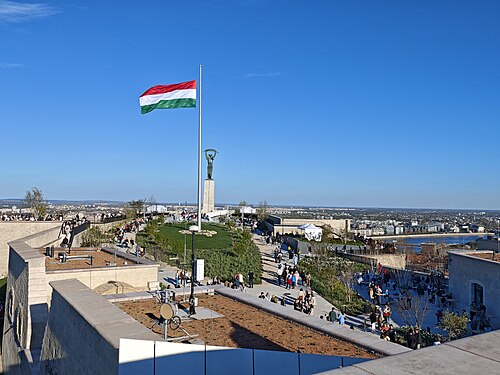
The Citadella is a historic fortress complex perched atop Gellért Hill in Budapest, commanding panoramic views over the Danube, Buda Castle, and the Pest skyline.
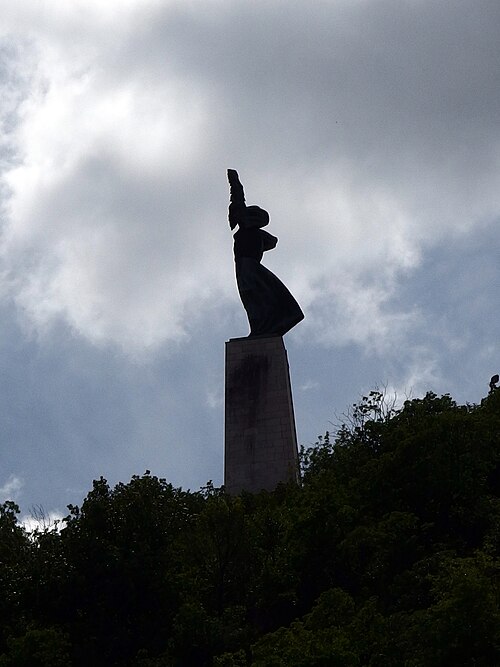
Szabadság-szobor
The Liberty Statue stands on Gellért Hill overlooking the Danube in Budapest. Erected in 1947, the monument originally commemorated Soviet liberation of Hungary from Nazi occupation.
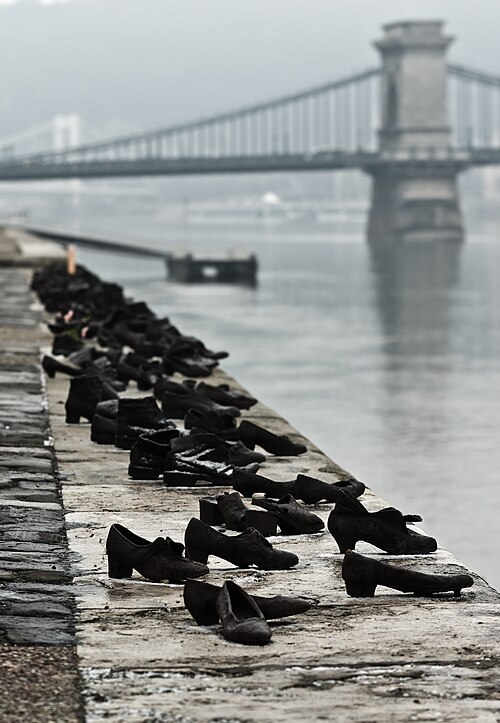
Cipők a Duna-parton
The Shoes on the Danube Bank is an outdoor memorial sculpture on the Pest riverbank of the Danube in Budapest, Hungary.
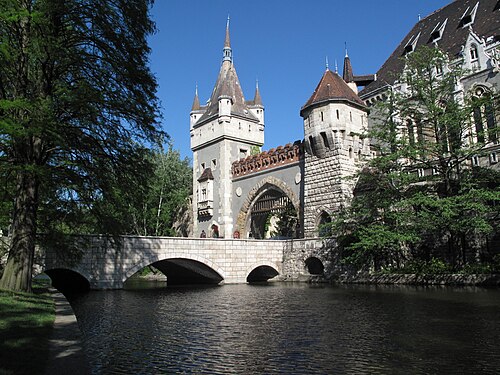
Városliget
City Park is a large public park in Budapest, Hungary. It serves as a major recreational space for residents and visitors, containing green areas, walking paths, and several notable attractions within its boundaries.
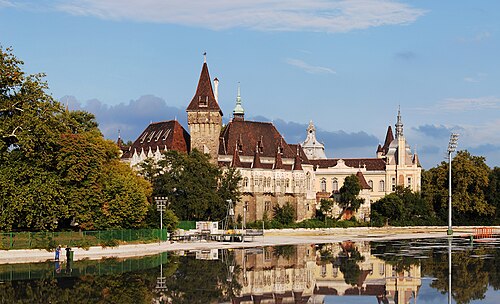
Vajdahunyad vára
Vajdahunyad Castle stands in Budapest's City Park as an architectural museum and romantic landmark. Built originally as a temporary wooden structure for the 1896 Millennium Exhibition, it was later reconstructed in stone and brick due to popular demand.
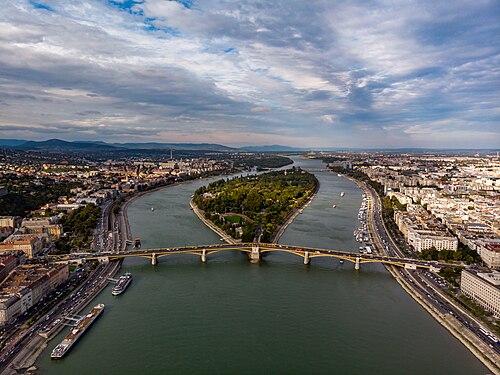
Margit-sziget
Margaret Island is a long, narrow island situated in the middle of the Danube River in central Budapest, Hungary. The island spans approximately 2.5 kilometres in length and covers roughly 1 square kilometre.
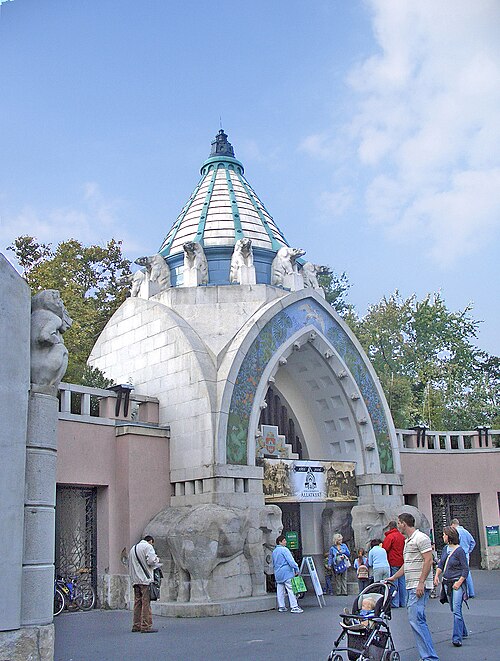
Fővárosi Állat- és Növénykert
Budapest Zoo and Botanical Garden is a combined zoological and botanical institution in Budapest, Hungary. It holds significance as one of the oldest zoos in the world, with origins dating to the nineteenth century.

Margaret Bridge is a historic road bridge in Budapest, Hungary, connecting Buda and Pest across the River Danube. It is the second northernmost bridge in the city centre and provides access to Margaret Island via a junction at its midpoint.
Buda rises west of the river around Castle Hill, Gellert Hill and residential slopes. Pest spreads east across a flatter grid: Parliament stands on the river, the inner districts surround Deak Ferenc Square, and Andrassy Avenue runs northeast toward City Park. The Jewish Quarter sits east of the central core. Treat Margaret Island and the outer thermal baths as dedicated stops rather than extensions of a riverside walk.
Checked 2026-08-26
Use metro, tram, trolleybus and bus services for cross-city travel, then walk within Castle Hill or the compact inner Pest districts. BKK states that the public transport network covers the capital, while its BudapestGO service supports journey planning and digital tickets. River crossings and Buda's slopes can make a short map distance slower than expected, so check the route before changing banks.
Checked 2026-08-26
Suggested stay for a first visit: 3–4 days. Plan at least separate blocks for Castle Hill and Buda, central Pest, City Park and any thermal bath or island visit.
Buda is the hillier western side with Castle Hill and Gellert Hill. Pest is the flatter eastern side containing Parliament, central boulevards, markets and much of the nightlife.
Use BKK metro and tram services for the main corridors, buses or trolleybuses for gaps, and walk inside compact districts. BudapestGO provides official journey planning and digital tickets.
Yes, central bridges connect the two sides, but the river crossing and Buda's slopes add time. Combine nearby sights on each bank before crossing to the other.
Yes. Castle Hill is a concentrated historic district on elevated terrain. Group its sights together rather than returning to it between stops in central Pest.


