
5 min walk
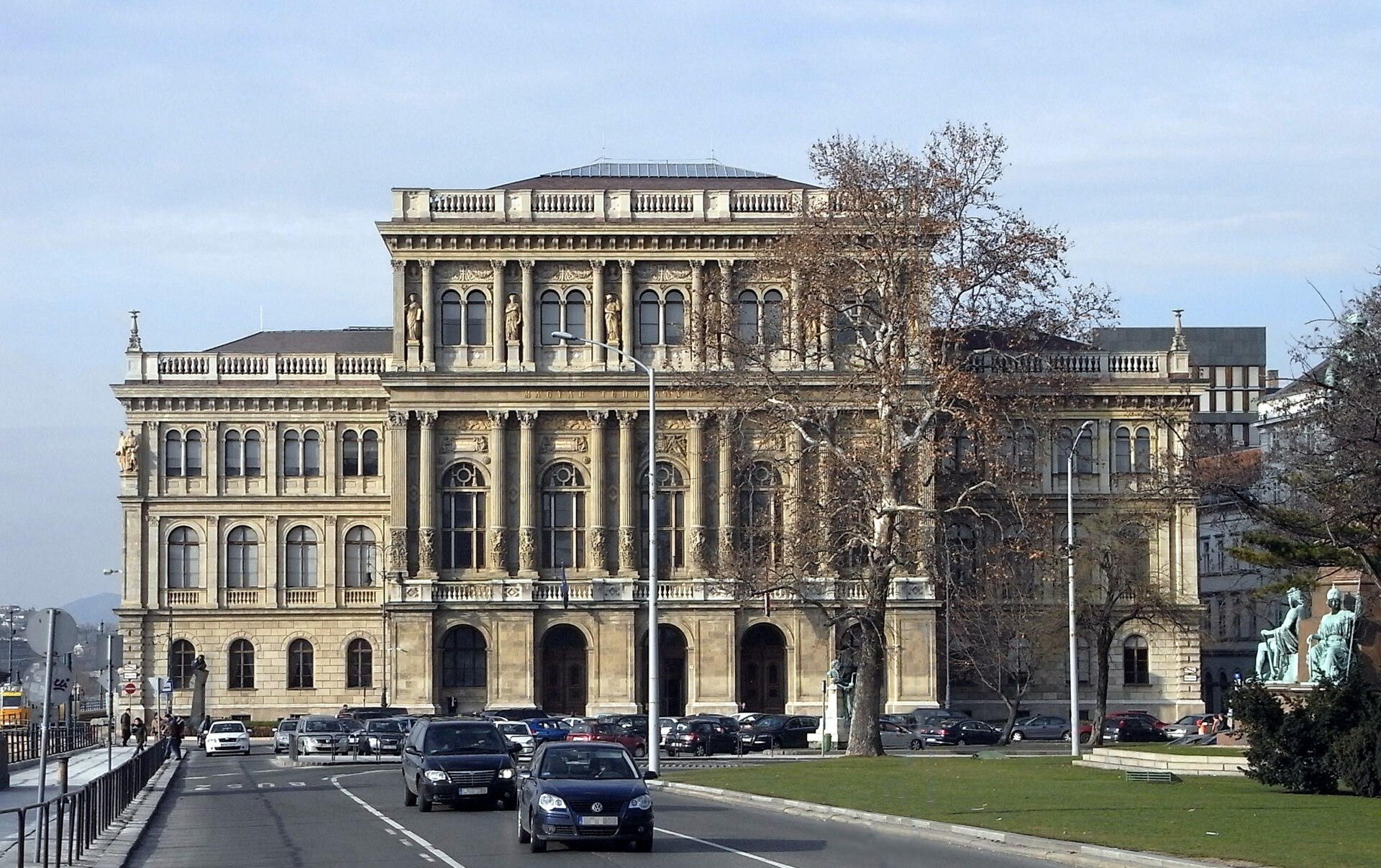
Hungarian Academy of Sciences
- High
- Historic monument
Historic monument · Budapest
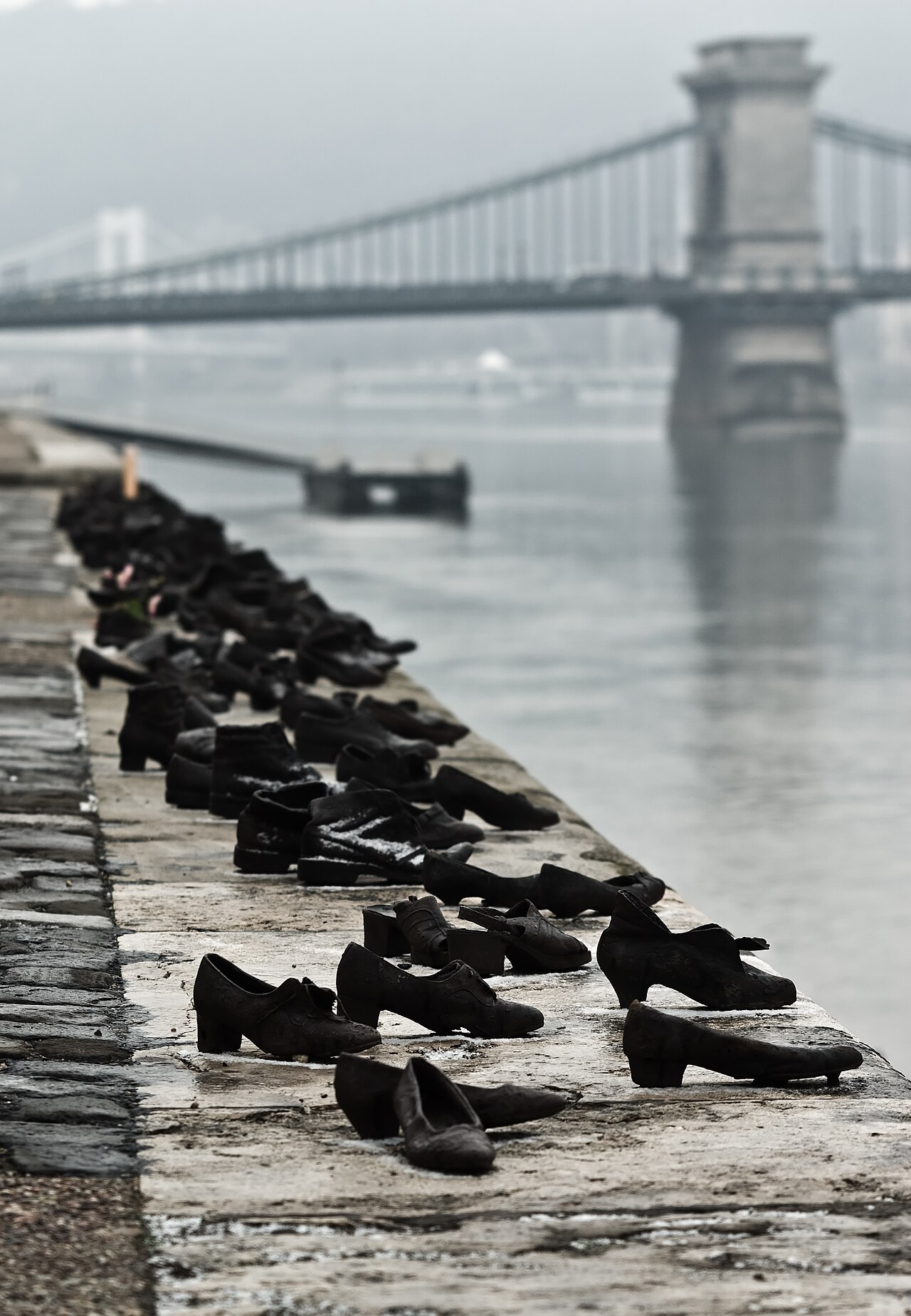
Cipők a Duna-parton
| Monday | 00:00 – 23:59 |
|---|---|
| Tuesday | 00:00 – 23:59 |
| Wednesday | 00:00 – 23:59 |
| Thursday | 00:00 – 23:59 |
| Friday | 00:00 – 23:59 |
| Saturday | 00:00 – 23:59 |
| Sunday | 00:00 – 23:59 |
Checked 2026-08-31 · Source
| Per person | HUF 0.00 |
|---|
Checked 2026-08-31 · Source
Read from the OpenStreetMap access tags; anything not listed has no tag recorded.
Set the group type to family in the planner and the day window contracts to about three quarters of a solo day.
The Shoes on the Danube Bank is an outdoor memorial sculpture on the Pest riverbank of the Danube in Budapest, Hungary. Created by film director Can Togay and sculptor Gyula Pauer, it commemorates the Jews who were killed by fascist Arrow Cross militiamen during World War II. Victims were ordered to remove their shoes before being shot into the river. The installation consists of sixty pairs of iron shoes cast in period styles, placed along the embankment edge. Yes. It is a free public memorial. The upper embankment is paved, but the memorial sits at the river edge beside a kerb and uneven stone; close viewing can be difficult for wheelchair users.
Checked 2026-08-31 · Source
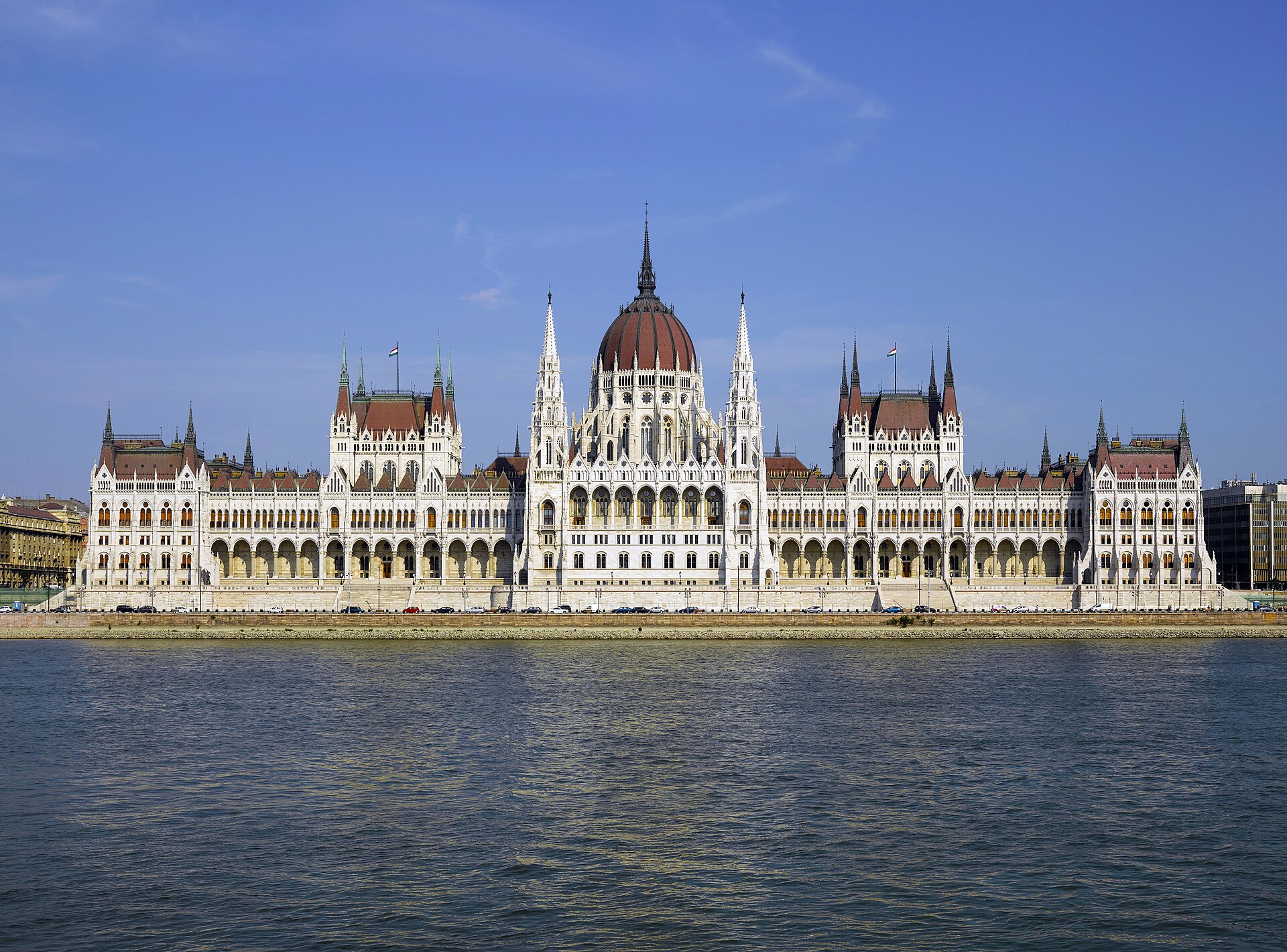
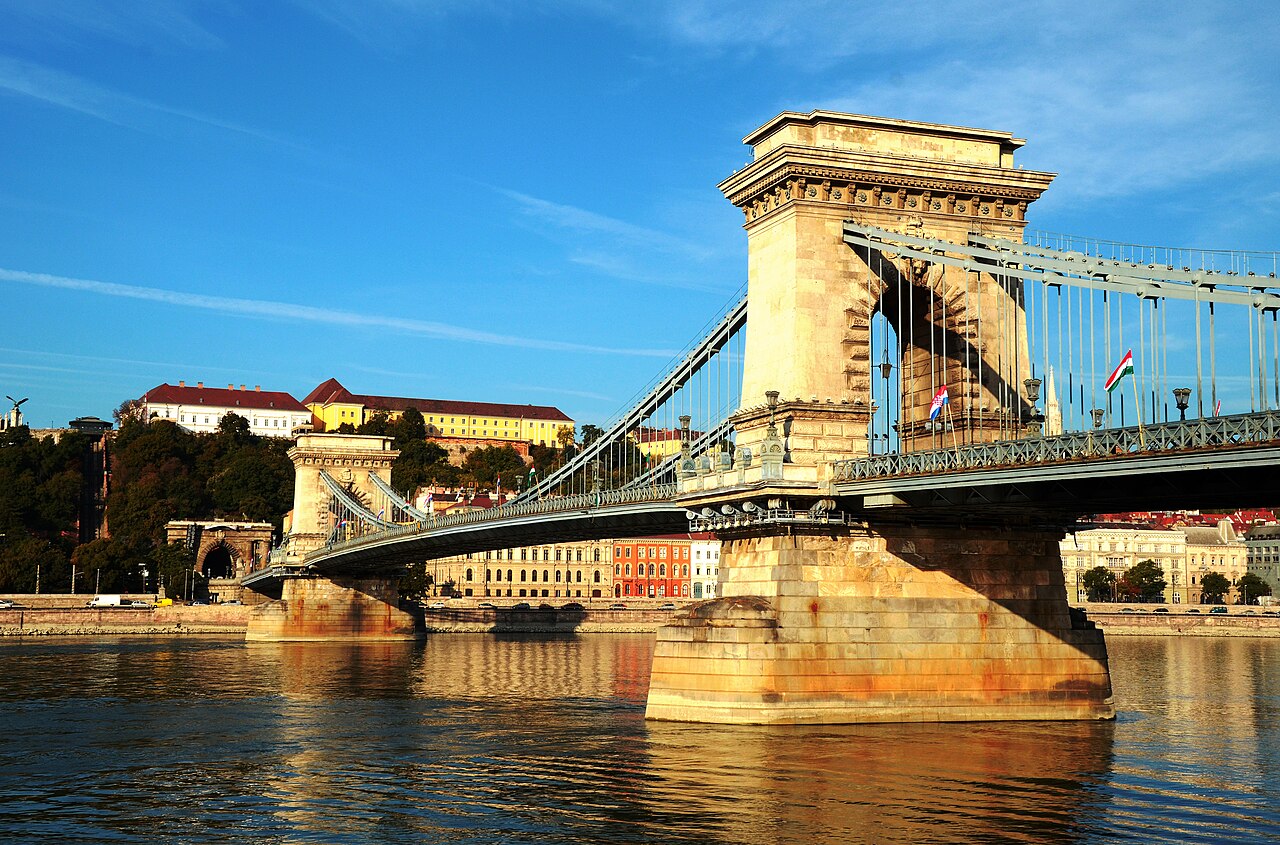
The memorial comprises iron shoe sculptures in various sizes representing men, women, and children's footwear from the 1940s. The shoes sit directly on the stone riverbank promenade near the Hungarian Parliament Building. There is no enclosed structure, museum component, or visitor center. The installation is entirely open-air and integrates with the public riverside walkway. Visitors encounter the memorial as part of the continuous Danube embankment pedestrian experience. The public embankment remains accessible, subject to flood, ceremony and works closures. Use tram 2 to Kossuth Lajos tér or Széchenyi István tér and follow the Pest embankment between Parliament and Chain Bridge.
Checked 2026-08-31 · Source
Most visitors spend approximately fifteen to thirty minutes at the memorial. The experience duration depends on personal reflection time, reading any available information, and observing the sculptures and river setting. The site requires no queue or entry process. Visitors often combine this stop with walking the broader Danube promenade, Parliament Building exterior viewing, and nearby riverside attractions. The memorial's compact linear arrangement permits brief or extended contemplation according to individual preference without structural constraints on visit length. Access is limited: the upper path is paved, but the shoes sit beside a kerb on uneven river-edge stone. A quiet visit takes 20 to 40 minutes; Parliament and the central promenade create a longer memorial walk.
Checked 2026-08-31 · Source
The riverside memorial is open public space with continuous access; flood defence, ceremonies and quay works can temporarily restrict the path. A quiet visit takes 20 to 40 minutes; Parliament and the central promenade create a longer memorial walk. Ceremonies, worship, weather and dated operations can replace the ordinary pattern. Tram 2 serves the Pest embankment near Kossuth Lajos tér and Széchenyi István tér. Tram 2 serves the paved upper embankment near Parliament and Széchenyi István tér. The memorial consists of sixty pairs of iron shoes fixed at the river edge in remembrance of people murdered there by Arrow Cross gunmen in 1944-45. The upper promenade is level, but the final kerb and stone edge make close wheelchair access limited.
Checked 2026-08-31 · Source
Access to the Shoes on the Danube Bank memorial is free and requires no ticket or timed booking. Tickets for the nearby Hungarian Parliament Building do not include or control the memorial, which remains part of the public Pest embankment. Commercial walking tours can include the site, but their fees pay for the guide rather than admission. Visitors can arrive independently at any time the riverside path is open.
Checked 2026-08-31 · Source
Use tram 2 to Kossuth Lajos tér or Széchenyi István tér and follow the Pest embankment between Parliament and Chain Bridge. Use the named entrance or stop because hill gradients, restricted roads and underground routes change the practical approach. The iron shoes are a memorial; visitors should not climb on, move or obstruct them.
Checked 2026-08-31 · Source
The upper embankment is paved, but the memorial sits at the river edge beside a kerb and uneven stone; close viewing can be difficult for wheelchair users. Yes. It is a free public memorial. The public embankment remains accessible, subject to flood, ceremony and works closures. Access is limited: the upper path is paved, but the shoes sit beside a kerb on uneven river-edge stone. Historic stairs, low light, crowds and security remain relevant. The riverside memorial is open public space with continuous access; flood defence, ceremonies and quay works can temporarily restrict the path.
Checked 2026-08-31 · Source
Personal photography is allowed at this open public memorial. The iron shoes, the Danube and the Parliament Building create the principal compositions, with low morning or late-afternoon light revealing the cast-metal texture. Keep tripods and bags clear of the narrow riverside path, and never stand on, move or place props inside the shoes. Photograph ceremonies and mourners from a respectful distance; the installation marks the place where victims were murdered, not a costume or posing set.
Checked 2026-08-31 · Source
Yes. It is a free public memorial.
The public embankment remains accessible, subject to flood, ceremony and works closures.
Access is limited: the upper path is paved, but the shoes sit beside a kerb on uneven river-edge stone.
Tram 2 serves the Pest embankment near Kossuth Lajos tér and Széchenyi István tér.
Allow 20 to 40 minutes for a quiet visit and interpretation.
The iron shoes are a memorial; visitors should not climb on, move or obstruct them.
Loading the interactive map…
The interactive map could not be loaded.
Last updated:
Source: OpenStreetMap contributors, Wikidata ·