
3 min walk
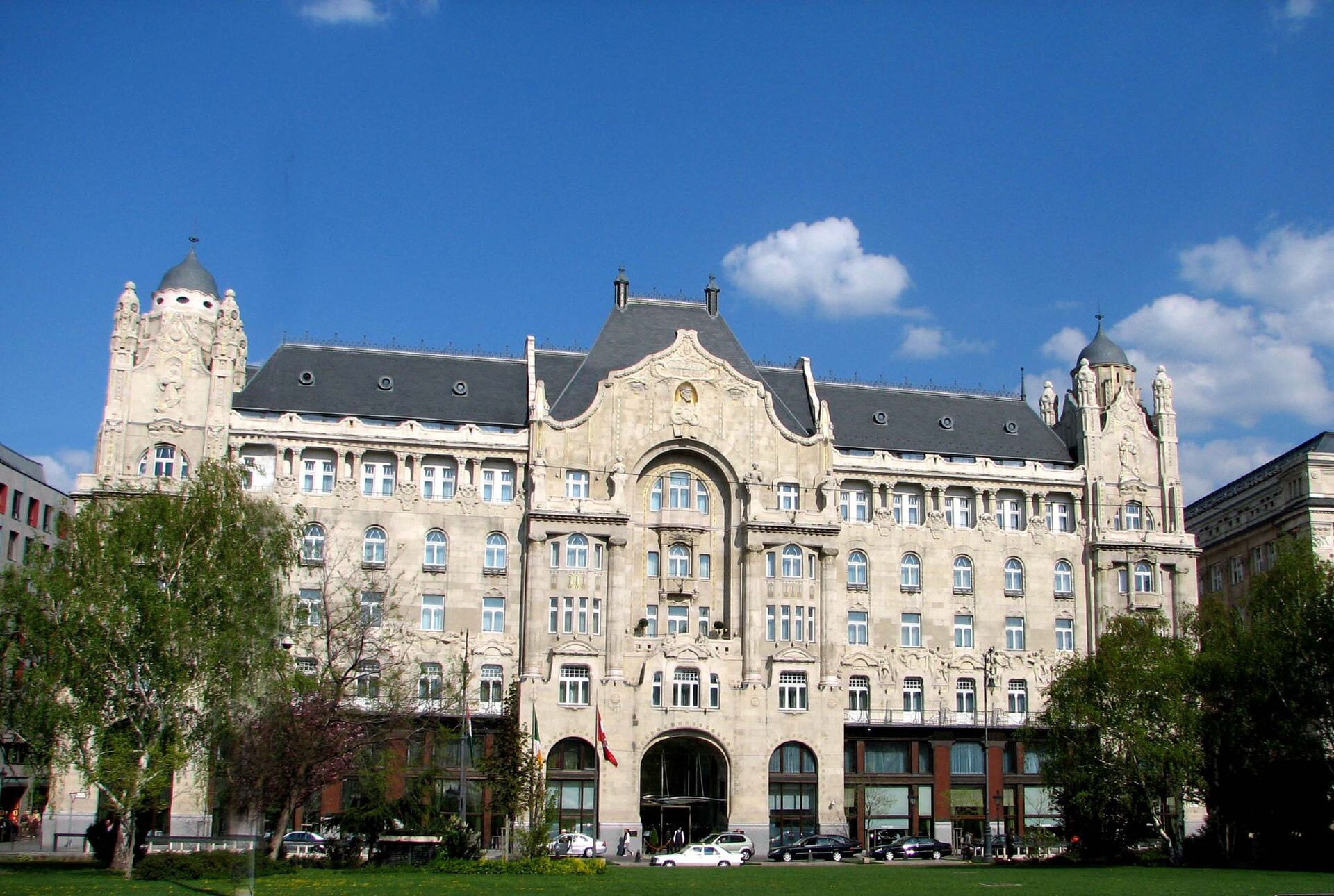
Gresham Palace
- High
- Historic monument
Language · 11 published
Historic monument · Budapest
Magyar Tudományos Akadémia
Reviewed by Elena Voss · Roavina Travel Editor
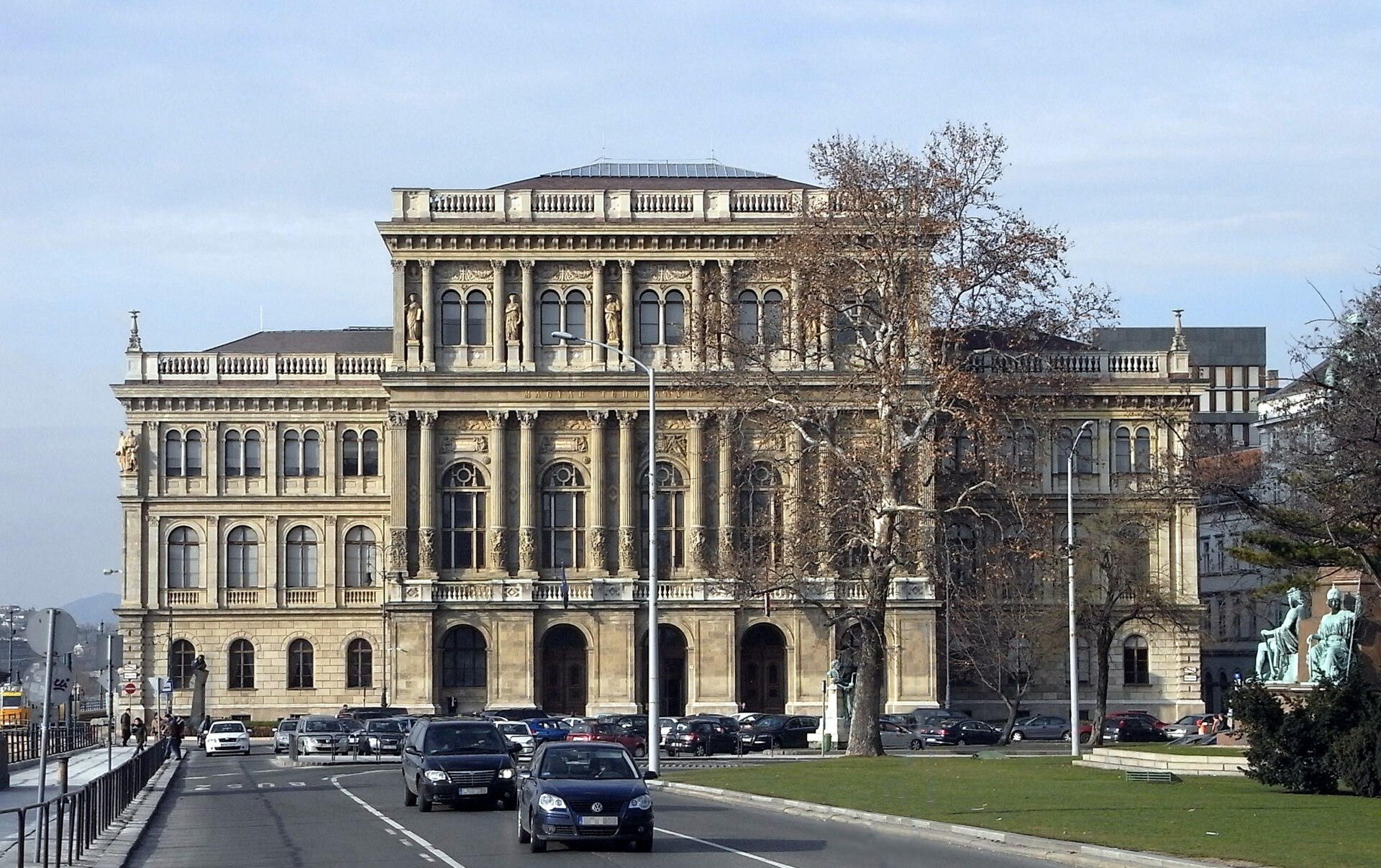
This place is a Attraction. It was established in 1825.
The Hungarian Academy of Sciences is the premier learned society of Hungary, founded in 1825 by Count István Széchenyi. Its neoclassical headquarters stands prominently on the Danube embankment at Széchenyi István Square in central Budapest. The institution promotes scientific research, maintains research networks, and represents Hungarian scholarship internationally. The building itself, designed by Friedrich August Stüler and opened in 1865, serves as both administrative centre and symbolic monument to Hungarian intellectual ambition. The Academy's collections and archives hold significant historical scientific materials.
Checked 2026-08-26
The Academy building contains ceremonial halls, meeting rooms, and administrative offices serving the institution's governance functions. The main hall hosts academic ceremonies and public lectures. Research departments operate from various locations across Budapest, with the central building focusing on representative and coordinating functions. The Academy maintains library and archive holdings accessible to qualified researchers. Specific visitor-accessible exhibition spaces or permanent displays within the headquarters building are Not recorded pending review. The interior decorative scheme reflects nineteenth-century academic institutional style. Hungarian Academy of Sciences also earns time in a budapest itinerary because EXACT_PRODUCTION reconciliation for the ranked entry; identity and coordinates were verified without a nearby fallback. Its value becomes clearer when the stop is compared with the surrounding streets and the other ranked places nearby.
Checked 2026-08-26
A respectful exterior viewing requires approximately fifteen to twenty minutes to appreciate the facade, riverside position, and architectural details. Should interior visiting opportunities exist, duration would depend on specific access arrangements and any guided components. The building's prominence on the Pest embankment makes it suitable for brief contemplation during a riverside walk or as a photographic stop within a broader Danube promenade itinerary. Visitors typically combine this with nearby attractions including the Chain Bridge and Gresham Palace. No standard visitor circuit duration is established.
Checked 2026-08-26
The building exterior is visible at all hours. Interior access, if available to visitors, presumably follows standard institutional schedules with potential restrictions during academic ceremonies, administrative closures, or holidays. The riverside location offers pleasant exterior viewing across daylight hours and during evening illumination. Seasonal considerations for Budapest apply: summer brings extended daylight and tourist congestion; winter offers atmospheric conditions but reduced daylight. Visitors should verify any interior access possibilities before travel planning. Check the operator's own site for the travel date before relying on a schedule or fare.
Checked 2026-08-26
The Hungarian Academy of Sciences functions primarily as a working research institution rather than commercial visitor attraction. Exterior appreciation requires no admission. Any interior access, public lectures, or special events would operate under separate arrangements potentially involving registration, academic affiliation, or invitation. Visitors should not anticipate standard ticketed entry comparable to museums or monuments. Direct enquiry to the Academy's administration is advisable for those seeking specific access to collections, archives, or ceremonial occasions. Check the operator's own site for the travel date before relying on a schedule or fare.
Checked 2026-08-26
The Academy stands at Széchenyi István Square, immediately adjacent to the Chain Bridge on the Pest riverside. Access on foot from central Pest districts is straightforward. The nearest metro station is Vörösmarty tér on Line M1, approximately five minutes walk. Deák Ferenc tér, served by Lines M1, M2, and M3, lies slightly further. Tram lines 2 and 2B operate along the Danube embankment with nearby stops. Bus services connect to surrounding areas. The location is integral to Budapest's most walkable tourist zone, easily combined with riverside and central district exploration.
Checked 2026-08-26
The building functions as active administrative headquarters; respectful conduct is essential. Do not attempt unauthorised entry. The riverside location involves standard urban awareness: pedestrian traffic, cyclists on shared paths, and evening illumination changes. No specific hazards are recorded, though visitors should note this is not a staffed tourist facility with visitor services. Photography of the exterior from public spaces is generally permissible; interior photography restrictions would apply if access were granted. Academic events may cause temporary access variations or crowd concentrations at the entrance.
Checked 2026-08-26
The Academy building presents excellent exterior photographic subjects: the Stüler facade, columned portico, and riverside context with Chain Bridge proximity. Morning light illuminates the main facade; evening offers illuminated monument photography alongside the lit bridge. The square and embankment provide varied vantage points. Tripod use in public spaces may attract security attention near institutional buildings. Interior photography would require explicit permission if access were available. Drone operation would be subject to Hungarian aviation regulations and prohibited near this central government-adjacent location without authorisation.
Checked 2026-08-26
Public interior access is Not recorded pending review. The building primarily serves as administrative headquarters for Hungary's national academy. Exterior appreciation is unrestricted.
No standard visitor admission is anticipated for this working institution. Exterior viewing is free. Check the operator's own site for the travel date before relying on a schedule or fare.
The exterior is visible at all times. Any interior access would follow institutional schedules requiring direct verification.
Exterior viewing requires fifteen to twenty minutes. The location suits brief incorporation into riverside or central district walking itineraries.
Specific accessibility provisions are Not recorded pending review. The riverside promenade approach is level. Interior accessibility would require direct institutional enquiry.
Standard guided tours for casual visitors are Not recorded pending review. The institution's primary function is scholarly administration rather than public tourism.
Loading the interactive map…
The interactive map could not be loaded.
Last updated:
Source: OpenStreetMap contributors, Wikidata ·