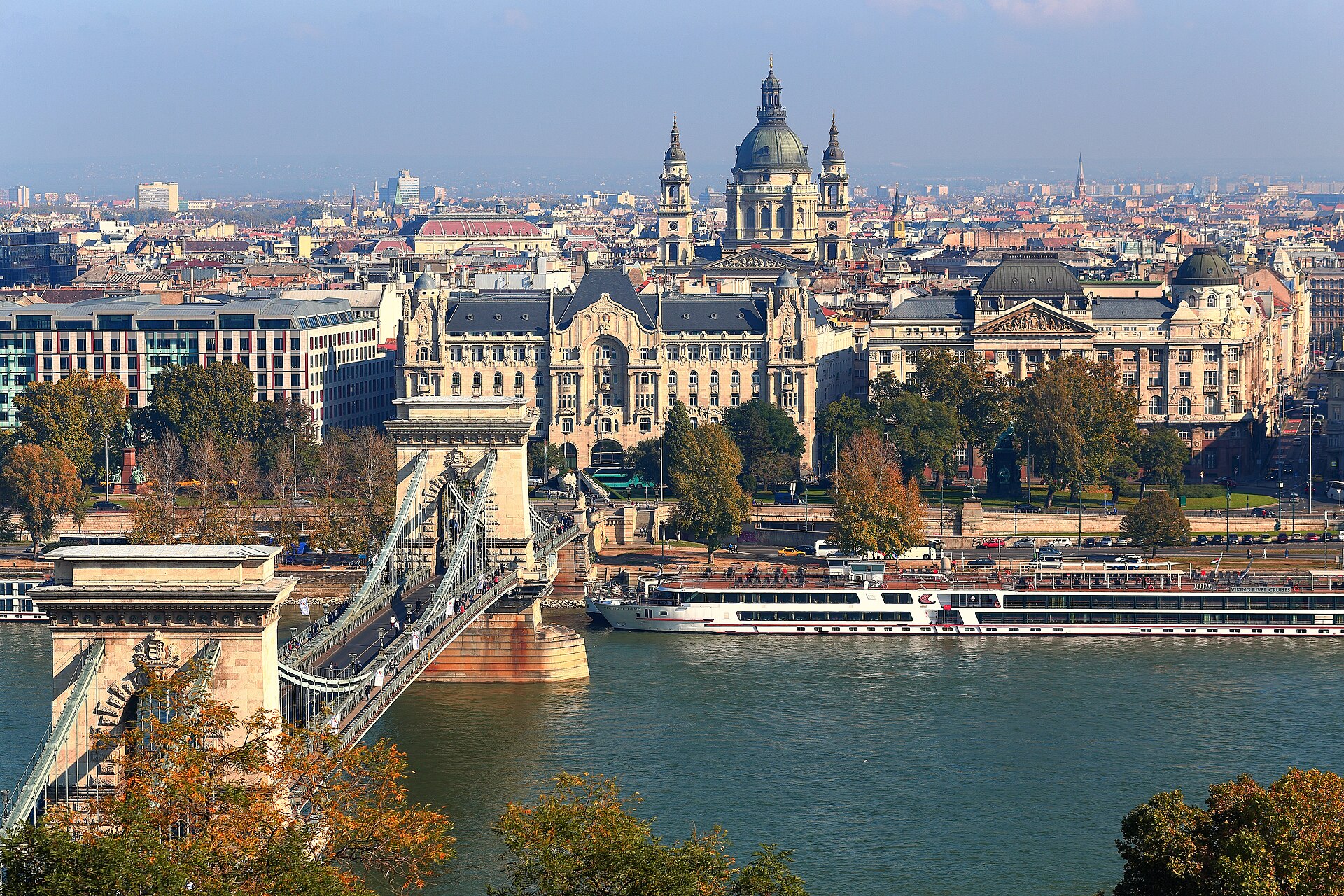
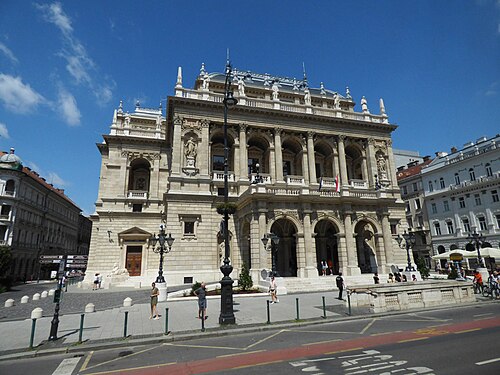
Hungarian State Opera House
Magyar Állami Operaház
The Hungarian State Opera House is a prominent performing arts venue in Budapest. It serves as a major centre for opera and ballet performances in Hungary.
- Must see
- Art and culture venue
Language · 11 published
City guide · Hungary
Budapest is divided by the Danube into hilly Buda and flatter Pest. Castle Hill and the Buda riverbank hold major historic sights, while Pest contains Parliament, the central boulevards, the Jewish Quarter, the main market and much of the nightlife. Bridges connect the two halves, but steep terrain and river crossings make geographic grouping more efficient than repeatedly switching banks.
Reviewed by Elena Voss · Roavina Travel Editor
Set your days, your pace and the hours you actually want to be out. The planner works around closing days and travel time, and leaves room to eat.
Ranked by importance — sitelinks, pageviews and heritage status, not editor preference.
10 places match
Category
Typical visit duration
Magyar Állami Operaház
The Hungarian State Opera House is a prominent performing arts venue in Budapest. It serves as a major centre for opera and ballet performances in Hungary.
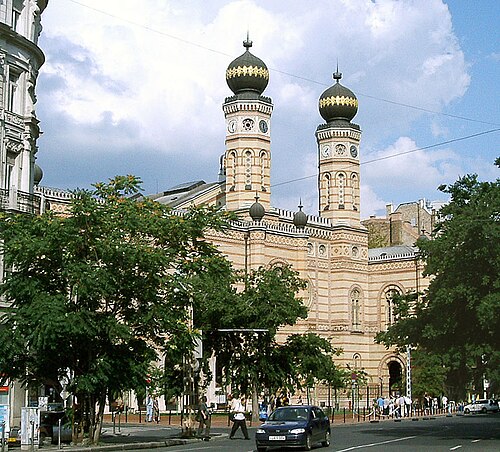
Dohány utcai zsinagóga
The Dohany Street Synagogue stands as a major Jewish religious and cultural monument in Budapest. Located on Dohany utca in the city's seventh district, it serves as the largest synagogue in Europe and a significant centre of Neolog Judaism.
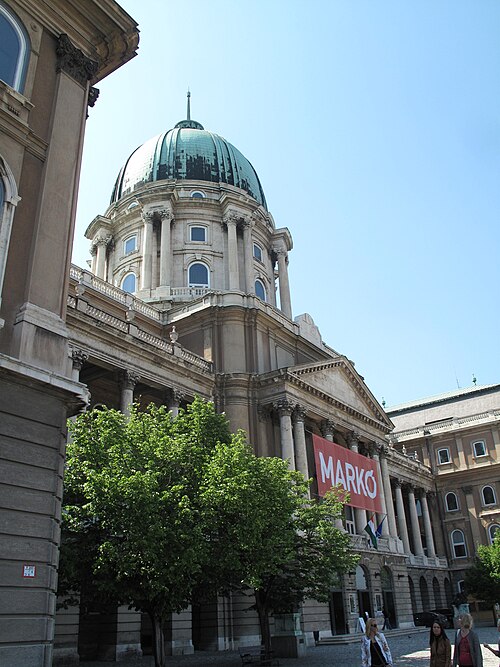
Magyar Nemzeti Galéria
The Hungarian National Gallery occupies a prominent position within Buda Castle, the historic palace complex overlooking the Danube from the Buda side of the capital.
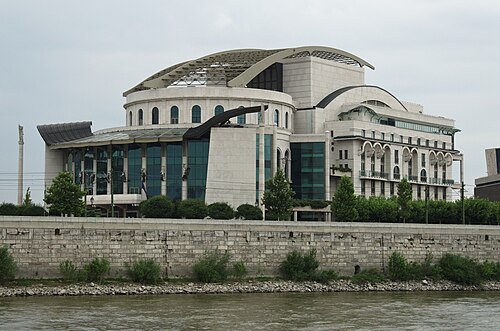
Nemzeti Színház
The National Theatre in Budapest is Hungary's principal state theatre institution, occupying a prominent riverside position along the Danube. The current building opened in the early 2000s after decades of political and architectural debate about the theatre's proper home.
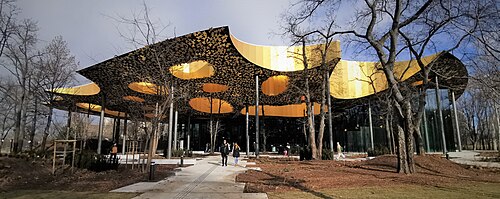
Magyar Zene Háza
House of Music Hungary is a music institution in Budapest’s City Park, housed in a building designed by Japanese architect Sou Fujimoto. The venue opened in January 2022 as part of the Liget Budapest development.
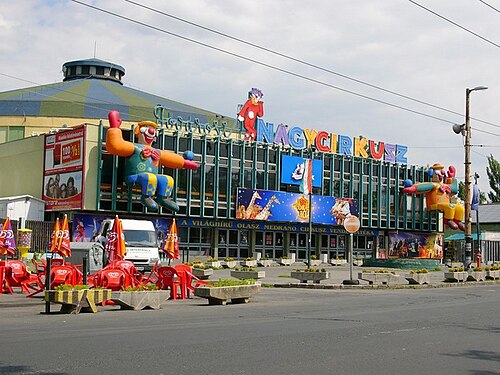
Fővárosi Nagycirkusz
The Capital Circus of Budapest is a dedicated circus venue in Hungary’s capital, connected with the city’s live entertainment and circus-arts tradition. It offers travelers an experience built around a staged performance rather than a museum collection or outdoor monument.
Fiumei úti sírkert
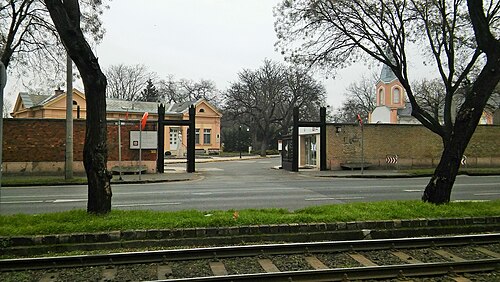
Kerepesi Cemetery is a historic burial ground in Budapest’s eighth district, established in 1847 and remembered as a national pantheon. Its avenues, graves, mausoleums, and memorials connect the city’s political, artistic, and intellectual history with a quiet garden landscape.
Belvárosi Nagyboldogasszony-templom
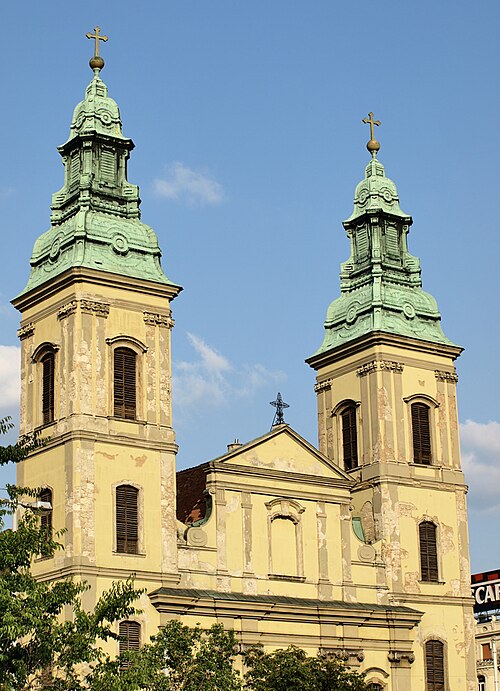
Inner City Parish Church stands near the Elizabeth Bridge on Budapest’s Pest riverbank and ranks among the city’s oldest ecclesiastical buildings. Its foundations incorporate remains from Roman Contra-Aquincum, while the present structure reflects medieval, Gothic, Ottoman and Baroque phases.
Rumbach utcai zsinagóga
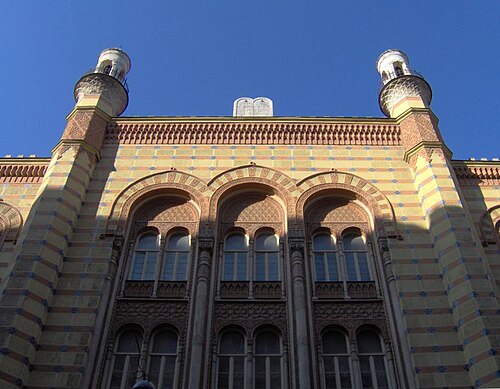
Rumbach Street Synagogue is a landmark of Budapest’s Jewish Quarter and a notable 19th-century Moorish Revival building. Otto Wagner designed the synagogue, which was completed in 1872 for the Neolog Jewish community.
Sász-Chevra Zsinagóga
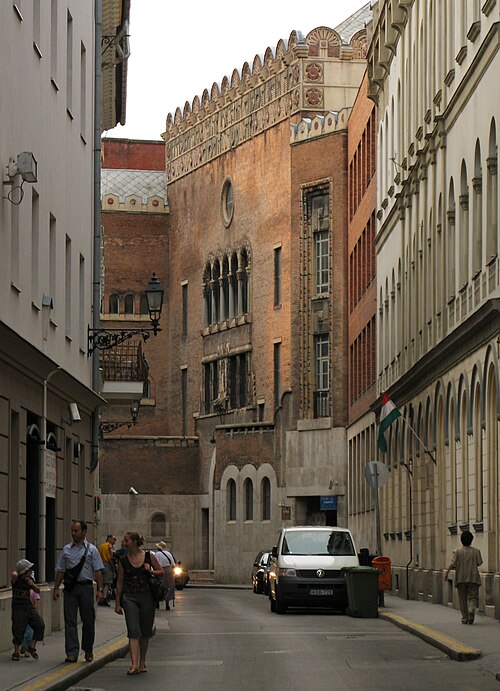
Kazinczy Street Synagogue is an Orthodox Jewish house of worship in Budapest’s historic Jewish Quarter. The synagogue adds an important Orthodox presence to a district also known for Neolog Jewish heritage, including the nearby Dohány Street Synagogue.
Source: OpenStreetMap contributors, Wikidata ·
Buda rises west of the river around Castle Hill, Gellert Hill and residential slopes. Pest spreads east across a flatter grid: Parliament stands on the river, the inner districts surround Deak Ferenc Square, and Andrassy Avenue runs northeast toward City Park. The Jewish Quarter sits east of the central core. Treat Margaret Island and the outer thermal baths as dedicated stops rather than extensions of a riverside walk.
Checked 2026-08-26
Use metro, tram, trolleybus and bus services for cross-city travel, then walk within Castle Hill or the compact inner Pest districts. BKK states that the public transport network covers the capital, while its BudapestGO service supports journey planning and digital tickets. River crossings and Buda's slopes can make a short map distance slower than expected, so check the route before changing banks.
Checked 2026-08-26
A fixed stay length is not recorded. Plan at least separate blocks for Castle Hill and Buda, central Pest, City Park and any thermal bath or island visit.
Buda is the hillier western side with Castle Hill and Gellert Hill. Pest is the flatter eastern side containing Parliament, central boulevards, markets and much of the nightlife.
Use BKK metro and tram services for the main corridors, buses or trolleybuses for gaps, and walk inside compact districts. BudapestGO provides official journey planning and digital tickets.
Yes, central bridges connect the two sides, but the river crossing and Buda's slopes add time. Combine nearby sights on each bank before crossing to the other.
Yes. Castle Hill is a concentrated historic district on elevated terrain. Group its sights together rather than returning to it between stops in central Pest.