

1 min walk
Pharma
- Notable
- Nightlife venue
Language · 11 published
Place of worship · Budapest
Sász-Chevra Zsinagóga
Reviewed by Elena Voss · Roavina Travel Editor
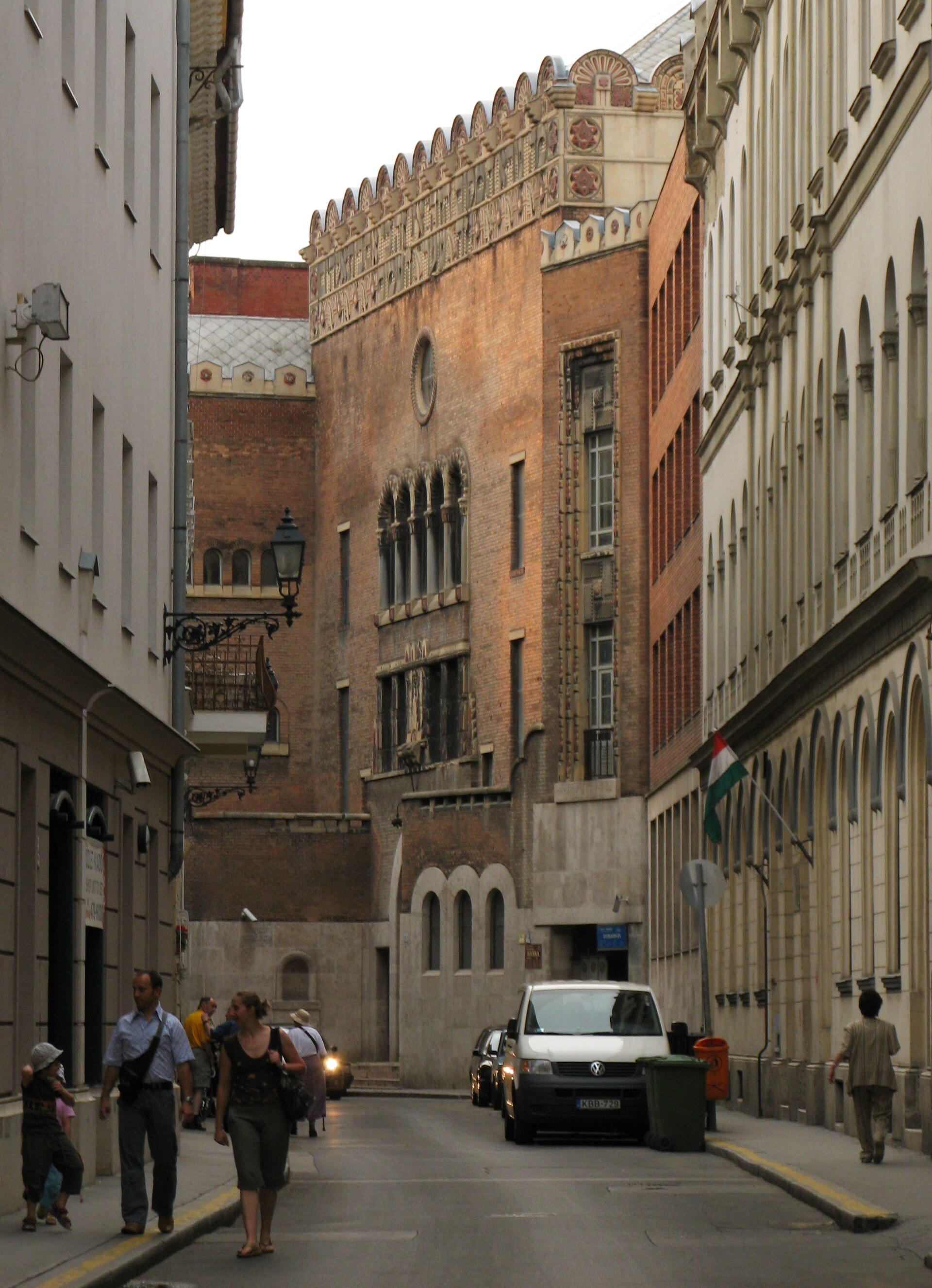
This place is a Place of worship. It was built in the Art Nouveau architecture style.
Kazinczy Street Synagogue is an Orthodox Jewish house of worship in Budapest’s historic Jewish Quarter. The synagogue adds an important Orthodox presence to a district also known for Neolog Jewish heritage, including the nearby Dohány Street Synagogue. Its value for travellers lies in seeing how several Jewish traditions share the same urban neighbourhood. Kazinczy Street itself combines religious buildings, restaurants, cafés and nightlife, making the synagogue part of a larger District VII walk rather than an isolated landmark. Kazinczy Street Synagogue is an Orthodox Jewish house of worship located on Kazinczy Street in Budapest's historic Jewish Quarter. The synagogue forms part of the broader cultural and religious landscape of the district, which contains several significant Jewish heritage sites. The building represents the Orthodox tradition within Hungarian Judaism, distinct from the larger Neolog movement represented by the nearby Dohány Street Synagogue. The structure contributes to the architectural diversity of the quarter, which features various religious and secular buildings from different periods of Budapest's history. The synagogue functions primarily as an active place of worship. Visitor access policies are not fully documented; direct confirmation with the synagogue administration is advisable.
Checked 2026-08-26 · Source
The synagogue interior contains features associated with Orthodox Jewish worship, including a Torah ark and bimah. Decorative details express the building’s religious tradition, while the wider complex also serves community, educational and gathering purposes. Kazinczy Street Synagogue remains a functioning place of worship, so the interior should be approached as an active religious environment rather than a display arranged only for visitors. Prayer services and private community use can shape how visitors move through the building and which areas they may enter. The interior of Kazinczy Street Synagogue contains elements typical of Orthodox Jewish worship spaces, including the Torah ark and bimah.
Checked 2026-08-26 · Source
Allow roughly 30 minutes to one hour for a visit, depending on interest in Orthodox Jewish architecture and the parts of the building open during the visit. A shorter stop works well for travellers exploring District VII on foot, while a longer pause suits visitors comparing the synagogue’s interior traditions with those of nearby Jewish sites. Kazinczy Street Synagogue combines naturally with Dohány Street Synagogue and Rumbach Street Synagogue in a compact heritage itinerary.
Checked 2026-08-26 · Source
Kazinczy Street Synagogue is best approached with awareness that it serves an active congregation. Shabbat runs from Friday evening to Saturday evening, and Jewish holidays can affect the rhythm of the building and the surrounding religious community. Spring and autumn offer comfortable conditions for walking between the quarter’s synagogues. Summer can bring more visitors to District VII, while winter makes a well-planned route useful. The contrast between the synagogue’s religious purpose and the neighbourhood’s nightlife is clearest during a respectful daytime walk.
Checked 2026-08-26 · Source
Nearby synagogues may use separate tickets or different visitor systems, so a ticket connected with Dohány Street Synagogue or Rumbach Street Synagogue should not be treated as valid here. Donations may support an active religious site, but no amount is stated. Plan the Jewish Quarter walk around the buildings and traditions you want to understand, keeping the sequence flexible rather than relying on one combined fare.
Checked 2026-08-26 · Source
Kazinczy Street Synagogue is in District VII, one of central Budapest’s most walkable areas. Deák Ferenc tér and Astoria provide access to the surrounding metro network, including M1, M2 and M3 connections. Trams and buses run through nearby streets, while visitors staying in central Pest can reach the synagogue on foot. Street parking is limited in this dense quarter. Walking is especially effective because the synagogue sits close to other Jewish heritage buildings and the district’s lively streets.
Checked 2026-08-26 · Source
Kazinczy Street Synagogue is an active Orthodox place of worship, so modest clothing and quiet conduct are appropriate. Shoulders and knees should be covered, and men may need a head covering. Services can limit movement and photography. The surrounding quarter is busy, with restaurants, entertainment venues and nightlife, so the setting changes sharply from sacred interior to crowded street. Historic construction may present movement challenges for some visitors. Give worshippers priority and follow the synagogue’s instructions inside.
Checked 2026-08-26 · Source
Exterior photography from Kazinczy Street helps show the synagogue’s place within Budapest’s Jewish Quarter. Interior photography should be treated with sensitivity because the building hosts religious services and community activity. Ask before photographing inside, keep equipment unobtrusive and never photograph worshippers during prayer. Flash can disturb the atmosphere and distract from the building’s details. A respectful composition focuses on the ark, bimah and architectural decoration only when those areas are open and photography is permitted.
Checked 2026-08-26 · Source
Kazinczy Street Synagogue represents Orthodox Judaism and serves as an active Orthodox Jewish place of worship in Budapest’s Jewish Quarter.
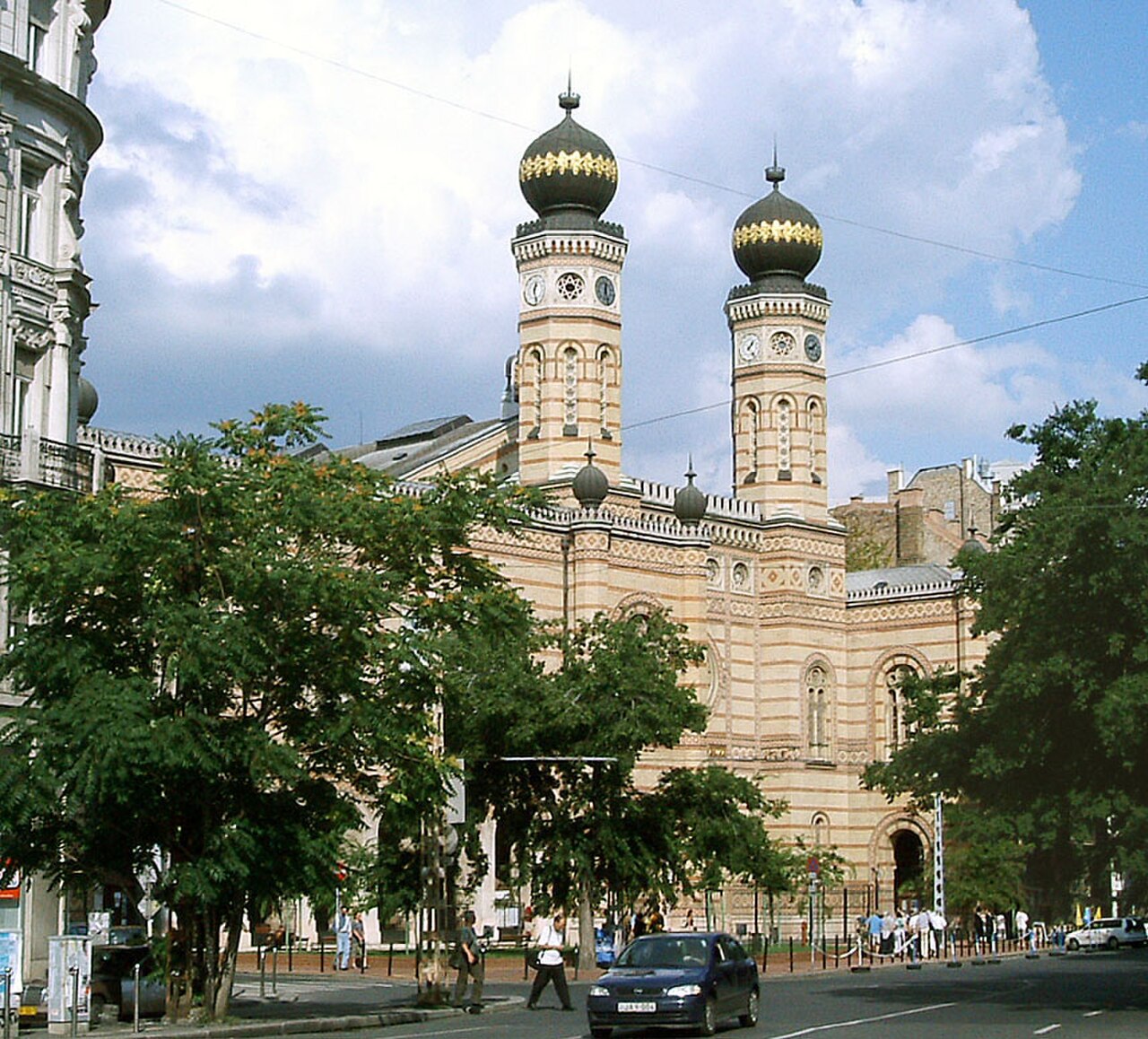
Kazinczy Street Synagogue serves the Orthodox Jewish community, while Dohány Street Synagogue represents the Neolog tradition within Hungarian Judaism.
The interior includes a Torah ark and bimah, with decorative features connected to Orthodox Jewish worship and spaces serving community and educational purposes.
Modest clothing with covered shoulders and knees is appropriate. Men may need to cover their heads in accordance with Orthodox Jewish custom.
Shabbat is observed from Friday evening through Saturday evening, a period that shapes religious activity and visitor movement at functioning synagogues.
Kazinczy Street Synagogue pairs well with Dohány Street Synagogue and Rumbach Street Synagogue on a walking route through Budapest’s Jewish Quarter.
Loading the interactive map…
The interactive map could not be loaded.
Last updated:
Source: OpenStreetMap contributors, Wikidata ·